

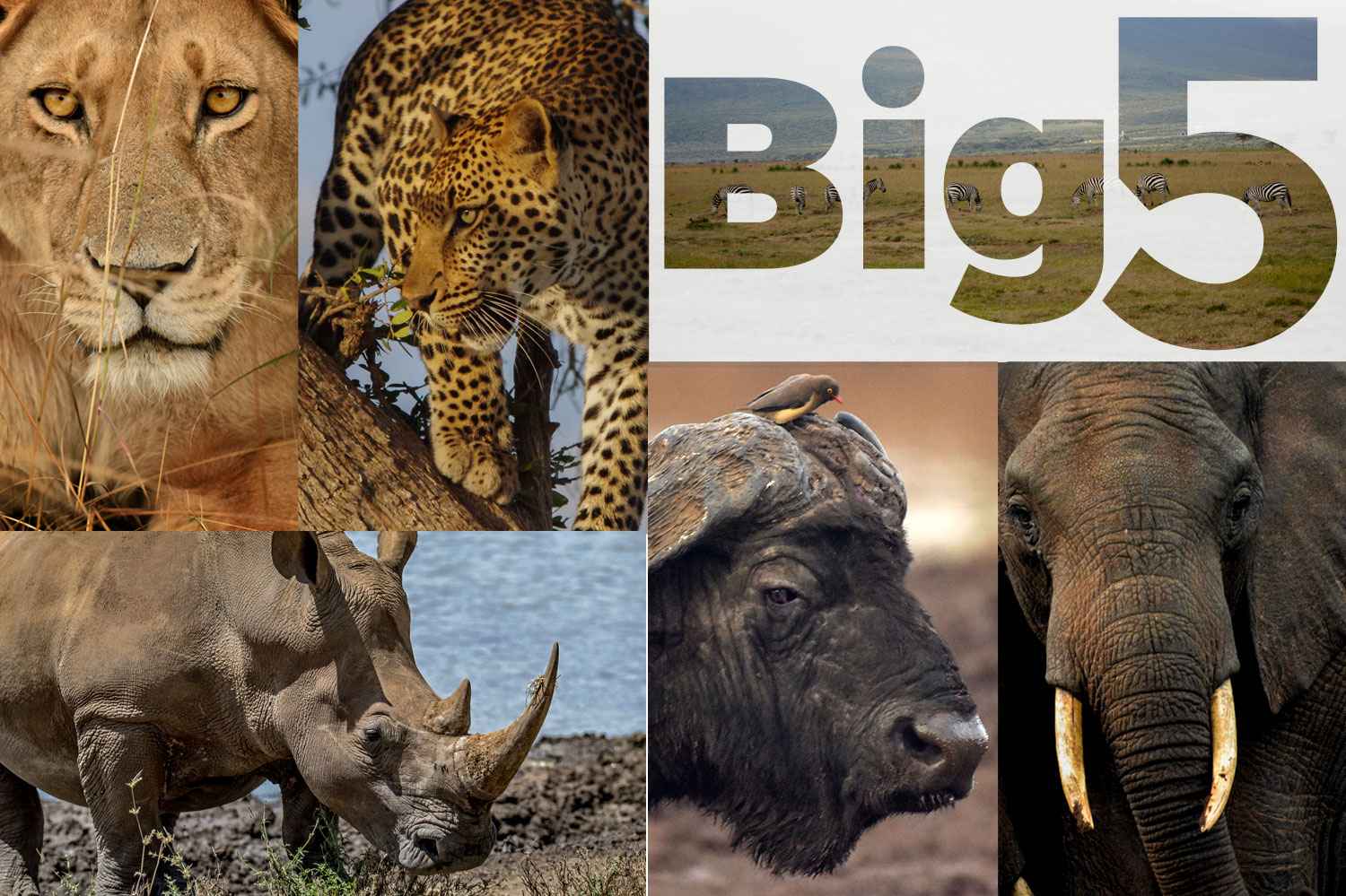
Seeing the Big Five in Kenya is the dream of many first-time safari travellers. The lion, leopard, elephant, buffalo and rhino are among Africa's most iconic animals, and Kenya is one of the best countries in the world to find all five. With the right parks, the right season and an experienced guide, you have an excellent chance of completing the set on a single trip.
This guide explains what the Big Five are, where to see each animal in Kenya, which parks offer all five, the best time to go, how to improve your chances and how to watch them responsibly. You will also meet some of Kenya's other famous "fives" and find ideas for a Big Five safari itinerary.
In This Guide
- What Are the Big Five?
- Lions
- Leopards
- Elephants
- Buffalo
- Rhinos
- Best Parks for the Big Five in Kenya
- Best Time to See the Big Five
- Plan Your Big Five Safari
What Are the Big Five?
The term "Big Five" was first used by big-game hunters to describe the five animals considered most dangerous to hunt on foot: the lion, leopard, elephant, Cape buffalo and rhinoceros. Today the phrase has been reclaimed by photographic safaris and conservation, and spotting the Big Five in Kenya is about admiration and protection rather than hunting.
The Big Five are not necessarily the largest animals in Africa. Hippos and giraffes are bigger than some of them, for example. But together they represent the drama, power and beauty of the African bush, and they remain the most popular checklist for safari-goers.
Kenya protects all five species in its national parks, reserves and private conservancies, managed by organisations such as the Kenya Wildlife Service. Here is where to find each of them.
Lions: Kings of the Savannah
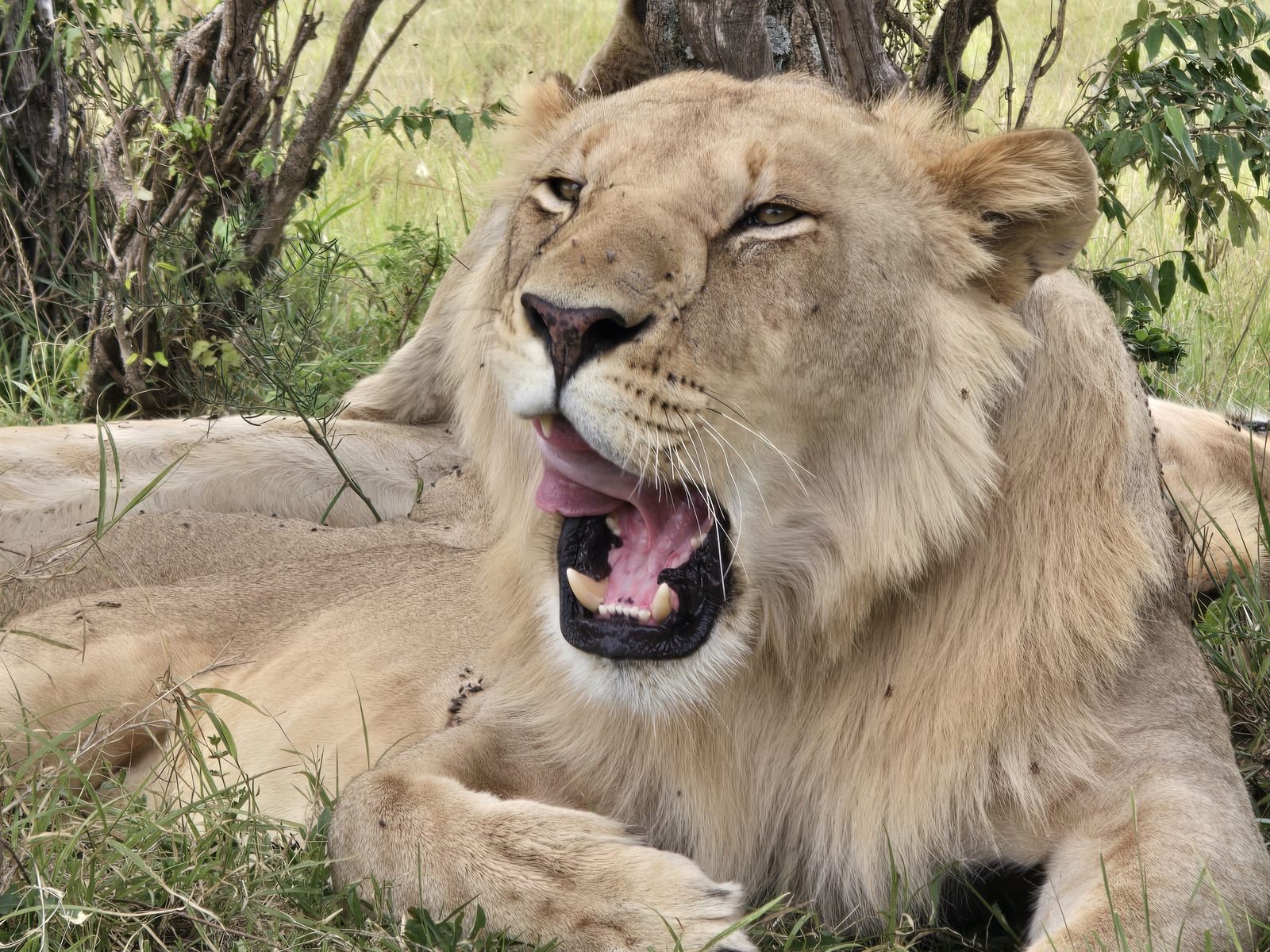
Lions are the most sought-after of the Big Five in Kenya, and they are usually the easiest of the big cats to find. They live in social groups called prides, made up of related females, their cubs and one or more males. Lions spend much of the day resting, so the best time to see them active is early morning and late afternoon.
Where to See Lions
- Masai Mara: one of the best places in Africa for lions, with large prides and frequent hunting action, especially during the migration.
- Amboseli: lions against the backdrop of Kilimanjaro.
- Tsavo East and Tsavo West: home to the famous maneless lions of Tsavo.
- Samburu and Meru: lions in the dry, rugged north.
- Nairobi National Park: lions with the city skyline in the background.
Read about one of Kenya's most famous prides in our story of the Marsh Pride of the Masai Mara.
Leopards: The Elusive Hunters
The leopard is often the hardest of the Big Five in Kenya to find. These solitary, nocturnal cats are masters of camouflage and spend much of the day resting in trees or dense vegetation. Spotting a leopard draped along a branch, its tail hanging down, is a highlight of any safari.
Where to See Leopards
- Masai Mara: especially along rivers and in areas with large trees and rocky outcrops.
- Samburu: the riverine woodland along the Ewaso Ng'iro River is excellent leopard territory.
- Lake Nakuru: leopards are regularly seen in the acacia woodland.
- Private conservancies: night drives in the Masai Mara conservancies and Laikipia offer extra chances to see leopards hunting.
Patience is key. A good guide will read the signs, such as alarm calls from monkeys and impala, to locate a hidden leopard.
Elephants: Gentle Giants
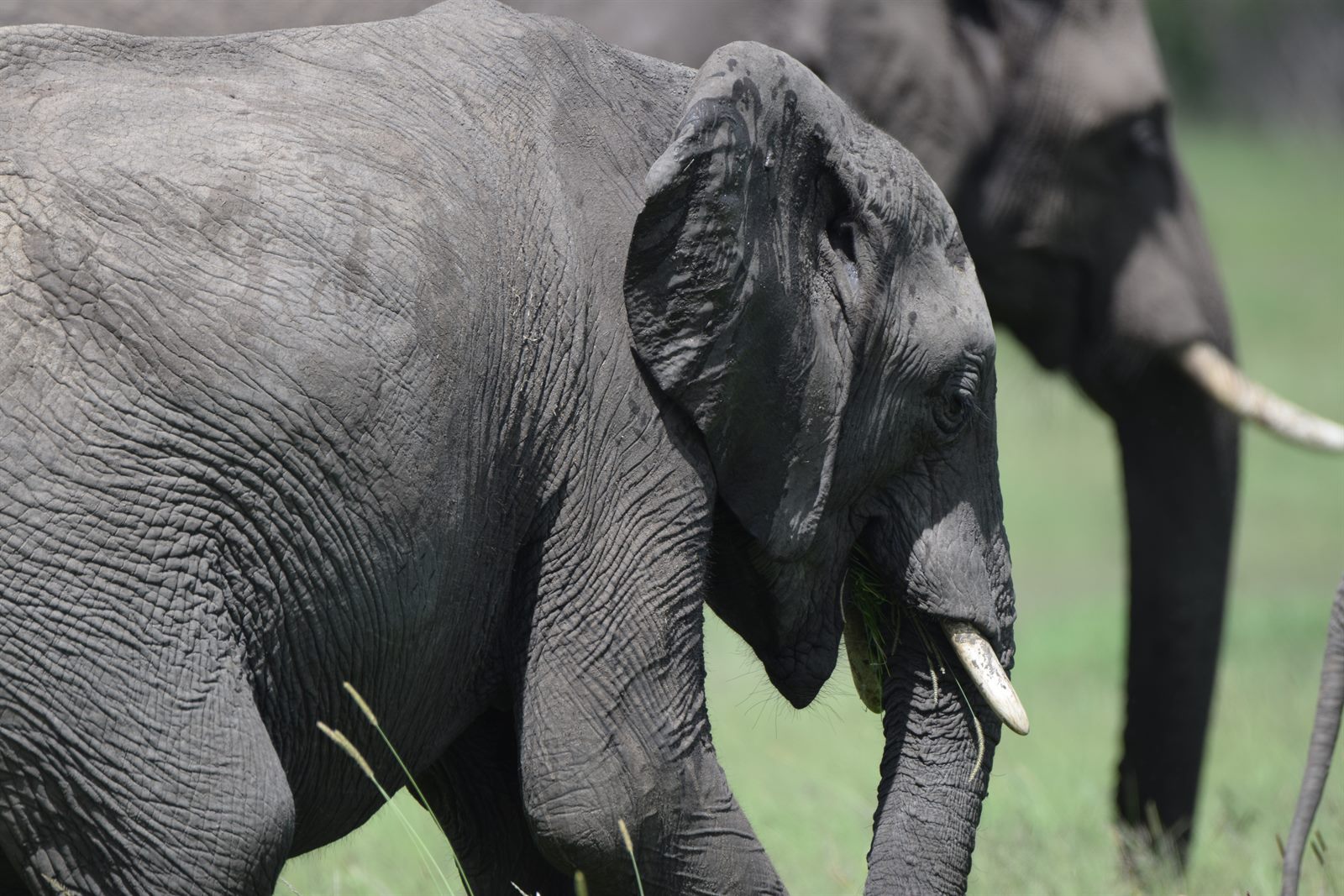
The African savanna elephant is the largest land animal on Earth, and watching a family herd at a waterhole is one of the most moving experiences of a safari. Elephants live in close-knit family groups led by an older female called the matriarch, while adult males often roam alone or in bachelor groups.
Where to See Elephants
- Amboseli: famous for large herds and big-tusked bulls beneath Kilimanjaro. Read our Amboseli safari guide.
- Tsavo: the red-dust elephants of Tsavo are an iconic sight. See our Tsavo National Park guide.
- Samburu: elephants bathing in the Ewaso Ng'iro River.
- Masai Mara: herds roam throughout the reserve and conservancies.
The African savanna elephant is listed as endangered on the IUCN Red List, which makes every sighting precious.
Cape Buffalo: The Unpredictable One
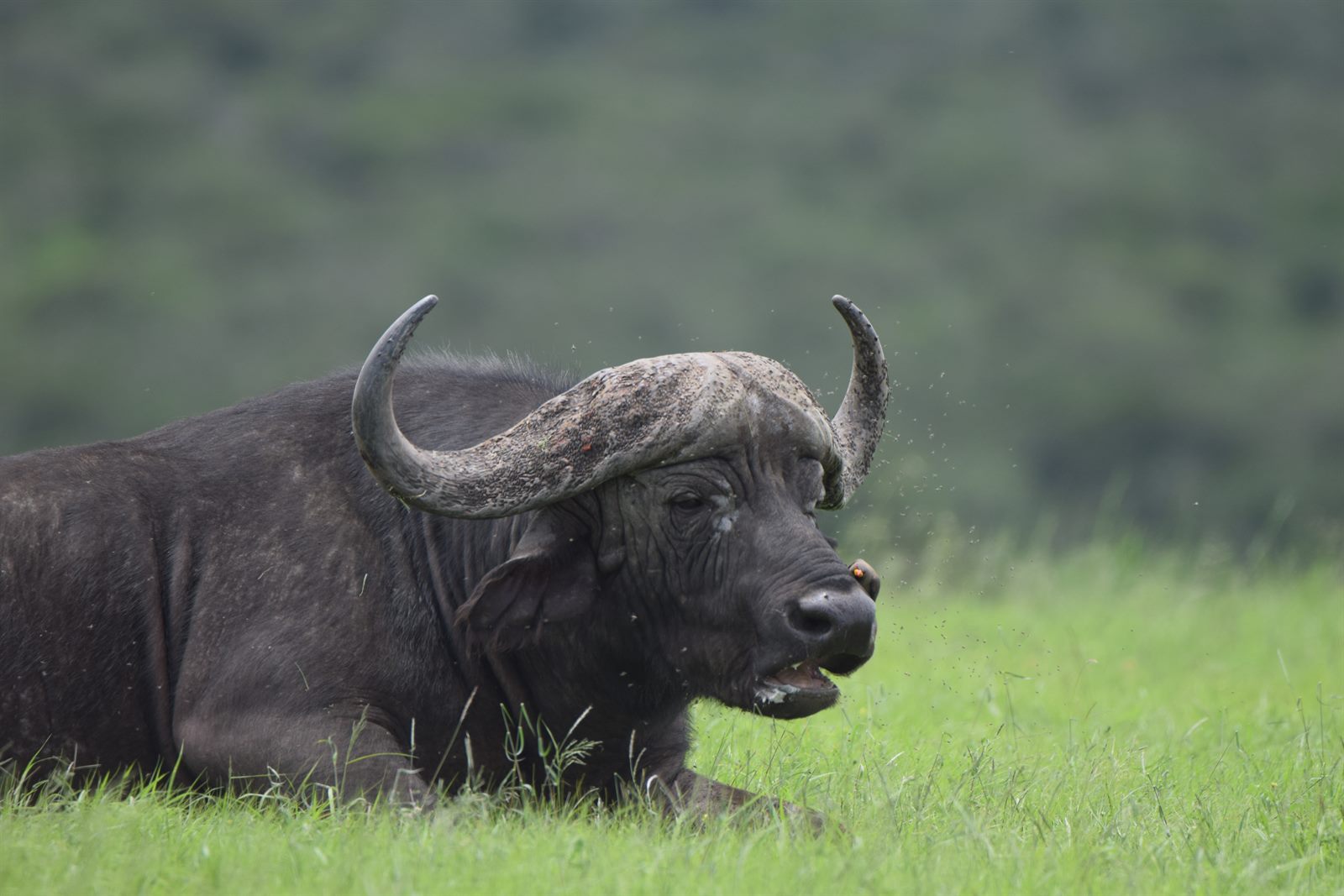
The Cape buffalo may look like a large cow, but it is considered one of the most dangerous animals in Africa. Buffalo live in herds that can number in the hundreds, while old males, sometimes called "dagga boys", often live alone or in small groups near water and mud wallows. Of all the Big Five in Kenya, the buffalo is usually the easiest to see.
Where to See Buffalo
- Masai Mara: large herds on the open plains.
- Lake Nakuru: buffalo grazing along the lakeshore.
- Aberdare and Mount Kenya: forest buffalo in the highlands.
- Meru and Tsavo: herds near rivers and swamps.

Rhinos: Kenya's Conservation Success
Rhinos are the rarest of the Big Five in Kenya. Both black and white rhinos are found in the country, and they are heavily protected in fenced sanctuaries and conservancies because of the threat of poaching. Kenya is home to one of the largest black rhino populations in Africa, the result of decades of dedicated conservation.
The black rhino is smaller, with a hooked upper lip for browsing on bushes, and tends to be more solitary and shy. The white rhino is larger, with a broad, square mouth for grazing on grass, and is often seen in small groups.
Where to See Rhinos
- Ol Pejeta Conservancy: home to black and white rhinos, and to the last two northern white rhinos in the world. Read our Ol Pejeta Conservancy guide or visit the Ol Pejeta website.
- Lake Nakuru National Park: one of the best places in Kenya to see rhinos.
- Nairobi National Park: rhinos with the city skyline behind them. See our Nairobi National Park guide.
- Lewa Wildlife Conservancy: a pioneering rhino sanctuary in northern Kenya. Learn more at Lewa.
- Meru National Park and Tsavo West: both have protected rhino sanctuaries.
- Masai Mara: a small population of black rhinos lives in the reserve, but sightings are rare.
Best Parks for the Big Five in Kenya
Not every park has all five species. Lake Nakuru, for example, has rhinos, lions, leopards and buffalo but no elephants, while the Masai Mara has all five but rhinos are rarely seen. If seeing the complete Big Five in Kenya is important to you, these places offer the best chances:
Ol Pejeta Conservancy
Ol Pejeta, in Laikipia near Mount Kenya, is one of the best places to see the Big Five in Kenya in a single visit. It has healthy populations of all five species, including both black and white rhinos, and offers night drives, guided walks and visits to the Sweetwaters Chimpanzee Sanctuary.
Masai Mara
The Mara is unbeatable for lions, leopards, elephants and buffalo. Rhinos are present but shy, so many travellers combine the Mara with Lake Nakuru or Ol Pejeta to complete the set.
Meru National Park
Meru is a quiet, wild park with all five species, including a dedicated rhino sanctuary. Read our Meru National Park guide.
Tsavo West
Tsavo West has all five, with rhinos protected in the Ngulia Rhino Sanctuary. Its volcanic landscapes and springs make it a dramatic place to search for the Big Five in Kenya.
A Winning Combination
The most reliable way to see the Big Five in Kenya is to combine two or three areas, such as the Masai Mara for big cats, Lake Nakuru or Ol Pejeta for rhinos, and Amboseli for elephants. Our 5 Day Ol Pejeta, Lake Nakuru and Masai Mara Safari is designed with exactly this in mind.
Best Time to See the Big Five in Kenya
You can see the Big Five in Kenya all year round, but the dry seasons make wildlife easier to find:
- Late June to October: the long dry season. Grass is short, animals gather near water and the Great Migration attracts predators to the Masai Mara.
- January and February: another dry spell with excellent visibility and many young animals.
- March to May and November: the rainy seasons bring lush scenery and fewer visitors, though thicker vegetation can make leopards harder to spot.
Our guide to the best time to visit Kenya explains each month in detail.
Tips for Spotting the Big Five
- Allow enough time. Spend at least three nights in the Masai Mara and include a rhino sanctuary in your itinerary.
- Go out early and late. Predators are most active at dawn and dusk.
- Trust your guide. Experienced guides read tracks, listen for alarm calls and share information with other guides.
- Use good binoculars. Many sightings start as a distant shape in a tree or the grass.
- Be patient. Some of the best sightings come from waiting quietly at a waterhole or near a resting cat.
- Consider a conservancy. Night drives and off-road driving in the Masai Mara conservancies increase your chances of seeing leopards.
Watching the Big Five Responsibly
Responsible viewing protects both the animals and the experience for everyone. Keep a respectful distance, stay quiet at sightings, never encourage your driver to chase or surround animals, and stay inside the vehicle unless your guide says it is safe. Choose operators who follow park rules, and support conservation projects that protect rhinos and elephants from poaching.
Photographing the Big Five in Kenya
Photographing the Big Five in Kenya is a goal for many travellers. Golden light in the early morning and late afternoon flatters every animal, from a lion's mane to an elephant's wrinkled skin. A zoom lens of 300 to 400 millimetres is ideal for leopards in trees and shy rhinos, while a wider lens captures elephants and buffalo herds in their landscape.
Ask your guide to position the vehicle with the sun behind you, keep your camera ready at all times and use a beanbag for stability. Most importantly, take time to watch behaviour: some of the best images capture a moment, such as a lioness carrying a cub or an elephant calf playing in the water.
Conservation: Protecting the Big Five
Kenya has made remarkable progress in protecting its wildlife, but threats remain. Poaching for ivory and rhino horn, habitat loss and conflict between people and wildlife all put pressure on populations. Rangers, community conservancies, scientists and conservation organisations work together to protect the Big Five in Kenya, and tourism plays a vital role in funding this work.
Rhino sanctuaries are guarded around the clock, elephant populations are monitored with tracking collars, and community projects help farmers protect their crops and livestock without harming wildlife. Every park and conservancy fee you pay supports these efforts.
Staying Safe Around the Big Five
All five animals can be dangerous, which is why they earned their name. On safari, safety is simple: stay inside the vehicle, keep your arms and head inside when close to animals, keep noise low and always follow your guide's instructions. At camps, staff will escort you after dark. On walking safaris, listen carefully to the safety briefing, walk in single file and never run.
The Big Five in Kenya for Families
Searching for the Big Five in Kenya is an exciting game for children. Give them a checklist and binoculars, and let them help spot animals from the vehicle. Choose family-friendly lodges with swimming pools for the hot afternoons, keep game drives to a few hours and include a short drive in Nairobi National Park or Lake Nakuru, where rhinos and lions are often easy to find.
Beyond the Big Five: Kenya's Other Famous Fives
Once you have ticked off the Big Five in Kenya, there are other fascinating groups to look for.
The Special Five
Northern Kenya is home to the Samburu Special Five: Grevy's zebra, reticulated giraffe, Somali ostrich, gerenuk and beisa oryx. Read our Samburu National Reserve guide.
The Little Five
The Little Five are small creatures named after the Big Five: the ant lion, leopard tortoise, elephant shrew, buffalo weaver and rhinoceros beetle. Spotting them on a walking safari is great fun, especially for families.
The Ugly Five
The so-called Ugly Five, the warthog, hyena, wildebeest, vulture and marabou stork, are often overlooked, but each plays a vital role in the ecosystem and has a fascinating story.
A Sample Big Five Safari Itinerary
Here is how a seven-day trip to find the Big Five in Kenya might look:
- Days 1 to 2: Ol Pejeta Conservancy. Search for black and white rhinos, lions and buffalo, and visit the northern white rhinos.
- Day 3: Lake Nakuru. More rhinos, leopards in the acacia woodland and birdlife on the lake.
- Days 4 to 6: Masai Mara. Lions, leopards, elephants and buffalo, plus the migration in season.
- Day 7: Return to Nairobi.
To add elephants under Kilimanjaro, include two nights in Amboseli, as on our 7 Day Amboseli, Lake Naivasha, Lake Nakuru and Masai Mara Safari.
Common Questions About the Big Five in Kenya
Can I see the Big Five in Kenya in one park? Yes. Ol Pejeta, Meru and Tsavo West all have the Big Five, and the Masai Mara has all five although rhinos are rarely seen. Combining parks gives the best chance.
Which of the Big Five is hardest to see? Usually the leopard, because it is shy and well camouflaged, and the rhino, because it lives in fewer places.
How many days do I need? Five to seven days, covering two or three areas, gives a strong chance of seeing all five.
Can I see the Big Five near Nairobi? Nairobi National Park has lions, leopards, buffalo and rhinos, just outside the city. Elephants are not found in the park, but you can meet orphaned baby elephants at the David Sheldrick Wildlife Trust nearby.
Do I need a private vehicle? It is not essential, but a private vehicle lets you wait longer at a sighting, which can make the difference with shy animals such as leopards and rhinos.
What is the best park for a first safari? The Masai Mara is ideal for big cats, elephants and buffalo, and combining it with a rhino sanctuary such as Lake Nakuru or Ol Pejeta gives a well-rounded first trip with an excellent chance of seeing all five animals in just one week.
Is the Big Five guaranteed? Wildlife is wild, so no sighting can be guaranteed. However, Kenya's parks offer some of the best odds in Africa.
Plan Your Big Five Safari in Kenya
Seeing the Big Five in Kenya is an unforgettable achievement, and the right itinerary makes all the difference. Our team will design a safari that combines the best parks for big cats, elephants and rhinos.
- See our 5 Day Ol Pejeta, Lake Nakuru and Masai Mara Safari
- Explore the 6 Day Amboseli, Nakuru and Masai Mara Safari
- Browse all our Kenya safari packages
Ready to meet all of the famous Big Five? Contact us for a free, tailor-made Kenya safari.