

Amboseli Safari: Under Kilimanjaro
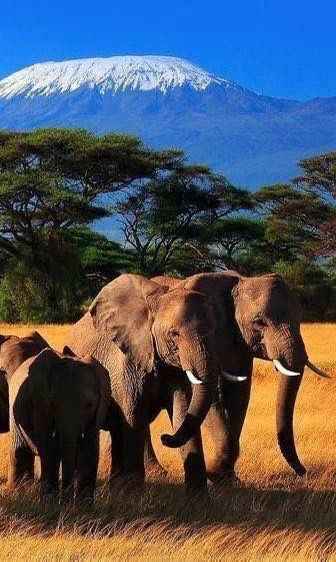
An Amboseli safari delivers one of the most iconic wildlife scenes in Africa: elephants walking across open plains with snow-capped Mount Kilimanjaro rising behind them. Amboseli National Park is small compared with Kenya’s giants, covering about 392 square kilometres in Kajiado County, but it punches well above its weight for wildlife and scenery.
In this guide you will learn what makes an Amboseli safari special: the landscape, the elephants, the other wildlife and birds, the mountain views, the conservation story and how to plan your trip. For a full list of sights, see our post on the attractions in Amboseli National Park, or browse our Kenya safari packages.
A Landscape Shaped by Fire and Ice
Kilimanjaro is an ancient volcano, and it shapes everything you see on an Amboseli safari. Rain and melting snow from the mountain seep down through volcanic rock and re-emerge in the park as springs and swamps. These green oases stand out sharply against the dry, dusty plains around them, and they keep wildlife supplied with water throughout the year.
The park also has a large dry lake bed. In the dry season, it is a pale, dusty flat where you may see mirages, and after heavy rain it can fill with a thin layer of water that draws birds. This mix of swamp, plain, acacia woodland and lake bed gives an Amboseli safari a surprising range of scenery for such a compact park.
Elephant Kingdom: The Heart of an Amboseli Safari
Amboseli is one of the best places in Africa to watch elephants up close. More than 1,000 live in and around the park, and a typical day sees them walking between the swamps, where they feed and wallow, and the open plains. Because the land is flat and open, you can often watch whole family groups without any obstacles.
Amboseli elephants are also among the best-studied in the world. Researchers at the Amboseli Trust for Elephants have followed individual animals since the early 1970s, so many of the elephants you see have known names and family histories. On an Amboseli safari you can watch the social life of a herd: mothers guarding calves, playful youngsters, and big-tusked bulls moving alone or in small groups. The experience is even better in the soft light of early morning or late afternoon.
Wildlife Beyond the Giants
Elephants are the stars, but they are not the only attraction on an Amboseli safari:
- Predators: Lions, cheetahs and hyenas are regularly seen, and leopards are present but harder to find, particularly in the thick vegetation around the swamps.
- Grazers: Large herds of wildebeest, zebras and buffalo graze on the open plains, along with impala and Thomson’s gazelles.
- Giraffes and hippos: Giraffes are common on the plains, and hippos stay in the swamps by day.
Birdwatching
Amboseli is a paradise for bird lovers, with more than 400 species recorded. Look for colourful bee-eaters, iridescent sunbirds, crowned cranes, pelicans, kingfishers and the superb starling, along with raptors overhead and waterbirds around the swamps. Migratory species arrive between November and April, so the green season is especially good for birding.
Kilimanjaro’s Majestic Presence
The mountain is the defining feature of an Amboseli safari. Its snow-capped summit is often wrapped in cloud during the day, but it usually appears in full view around sunrise and sunset. Planning your game drives for these hours gives you the best chance of a clear view, and it is also when the light is best for photography. Elephants in front of Kilimanjaro at dawn are the shot most visitors come for.
Conservation and Community
Amboseli is more than a wildlife park. It is also an example of how conservation can work alongside local people. The Maasai, who live on the land around the park, are partners in protecting wildlife, and tourism supports community projects and income. This shared approach helps keep migration routes open and gives communities a reason to protect wildlife, which is essential for the long-term future of the ecosystem. Choose community-led activities and lodges that support local people when you plan your Amboseli safari.
Planning Your Amboseli Safari
How to Get There
- By road: Amboseli is about 240 km from Nairobi, and the drive takes around 4 to 5 hours.
- By air: Scheduled flights from Nairobi’s Wilson Airport take under an hour and land at an airstrip in the park.
Where to Stay
Accommodation ranges from luxury lodges to tented camps, many with views of Kilimanjaro. Lodges inside the park save travel time for early game drives, while camps just outside it are often better value.
Best Time for an Amboseli Safari
The best time for an Amboseli safari is during the dry seasons, from June to October and from January to February. Animals gather around the swamps, the grass is shorter, and the mountain is often clear. The wet months bring green scenery, fewer visitors and excellent birdlife, though some tracks can be muddy.
Park Fees
Fees are set by the Kenya Wildlife Service and change from time to time. Check the current rates on the KWS website before you travel. If you book with Yulle Adventures, park fees are included in your quote.
Book Your Amboseli Safari With Yulle Adventures
An Amboseli safari combines incredible wildlife encounters with the grandeur of Africa’s highest mountain. It is a place to experience the raw beauty of nature and feel connected to the wild heart of Kenya, and it pairs well with the Masai Mara or Tsavo on a longer trip.
Ready to go? Browse our wildlife safari packages or contact Yulle Adventures for a free, tailor-made quote.