

Nairobi National Park: Ultimate Guide
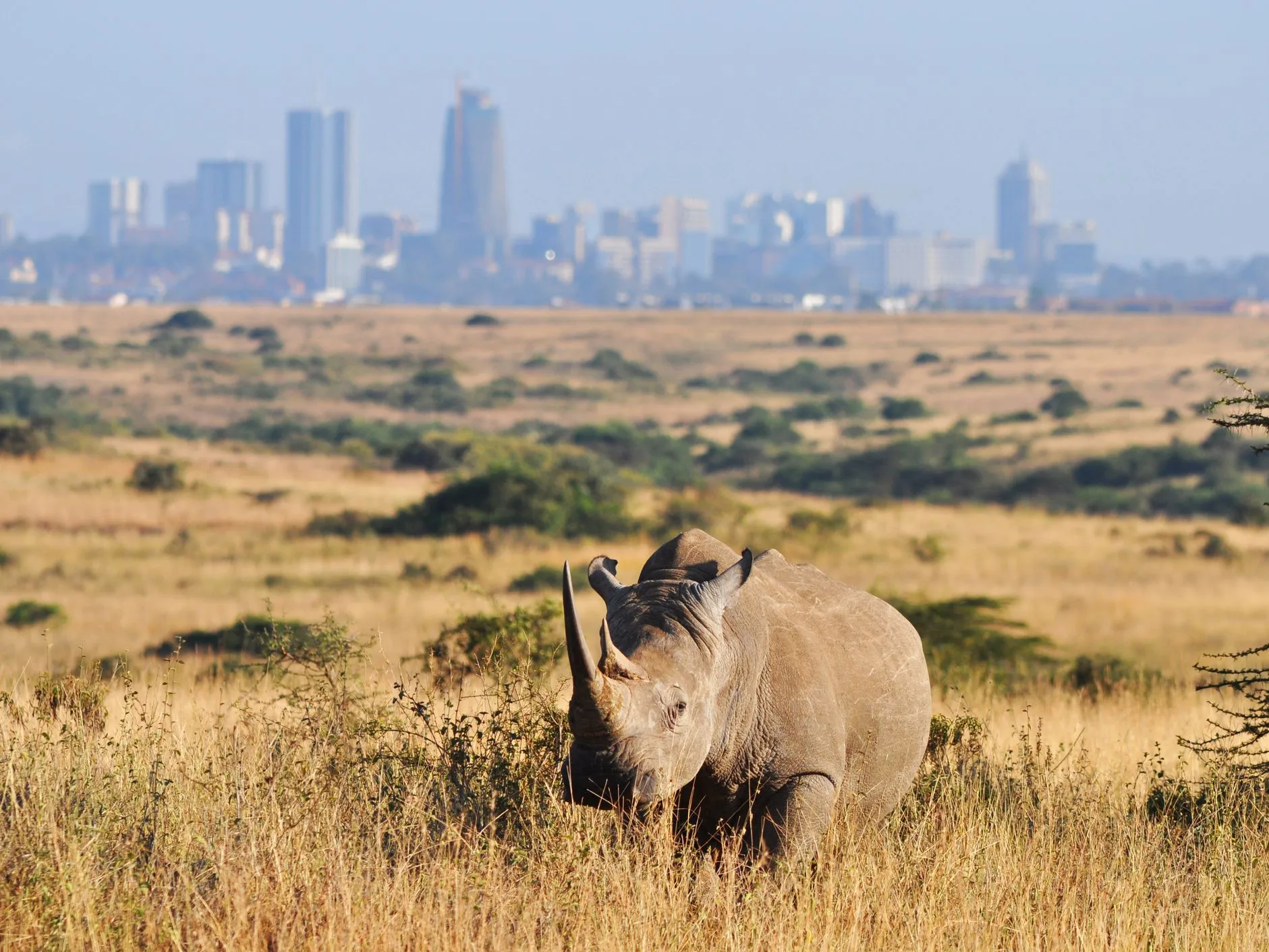
Nairobi National Park is a wildlife sanctuary just a few kilometres from the busy centre of Kenya’s capital. Established in 1946, it covers about 117 square kilometres (45 square miles) and is the only protected wildlife park of its kind in the world that sits next to a major capital city. You can watch lions or rhinos with skyscrapers on the horizon, which makes it a must-visit for tourists and locals alike.
In this guide you will find the history of Nairobi National Park, its wildlife, the best activities, the Ivory Burning Site, visitor information, the best time to go and the main conservation challenges. If you want a guided trip, see our Kenya safari packages.
History of Nairobi National Park
Nairobi National Park was the first national park created in Kenya. It was set aside in 1946 to protect the wildlife of the plains south of Nairobi as the city began to expand. Even in those early years, poaching and the loss of habitat were real concerns.
Over the decades, the Kenya Wildlife Service (KWS) and conservation partners have worked to reduce these threats. Today Nairobi National Park is a symbol of how urban development and wildlife conservation can exist side by side.
Wildlife in Nairobi National Park
More than 100 mammal species live in the park, and it holds four of the Big Five: lions, leopards, buffalo and rhinos. There are no elephants in the park. Nairobi National Park is also one of the best places in East Africa to see black rhinos, an endangered species that has been protected here for decades.
Other animals you may see include:
- Giraffes: Both Maasai and Rothschild’s giraffes are found here.
- Zebras and wildebeest: Commonly grazing on the open grasslands alongside antelope such as impala, eland and hartebeest.
- Hippos and crocodiles: Found around the park’s pools and rivers.
- Birds: More than 500 species have been recorded, from ostriches to raptors, so it is a good place for bird watching.
The park’s habitats include open savannah, wetlands, rocky valleys and riverine forest, and each supports different wildlife.
Things to Do in Nairobi National Park
Game Drives
A game drive is the best way to explore Nairobi National Park. You can join a guided tour with an experienced driver or, if permitted, drive yourself, but a guide makes it much easier to find animals and understand what you see. Popular stops include:
- The Hippo Pools: A quiet spot where you can watch hippos in the water and walk in a protected area.
- Open plains: Good for lions, giraffes, zebras and buffalo.
- Forest and valley areas: Good for birds and shy animals such as leopards.
Nairobi Safari Walk
Next to the main entrance, the Nairobi Safari Walk is an elevated trail that shows animals in naturalistic habitats. It also teaches visitors about conservation, which makes it a good stop for families and school groups.
Nairobi Animal Orphanage
The Animal Orphanage cares for injured and orphaned animals. Some are rehabilitated and returned to the wild, while others stay because they cannot survive on their own. Visitors can learn about the work being done to protect Kenya’s most vulnerable species.
Ivory Burning Site
The Ivory Burning Site is one of the most important places in Nairobi National Park for conservation history. In July 1989, then-President Daniel arap Moi set fire to a large stockpile of confiscated ivory, sending a strong message that Kenya would not tolerate the ivory trade. It was one of the first public ivory burns in the world, and it helped raise global awareness of the poaching crisis that had devastated elephant populations in the 1970s and 1980s.
Kenya repeated the practice in later years. The largest burn took place on 30 April 2016, when President Uhuru Kenyatta set fire to 105 tonnes of ivory and 1.35 tonnes of rhino horn, representing thousands of elephants. Today, the site has a monument, benches and picnic areas, and the ashes of earlier burns are still visible. It is open throughout the year and is a thought-provoking stop for any visitor.
Visitor Information for Nairobi National Park
Nairobi National Park is easy to reach from the city centre, so it works well for a half-day trip or a full-day safari. The main entrance is at the KWS headquarters on Langata Road, where you can buy tickets and pick up a map.
Entrance fees depend on whether you are a citizen, resident or non-resident, and on age. Children pay a lower rate than adults. KWS updates its fees from time to time, so confirm the current rates on the official Kenya Wildlife Service website before you go. If you book with Yulle Adventures, we will include park fees in your quote.
Best Time to Visit Nairobi National Park
You can visit Nairobi National Park all year, but the season affects what you see.
- Dry season (June to October, plus January and February): Animals gather near water, so they are easier to spot.
- Wet season (March to May and November to December): The park turns green and the birdlife is excellent, but tall grass can make animals harder to see.
Early morning and late afternoon are the best times of day for game drives, as animals are most active and the light is ideal for photos.
Conservation Challenges Facing Nairobi National Park
Despite its successes, Nairobi National Park faces serious challenges:
- Urban growth: As Nairobi expands, wildlife loses the open land that surrounds the park. Protecting the migration routes on its open southern side is a major priority.
- Poaching: Rates have dropped thanks to stronger security and community programmes, but rhinos and elephants elsewhere in Kenya remain at risk.
- Human-wildlife conflict: Animals sometimes leave the park and enter settlements. Education and community involvement are key to resolving this.
Why You Should Visit Nairobi National Park
Nairobi National Park shows that cities and wildlife can share the same landscape. With its rich biodiversity, historic sites and easy access, it is an ideal first stop or a final day trip on any Kenya trip. A visit here is more than a safari. It is a chance to learn about conservation and see why it matters.
Ready to go? Browse our wildlife safari packages or contact Yulle Adventures for a free, tailor-made quote.