

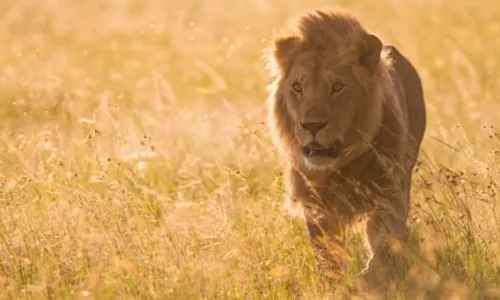
The Masai Mara conservancies are some of the most exciting safari areas in Africa. Surrounding the national reserve on its northern and eastern sides, these private wildlife areas are leased from Maasai landowners and managed for conservation and low-impact tourism. They share the same lions, leopards, cheetahs, elephants and migrating herds as the main reserve, but with far fewer vehicles and a much wider range of activities.
This guide explains what the Masai Mara conservancies are, how they work, what makes them different from the main reserve, the best-known conservancies and their highlights, the activities you can enjoy, when to visit and how to plan your stay. If you are dreaming of a more exclusive Kenya safari, this is where to start.
In This Guide
- What Are the Masai Mara Conservancies?
- How the Conservancies Work
- Conservancies vs the Main Reserve
- Six Masai Mara Conservancies to Know
- Activities in the Masai Mara Conservancies
- Wildlife and the Great Migration
- When to Visit
- How to Choose
- Plan Your Stay
What Are the Masai Mara Conservancies?
The Masai Mara National Reserve is surrounded by land that belongs to Maasai families and communities. For generations this land was used for grazing cattle, and wildlife moved freely across it. As pressures on the land grew, a new model emerged: landowners came together to lease their land to tourism partners as wildlife conservancies.
Today the Masai Mara conservancies cover a large area around the reserve, almost doubling the protected space available to wildlife in the greater Mara ecosystem. Each conservancy is managed by a partnership between landowners and tourism operators, and many work together through the Maasai Mara Wildlife Conservancies Association.
The result is a landscape where wildlife is protected, local families earn a regular income from tourism, and visitors enjoy a quieter, more personal safari experience.
How the Masai Mara Conservancies Work
The model behind the Masai Mara conservancies is simple but powerful. Landowners lease their land to the conservancy, and in return they receive regular lease payments funded by tourism. In exchange, they agree to manage the land for wildlife, which usually means planned and controlled grazing, no fencing and no new settlements in core wildlife areas.
The tourism partners, the camps and lodges operating in each conservancy, agree to strict rules designed to protect the wildlife and the visitor experience:
- Limited numbers of beds and vehicles in relation to the size of the land.
- Exclusive access, so only guests staying at camps within the conservancy can game drive there.
- Strict sighting rules, with only a few vehicles allowed at a sighting at the same time.
- Low-impact camps, often tented and built to leave a light footprint.
Rangers employed by the Masai Mara conservancies patrol the land, monitor wildlife and work with communities to reduce conflict between people, livestock and predators. Many conservancies also support schools, clinics, women's enterprise projects and scholarships.
Masai Mara Conservancies vs the Main Reserve
Both the reserve and the Masai Mara conservancies offer outstanding wildlife, and the best choice depends on your priorities. Many travellers combine the two.
Fewer Vehicles
The main reserve is open to day visitors and guests from many lodges, so popular sightings can attract a crowd of vehicles, especially in the migration season. In the Masai Mara conservancies, vehicle numbers are limited and only resident guests can drive there, so sightings feel far more intimate.
More Activities
Activities such as walking safaris, night drives and off-road driving to approach a sighting are not permitted in the main reserve, but they are allowed in most Masai Mara conservancies, under strict guidelines. This makes the conservancies ideal for travellers who want variety.
The Mara River Crossings
The famous wildebeest river crossings take place mainly on the Mara River inside the reserve. Guests staying in the Masai Mara conservancies can usually take a full-day excursion into the reserve to look for crossings, combining the best of both.
Community Benefits
Staying in the Masai Mara conservancies directly supports the families who own the land. Lease payments and community projects give landowners a reason to protect wildlife rather than convert the land to farming or fencing.
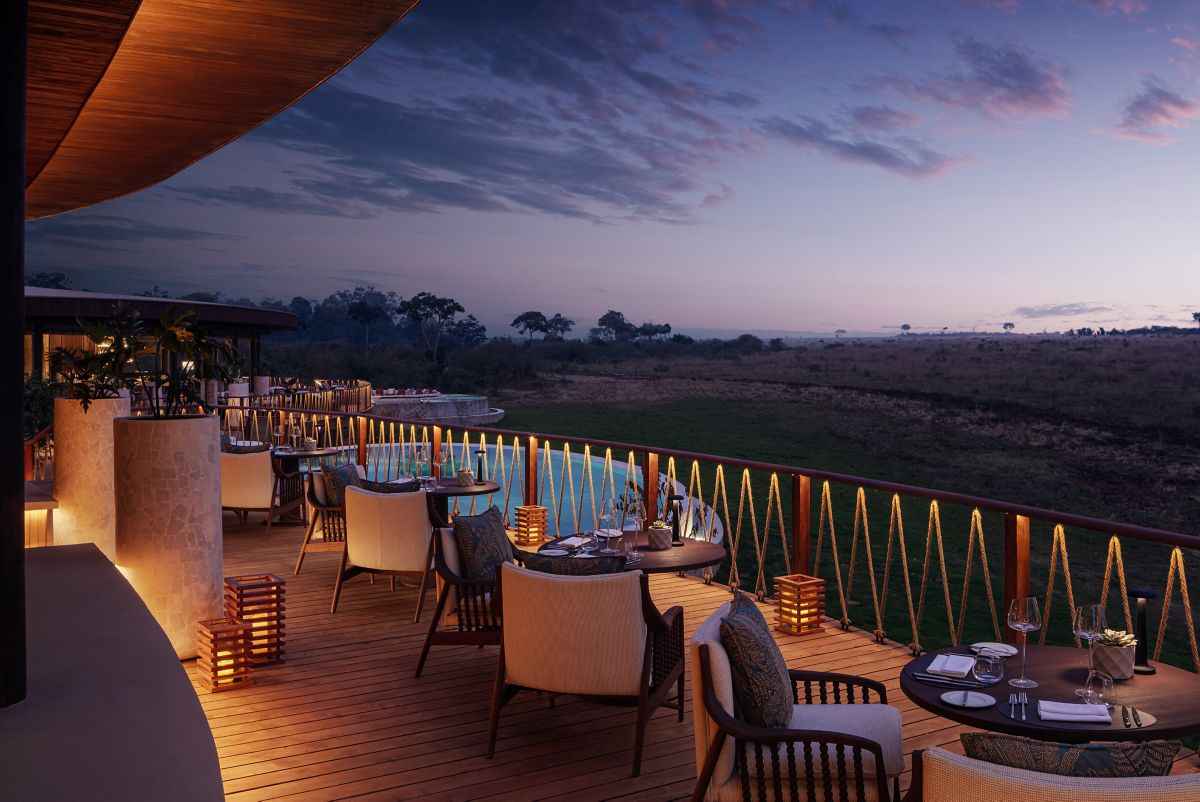
Six Masai Mara Conservancies to Know
There are many Masai Mara conservancies, each with its own character. Here are six of the best known.
1. Mara North Conservancy
Mara North lies along the north-western edge of the reserve, close to the Mara River and the Musiara area. It has rolling plains, riverine forest and excellent big cat populations, and herds of the Great Migration often spill into the conservancy in season. It is known for high-quality camps and strong community partnerships.
2. Olare Motorogi Conservancy
Olare Motorogi, on the northern boundary of the reserve, is famous for its very low vehicle density and exceptional predator sightings. Lions, leopards and cheetahs are frequently seen, and its strict limits on beds and vehicles create one of the most exclusive safari experiences in Kenya.
3. Mara Naboisho Conservancy
Naboisho is one of the larger Masai Mara conservancies, east of the reserve. It is known for big lion prides, good cheetah sightings and wide open plains, as well as walking safaris guided by experienced Maasai guides.
4. Ol Kinyei Conservancy
Ol Kinyei, in the east of the ecosystem, was one of the first conservancies created in the Mara. Its varied landscape of hills, valleys and plains offers beautiful scenery, quiet game drives and good chances of seeing big cats away from the crowds.
5. Lemek Conservancy
Lemek, north of Mara North, offers rolling hills, riverine woodland along the Mara River and a peaceful atmosphere. It is a lovely area for walking safaris and birdwatching.
6. Enonkishu Conservancy
Enonkishu, on the north-eastern edge of the ecosystem, is known for its pioneering work in combining wildlife conservation with sustainable cattle ranching. It offers a peaceful, educational safari experience with a strong focus on community and land management.
Activities in the Masai Mara Conservancies
The range of activities is one of the biggest reasons to choose the Masai Mara conservancies.
- Game drives in open vehicles, with the freedom to drive off-road to approach a sighting where the rules allow.
- Night drives with a spotlight to look for leopards, hyenas, aardvarks, porcupines, bushbabies and other nocturnal animals.
- Walking safaris with Maasai guides and armed rangers, focusing on tracks, plants, birds and smaller creatures.
- Hot air balloon flights at sunrise, with a champagne breakfast after landing. Read our guide to the Masai Mara hot air balloon safari.
- Bush breakfasts, lunches and dinners in scenic spots.
- Sundowners on a hilltop or by a river.
- Cultural visits to Maasai homesteads to learn about traditions, beadwork and daily life.
- Photography safaris in specially adapted vehicles, ideal for keen photographers. Our Kenya photography safari tips will help you prepare.
Wildlife and the Great Migration in the Masai Mara Conservancies
The Masai Mara conservancies are home to the full range of Mara wildlife. Resident lion prides, leopards, cheetahs, spotted hyenas, elephants, giraffes, buffalo, zebras, topi, eland and many antelope species live here all year round.
From around July to October, the Great Migration herds of wildebeest and zebra arrive from Tanzania. Many of them graze in the Masai Mara conservancies as well as in the reserve, and predators follow them closely. Our guides to the Great Migration cycle and 10 animals in the Masai Mara tell you what to look for.
The conservancies are also famous for their big cat stories. The Marsh Pride and the Tano Bora cheetahs both roamed areas in and around the conservancies.
Birdlife is excellent too, with more than 400 species recorded in the wider Mara, including secretary birds, Kori bustards, ground hornbills and many raptors.
When to Visit the Masai Mara Conservancies
The Masai Mara conservancies are rewarding all year round.
- July to October: the Great Migration season, with huge herds and intense predator action.
- January to February: a dry period with excellent game viewing, many young animals and fewer visitors.
- November and December: the short rains bring green landscapes and migrant birds.
- March to May: the long rains. Some camps close, but those that stay open offer quiet, lush scenery.
Our guide to the best time to visit the Masai Mara covers each month in detail.
How to Choose Between the Masai Mara Conservancies
With so many options, it helps to think about what matters most to you:
- For the migration, choose a conservancy close to the reserve and the Mara River, such as Mara North or Olare Motorogi.
- For walking safaris, look at Naboisho, Lemek or Ol Kinyei.
- For big cats, Olare Motorogi, Mara North and Naboisho are all excellent.
- For a peaceful, educational stay, Enonkishu and smaller conservancies offer insight into conservation and community life.
- For variety, combine two Masai Mara conservancies, or a conservancy and the reserve, in one trip.
Our guide to Masai Mara luxury camps and lodges includes many camps located in the conservancies, while our mid-range Masai Mara hotels guide covers options in and around the reserve.
A Day in the Masai Mara Conservancies
A typical day starts before dawn with coffee by the fire, followed by an early game drive as the predators finish their night's hunting. You might watch lions on a kill, cheetahs scanning the plains from a termite mound or elephants moving through the morning mist.
Back at camp, brunch is served with views of the plains, followed by a quiet midday rest. In the afternoon you could join a walking safari with a Maasai guide or head out for another drive, ending with sundowners. After dinner, a night drive reveals a completely different world of nocturnal animals.
Responsible Travel in the Conservancies
Choosing the Masai Mara conservancies is one of the most effective ways to support conservation through tourism. Your stay helps fund lease payments to landowners, ranger salaries and community projects. Respect the guidelines your guide follows at sightings, ask before photographing people and buy beadwork and crafts directly from local women's groups to support the community further.
A Short History of the Conservancy Model
The first conservancies in the Mara were created in the early 2000s, when landowners, conservationists and safari operators began looking for ways to keep the land open for wildlife while giving families a fair and reliable income. Before then, much of the land around the reserve was divided into individual plots, and fencing, farming and settlement were steadily closing off wildlife corridors.
By pooling their land and leasing it for low-impact tourism, Maasai families could keep their land, earn regular income and continue grazing livestock in a managed way. The idea spread quickly, and today the conservancy model is studied as one of Africa's most important conservation success stories. Kenya's national tourism board, Magical Kenya, features the wider Mara ecosystem as one of the country's flagship destinations.
Maasai Culture and Community Life
The Maasai are semi-nomadic pastoralists whose culture is closely tied to cattle, the land and the seasons. Many guides, rangers and camp staff are Maasai, and spending time with them adds great depth to a safari. You will learn how they read tracks, interpret animal behaviour and use plants for medicine and daily life.
Respectful village visits, arranged through your camp, give you the chance to see traditional homesteads, hear songs and learn about beadwork, which carries meaning through its colours and patterns. Many women's groups sell their beadwork directly to visitors, providing an important source of income.
Safety on Walks and Night Drives
Walking safaris and night drives are carefully managed. Walks are led by experienced guides, often accompanied by an armed ranger, and follow a strict briefing: walk in single file, stay quiet, follow hand signals and never run. Most walks take place in the cooler morning hours and focus on tracks, plants, birds and smaller animals rather than approaching large predators.
On night drives, spotlights with red filters are used to reduce disturbance to animals. Drives usually last one to two hours after dinner and reveal species rarely seen in daylight, from genets and civets to aardwolves and, if you are lucky, a leopard on the hunt.
Photography Tips
Fewer vehicles mean more freedom to position yourself for the best light and angle. Ask your guide to approach sightings with the sun behind you, and use the golden hours after sunrise and before sunset. A zoom lens between 100 and 400 millimetres covers most situations, while a wide-angle lens captures the sweeping landscapes and dramatic skies. A beanbag helps steady long lenses on the vehicle.
What to Pack
Pack neutral-coloured clothing in layers, as mornings and evenings are cool and middays are warm. Bring comfortable walking shoes for bush walks, a warm jacket for night drives, a hat, sunglasses, sunscreen, insect repellent and binoculars. Our Kenya safari packing list covers everything else.
Getting There
Most visitors fly from Nairobi's Wilson Airport to one of the airstrips serving the Masai Mara conservancies, a flight of about one hour. Your camp's guides meet you at the airstrip, and your safari begins on the drive to camp. It is also possible to travel by road from Nairobi, which takes a full day with stops along the Rift Valley.
Common Questions About the Masai Mara Conservancies
Can I see the migration from the conservancies? Yes. The herds often move through the conservancies, and many camps offer full-day trips into the reserve to look for river crossings.
Can I visit the conservancies on a day trip? Generally, no. Most Masai Mara conservancies are reserved for guests staying at camps within them, which is what keeps vehicle numbers low.
How many nights should I stay? Three nights is a good minimum, giving you time for morning and afternoon drives, a walk, a night drive and a relaxed bush meal. Four or more nights let you settle into the rhythm of the bush and combine two areas.
What is the accommodation like? Most camps are small and tented, with comfortable beds, private bathrooms and verandas overlooking the plains. Many run on solar power and are designed to leave a light footprint, so expect simple luxury rather than large hotels.
Is a conservancy safari good for first-timers? Absolutely. The small number of vehicles, expert guides and flexible activities make it an excellent introduction to safari, especially when combined with a day in the main reserve.
Are children allowed? Many camps welcome families, although some activities, such as walking safaris, have minimum ages.
Are the conservancies better than the reserve? They offer a different experience, with fewer vehicles and more activities. Many travellers combine both for the best of each.
Plan Your Stay in the Masai Mara Conservancies
The Masai Mara conservancies combine outstanding wildlife, exclusive experiences and real benefits for local communities. Our team can recommend the right conservancy and camp for your dates, interests and travel style.
- See our 3 Day Masai Mara Safari and 4 Day Wildebeest Migration Safari
- Read our Kenya honeymoon safari guide
- Browse all our Kenya safari packages
Ready for an exclusive Mara safari? Contact us for a free, tailor-made itinerary.