


The best time to visit Kenya depends on what you most want to see. If the Great Migration and its dramatic river crossings top your list, the long dry season from late June to October is hard to beat. If you prefer quieter parks, lush scenery and excellent birdwatching, the green months can be just as rewarding. Kenya is a year-round safari destination, and every season has something special to offer.
This month-by-month guide explains how Kenya's seasons work, what wildlife you can expect in each month, which parks shine at different times of year and when to head to the coast. By the end you will know exactly when to travel for the trip you have in mind.
In This Guide
- Understanding Kenya's Seasons
- The Best Time to Visit Kenya: The Short Answer
- Kenya Month by Month
- The Best Time to Visit Kenya's Top Parks
- When to Visit the Kenyan Coast
- Choosing by Interest
- Practical Tips for Every Season
- Plan Your Kenya Safari
Understanding Kenya's Seasons
Kenya sits on the equator, so it does not have a summer and winter in the way Europe or North America does. Temperatures stay fairly steady through the year, and the real difference between the seasons is rainfall. Altitude matters more than the calendar: the highlands around Nairobi and the Masai Mara are mild and can be cool at dawn, while the coast and the northern drylands stay hot.
Most of Kenya has two dry seasons and two rainy seasons:
- The long dry season runs from about late June to October. Grass is short, water is scarce and animals gather around rivers and waterholes, which makes them easier to find.
- The short rains usually arrive in November and can continue into early December. Showers tend to be brief, often in the afternoon or evening.
- The short dry season covers January and February, with warm, sunny days and good game viewing.
- The long rains fall from about March to May, with April and May normally the wettest months.
Rainfall patterns have become less predictable in recent years, so it is worth checking the outlook from the Kenya Meteorological Department closer to your travel dates. Even in the rainy months, though, mornings are often clear and sunny.
The Best Time to Visit Kenya: The Short Answer
For most first-time visitors, the best time to visit Kenya is during the long dry season, from late June to October. Wildlife viewing is at its most reliable, the weather is pleasant, and the Great Migration is usually in the Masai Mara from around July. January and February are an excellent second choice, with similar conditions and fewer vehicles in the parks.
The green season from March to May suits travellers who want peace and quiet, dramatic skies and beautiful light for photography. Some camps close for maintenance during the wettest weeks, and a few roads become muddy, but the parks are green, the animals are still there and you will often have sightings to yourself.
November and early December sit in between. The short rains freshen the landscape, migrant birds arrive from Europe and Asia, and the busy festive season has not yet started.
Kenya Month by Month
Use this calendar to match your dates to the experience you want. Remember that seasons shift slightly from year to year, so treat the months as a guide rather than a guarantee.
January
For many travellers, January is the best time to visit Kenya outside the migration season. The short rains have ended, the grass is green but not too long, and many animals have young. Days are warm and sunny across most of the country. It is also a lovely month for the coast, with calm seas and clear water for snorkelling and diving.
February
February is usually the hottest and driest month of the short dry season, and many guides consider it the best time to visit Kenya for relaxed game viewing. Game viewing is excellent in the Masai Mara, Amboseli, Samburu and Tsavo, and Mount Kilimanjaro is often clearly visible from Amboseli in the early morning. Because it falls outside the main holiday periods, February can feel pleasantly uncrowded.
March
The long rains often begin towards the end of March. The first half of the month can still be dry and very good for wildlife, and you may benefit from quieter lodges. As the rains arrive, the plains turn bright green and the dust settles.
April
April is normally the wettest month in much of Kenya. Heavy showers can make some tracks difficult, and a handful of camps close. Those who do travel enjoy dramatic storm skies, lush scenery and very few other visitors. It is an excellent month for birdwatching, and many herbivores give birth around this time.
May
Rains continue through May, although they usually start to ease towards the end of the month. The coast is at its wettest in May, so beach holidays are better planned for another time. For safari-goers who do not mind the occasional shower, the parks are beautiful and peaceful.
June
June marks the start of the long dry season. The landscape is still green after the rains, the air is clear and wildlife becomes easier to spot as vegetation thins. In some years the first migration herds begin to arrive in the Masai Mara late in the month, although July is more typical.
July
July is one of the most popular months to visit, and for migration lovers it is often the best time to visit Kenya. The Great Migration usually reaches the Masai Mara, bringing huge herds of wildebeest and zebra and the predators that follow them. Mornings and evenings in the highlands can be cool, so pack a warm layer. Book early, because lodges in the Mara fill quickly.
August
August is often considered the peak of the migration season. The herds spread across the Mara plains and river crossings on the Mara River are frequent, though never guaranteed. It is also the busiest month in the main parks, so a stay in a private conservancy can give you a more exclusive experience.
September
September offers many of the same highlights as August with slightly fewer visitors, which makes it the best time to visit Kenya for many experienced safari-goers. The herds are still in the Mara, crossings continue and the dry conditions make big cats easy to follow. It is also a superb month for Samburu, Tsavo and Amboseli, where animals concentrate around water.
October
October is the last full month of the long dry season. The migration herds usually begin to move back towards Tanzania during the month, and the grasslands become dry and golden. Predator sightings are often outstanding, and visitor numbers start to fall after the busy summer.
November
The short rains generally arrive in November. For birders and travellers on a quieter schedule, it can be the best time to visit Kenya. Showers are usually short, and the landscape quickly turns green again. Migrant birds arrive in large numbers, making it a rewarding month for birders. With fewer visitors in the parks, November can feel wonderfully calm.
December
Early December can still bring some showers, but conditions improve as the month goes on. The festive season from mid-December to early January is very popular with families, both on safari and at the coast, so book well ahead if you plan to travel over Christmas and New Year.
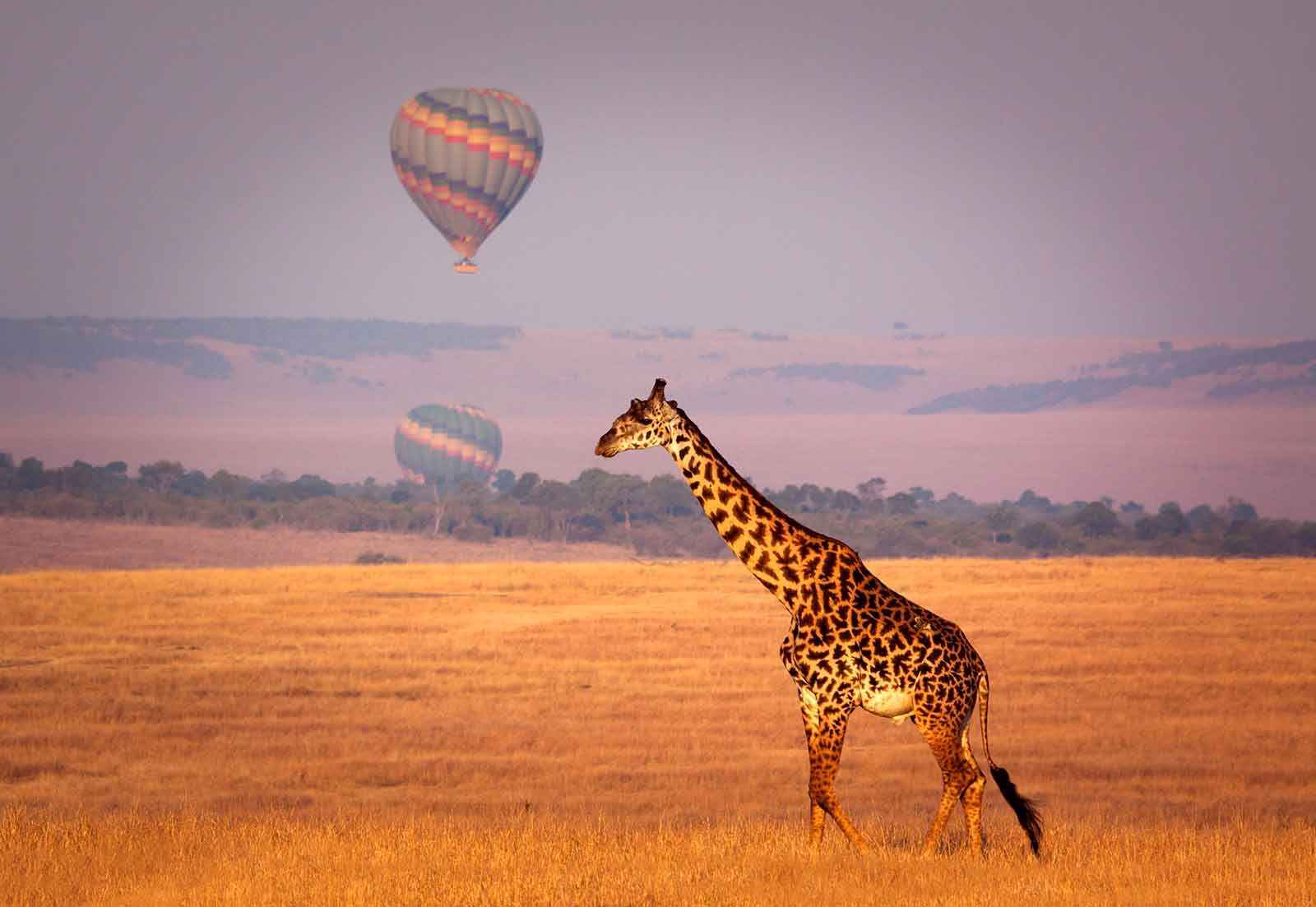
The Best Time to Visit Kenya's Top Parks
Each park has its own rhythm, so the best time to visit Kenya also depends on where you are going. Here is when the best-known destinations are at their most rewarding.
Masai Mara
The Mara is excellent all year thanks to its resident lions, cheetahs, leopards and elephants, but most visitors aim for July to October, when the migration is in the reserve. January and February are a great alternative with fewer vehicles. Our detailed guide to the best time to visit the Masai Mara covers every month in depth, and you can follow the herds through the year in our Great Migration cycle guide.
Amboseli
Amboseli is famous for its large elephant families and views of Mount Kilimanjaro. For this park, the best time to visit Kenya is during the dry seasons, from June to October and from January to February, which offer the best game viewing. Kilimanjaro is usually clearest in the early morning and late afternoon. Read more in our guide to attractions in Amboseli National Park.
Samburu
In northern Kenya, Samburu National Reserve is hot and dry for much of the year. During the dry seasons wildlife gathers along the Ewaso Ng'iro River, making sightings of elephants and the rare Special Five particularly reliable. Find out more in our Samburu National Reserve guide.
Tsavo East and Tsavo West
Tsavo's red-earth elephants are easiest to find in the dry seasons, when they gather at waterholes and along the Galana River. Tsavo also combines well with a beach holiday, as it lies between Nairobi and the coast. Our Tsavo National Park guide explains both parks.
Lake Nakuru and Lake Naivasha
The Rift Valley lakes can be visited at any time. Lake Nakuru is one of the best places in Kenya to see rhinos, while Lake Naivasha is perfect for boat rides among hippos. See our guides to flamingos at Lake Nakuru and Lake Naivasha.
Mount Kenya
If you plan to hike, the driest months on Mount Kenya are January to February and late June to September. Avoid the heaviest rains in April, May and November, when trails become wet and visibility drops. Our Mount Kenya hike guide explains the routes.
When to Visit the Kenyan Coast
The coast follows a slightly different pattern from the safari parks. It is hot and humid all year, and the best beach weather usually falls between December and March and again from July to October. The long rains are heaviest on the coast in April, May and June, when seas can be rougher and some resorts close.
If you want to combine wildlife and sand, the best time to visit Kenya is when the dry season inland overlaps with calm conditions at the coast: January, February and the period from July to October. Our guide to planning a Kenya safari and beach holiday shows how to link the two, and our round-up of the best beaches in coastal Kenya will help you choose where to relax.
Choosing the Best Time to Visit Kenya by Interest
Because every traveller is different, the best time to visit Kenya for one person may not suit another. It helps to think about your priorities rather than just the calendar.
For the Great Migration
Travel between July and October and spend at least three nights in the Masai Mara. Staying close to the Mara River gives you the best chance of seeing a crossing, but patience is key, as the herds can wait for hours or days before they jump.
For Big Cats
The dry months, especially August to October and January to February, are ideal. Short grass makes lions, cheetahs and leopards easier to see, and predators are active around the migration herds.
For Birdwatching
November to April is the best time for birders. Migrant species arrive from Europe and Asia, resident birds are in breeding plumage and the lakes of the Rift Valley are full of life.
For Photography
The green season offers dramatic clouds, clean air and vivid colours, while the dry season gives golden light and dust-filled sunsets. Both are wonderful; it depends on the mood you want. Our Kenya photography safari tips will help you make the most of either.
For Value and Quiet Parks
If you would rather share sightings with fewer vehicles, the best time to visit Kenya is during the shoulder and green seasons: March, early June, November and early December. Lodges are calmer, guides have more time to linger at sightings and the landscape is at its most photogenic. Many camps also offer more flexible room choices outside the peak months.
The key is to stay flexible. Plan longer game drives in the mornings, when the weather is usually clearest, and allow a little extra time for travel between parks in case of muddy roads.
The Best Time to Visit Kenya and Tanzania Together
Kenya and Tanzania share the Serengeti-Mara ecosystem, so many travellers combine both countries in one trip. If you want to see the migration in both, the best time to visit Kenya is from July to October, while the southern Serengeti is at its best during the calving season from about January to March.
A combined trip in June or October can catch the herds as they move between the two countries. Our guide to Kenya vs Tanzania safaris compares the two, and our Tanzania seasonal calendar covers the Tanzanian side month by month.
For Families
School holidays in July, August and December are popular for family safaris. Book early, choose family-friendly lodges and keep game drives short for younger children.
For Honeymooners
Couples often prefer the quieter months of January, February, June and October, when lodges feel more private. Our Kenya honeymoon safari guide is packed with ideas.
Practical Tips for Every Season
Whatever the best time to visit Kenya turns out to be for you, a little preparation makes every season easier.
- Book early for peak months. July to October and the festive season fill up months in advance, especially in the Masai Mara.
- Pack layers. Early-morning game drives can be cold, even in the hottest months, while afternoons can be very warm.
- Bring rain gear in the wet season. A light waterproof jacket is enough for most showers.
- Arrange your travel documents. Most visitors need an Electronic Travel Authorisation, which you can apply for on the official Kenya eTA website. Our guide to the Kenya visa for tourists explains each step.
- Check health advice. Speak to a travel clinic about vaccinations and malaria prevention before you go.
- Use our packing guide. Our Kenya safari packing list covers clothing and gear for every season.
For official information about the national parks and reserves, visit the Kenya Wildlife Service, and for inspiration on regions across the country, the national tourism site Magical Kenya is a great resource.
Common Questions About the Best Time to Visit Kenya
Is Kenya worth visiting in the rainy season? Yes. Rain usually falls in short bursts, the landscape is at its greenest and the parks are quiet. Some camps close in April and May, so choose your lodges carefully.
When is the Great Migration in Kenya? The herds are usually in the Masai Mara from about July to October, although timing changes from year to year with the rains.
What is the hottest month in Kenya? February and March tend to be the hottest months in most regions, especially at the coast and in the northern drylands.
Can I visit Kenya in December? Absolutely. December is a popular month for both safaris and beach holidays, especially over the festive season. Book early for the best choice of lodges.
Plan Your Kenya Safari
Now that you know the best time to visit Kenya for your interests, the next step is choosing an itinerary. These trips are a great place to start:
- 3 Day Masai Mara Safari for a short, wildlife-packed break
- 4 Day Wildebeest Migration Safari for the July to October migration season
- 6 Day Amboseli, Nakuru and Masai Mara Safari for a classic Kenya circuit
- 6 Day Samburu, Nakuru and Masai Mara Safari to include the north
Browse all our Kenya safari packages, read the complete Kenya safari planning guide, or contact us and our team will recommend the perfect dates for your trip.