

Tsavo National Park: Ultimate Guide
Tsavo National Park is one of the largest and most varied wilderness areas in Kenya. It is split into two parks, Tsavo East and Tsavo West, which together cover more than 22,000 square kilometres of savannah, volcanic hills, springs and rivers. It is a top choice for visitors who want big landscapes, big elephant herds and far fewer vehicles than the busier parks.
This guide covers both sides of Tsavo National Park, including the wildlife, the main attractions, the story of the Tsavo man-eaters, how to get there and when to go. If you want help planning, see our wildlife safari packages.
Tsavo East National Park
Tsavo East covers about 13,700 square kilometres and is known for its wide, flat savannah and open grassland. It is the drier and more open half of Tsavo National Park, which makes wildlife easy to spot across the plains.
Main attractions in Tsavo East:
- Red elephants: Herds are coated in the red dust of the local soil, which makes for dramatic photos.
- Wildlife: Lions, leopards, buffalo, hippos and rare species such as the gerenuk, a long-necked antelope that feeds standing on its hind legs.
- Mudanda Rock: A long rock outcrop that overlooks a waterhole. It is a favourite spot to watch elephants drink and bathe.
- Lugard Falls: Rapids and rock pools along the Galana River.
- Yatta Plateau: Often described as the world’s longest lava flow, it runs along the edge of the park.
- Birds: More than 500 species, including the Somali ostrich and the golden-breasted starling.
Tsavo West National Park
Tsavo West is greener, hillier and more rugged. Its habitats include acacia woodland, riverine forest, rocky ridges and volcanic landscapes. It is the more scenic half of Tsavo National Park and is closer to Nairobi.
Main attractions in Tsavo West:
- Mzima Springs: Crystal-clear water filters through volcanic rock and feeds pools full of hippos, crocodiles and fish. An underwater viewing chamber lets you watch hippos from below.
- Ngulia Rhino Sanctuary: A protected area dedicated to the conservation of the endangered black rhino.
- Shetani Lava Flow and Chaimu Crater: Dark volcanic formations that make an unusual walking stop.
- Poacher’s Lookout: A viewpoint above the plains, popular at sunset.
- Birds: More than 500 species have been recorded, so it is excellent for bird watching.
The Man-Eaters of Tsavo
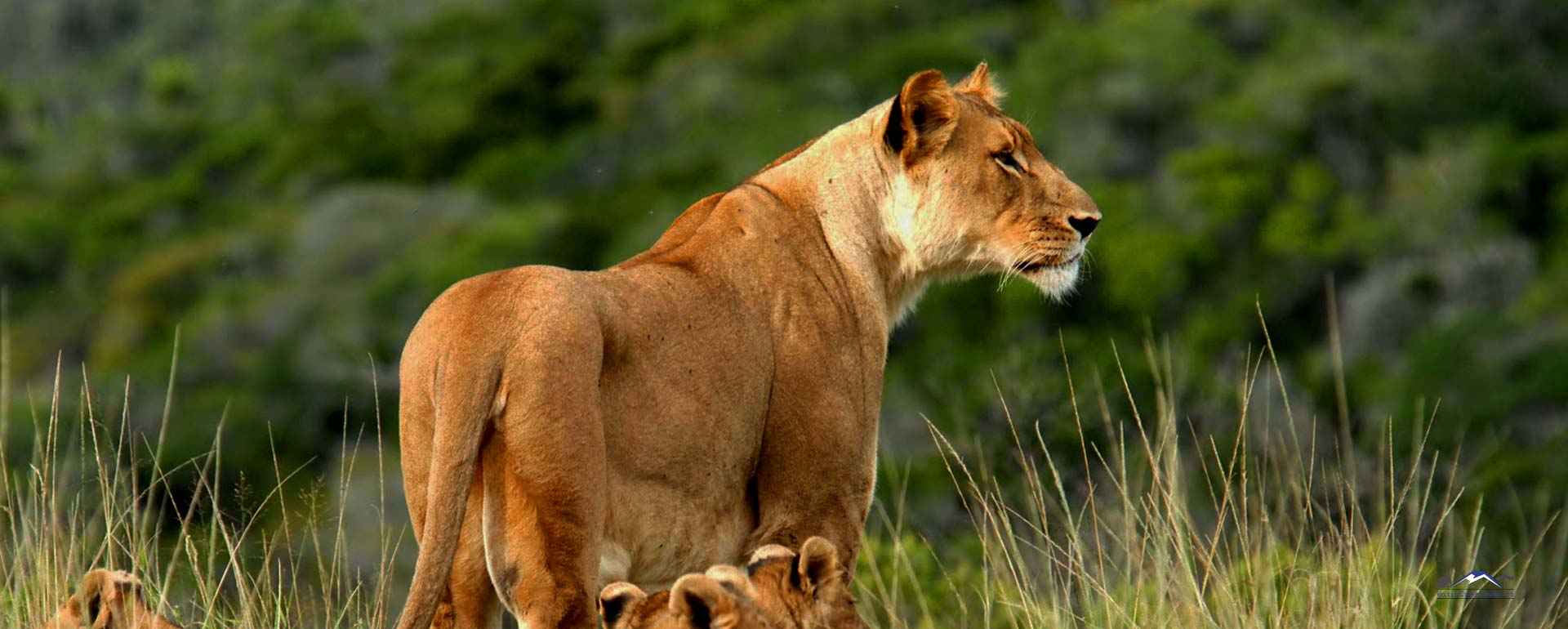
Tsavo National Park is also known for a famous piece of history. In 1898, two male lions repeatedly attacked workers building the Kenya-Uganda railway bridge over the Tsavo River. Construction was disrupted for months before the lions were finally shot. The story has been retold in books and films, and it is part of the reason many visitors are curious about the area.
Male lions in Tsavo often have little or no mane, and this trait is a talking point for many guests. It is a good reason to take a guided drive with an experienced guide who can tell the story as you explore.
Wildlife and Conservation in Tsavo National Park
Tsavo National Park holds one of Kenya’s largest elephant populations, along with lions, leopards, cheetahs, buffalo, giraffes, zebras, hippos and many antelope species. Conservation is a daily challenge here, as poaching and habitat loss threaten many animals. The Kenya Wildlife Service, along with local partners, runs anti-poaching patrols, rhino protection and community programmes that support people living near the park.
Things to Do in Tsavo National Park
- Game drives: The main activity, best in the early morning and late afternoon.
- Guided walks: Available in selected areas with an armed ranger, such as around Mzima Springs.
- Bird watching: Particularly rewarding between October and April, when migratory birds are present.
- Photography: Open landscapes, red elephants and dramatic skies make Tsavo National Park a photographer’s favourite.
- Cultural visits: Meet local communities and learn about how people live alongside wildlife.
Best Time to Visit Tsavo National Park
The best time to visit Tsavo National Park is during the dry seasons, from January to February and from June to October. Vegetation is thinner, water is scarce, and animals gather at waterholes and rivers. The rainy months bring green landscapes, fewer visitors and lower lodge rates, although some roads can be difficult.
How to Get to Tsavo National Park
Tsavo National Park lies between Nairobi and Mombasa, so it is easy to include in a longer trip.
- From Nairobi: Tsavo West is about 240 km away, and Tsavo East is about 330 km. Allow roughly 4 to 6 hours by road, or take a scheduled or charter flight to an airstrip.
- From Mombasa: The Voi gate of Tsavo East is a drive of around 2 to 3 hours, which makes Tsavo easy to combine with a beach stay. See our beach holiday packages.
Where to Stay in Tsavo National Park
Accommodation ranges from luxury lodges and tented camps to simple campsites, so there is something for every budget. Many lodges have waterholes in front of them, so you can watch wildlife from your terrace.
Tsavo National Park Entry Fees
Entry fees depend on whether you are a citizen, resident or non-resident, and on age. Children pay lower rates than adults. Because the Kenya Wildlife Service updates its fees from time to time, check the current rates on the official KWS website before you travel. If you book with Yulle Adventures, park fees are included in your quote.
Why Visit Tsavo National Park?
With its history, landscapes and wildlife, Tsavo National Park offers a safari that feels wild and uncrowded. Whether you want to see red elephants on the plains of Tsavo East or swim-clear springs in Tsavo West, this is a destination that rewards every kind of traveller.
Ready to explore? Browse our wildlife safari packages or contact Yulle Adventures for a free, tailor-made quote.