

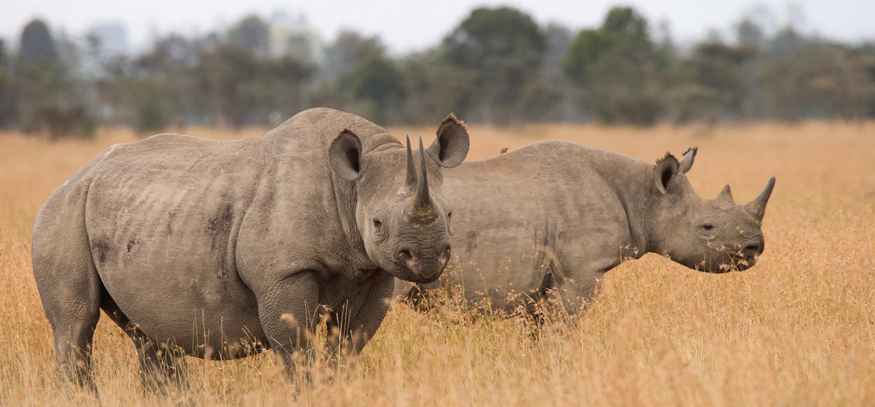
Ol Pejeta Conservancy: Rhino Haven
Ol Pejeta Conservancy in Kenya’s Laikipia County is one of the most inspiring wildlife destinations in East Africa. Covering about 90,000 acres at the foot of Mount Kenya, it is the largest black rhino sanctuary in East Africa and the home of the last northern white rhinos on Earth. It also shows how wildlife protection, community development and sustainable farming can work together.
In this guide you will learn the history of Ol Pejeta Conservancy, its conservation work, what to do there, the best time to visit and how to get there. If you want a ready-made trip, see our Kenya safari packages.
What Does Ol Pejeta Mean?
The name Ol Pejeta is said to mean “place of burning”. Pastoralist communities are believed to have named the area after their practice of burning the grass to kill ticks. It is a reminder that people have lived alongside this land for generations.
History of Ol Pejeta Conservancy
Ol Pejeta began as a cattle ranch in the 1940s. As poaching reduced wildlife in the region, the land was bought in the early 2000s by Fauna & Flora International, with funding from the Arcus Foundation, and turned into a conservancy. The goal was to protect endangered species, restore the ecosystem and bring economic benefits to neighbouring communities.
Today, Ol Pejeta Conservancy is a not-for-profit organisation. Tourism income, together with some cattle ranching, pays for the work of protecting wildlife and supporting local people.
Conservation at Ol Pejeta Conservancy
The Last Northern White Rhinos
Ol Pejeta Conservancy is home to the last two northern white rhinos in the world, both females, who are protected around the clock by armed rangers. Scientists are working on assisted reproduction techniques in an effort to save the subspecies. Seeing them is a moving and humbling experience.
Black Rhinos and Big Five
The conservancy has a thriving population of black rhinos, one of the largest in Kenya, as well as southern white rhinos. You can also see lions, leopards, elephants and buffalo, so Ol Pejeta Conservancy offers all of the Big Five. Giraffes, zebras, Grevy’s zebras, cheetahs, hyenas and more than 100 bird species add to the variety.
Sweetwaters Chimpanzee Sanctuary
Ol Pejeta Conservancy also has the only chimpanzee sanctuary in Kenya. Sweetwaters cares for chimpanzees rescued from the illegal wildlife trade and from poor conditions elsewhere in Africa. Visitors can watch them from viewing areas and learn about their rehabilitation.
Community and Sustainable Agriculture
The conservancy works closely with surrounding communities, supporting education, health and income projects. It also practises sustainable livestock management, which shows that cattle and wildlife can share the same land.
Things to Do at Ol Pejeta Conservancy
- Game drives: Morning and afternoon drives are the main activity, and are best at sunrise and sunset when animals are most active.
- Night game drives: Guided evening drives offer a chance to see nocturnal species such as bush babies, aardvark and hyenas.
- Guided bush walks: Walk with an armed ranger to learn about smaller creatures and plants.
- Lion tracking: Follow rangers as they track the conservancy’s lions.
- Horse riding: Ride among zebras, giraffes and antelope on selected routes.
- Visit the chimpanzee sanctuary: Learn about the work of rehabilitating rescued primates.
Accommodation ranges from luxury tented camps and lodges to private campsites, so there is something for every budget. Entry fees go directly to conservation work.
Best Time to Visit Ol Pejeta Conservancy
The best time to visit Ol Pejeta Conservancy is during the dry seasons, from June to September and from December to February. Animals gather around water sources, the grass is shorter and game viewing is easier. April and November are the wettest months, when heavy rain can affect visibility and road conditions.
Whatever month you choose, early morning and late afternoon are the best times of day for game drives. Animals are more active in the cooler hours, and the light is ideal for photography.
How to Get to Ol Pejeta Conservancy
Ol Pejeta Conservancy is easy to reach from Nairobi, whether you fly or drive.
By Air
- Fly from Wilson Airport in Nairobi to Nanyuki Airstrip. Scheduled airlines such as Safarilink and Air Kenya operate this route, and the flight takes about 45 minutes.
- Transfer to the conservancy. From the airstrip, it is about a 45-minute drive to Ol Pejeta Conservancy.
By Road
The conservancy is roughly 200 km (about 124 miles) from Nairobi. The drive takes 3 to 4 hours, depending on traffic, and most of the route is on tarmac. The last stretch is on a dirt road, so expect a slightly bumpy ride. Ol Pejeta Conservancy also combines easily with other Kenya safari destinations, such as Samburu and the Masai Mara.
Ol Pejeta Conservancy Entry Fees
Fees depend on whether you are a citizen, resident or non-resident, and on age. Children pay a lower rate than adults. Because prices change and booking rules are updated from time to time, check the current rates on the official Ol Pejeta Conservancy website before you travel. Advance booking is recommended, particularly in peak season. If you book through Yulle Adventures, we will include fees in your quote.
Why Visit Ol Pejeta Conservancy?
Ol Pejeta Conservancy is a model for how conservation can protect endangered species while helping the people who live nearby. A visit here gives you close encounters with rhinos, chimpanzees and the Big Five, and your fees help to keep them safe for future generations.
Ready to go? Browse our wildlife safari packages or contact Yulle Adventures for a free, tailor-made quote.