

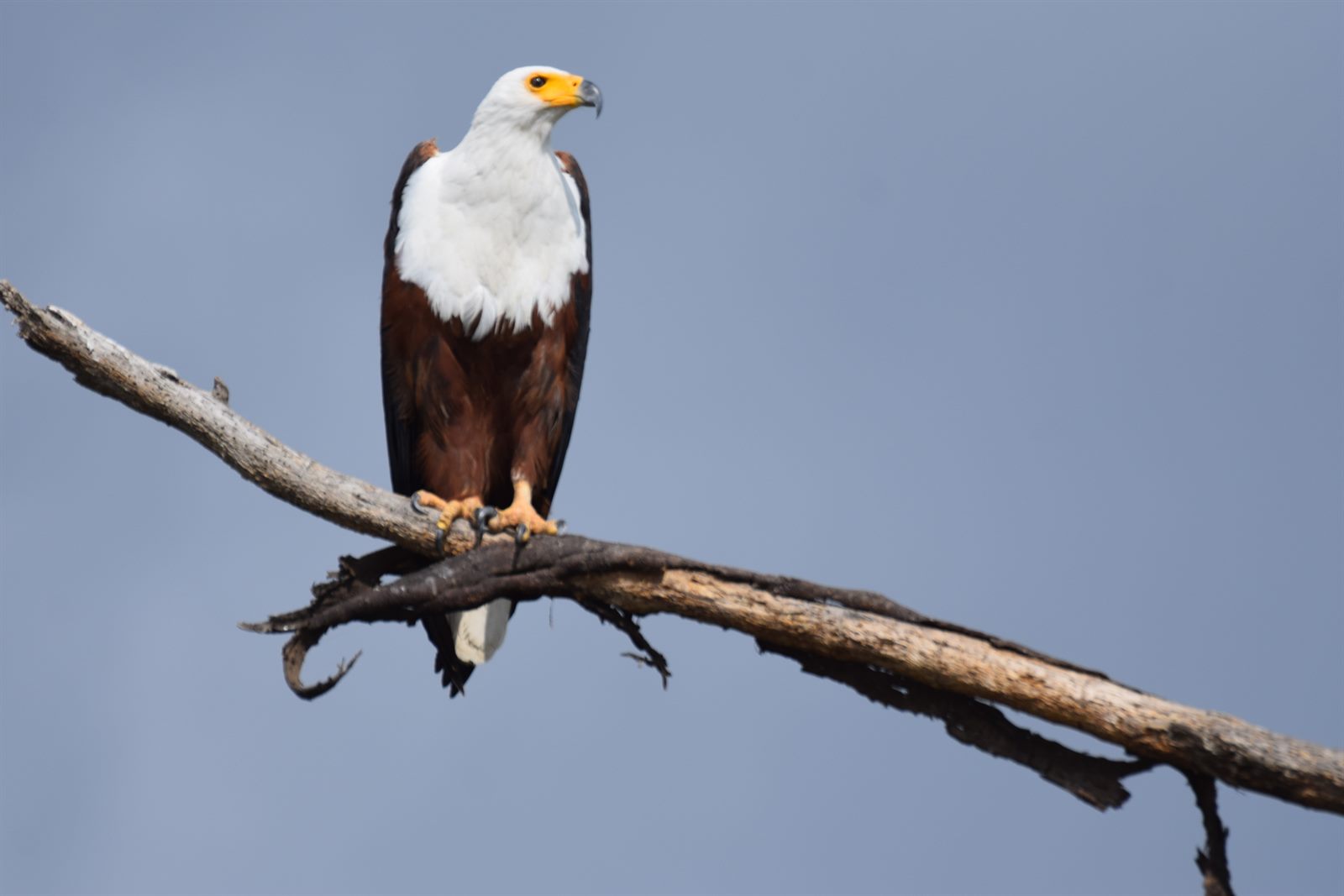
Birdwatching in Kenya is among the best in the world. More than 1,100 bird species have been recorded in the country, from flamingos on the Rift Valley lakes to turacos in the western rainforest, eagles over the savannah and rare endemics in coastal forests. Few countries pack so many habitats, and so many birds, into such a small area.
Whether you are a dedicated lister or simply love watching colourful birds on safari, this guide covers ten amazing places for birders, the best seasons, the species to look for, practical tips and how to combine birdwatching in Kenya with a classic wildlife safari.
In This Guide
- Why Kenya Is a Birding Paradise
- 10 Amazing Places for Birders
- Best Seasons for Birding
- Species to Look For
- Practical Birding Tips
- Responsible Birding
- Combine Birding With a Safari
- Frequently Asked Questions
Why Kenya Is a Birding Paradise
The secret behind such rich birdwatching in Kenya is variety. Within a few hours' drive you can move from hot coastal forest to cool highland moorland, from soda lakes in the Rift Valley to the open grasslands of the Masai Mara and the dry bush of the north. Each habitat has its own birds, and many species are found nowhere else.
Kenya also lies on a major migration route. Every year, millions of birds arrive from Europe and Asia to spend the northern winter here, joining the resident species. Add excellent local guides, a strong birding culture and the chance to see big game at the same time, and it is easy to see why so many birders return again and again.
Conservation organisations such as Nature Kenya, the East Africa Natural History Society, run bird walks, monitoring projects and citizen science programmes that welcome visitors and help protect important bird habitats across the country.
10 Amazing Places for Birdwatching in Kenya
These ten destinations offer the very best birdwatching in Kenya, covering every major habitat and many of the country's most sought-after species.
1. Lake Naivasha
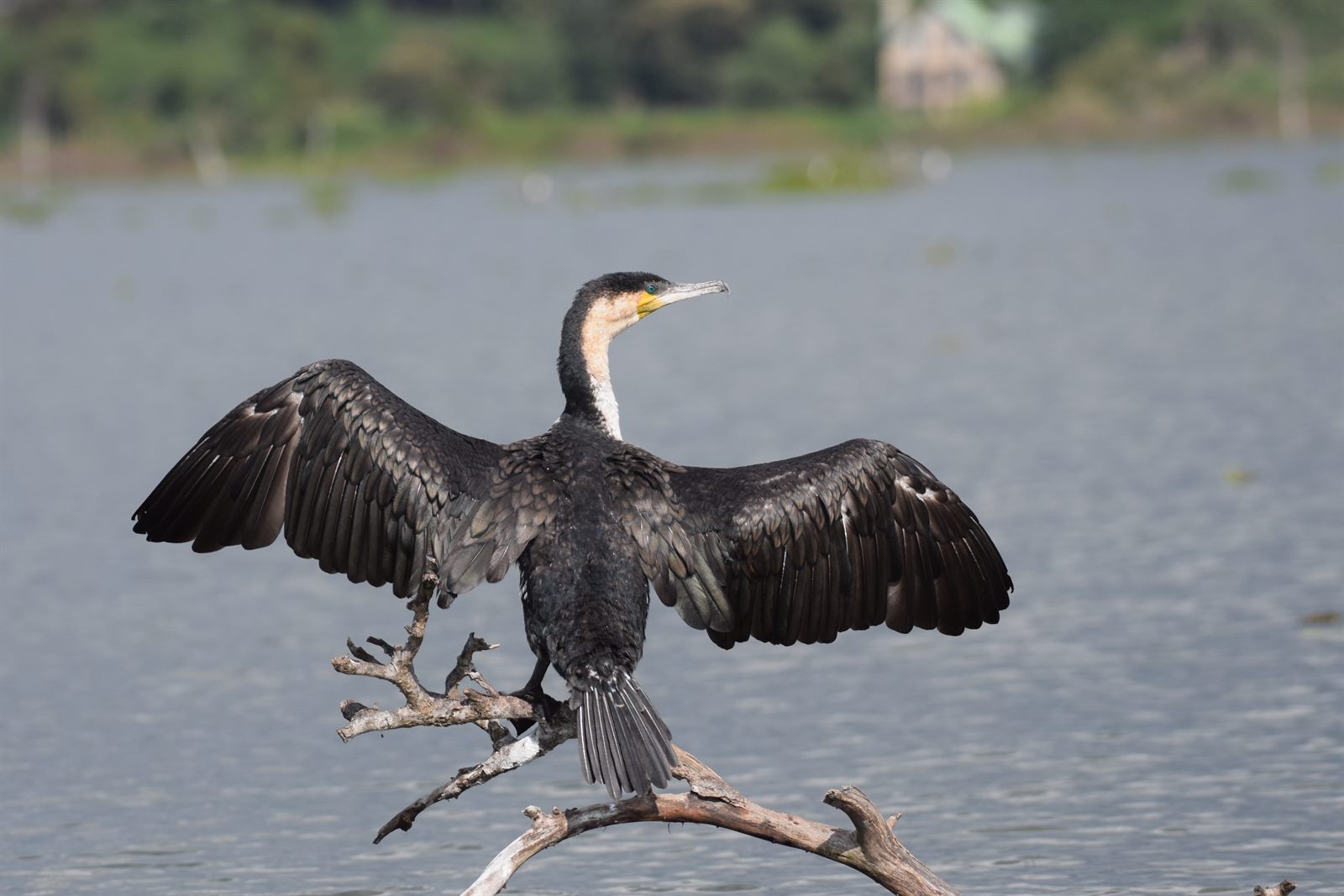
Lake Naivasha is a freshwater lake in the Rift Valley, surrounded by fever trees and papyrus swamps. A boat trip on the lake is one of the easiest and most enjoyable ways to start birdwatching in Kenya. African fish eagles call from the treetops, pied and malachite kingfishers dive for fish, and herons, cormorants, jacanas and storks feed along the shore. A walk on Crescent Island adds grassland birds and the chance to stroll among giraffes and zebras. Read our guide to Lake Naivasha.
2. Lake Nakuru National Park
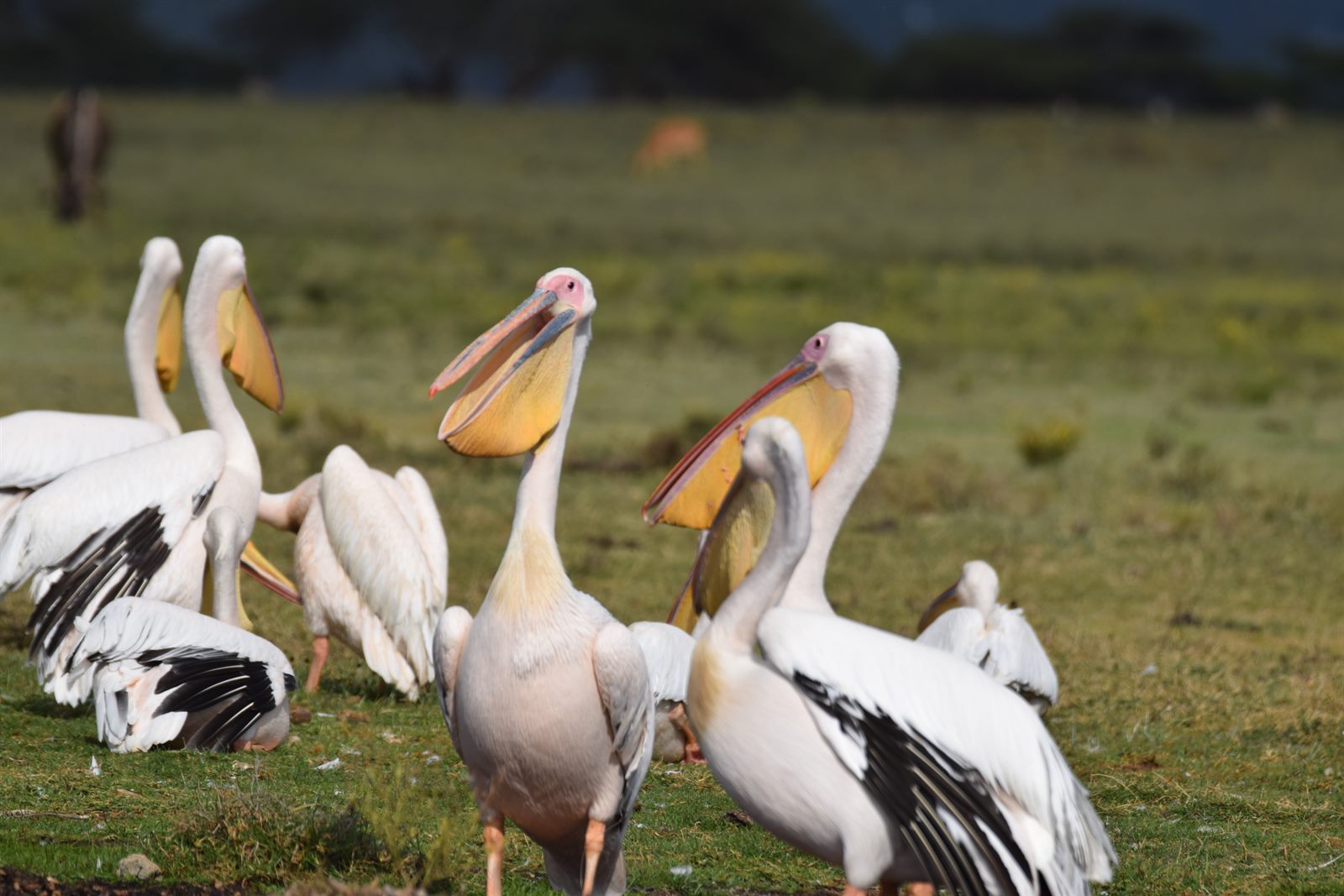
Lake Nakuru is famous for its flamingos and great white pelicans, which gather in large numbers depending on water levels. More than 450 species have been recorded in the park, including many raptors, waterbirds and woodland birds. It is also an excellent place to see rhinos, so it combines birding and big game beautifully. See our guide to flamingos in Lake Nakuru National Park.
3. Lake Baringo
Lake Baringo is a legend among birders. Its freshwater lake, cliffs and dry acacia bush host an exceptional number of species in a small area. Local guides are known for finding roosting owls and nightjars, including Verreaux's eagle-owl and the slender-tailed nightjar, as well as Jackson's hornbill, the northern red bishop and many weavers. Early morning boat rides bring close views of fish eagles and herons. For many visitors, Baringo is the highlight of birdwatching in Kenya.
4. Lake Bogoria
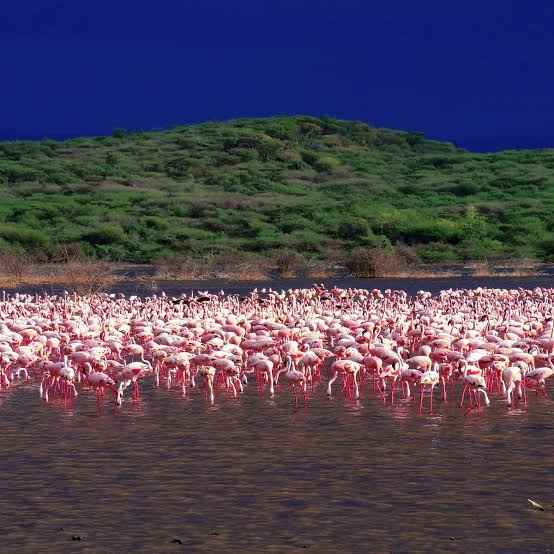
Just south of Baringo, Lake Bogoria is a soda lake known for its hot springs, geysers and, at times, enormous flocks of lesser flamingos. When conditions are right, the shoreline turns pink with birds feeding on algae. Read about this steaming jewel in our Lake Bogoria guide.
5. Kakamega Forest
Kakamega Forest in western Kenya is the country's only remaining fragment of the Guineo-Congolian rainforest that once stretched across Central Africa. As a result, it holds many birds found nowhere else in Kenya, such as the great blue turaco, blue-headed bee-eater, Turner's eremomela and a variety of greenbuls, barbets and hornbills. Guided forest walks at dawn are the best way to explore, and the forest is also home to monkeys, butterflies and orchids.
6. Arabuko Sokoke Forest
On the coast near Watamu, Arabuko Sokoke is the largest remaining coastal forest in East Africa and one of the most important sites for birdwatching in Kenya. It is home to rare species including the Sokoke scops owl, Clarke's weaver, which is found only in this area, the Amani sunbird and the Sokoke pipit. Nearby Mida Creek attracts waders such as crab plovers and many migrant shorebirds. Read our guide to Arabuko Sokoke Forest.
7. Masai Mara National Reserve
The Masai Mara is best known for big cats and the Great Migration, but it is also excellent for birds, with more than 450 species recorded. Look for the secretary bird striding through the grass, southern ground hornbills, Denham's bustard, lilac-breasted rollers and many vultures and eagles following the herds. Read our Masai Mara safari guide.
8. Samburu National Reserve
In Kenya's dry north, Samburu offers species that are hard to find elsewhere, including the vulturine guineafowl with its brilliant cobalt plumage, the Somali ostrich, golden-breasted starling, and several larks, sandgrouse and hornbills. The Ewaso Ng'iro River attracts kingfishers and herons, and the reserve is also famous for the Samburu Special Five mammals. See our Samburu guide.
9. Nairobi National Park
Just minutes from the city centre, Nairobi National Park has recorded more than 500 bird species, making it one of the most convenient places for birdwatching in Kenya. Wetlands, grasslands and forest attract everything from ostriches and secretary birds to sunbirds, weavers and migrant warblers. It is perfect for a morning outing at the start or end of your trip. Read our Nairobi National Park guide.
10. The Central Highlands: Mount Kenya and the Aberdares
The forests and moorlands of Mount Kenya and the Aberdare Range host highland specialities such as Jackson's francolin, Hartlaub's turaco, the scarlet-tufted sunbird and the Aberdare cisticola, found only in Kenya. Cool mornings, misty forests and giant lobelias make this a memorable contrast to the lowlands. Read our guide to Aberdare National Park.
More Great Birding Spots
Beyond the top ten, many other places offer excellent birdwatching in Kenya:
- Tsavo East and Tsavo West, with dry-country birds and huge numbers of migrants in season. See our Tsavo guide.
- Meru National Park, where rivers and dry bush attract more than 400 species. Read our Meru National Park guide.
- Hell's Gate National Park, whose cliffs are home to raptors such as Verreaux's eagles and Rüppell's vultures. See our Hell's Gate guide.
- Amboseli National Park, with swamps full of waterbirds below Kilimanjaro.
- The Tana River Delta, a vast wetland on the coast with waterbirds and migrants.
Best Seasons for Birdwatching in Kenya
Birding is good all year, but the seasons bring different experiences.
- November to April: the peak season for birdwatching in Kenya. Migrants from Europe and Asia are present, and many resident birds are in breeding plumage after the short rains. This is the best time for the biggest species lists.
- March to May: the long rains. Birds are active and colourful, landscapes are green and there are fewer visitors, though some roads become muddy.
- June to October: the dry season, ideal for combining birding with big game viewing and the Great Migration in the Masai Mara.
For more detail on the weather and wildlife throughout the year, see our guide to the best time to visit Kenya month by month.
Species to Look For
Every birder has a wish list, and birdwatching in Kenya offers plenty of spectacular species. Here are some favourites:
- Lilac-breasted roller: a dazzling mix of lilac, turquoise and green, often perched on dead branches.
- African fish eagle: its ringing call is one of the classic sounds of Africa.
- Grey crowned crane: an elegant bird with a golden crown, found in wetlands and grasslands.
- Superb starling: a common but beautiful bird with glossy blue and orange plumage.
- Secretary bird: a long-legged raptor that hunts snakes on foot.
- Kori bustard: one of the heaviest flying birds in the world.
- Great blue turaco: a large, colourful forest bird found in Kakamega.
- Vulturine guineafowl: a striking bird of the dry north.
- Lesser and greater flamingos: the pink spectacle of the Rift Valley lakes.
- Hartlaub's turaco: a highland forest bird with brilliant red wings in flight.
Many of these species are of conservation concern. You can learn more about their status from BirdLife International, which works with Nature Kenya to protect Important Bird and Biodiversity Areas across the country.
The variety of bird families is equally impressive. On a single trip you may see sunbirds, weavers, bee-eaters, kingfishers, barbets, hornbills, bustards, larks, sandgrouse, eagles, vultures, herons, storks, ibises and many more. Learning to recognise families first, before trying to identify individual species, is a helpful way to make sense of so much variety.
Kenya's Special and Endemic Birds
For keen listers, one of the biggest attractions of birdwatching in Kenya is the chance to see species with very small ranges. A few are found only in Kenya, while others are shared with just one or two neighbouring countries.
- Clarke's weaver: a bright yellow-and-black weaver known only from the Arabuko Sokoke area and nearby forests.
- Aberdare cisticola: a small, streaky bird of the high grasslands of the Aberdares and Mount Kenya.
- Sharpe's longclaw: a grassland bird of the central highlands, threatened by the loss of its habitat to farming.
- Hinde's babbler: a shy, noisy babbler of thickets in central Kenya.
- Taita thrush and Taita apalis: rare forest birds of the Taita Hills in the south-east, among the most threatened birds in Africa.
- Sokoke scops owl: a tiny owl of the coastal forests, best found at night with a local guide.
Seeing these birds usually requires a visit to specific sites with an experienced guide, so let us know if they are on your wish list and we will build them into your route.
Birding for Families and Beginners
You do not need to be an expert to enjoy birdwatching in Kenya. Children often love spotting bright rollers, noisy hornbills and weaverbirds building their hanging nests, and a simple checklist turns every game drive into a game. Boat trips on Lake Naivasha and Lake Baringo are especially good for families, because the birds are large, close and easy to see.
Many lodges and camps keep bird books and checklists for guests, and some offer short guided walks around their grounds in the early morning. Starting with a pair of binoculars and a few common species is all it takes, and many travellers find that birdwatching in Kenya becomes one of the most enjoyable parts of their safari.
Practical Birding Tips
- Hire a specialist bird guide. Local experts know calls, nesting sites and roosts, and greatly increase the number of species you see.
- Bring good binoculars. An 8x42 or 10x42 pair is ideal for most situations.
- Carry a field guide. A regional guide to the birds of East Africa, or a bird app with offline content, helps with identification.
- Start early. Birds are most active in the first few hours after sunrise and again in the late afternoon.
- Dress in muted colours such as green, khaki and brown, especially for forest walks.
- Use a camera with a long lens of at least 400 mm for bird photography.
- Keep a list. Recording sightings each day adds to the fun and helps citizen science projects.
- Be patient and quiet. Waiting at a waterhole or forest edge often brings the best sightings.
Our Kenya photography safari tips include advice that is just as useful for photographing birds.
Responsible Birding
Responsible birdwatching in Kenya protects the birds and habitats that make the country so special. Keep a respectful distance from nests and roosting birds, avoid using playback calls excessively, especially during the breeding season, and never leave a vehicle in a national park except at designated places or with a ranger. Stay on paths during forest walks and support local guides and community conservation projects wherever possible.
Many community groups around Kakamega, Arabuko Sokoke and Lake Baringo rely on birding tourism for income, which in turn gives local people a reason to protect forests and wetlands. Choosing a local guide is one of the simplest and most meaningful ways to help.
Combine Birding With a Safari
One of the great advantages of birdwatching in Kenya is that it fits naturally into a wildlife safari. Many of the best birding sites are also top destinations for big game, so you can enjoy lions, elephants and rhinos alongside rollers, eagles and flamingos.
- Our 7 Day Amboseli, Lake Naivasha, Lake Nakuru and Masai Mara Safari covers four excellent birding destinations.
- The 6 Day Samburu, Nakuru and Masai Mara Safari adds dry-country species from the north.
- Extend your trip to the coast for Arabuko Sokoke and Mida Creek, then relax on the beach with our Kenya safari and beach holiday guide.
We can also design a dedicated birding itinerary with specialist guides, longer stays at key sites and flexible timings for early starts.
A Sample Birding Route
A classic two-week birding route might begin with a morning in Nairobi National Park before heading into the Rift Valley for boat trips on Lake Naivasha and the flamingos and pelicans of Lake Nakuru. From there, continue north to Lake Bogoria and Lake Baringo for owls, hornbills and nightjars, then travel west to Kakamega Forest for turacos and rainforest specialities.
Return through the central highlands for montane species on Mount Kenya or in the Aberdares, then head north to Samburu for dry-country birds. Finish with a few days in the Masai Mara for raptors, bustards and big game, or fly to the coast for Arabuko Sokoke and Mida Creek. Each stage brings new habitats and dozens of new species.
Frequently Asked Questions
How many bird species are there in Kenya? More than 1,100 species have been recorded, making Kenya one of the richest birding countries in Africa.
What is the best month for birdwatching in Kenya? November to April is best, when migrants are present and many birds are in breeding plumage, but birding is rewarding all year.
Where is the best place for birdwatching in Kenya? Lake Baringo, Kakamega Forest, Arabuko Sokoke and Lake Nakuru are favourites, but the best trips combine several habitats.
Do I need a specialist guide? It is not essential, but a specialist bird guide will help you find and identify far more species.
Can beginners enjoy birding in Kenya? Absolutely. Colourful, easy-to-see birds like rollers, starlings and kingfishers make it easy for anyone to get started.
Plan Your Birding Safari
From pink flamingo flocks to rainforest turacos and rare coastal endemics, birdwatching in Kenya offers a lifetime of discovery. Whether you want a dedicated birding tour or simply to add more birds to your safari, our team can help.
- Explore our Kenya safari packages
- Read our complete Kenya safari planning guide
- Discover the stars of the plains in our Big Five in Kenya guide
Ready to grab your binoculars? Contact us for a free, tailor-made birding itinerary.