

The Complete Kenya Safari Planning Guide for 2027
When to go, where to stay, what it costs and how to book the safari of a lifetime
There is a moment on every Kenyan safari that people never forget. It might be a lioness stepping out of the long grass at dawn, a herd of elephants crossing in front of Mount Kilimanjaro, or wildebeest gathering on the bank of the Mara River. Kenya is the birthplace of the modern safari, and in 2027 it remains one of the most rewarding and varied wildlife destinations on Earth.
Planning that trip well takes more than picking a date. Park fees, seasons, visa rules and the right mix of destinations all shape the experience. This guide walks through everything you need to plan your 2027 Kenya safari with confidence, from the best time to travel to what to pack.
Why Choose Kenya for Your 2027 Safari?
- The Big Five and more. Lion, leopard, elephant, buffalo and rhino all live here, along with cheetah, giraffe, zebra, hippo and over a thousand bird species.
- The Great Migration. Each year, vast herds of wildebeest and zebra cross from Tanzania’s Serengeti into Kenya’s Masai Mara, one of the planet’s great wildlife spectacles.
- Variety in one country. Open savannah, volcanic lakes, snow-capped views, semi-arid northern reserves, forests and Indian Ocean beaches are all within reach.
- Cultural depth. Kenya’s Maasai, Samburu and other communities welcome visitors, and many conservancies share income directly with local landowners.
- Easy access. Nairobi is a major East African hub with direct international flights, and light aircraft link most major reserves.
When Is the Best Time to Visit Kenya?
Kenya can be visited all year, but the season you choose changes the wildlife, the crowds and the price. The two dry seasons are generally best for game viewing because animals gather around water and the vegetation is thinner.
| Season | Months | What to expect |
| Peak dry season | July – October | Great Migration river crossings in the Mara, excellent game viewing, highest prices and the most visitors. Book early. |
| Short rains | November – December | Green landscapes, fewer crowds, good birdwatching. Showers are usually brief. Festive-period demand rises in late December. |
| Second dry season | January – February | Hot, dry and very good for wildlife. Superb for Amboseli, Tsavo and the northern reserves. |
| Long rains | March – May | Lowest rates and quiet parks, but heavy rain can make some roads difficult and a few camps close. |
| Cool dry season | June | Dry weather returns and the first migration herds begin to arrive in the Mara. |
Seasons vary from year to year. The migration’s timing depends on rainfall and grazing, so treat dates as a guide rather than a guarantee.
Our tip for 2027
If seeing river crossings is your priority, plan for August or September and book your lodging as early as possible. If you prefer fewer vehicles and better value, consider January, February or June, when game viewing is still strong.
Kenya’s Top Safari Destinations
Masai Mara National Reserve
Kenya’s most famous reserve is known for its big cat populations and the migration. Stay inside the reserve for convenience or in a neighbouring private conservancy, where vehicle numbers are limited, night drives and walking safaris are often possible, and the experience feels more exclusive.
Amboseli National Park
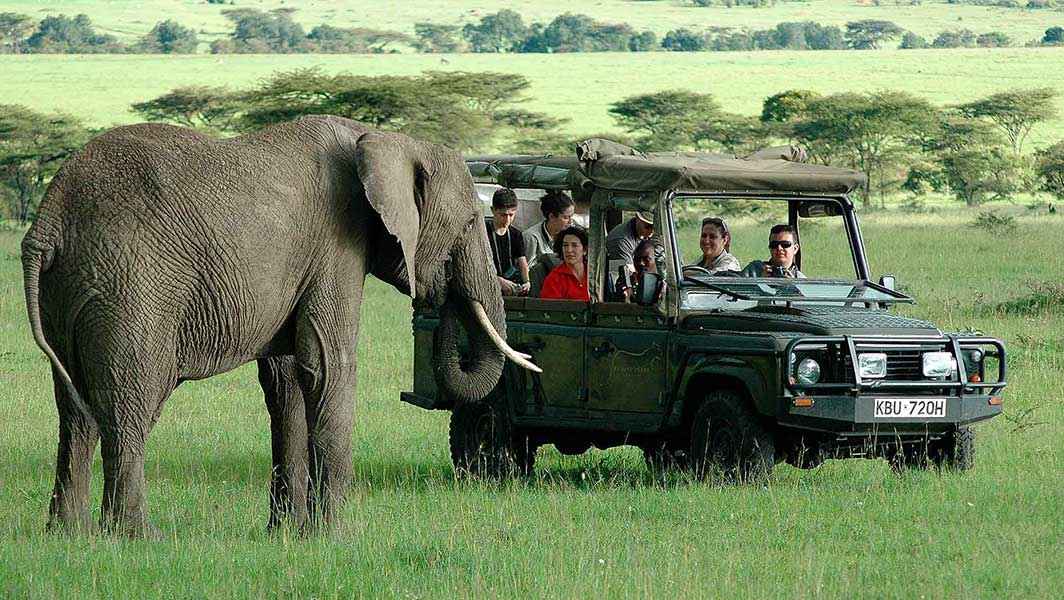
Famous for large elephant herds and picture-perfect views of Mount Kilimanjaro, especially in the clear early mornings. Amboseli is a favourite for photographers and works well as a shorter trip from Nairobi.
Tsavo East and Tsavo West
Kenya’s largest park system is wild, spacious and less crowded. Look for the famous red-dust elephants, Mzima Springs and dramatic volcanic scenery. Tsavo combines easily with a beach stay on the coast.
Lake Nakuru and Lake Naivasha
Lake Nakuru National Park offers rhinos, Rothschild’s giraffe, leopards and rich birdlife, with flamingo numbers that change with lake conditions. Nearby Naivasha is ideal for boat trips, and Hell’s Gate National Park allows walking and cycling among wildlife.
Samburu and Laikipia
Northern Kenya is home to species rarely seen in the south, including Grevy’s zebra, reticulated giraffe, gerenuk and beisa oryx. Laikipia’s conservancies, such as Ol Pejeta, add rhino conservation, chimpanzee sanctuary visits and some of the best walking and night safaris in the country.
Nairobi National Park
A true wilderness bordering a capital city. It makes a perfect half-day game drive on arrival or before an evening flight.
How Many Days Do You Need?
| Length | Suggested route | Best for |
| 3 – 4 days | Masai Mara or Amboseli | A first taste of safari, or a short break from Nairobi. |
| 5 – 7 days | Nairobi – Lake Nakuru – Masai Mara, or Amboseli – Tsavo | The classic Kenya safari balancing variety and travel time. |
| 8 – 10 days | Mara, Nakuru/Naivasha, Amboseli and Tsavo | Seeing several ecosystems at a relaxed pace. |
| 10 – 14 days | Add Samburu, Laikipia or a coastal beach finish | Wildlife enthusiasts, honeymooners and photographers. |
A useful rule: allow at least two nights in each destination. Long road transfers eat into game-viewing time, so for tight schedules consider flying between reserves.
Understanding Safari Costs in 2027
Safari prices are made up of accommodation, park fees, transport, guiding and activities. Park and conservancy fees are charged per person per day and are usually the biggest variable.
Park entry fees (non-resident adults, per day)
| Park or reserve | Adult fee (USD) | Child fee (USD) |
| Masai Mara (Jan – Jun) | 100 | 50 |
| Masai Mara (Jul – Dec) | 200 | 50 |
| Amboseli National Park | 90 | 45 |
| Lake Nakuru National Park | 90 | 45 |
| Tsavo East and West | 80 | 40 |
| Nairobi National Park | 80 | 40 |
| Samburu National Reserve | 85 | 50 |
| Aberdare National Park | 70 | 35 |
Typical accommodation levels
- Budget (camping and basic lodges): suits adventurous travellers and groups. Shared vehicles keep costs down.
- Mid-range (comfortable lodges and tented camps): the most popular choice, with en-suite rooms, good food and experienced guides.
- Luxury (boutique camps and private conservancies): small, exclusive, and often include extras like night drives, walking safaris and sundowners.
Exact prices depend on the season, the group size and the camps selected, which is why we build every itinerary to your budget rather than quoting one-size-fits-all rates.
What is usually included
A good safari package normally covers accommodation, meals, a private or shared 4x4 safari vehicle with a professional driver-guide, bottled water, park entry fees and airport transfers. International flights, visas, tips, travel insurance and optional extras such as hot-air balloon rides are normally extra. Always check exactly what is in the price.
Entry Requirements: Visas and the Kenya eTA
Kenya has replaced the traditional visa for most visitors with an Electronic Travel Authorisation (eTA). Key points for planning:
- Apply online through the official Kenya government eTA portal only. Avoid look-alike third-party sites that charge extra.
- The standard tourist eTA has been reported at around US$30 per person and is non-refundable. Every traveller, including children, needs their own.
- Decisions are advertised within about 72 hours, but we recommend applying at least two weeks before departure to leave time for any corrections.
- Your passport should be valid for at least six months from arrival and have a blank page.
- Carry proof of onward travel and accommodation. Airlines check your eTA at check-in.
- Citizens of some countries, including East African Community members, have different rules or exemptions.
Entry rules change. Always confirm requirements for your nationality on the official government portal before booking flights.
Health, Safety and Insurance
- Vaccinations: Speak to your doctor or travel clinic 6–8 weeks before departure. Yellow fever proof may be required if you arrive from an affected country.
- Malaria: Malaria is present in parts of Kenya. Take medical advice on prophylaxis, and use repellent and long sleeves at dusk.
- Insurance: Choose travel insurance that covers medical care, emergency evacuation and trip cancellation. Many remote camps rely on air evacuation in emergencies.
- Safari safety: Always follow your guide’s instructions, stay inside the vehicle unless told otherwise, and never feed or approach animals.
- In cities: Use registered taxis or ride-hailing apps in Nairobi, keep valuables out of sight and ask your host about local conditions.
What to Pack for a Kenya Safari
- Clothing: light layers in neutral colours (khaki, olive, tan), a warm fleece or jacket for early mornings, a sun hat and a light rain jacket.
- Footwear: comfortable closed shoes or boots plus sandals for camp.
- Gear: binoculars, a camera with a zoom lens, spare batteries, a power bank and a universal adapter (Kenya uses UK-style Type G sockets).
- Essentials: sunscreen, insect repellent, sunglasses, reusable water bottle, any prescription medication and copies of your documents.
- Bags: soft-sided duffel bags are best. Light aircraft have strict baggage limits, usually around 15 kg.
Avoid dark blue and black clothing in tsetse fly areas, and camouflage patterns, which are not permitted in some places.
Travelling Responsibly
Tourism funds conservation across Kenya, and your choices make a difference. Choose operators and camps that employ and train local people, support community conservancies, manage waste and water responsibly, and respect wildlife viewing rules. Keep a respectful distance from animals, keep noise down and ask permission before photographing people. A well-run safari protects the places and people who make it possible.
Your 2027 Booking Timeline
| When | What to do |
| 9 – 12 months before | Book for peak months (July – October, and late December). Popular camps and conservancies sell out first. |
| 6 – 8 months before | Confirm flights, finalise your itinerary and pay deposits. |
| 3 – 4 months before | Arrange travel insurance and see your doctor about vaccinations and malaria tablets. |
| 1 – 2 months before | Apply for your eTA, confirm internal flights and finish packing lists. |
| Final week | Check passports, download documents offline and confirm airport pick-up details. |
Frequently Asked Questions
Is Kenya safe for safari travel?
Yes. Millions of visitors enjoy safaris safely each year. Travelling with an experienced local operator and following official advice for your country keeps risk low.
Can I see the Great Migration if I visit outside July to October?
Herds can arrive as early as late June and linger into November, but the crossings are unpredictable. Outside those months you can still enjoy outstanding wildlife, including resident big cats.
Is a safari suitable for children?
Absolutely, though some camps set minimum ages for game drives or conservancy activities. Family-friendly lodges and private vehicles allow flexible schedules for younger travellers.
Should I tip my guide?
Tipping is customary and appreciated. We will advise you on sensible guidelines for guides, camp staff and drivers before you travel.
Can I combine a safari with a beach holiday?
Yes. Many guests finish their trip on Kenya’s coast at Diani or Watamu after a bush itinerary. It is a classic combination.
Start Planning Your Kenya Safari with Yulle Adventures
The best safaris are shaped around you: your dates, your interests, your pace and your budget. At Yulle Adventures, we design tailor-made Kenya itineraries and handle the details so you can focus on the wildlife. Whether you dream of the Mara’s river crossings, Amboseli’s elephants against Kilimanjaro, or something off the beaten path, we would love to help.
Ready to plan your 2027 adventure? Get in touch with the Yulle Adventures team today for a personalised itinerary and a no-obligation quote. Dates for peak months fill up early, so the sooner you start, the better your choice of camps.