

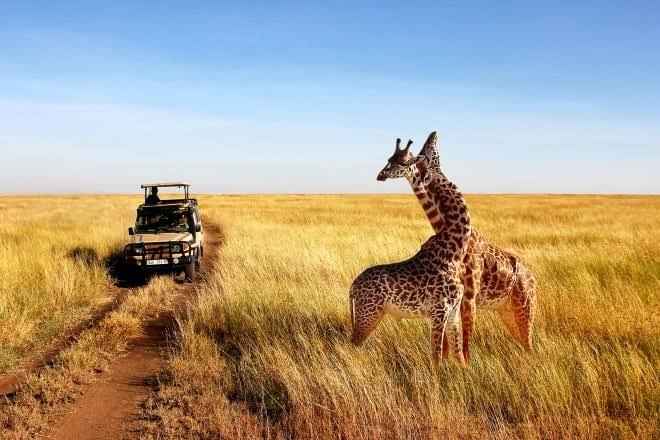
A good Kenya safari packing list makes the difference between a comfortable trip and one spent wishing you had brought something else. Safari days start with cold, dusty dawns and end with warm afternoons, light aircraft have strict luggage limits, and the right clothing, gear and documents make every game drive more enjoyable.
This complete Kenya safari packing list covers everything you need: clothing that works in the bush, luggage tips for bush flights, camera and optics gear, health and toiletry essentials, travel documents and what to leave at home. You will also find a printable-style checklist at the end.
In This Guide
- Kenya Safari Packing List Basics
- Luggage and Weight Limits
- Clothing
- Footwear
- Binoculars, Cameras and Electronics
- Health and Toiletries
- Documents and Money
- What Not to Pack
- The Complete Kenya Safari Packing List
Kenya Safari Packing List Basics
Before we get into the details, here are the principles behind every good Kenya safari packing list:
- Pack light. Most lodges and camps offer a laundry service, so you need fewer clothes than you think.
- Think in layers. Mornings and evenings can be cold, especially in the Masai Mara and the highlands, while middays are warm.
- Choose neutral colours. Khaki, beige, olive and soft greens blend into the bush and hide dust.
- Prioritise comfort. You will spend many hours sitting in a vehicle, so loose, breathable clothing is best.
- Protect yourself from the sun and insects. The equatorial sun is strong, and insects are most active at dawn and dusk.
Your Kenya safari packing list will also depend on the season and where you are going. Our guide to the best time to visit Kenya explains what weather to expect each month.
Luggage and Weight Limits
If your safari includes flights on light aircraft between parks, luggage rules are the most important part of your Kenya safari packing list.
- Use a soft-sided bag. Light aircraft have small luggage holds, and hard suitcases or bags with rigid frames may not fit. A soft duffel bag is ideal.
- Respect the weight limit. Domestic bush flights in Kenya often have a limit of around 15 kilograms per person, usually including hand luggage. Check the exact allowance with your airline or operator.
- Bring a small daypack for game drives, holding your camera, binoculars, sunscreen and a warm layer.
- Store extra luggage. If you are travelling on to the coast or another country, many Nairobi hotels and operators can store extra bags while you are on safari.
Road safaris are more flexible, but a soft bag still fits more easily in a safari vehicle and makes daily packing simpler.
Clothing for Your Kenya Safari Packing List
The right clothing keeps you comfortable from cold dawns to hot afternoons. For a safari of a week or so, the following works well.
Tops
- Three or four short-sleeved shirts or T-shirts in neutral colours
- Two long-sleeved shirts for sun and insect protection, ideally lightweight and breathable
- A warm fleece or light sweater for early mornings and evenings
- A light, packable down or insulated jacket for the highlands and open vehicles at dawn
Bottoms
- Two pairs of lightweight trousers, such as convertible hiking trousers
- One pair of shorts or a skirt for warm afternoons at camp
- Comfortable loungewear for evenings
Outerwear and Accessories
- A light waterproof jacket, especially in the rainy seasons
- A wide-brimmed hat or cap with a neck cover
- A buff or scarf to protect against dust and wind
- Sunglasses with good UV protection
- Swimwear, as many lodges have pools
- Sleepwear and enough underwear and socks
Colours to Choose and Avoid
Neutral colours help you blend in and keep dust from showing. Avoid dark blue and black, which can attract tsetse flies in some areas, and bright white, which shows dirt quickly. It is also wise to avoid camouflage-pattern clothing, which in some African countries is associated with the military.
Footwear
- Comfortable walking shoes or trainers for game drives and around camp.
- Lightweight hiking boots if you plan bush walks, a Mount Kenya hike or a visit to Hell's Gate.
- Sandals or flip-flops for relaxing at the lodge and for the beach.
Make sure any boots are broken in before you travel. Blisters are no fun on safari.

Binoculars, Cameras and Electronics
Good optics transform a safari, so give this part of your Kenya safari packing list some thought.
Binoculars
A good pair of binoculars is essential, ideally one pair per person so that nobody misses a sighting. Models with 8x42 or 10x42 magnification are a good all-round choice for spotting distant animals and birds.
Cameras and Lenses
- A camera with a zoom lens, ideally reaching 300 to 400 millimetres for wildlife
- A wide-angle lens or a smartphone for landscapes and camp life
- Spare batteries, as charging can be limited in remote camps
- Plenty of memory cards
- A beanbag to steady your camera on the vehicle window or roof
- A lens cloth and blower brush to deal with dust
For more advice, read our Kenya photography safari tips.
Electronics
- Phone and charger
- A power bank for charging on the go
- A universal adapter: Kenya uses the three-pin Type G plug, the same as the UK, at 240 volts
- A headlamp or small torch for walking around camp at night
- Earphones and an e-reader for flights and quiet afternoons
Many camps run on solar power or generators, so charging may only be available at certain times or in the main area. A power bank is one of the most useful items on any Kenya safari packing list.
Health and Toiletries
Most lodges provide basic toiletries, but it is worth bringing your own essentials.
- High-factor sunscreen and lip balm with SPF
- Insect repellent containing DEET or another effective active ingredient
- Malaria tablets if prescribed by your doctor
- A small first-aid kit with plasters, pain relief, antihistamines, rehydration salts and anti-diarrhoea tablets
- Any personal prescription medication, in its original packaging, with a copy of the prescription
- Hand sanitiser and wet wipes
- Eye drops, as dust can irritate eyes on game drives
- Toothbrush, toothpaste, deodorant and other personal items
Visit a travel clinic several weeks before your trip for advice on vaccinations and malaria prevention. The CDC traveller's health page for Kenya and the World Health Organization's malaria fact sheet are useful starting points. A yellow fever vaccination certificate may be required if you are arriving from, or have transited through, a country with a risk of yellow fever.
Documents and Money
No Kenya safari packing list is complete without the right paperwork.
- Passport valid for at least six months after your arrival, with blank pages.
- Electronic Travel Authorisation (eTA), applied for online through the official Kenya eTA website before you travel. Our guide to the Kenya visa for tourists explains the process.
- Travel and health insurance, including the mandatory cover linked to the eTA. Read our guide to mandatory Kenya travel insurance.
- Vaccination certificate if required.
- Printed and digital copies of your passport, eTA, insurance and itinerary.
- A bank card for larger payments and some cash in small notes for tips and small purchases.
What Not to Pack
Knowing what to leave out is just as important as knowing what to bring.
- Plastic carrier bags. Kenya has banned single-use plastic carrier bags, so pack toiletries and shoes in reusable pouches instead.
- Hard suitcases if you are taking bush flights.
- Too many clothes. Laundry services are widely available.
- Expensive jewellery and unnecessary valuables.
- Drones, which require special permits and are not allowed in national parks without authorisation.
- Bright or noisy items that could disturb wildlife.
Optional Extras Worth Packing
Some items are not essential, but many travellers are glad they added them to their Kenya safari packing list:
- A pocket field guide to East African mammals and birds
- A small notebook to record sightings and memories
- A travel pillow for long drives and flights
- A sarong or kikoy, which works as a scarf, a towel, a beach wrap or a blanket
- Earplugs, as the night sounds of the bush can be surprisingly loud
- A collapsible water bottle or flask for hot drinks on early drives
Your Game Drive Day Bag
Each morning, check that your day bag holds the essentials: binoculars, camera and spare battery, sunscreen, sunglasses, hat, a warm layer, insect repellent, tissues, hand sanitiser and any medication you may need. Guides usually carry drinking water and snacks, but a few of your own favourite treats are always welcome on a long drive.
Packing for Specific Trips
Kenya Safari and Beach Holidays
If you are heading to the coast after your safari, add beachwear, light cover-ups, reef-safe sunscreen and a modest outfit for visiting towns such as Lamu and Mombasa. Read our Kenya safari and beach holiday guide.
Mountain Treks
For Mount Kenya or Kilimanjaro, you will need warm layers, a cold-weather sleeping bag and proper hiking boots. Our guide to climbing Kilimanjaro includes a full mountain kit list.
Gorilla Trekking
For a gorilla trek in Uganda, add waterproof boots, gardening gloves and long sleeves. See our guide to gorilla trekking in Uganda.
Travelling With Children
Pack familiar snacks, entertainment for drives, children's binoculars, a field guide or animal checklist and extra sun protection. Many families also bring a small activity book for quiet afternoons at camp.
How to Pack Your Bag
Once you have gathered everything on your Kenya safari packing list, the way you pack matters too. Roll clothes rather than folding them to save space and reduce creases. Use packing cubes or reusable pouches to keep items organised, so you are not emptying your whole bag every morning in a tent.
Keep your daypack ready with the things you need on every game drive: binoculars, camera, sunscreen, sunglasses, a warm layer, a small bottle of water and any medication. Put valuables, documents and essential medicines in your hand luggage, never in checked bags. Finally, leave a little space for souvenirs, such as kikoys, beadwork or carvings from local markets.
Packing by Season
The time of year affects a few items on your list.
Dry Season (June to October, January to February)
Days are sunny and dusty, and mornings in the highlands can be surprisingly cold, especially in July and August. Pack an extra warm layer, a buff for dust, lip balm and eye drops. A lens blower is essential for photographers.
Rainy Seasons (March to May, November)
Rain usually falls in short, heavy showers. Add a good waterproof jacket, quick-drying clothes, a dry bag for electronics and shoes with decent grip. Insect repellent becomes even more important, as mosquitoes are more active after rain.
Festive Season (December)
December combines warm weather with occasional showers early in the month. If you are combining the bush and the coast, pack a mix of safari clothing and beachwear, and remember a smarter outfit for festive dinners.
Packing for Different Safari Styles
The style of your trip also shapes your Kenya safari packing list.
- Lodges and permanent tented camps usually provide towels, toiletries, hairdryers in some cases and laundry, so you can pack lighter.
- Mobile and fly camps are simpler. Bring a good headlamp, a power bank and quick-drying clothes, as facilities are more limited.
- Road safaris allow a little more luggage, but long drives make a travel pillow, snacks and entertainment worthwhile.
- Fly-in safaris have the strictest weight limits, so plan carefully and weigh your bag before you leave home.
Supporting Local Communities
Many travellers want to give something back during their trip. Rather than handing out sweets or gifts to children, which can encourage begging, support established community projects, schools and conservation groups through your lodge or operator. They know what is genuinely needed and can make sure donations reach the right people. Buying crafts directly from local cooperatives is another simple way to support communities.
Final Packing Tips
A few last ideas to make your Kenya safari packing list work even better:
- Weigh your bag at home, including your daypack, if you are taking bush flights.
- Wear your bulkiest items, such as boots and a jacket, on travel days.
- Pack a change of clothes and essential medication in your hand luggage in case checked bags are delayed.
- Download field guides and maps to your phone before you leave, as signal can be patchy.
- Check the latest entry requirements and health advice a few weeks before departure.
Following this Kenya safari packing list means you will spend less time worrying about luggage and more time enjoying the wildlife.
The Complete Kenya Safari Packing List
Use this checklist before you leave home. It covers everything on our Kenya safari packing list in one place.
Clothing
- 3 to 4 short-sleeved shirts
- 2 long-sleeved shirts
- 2 pairs of lightweight trousers
- 1 pair of shorts or a skirt
- Warm fleece or sweater
- Light insulated jacket
- Waterproof jacket
- Wide-brimmed hat
- Buff or scarf
- Swimwear
- Sleepwear, underwear and socks
Footwear
- Comfortable walking shoes
- Hiking boots (if needed)
- Sandals or flip-flops
Gear
- Soft duffel bag and daypack
- Binoculars
- Camera, lenses, batteries and memory cards
- Power bank and Type G adapter
- Headlamp or torch
- Reusable water bottle
- Sunglasses
Health and Toiletries
- Sunscreen and SPF lip balm
- Insect repellent
- Malaria tablets (if prescribed)
- First-aid kit and personal medication
- Hand sanitiser and wet wipes
- Eye drops
Documents
- Passport
- Kenya eTA approval
- Travel and health insurance details
- Vaccination certificate (if required)
- Copies of key documents
- Bank card and small cash notes
Common Questions About a Kenya Safari Packing List
Do I really need warm clothes in Kenya? Yes. Early mornings and evenings can be cold, especially in the Masai Mara, Amboseli and the highlands, and open vehicles feel chilly at dawn.
Can I do laundry on safari? Most lodges and camps offer laundry, although some do not wash underwear for cultural reasons. A small travel wash is handy.
Should I bring cash? Bring a small amount in small notes for tips and souvenirs. Cards are accepted in many lodges and towns.
Do I need a special safari outfit? No. You do not need to buy expensive safari clothing. Comfortable, breathable clothes in neutral colours work perfectly, and many of the items on this list are probably already in your wardrobe. Focus on layers, sun protection and good walking shoes.
Can I buy anything I forget in Kenya? Nairobi has large shopping malls and supermarkets where you can find most toiletries, clothing and electronics. Choices are much more limited once you reach the parks, so it is best to pack the essentials before you leave.
What should I wear on game drives? Comfortable, neutral clothing in layers, a hat, sunglasses and closed shoes.
Plan Your Kenya Safari
With this Kenya safari packing list, you are ready for the adventure. Our team sends every traveller a pre-departure guide tailored to their itinerary, so you know exactly what to bring.
- Read our guide to a Kenya safari for first-time visitors
- Find out what to expect on your first game drive in Kenya
- Browse our Kenya safari packages
Have a question about what to pack? Contact us and our team will be happy to help.