

The best time for a safari in Kenya and Tanzania depends on what you want to see, but for Americans it also depends on when you can travel. School vacations, long weekends and holidays such as Thanksgiving and Christmas shape when most US travelers can take time off. The good news is that East Africa offers great wildlife viewing all year, and every US vacation period lines up with something special on safari.
This guide explains the best time for a safari month by month, how the seasons work, where the Great Migration is during each US holiday and how to choose the right season for your interests, budget and family schedule.
In This Guide
- East Africa's Seasons Explained
- US Holidays Matched to Safari Seasons
- Month by Month
- Following the Great Migration
- Best Time by Interest
- Weather and What to Pack
- Frequently Asked Questions
East Africa's Seasons Explained
Kenya and Tanzania sit close to the equator, so there is no true winter or summer. Instead, the year is divided into dry and rainy seasons, which affect where animals gather, how easy they are to see and how busy the parks are.
- Long dry season (June to October): grass is short, animals gather near rivers and waterholes, and the Great Migration is usually in the Masai Mara and northern Serengeti. This is widely seen as the best time for a safari.
- Short rains (November to early December): brief afternoon showers, green landscapes and fewer visitors.
- Short dry season (late December to March): warm, mostly dry weather and the calving season in the southern Serengeti.
- Long rains (late March to May): the wettest period, with lush scenery, lower prices and quiet parks.
Unlike in the USA, temperatures stay fairly steady all year. Days on safari are usually warm, in the 70s and 80s Fahrenheit, while early mornings and evenings at higher altitudes, such as the Masai Mara and the Ngorongoro Crater rim, can drop into the 50s or even 40s.
US Holidays Matched to the Best Time for a Safari
Winter Break and New Year (Late December to Early January)
The festive period is peak season, with warm, dry weather in most parks. In Tanzania, the herds gather in the southern Serengeti and Ndutu ahead of the calving season. Lodges fill quickly, so book a year ahead. Read our guide to a Christmas safari in Kenya and Tanzania.
Martin Luther King Jr. Day and Presidents' Day (January and February)
Long weekends in January and February fall in the short dry season, an excellent time for a safari. February is the heart of the calving season in the southern Serengeti, when predators are very active.
Spring Break (March)
Early March is still dry and warm, with calving continuing in Tanzania. By late March, the long rains may begin, bringing green landscapes and fewer visitors. Spring break is a great best time for a safari for families who want good value and newborn animals.
Memorial Day (Late May)
The long rains are ending, landscapes are green and lodges often offer lower green-season rates. It is a quiet, rewarding time to travel.
Summer Vacation and the Fourth of July (June to August)
Summer is the classic best time for a safari for American families. The dry season brings excellent game viewing, and from July the Great Migration usually arrives in the Masai Mara. This is peak season, so book early.
Labor Day (Early September)
The migration is often in the Masai Mara and northern Serengeti, with dramatic river crossings. After Labor Day, when US schools return, the parks become a little quieter.
Thanksgiving (Late November)
The short rains bring brief showers and fresh green grass, and the herds begin moving south into Tanzania. Thanksgiving week is a good-value time for a safari with fewer visitors.
The Best Time for a Safari Month by Month
- January: warm and dry. Excellent across Kenya, and calving begins in the southern Serengeti.
- February: peak calving season in Tanzania, with lots of predator action. Dry and warm in Kenya.
- March: dry early in the month, with rains starting later. Good value toward the end of the month.
- April: the wettest month. Lush landscapes, low prices and very few visitors.
- May: rains easing. Green season rates and peaceful parks.
- June: the dry season begins. The migration moves through the western Serengeti, with good value before the July peak.
- July: the migration usually reaches the Masai Mara. Peak season begins.
- August: river crossings in the Mara and northern Serengeti. Busy but spectacular.
- September: excellent game viewing and river crossings, with fewer families after US schools reopen.
- October: the herds are still in the Mara, starting to move south late in the month.
- November: short rains, green landscapes and the herds moving into Tanzania.
- December: rains clear, the herds reach the southern Serengeti and the festive season begins.
For more detail, read our guides to the best time to visit Kenya, the best time to visit Tanzania and the best time to visit the Masai Mara.
Following the Great Migration
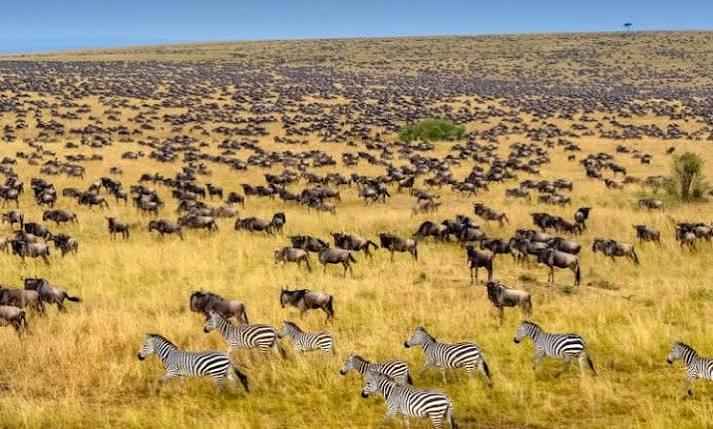
For many Americans, the Great Migration is the main reason to travel, and its timing defines the best time for a safari for wildlife lovers. More than a million wildebeest, along with hundreds of thousands of zebras and gazelles, move in a great loop through the Serengeti and the Masai Mara every year, following the rains and fresh grass.
- December to March: southern Serengeti and Ndutu, for calving.
- April to June: central and western Serengeti.
- July to October: northern Serengeti and the Masai Mara, with river crossings.
- November: moving south through the eastern Serengeti.
The exact timing changes each year with the rains, so build some flexibility into your plans. Read our guides to the Great Migration month by month and understanding the Great Migration.
The Best Time for a Safari by Interest
- River crossings: July to October in the Masai Mara and northern Serengeti.
- Baby animals and predators: January to March in the southern Serengeti.
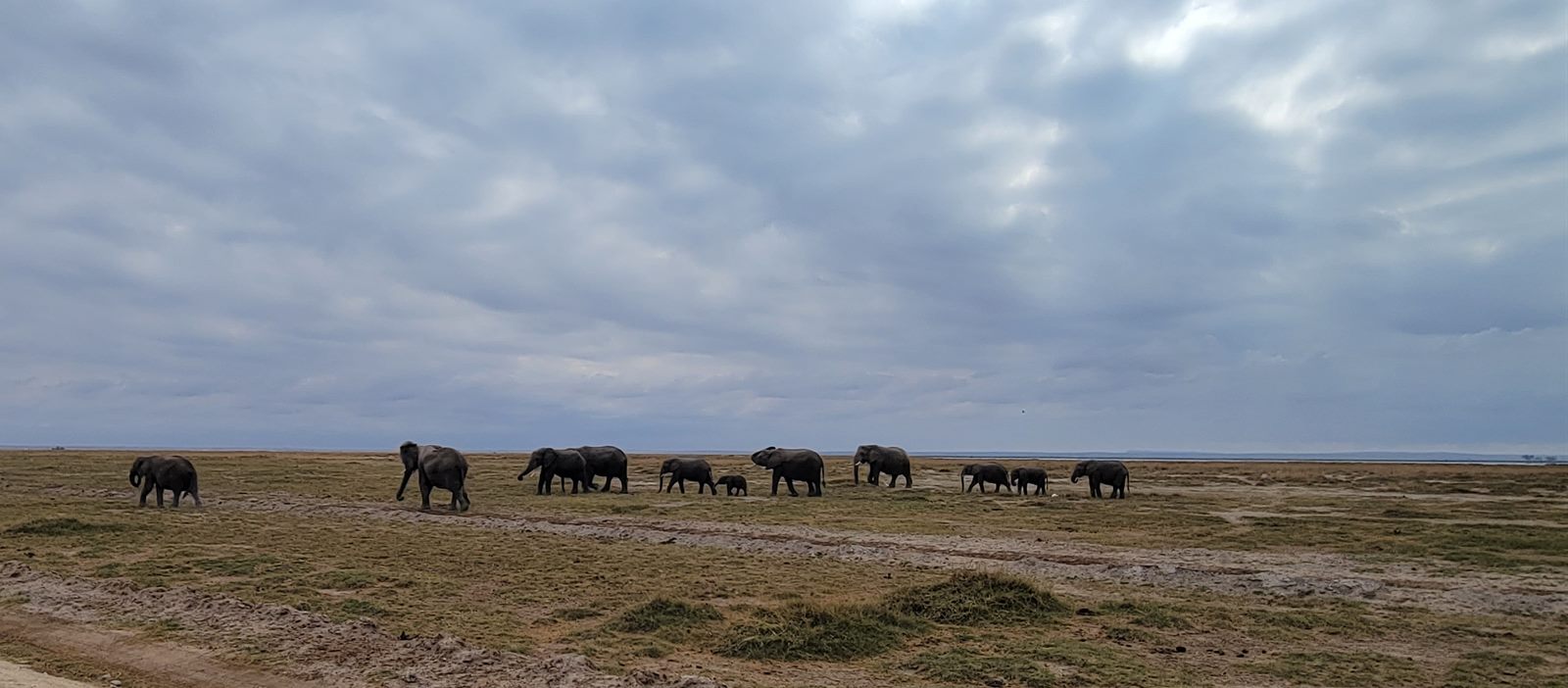
- Elephants: June to October in Amboseli and Tarangire, when herds gather near water.
- Birdwatching: November to April, when migrant birds arrive from Europe and Asia. Read our guide to birdwatching in Kenya.
- Photography: the green seasons offer dramatic skies and lush backgrounds, while the dry season offers easy visibility.
- Value and quiet parks: April, May and November.
- Beach add-ons: June to October and December to February on Zanzibar. See the best time to visit Zanzibar.
Weather and What to Pack
Whatever the best time for a safari for you, pack layers. Early morning game drives can be chilly, especially in an open vehicle, while afternoons are warm. A fleece, a light waterproof jacket, breathable shirts in neutral colors, a wide-brimmed hat and sunscreen will cover almost every situation. In the rainy seasons, showers are usually short and heavy, often in the afternoon, so mornings are still excellent for game drives.
Read our Kenya safari packing list for a complete checklist.
The Best Time for a Safari, Park by Park
Masai Mara, Kenya
The Mara is excellent all year thanks to its resident lions, cheetahs and elephants, but July to October is the best time for a safari here, when the migration arrives. January and February are also very good, with dry weather and fewer vehicles.
Amboseli, Kenya
Amboseli is best in the dry seasons, from June to October and January to February, when elephants gather in the swamps and Kilimanjaro is often clear in the mornings. The green season brings lush grass and dramatic skies for photography.
Samburu, Kenya
This dry northern reserve is at its best from June to October and from late December to March, when animals concentrate along the Ewaso Ng'iro River. Read our guide to Samburu National Reserve.
Lake Nakuru and Lake Naivasha, Kenya
These Rift Valley lakes are good year round, making them reliable stops in any season. Lake Nakuru's rhinos are present every month.
Serengeti, Tanzania
The Serengeti has no bad month, but the best time for a safari depends on which area you visit: the south from December to March, the west from May to July and the north from July to October.
Ngorongoro Crater, Tanzania
The crater's resident wildlife makes it excellent all year. Visit early in the morning to avoid the busiest hours, especially in peak season. Read our guide to the best time to visit the Ngorongoro Crater.
Tarangire, Tanzania
Tarangire is at its best in the dry season, from June to October, when huge elephant herds gather along the Tarangire River. Read our guide to Tarangire National Park.
Availability and Value Through the Year
Choosing the best time for a safari is also about availability. The most popular lodges in the Masai Mara and the Serengeti can be fully booked many months ahead for July, August and the Christmas holidays. If your dates are fixed by school calendars, book early and consider less famous but equally rewarding areas, such as the Mara conservancies or the western Serengeti.
If your dates are flexible, the shoulder months of June, early November and March can offer excellent wildlife with better availability and value. Many lodges offer special rates in the green season, and you may have sightings almost to yourself. For many American travelers, this flexibility makes the shoulder season the best time for a safari overall.
Weather Myths About the Rainy Season
Many Americans worry that the rainy season means constant rain. In reality, rain in East Africa usually falls in short, heavy bursts, often in the late afternoon or at night, with sunny mornings in between. Game drives continue as normal, animals are still easy to find and the landscapes are at their most beautiful. Newborn animals are common, and predators take advantage of them.
The main drawbacks are muddy roads in some areas, more insects and the occasional closed camp. With a good 4x4 vehicle and an experienced guide, the rainy season can be a surprisingly good best time for a safari, especially for photographers and repeat visitors.
Combining Seasons with a Beach Stay
If you plan to add a beach stay, consider the coast's weather too. Zanzibar and the Kenyan coast are at their best from June to October and from December to February, which lines up neatly with the safari dry seasons. April and May are the wettest months on the coast as well as inland. This means the classic best time for a safari is also the best time for a combined bush and beach vacation. Read our safari and Zanzibar honeymoon guide.
Peak Season vs Green Season
Peak season, from July to October and over the festive period, offers the most reliable game viewing and the Great Migration in the Mara, but also the highest prices and busiest parks. Lodges must be booked months in advance, and popular sightings can attract many vehicles.
The green season, especially April and May, offers lower prices, fewer visitors and beautiful scenery. Wildlife is still present, many animals give birth, and the dramatic skies are wonderful for photography. Some roads can be muddy and a few camps close, but for flexible travelers it can be the best time for a safari in terms of value.
Shoulder months such as June, early November and March often give the best of both: good weather, good wildlife and better availability.
Booking Ahead for US Holidays
Because so many Americans travel during school vacations, the best time for a safari for families is also the busiest. For summer and the Christmas season, book lodges and flights nine to twelve months in advance, especially in the Masai Mara and the Serengeti. For Thanksgiving, spring break and long weekends, six months is usually enough. Booking early also gives you the widest choice of flights from the USA. See our guide to flights from the USA to Kenya and Tanzania.
Combining Kenya and Tanzania by Season
A combined trip lets you follow the herds whatever the month. From July to October, focus on the Masai Mara and the northern Serengeti. From December to March, spend more time in the southern Serengeti and Ngorongoro, adding Amboseli or Lake Nakuru in Kenya. Read our Kenya and Tanzania safari guide for Americans to plan your route.
Time Zones and Daylight
Because Kenya and Tanzania sit near the equator, day length barely changes through the year. The sun rises around 6:30 a.m. and sets around 6:30 p.m. in every season, giving you roughly twelve hours of daylight for game drives whenever you visit. This is very different from the long summer evenings and short winter days in much of the USA.
East Africa does not use daylight saving time, so the time difference with the USA changes when American clocks move forward or back. Kenya and Tanzania are seven hours ahead of New York during US daylight saving time and eight hours ahead the rest of the year. When planning calls home or remote work, keep this in mind. Whatever the best time for a safari you choose, early starts are part of the experience, and most travelers from the USA find that jet lag actually helps them wake up for sunrise drives.
A Quick Decision Guide
- You want the river crossings: go between July and October.
- You want baby animals and big cat action: go between January and March, focusing on Tanzania.
- You want the best value: go in April, May or November.
- You are tied to school vacations: summer and winter break are both excellent, just book early.
- You want a beach at the end: go between June and October or December and February.
Still unsure about the best time for a safari for your family? Tell us your dates and interests, and we will suggest the ideal route.
Frequently Asked Questions
What is the best time for a safari in Kenya? June to October for the dry season and the Great Migration, and January to February for warm, dry weather.
What is the best time for a safari in Tanzania? June to October for the northern Serengeti, and January to March for the calving season in the south.
Is summer a good time for a safari? Yes. US summer matches East Africa's dry season, one of the best times for wildlife.
Can I go on safari during the rainy season? Yes. Showers are usually short, prices are lower and the parks are quieter.
What is the best time for a safari with kids? US summer vacation and the winter break both work well. Book early.
When are river crossings most likely? July to October, though timing varies each year.
Is Thanksgiving a good time for a safari? Yes. The short rains bring green landscapes, fewer visitors and good value, and the herds are moving into Tanzania.
Plan Your Safari
Whenever you can travel, our team can recommend the best time for a safari that fits your schedule and interests, and design a route to match. Contact us for a free, tailor-made itinerary, or browse our Kenya safari packages and Tanzania safari packages. For official park updates, see the Kenya Wildlife Service and Tanzania National Parks.