

| Cost Per Person Sharing (USD) | 2 PAX | 4 PAX | 6 PAX |
|---|---|---|---|
| Low Season (1st Apr - 31st May) | 1,579 USD | 1,272 USD | 1,170 USD |
| Mid Season (2nd Jan - 31st Mar, 1st - 30th Jun & 1st Nov - 21st Dec) | 1,672 USD | 1,366 USD | 1,263 USD |
| Peak Season (1st Jul - 31st Oct & 22nd Dec - 1st Jan) | 1,750 USD | 1,443 USD | 1,341 USD |
Prices are per person sharing a double room, for non-residents, on full board. Children 0-3 years stay free; children 4-12 years sharing with adults pay 50% of the adult rate. Easter and festive season supplements apply on selected dates.
Our Samburu and Lake Nakuru safari takes you from the dry, rugged north of Kenya to the green shores of a Rift Valley lake in just four days. You spend two nights at Samburu Sopa Lodge searching for the rare Samburu Special Five, then one night at Lake Nakuru Sopa Lodge among rhinos, flamingos and pelicans, before returning to Jomo Kenyatta International Airport.
This Samburu and Lake Nakuru safari is ideal for travellers who want something different from the classic southern circuit, for repeat visitors to Kenya, and for anyone keen to see species that live only in the north. Prices for 2, 4 and 6 guests sharing a double room are shown in the table above for low, mid and peak season.
In This Guide
- Safari at a Glance
- Day-by-Day Itinerary
- Where You Stay
- Samburu National Reserve
- Lake Nakuru National Park
- What Is Included
- Seasons and When to Go
- Tips for Your Safari
- Frequently Asked Questions
Samburu and Lake Nakuru Safari at a Glance
- Duration: 4 days, 3 nights
- Route: Jomo Kenyatta International Airport (JKIA), Samburu (2 nights), Lake Nakuru (1 night), JKIA
- Accommodation: Samburu Sopa Lodge and Lake Nakuru Sopa Lodge, all on full board
- Vehicle: private 4x4 pop-up roof Land Cruiser with a professional English-speaking driver-guide
- Highlights: the Samburu Special Five, elephants on the Ewaso Ng'iro River, white and black rhinos, flamingos and pelicans
- Group sizes priced: 2, 4 or 6 guests sharing double rooms
- Best for: wildlife enthusiasts, photographers, birders and repeat visitors to Kenya
Your Samburu and Lake Nakuru safari begins and ends at the airport, so no extra transfers are needed. The route passes Mount Kenya and crosses the Equator, giving you a real sense of the variety of Kenya's landscapes from semi-desert to highland farmland and the Great Rift Valley.
Day-by-Day Itinerary
Day 1: Nairobi (JKIA) to Samburu National Reserve
An early pick-up at Jomo Kenyatta International Airport starts your Samburu and Lake Nakuru safari. Your driver-guide welcomes you and loads your luggage into the Land Cruiser before heading north through the coffee and tea country of central Kenya. On a clear day, the jagged peaks of Mount Kenya appear above the farmland, and you cross the Equator near Nanyuki, where a short stop lets you take photos at the sign.
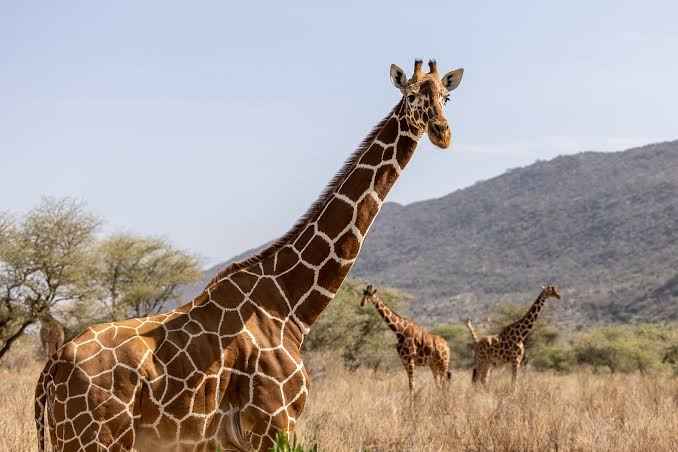
North of Isiolo, the landscape changes dramatically into dry thornbush, red earth and rocky hills. You arrive at Samburu Sopa Lodge for lunch and settle into your room. In the afternoon you set out on your first game drive in Samburu National Reserve, looking for reticulated giraffes, Grevy's zebras and elephants heading to the river. Return to the lodge at sunset for dinner.
Meals: lunch and dinner. Overnight: Samburu Sopa Lodge.
Day 2: A Full Day in Samburu
Today is dedicated to exploring Samburu National Reserve. Morning and afternoon game drives, or a full day with a picnic lunch, give you time to search for all of the Samburu Special Five: Grevy's zebra, reticulated giraffe, Beisa oryx, gerenuk and Somali ostrich. These animals are adapted to dry country and are found in few other parks.
The Ewaso Ng'iro River, lined with doum palms and acacias, is the lifeline of the reserve. Elephants come to drink and bathe, crocodiles bask on the sandbanks, and leopards and lions rest in the shade of the riverine forest. Samburu is also famous for its birdlife, including the striking vulturine guineafowl. Your Samburu and Lake Nakuru safari continues back at the lodge with dinner and a quiet evening under the northern stars.
Meals: breakfast, lunch and dinner. Overnight: Samburu Sopa Lodge.
Day 3: Samburu to Lake Nakuru National Park
After breakfast, you leave Samburu and drive south-west, crossing the Equator again and descending into the Great Rift Valley. You reach Lake Nakuru National Park and check in at Lake Nakuru Sopa Lodge in time for lunch.
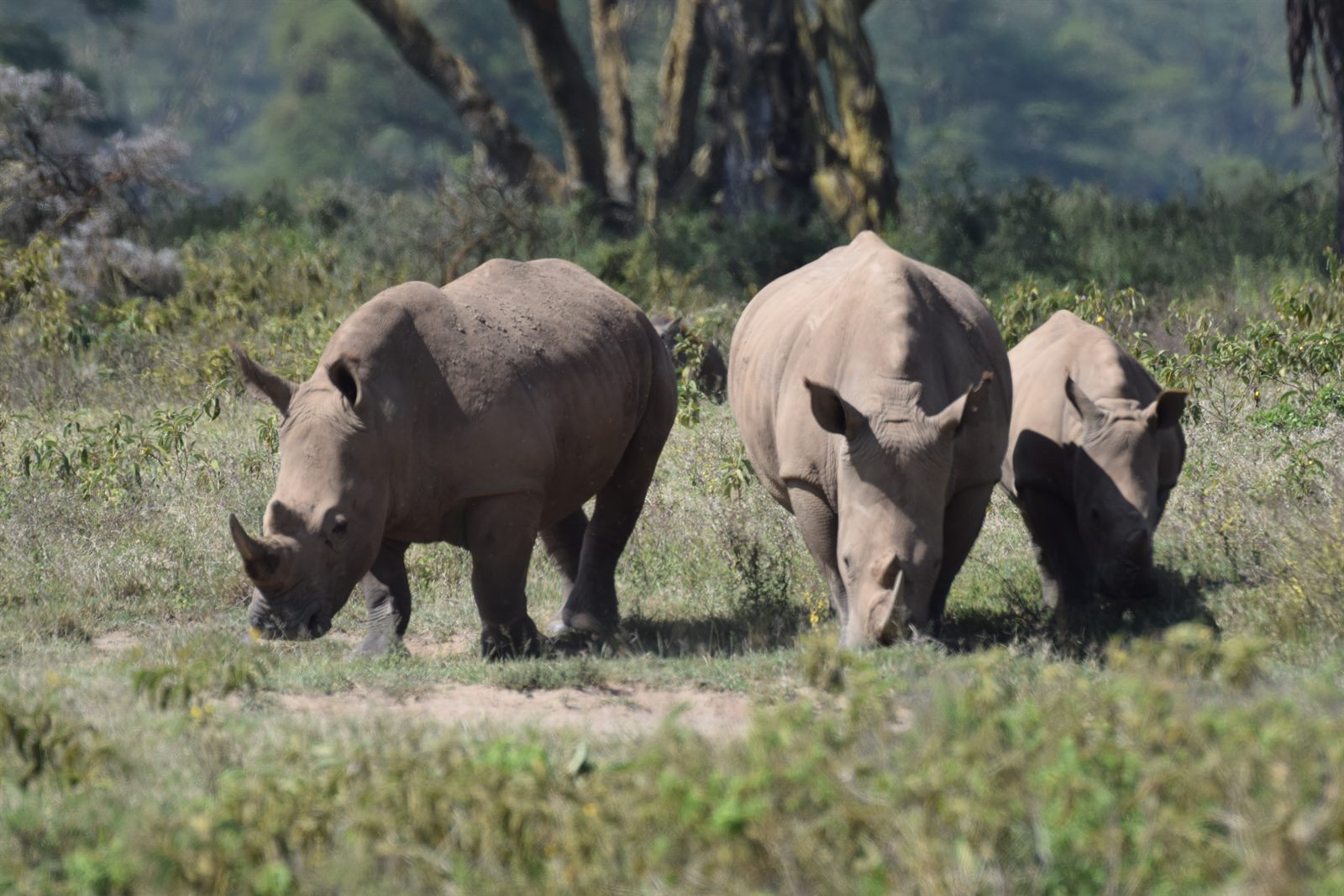
In the afternoon you go on a game drive in the park, one of Kenya's most important rhino sanctuaries. Both white and black rhinos live here, along with Rothschild's giraffes, buffaloes, waterbucks and, with luck, lions and leopards. Along the lake shore, flocks of pelicans and, at times, flamingos gather in the shallows. A stop at Baboon Cliff offers a breathtaking view across the lake. Return to the lodge for dinner.
Meals: breakfast, lunch and dinner. Overnight: Lake Nakuru Sopa Lodge.
Day 4: Lake Nakuru to Nairobi (JKIA)
Rise early for a final morning game drive, when animals are active and the light over the lake is soft. Return to the lodge for breakfast, then drive back to Nairobi, stopping for lunch en route. Your Samburu and Lake Nakuru safari ends with a drop-off at Jomo Kenyatta International Airport.
Meals: breakfast and lunch en route.
Where You Stay
Samburu Sopa Lodge (2 nights)
Samburu Sopa Lodge lies inside Samburu National Reserve, on the quieter eastern side of the reserve. Its cottages are decorated in a warm, earthy style that reflects the surrounding landscape, and the lodge has a restaurant, a bar, a swimming pool and a waterhole that attracts wildlife. Because the lodge is inside the reserve, reserve fees are charged for each night you stay, and these are included in your package price.
Lake Nakuru Sopa Lodge (1 night)
Lake Nakuru Sopa Lodge sits on the western escarpment inside Lake Nakuru National Park, with sweeping views over the lake and the park below. Rooms have private balconies, and the lodge has a swimming pool, a restaurant and a bar. As the lodge is inside the park, park fees apply for the night you stay, and these are also included.
All meals are included on a full board basis at both lodges, so breakfast, lunch and dinner are taken care of throughout your Samburu and Lake Nakuru safari.
Samburu National Reserve
Samburu National Reserve covers about 165 square kilometres of semi-arid country in northern Kenya, on the northern bank of the Ewaso Ng'iro River. It is managed by the Samburu County Government and borders Buffalo Springs National Reserve across the river. The reserve takes its name from the Samburu people, pastoralists closely related to the Maasai, who are known for their colourful beadwork and traditional dress.
Samburu's dry climate supports animals not found in southern parks. The Special Five are the stars, but the reserve also has healthy populations of elephants, lions, leopards and cheetahs, along with dik-diks, impalas, waterbucks and more than 350 bird species. The reserve is also home to one of the longest-running elephant research projects in Africa, which has followed individual elephant families here for decades.
Read more in our guide to Samburu National Reserve and the Special Five, and compare accommodation in our guides to luxury, mid-range and budget lodges in Samburu.
Lake Nakuru National Park
Lake Nakuru National Park covers about 188 square kilometres around a shallow alkaline lake in the Great Rift Valley. It is managed by the Kenya Wildlife Service and is part of the Kenya Lake System, a UNESCO World Heritage Site. The park is fenced and was one of the first rhino sanctuaries in Kenya, making it one of the best places in the country to see both white and black rhinos.
The lake is famous for its flamingos, whose numbers change with water levels and food supply. In recent years rising water has reduced the flocks, but great white pelicans, cormorants, storks and other water birds remain abundant. Beyond the lake, yellow fever tree forests, grassland and cliffs provide habitat for Rothschild's giraffes, buffaloes, lions, leopards and colobus monkeys. Makalia Falls in the south of the park makes a scenic stop after the rains.
Read more in our guide to flamingos in Lake Nakuru National Park and our guide to the Big Five in Kenya.
Wildlife You Can Expect on a Samburu and Lake Nakuru Safari
- The Samburu Special Five: Grevy's zebra, reticulated giraffe, Beisa oryx, gerenuk and Somali ostrich.
- Elephants: often seen drinking and bathing in the Ewaso Ng'iro River.
- Big cats: lions and leopards in both parks, and cheetahs in Samburu.
- Rhinos: white and black rhinos in Lake Nakuru National Park.
- Rothschild's giraffe: an endangered subspecies protected at Lake Nakuru.
- Birds: vulturine guineafowl in Samburu, and pelicans, flamingos, storks and fish eagles at Lake Nakuru.
This variety is what makes a Samburu and Lake Nakuru safari so rewarding: in four days you see species from two completely different ecosystems. Birdwatchers should read our guide to birdwatching in Kenya.
What Is Included in Your Samburu and Lake Nakuru Safari
Included
- Airport pick-up and drop-off at Jomo Kenyatta International Airport
- All accommodation: 2 nights at Samburu Sopa Lodge and 1 night at Lake Nakuru Sopa Lodge, sharing a double room
- Full board meals: breakfast, lunch and dinner
- En route lunch on the last day before your airport drop-off
- All park and reserve entry fees for Samburu National Reserve and Lake Nakuru National Park
- Transport in a private 4x4 pop-up roof Land Cruiser
- Services of a professional English-speaking driver-guide
- Drinking water in the vehicle during the safari
Not Included
- International and domestic flights
- Kenya Electronic Travel Authorisation (eTA) and travel insurance
- Drinks at the lodges, tips and items of a personal nature
- Optional activities such as a Samburu village visit
- Room upgrades, suites and festive or Easter season supplements
Before you travel, apply for your Kenya eTA and read our Kenya visa guide.
Seasons and When to Go
The price table at the top of this page shows rates for three seasons, based on the dates used by the lodges:
- Low season: 1 April to 31 May, the green season during the long rains.
- Mid season: 2 January to 31 March, 1 to 30 June and 1 November to 21 December.
- Peak season: 1 July to 31 October and 22 December to 1 January.
Samburu is at its best in the dry seasons, from June to October and from late December to March, when animals gather along the river. The rains bring greener scenery and fewer visitors. Lake Nakuru can be visited year round, and its rhinos are present in every season. A Samburu and Lake Nakuru safari therefore works well at any time, although the dry months offer the most reliable game viewing in the north.
See our guide to the best time to visit Kenya month by month.
Tips for Your Samburu and Lake Nakuru Safari
- Expect heat in Samburu: days can be very hot, so pack light, breathable clothing, a hat and sunscreen.
- Bring a warm layer: Lake Nakuru is higher and cooler, especially early in the morning.
- Stay hydrated: drinking water is provided in the vehicle, so drink regularly in the northern heat.
- Bring binoculars: both parks are excellent for birdwatching.
- Plan your flights: the drive to Samburu takes about six hours, so an early morning arrival at JKIA works best.
- Respect local culture: always ask before photographing Samburu or Maasai people.
For a full checklist, read our Kenya safari packing list.
Why Choose This Samburu and Lake Nakuru Safari
Most short Kenya safaris head south to the Masai Mara or Amboseli. This Samburu and Lake Nakuru safari offers a different side of the country, with wildlife you will not see elsewhere and far fewer vehicles at sightings. The journey itself is a highlight, crossing the Equator twice and passing Mount Kenya and the Rift Valley.
A private 4x4 Land Cruiser lets you travel at your own pace, and the pop-up roof provides excellent views and photography. Your driver-guide stays with you throughout, from airport pick-up to drop-off, and knows both parks well.
Staying inside both parks means you are close to the wildlife from the moment you wake up, with no long drives to the gate before your game drives begin.
A Typical Day in Samburu
Days on a Samburu and Lake Nakuru safari follow the rhythm of the northern bush. Game drives start soon after sunrise, when the air is cool and animals are most active. Gerenuks stand on their hind legs to browse acacia leaves, Grevy's zebras graze in small groups and lions may still be resting after a night's hunting.
By mid-morning, the heat builds and many animals move towards the river. This is the perfect time to watch elephant families arrive to drink, dig for water in the sand and spray themselves with dust. Around midday you return to the lodge for lunch, a swim and a rest, or enjoy a picnic in the shade if you prefer to stay out.
The afternoon drive begins as the temperature falls, often ending with a spectacular sunset over the hills. Back at the lodge, dinner is followed by the sounds of the African night. This slower pace is part of what makes a Samburu and Lake Nakuru safari so relaxing, as you are never rushed between sightings.
The Samburu People
The Samburu are semi-nomadic pastoralists who herd cattle, goats and camels across the dry lands of northern Kenya. Closely related to the Maasai, they speak a similar language and share many customs, but have their own distinctive traditions, including elaborate beadwork worn by both men and women. Warriors, known as moran, often decorate their hair with red ochre.
Community conservancies around the reserve, many supported by the Northern Rangelands Trust, help the Samburu benefit from wildlife and tourism while protecting grazing land. On your Samburu and Lake Nakuru safari you will often see herders with their livestock outside the reserve, and your guide can explain how communities and wildlife share this landscape. A village visit can be arranged on request.
Photography on a Samburu and Lake Nakuru Safari
Photographers love this route for its contrasts. In Samburu, the red earth, doum palms and blue skies make striking backdrops for reticulated giraffes and elephants, while the river provides reflections at dawn and dusk. At Lake Nakuru, the view from Baboon Cliff and the pelican colonies along the shore are favourite subjects, and rhinos are often close to the tracks. Read our Kenya photography safari tips before you go.
Extend Your Safari
This trip combines easily with other destinations:
- Add the Masai Mara with our 6 Day Samburu and Masai Mara Safari
- Explore more of the north in Meru National Park or Ol Pejeta Conservancy
- Add Lake Naivasha and the Mara with our 8 Day Kenya Safari: Samburu to Masai Mara
Frequently Asked Questions
How long are the drives on this Samburu and Lake Nakuru safari? JKIA to Samburu takes about six hours, Samburu to Lake Nakuru about five to six hours, and Lake Nakuru to JKIA about three to four hours.
What are the Samburu Special Five? Grevy's zebra, reticulated giraffe, Beisa oryx, gerenuk and Somali ostrich, all adapted to the dry north.
Will I see flamingos at Lake Nakuru? Flamingo numbers vary with water levels, so they cannot be guaranteed, but pelicans and many other birds are almost always present.
Can children join this safari? Yes. The lodges offer reduced rates for children sharing with adults. Contact us for a family quote.
Is the vehicle private? Yes. Your group has its own 4x4 pop-up roof Land Cruiser and driver-guide throughout.
Book Your Samburu and Lake Nakuru Safari
Ready to explore the wild north and the Rift Valley? Check the price table above for your travel dates and group size, then send us a booking request using the form below, or contact us with any questions. You can also browse more Kenya safari packages.