

A family safari in Kenya or Tanzania is one of the most memorable vacations you can share with your children. Few experiences compare to watching a child's face as an elephant walks past the vehicle, a lion yawns in the grass or a giraffe bends down to eat from their hand. With the right planning, an East African safari is safe, comfortable and full of learning for every age, from young children to teenagers and grandparents.
This guide is written for American parents planning a family safari. It covers the best ages and times to travel, how to handle long flights from the USA, which parks and lodges suit families, health and safety, packing and a sample family itinerary for Kenya and Tanzania.
In This Guide
- What Age Is Best?
- When to Go
- Flying From the USA With Kids
- The Best Parks for Families
- Family-Friendly Lodges
- Activities Kids Love
- Health and Safety
- A Sample Family Itinerary
- Frequently Asked Questions
What Age Is Best for a Family Safari?
There is no perfect age, but most families find that children aged six and over get the most from a family safari. At this age, kids can sit through game drives, spot animals with binoculars and remember the experience. Teenagers often love photography, walking safaris and learning from guides, and a trip to Africa can spark a lifelong interest in wildlife and conservation.
Younger children can travel too, especially with a private vehicle and a flexible schedule. Shorter game drives, plenty of breaks and lodges with pools help keep little ones happy. Some activities have age limits, such as walking safaris, which are usually for children aged 12 and over, and hot air balloon flights, which usually have a minimum age as well. Malaria prevention for very young children also needs careful discussion with your pediatrician.
When to Go on a Family Safari
For American families, the timing of a family safari usually depends on school calendars. Fortunately, the main US vacation periods match some of the best times to visit East Africa.
- Summer vacation (June to August): East Africa's dry season, with excellent game viewing. From July, the Great Migration usually arrives in the Masai Mara. This is peak season, so book a year ahead.
- Winter break (late December to early January): warm, mostly dry weather and the calving season beginning in the southern Serengeti.
- Spring break (March): warm and usually dry early in the month, with newborn animals in Tanzania.
- Thanksgiving (late November): green landscapes after the short rains, fewer visitors and good value.
Read our guide to the best time for a safari from the USA for a month-by-month breakdown.
Flying From the USA With Kids
The journey is the hardest part of a family safari, but good planning makes it manageable. Kenya Airways flies nonstop from New York JFK to Nairobi, and many one-stop routes connect other US cities through Europe and the Middle East. Overnight flights help children sleep, and a comfortable layover breaks up the trip.
- Choose overnight flights so children sleep through much of the journey.
- Pack snacks, headphones, games and a change of clothes in carry-ons.
- Book a hotel night in Nairobi or Arusha on arrival so everyone can rest.
- Adjust bedtimes a few days before departure to ease jet lag.
- Start the safari with a short drive to a nearby park.
Read our guide to flights from the USA to Kenya and Tanzania for routes and tips.
The Best Parks for a Family Safari
Nairobi
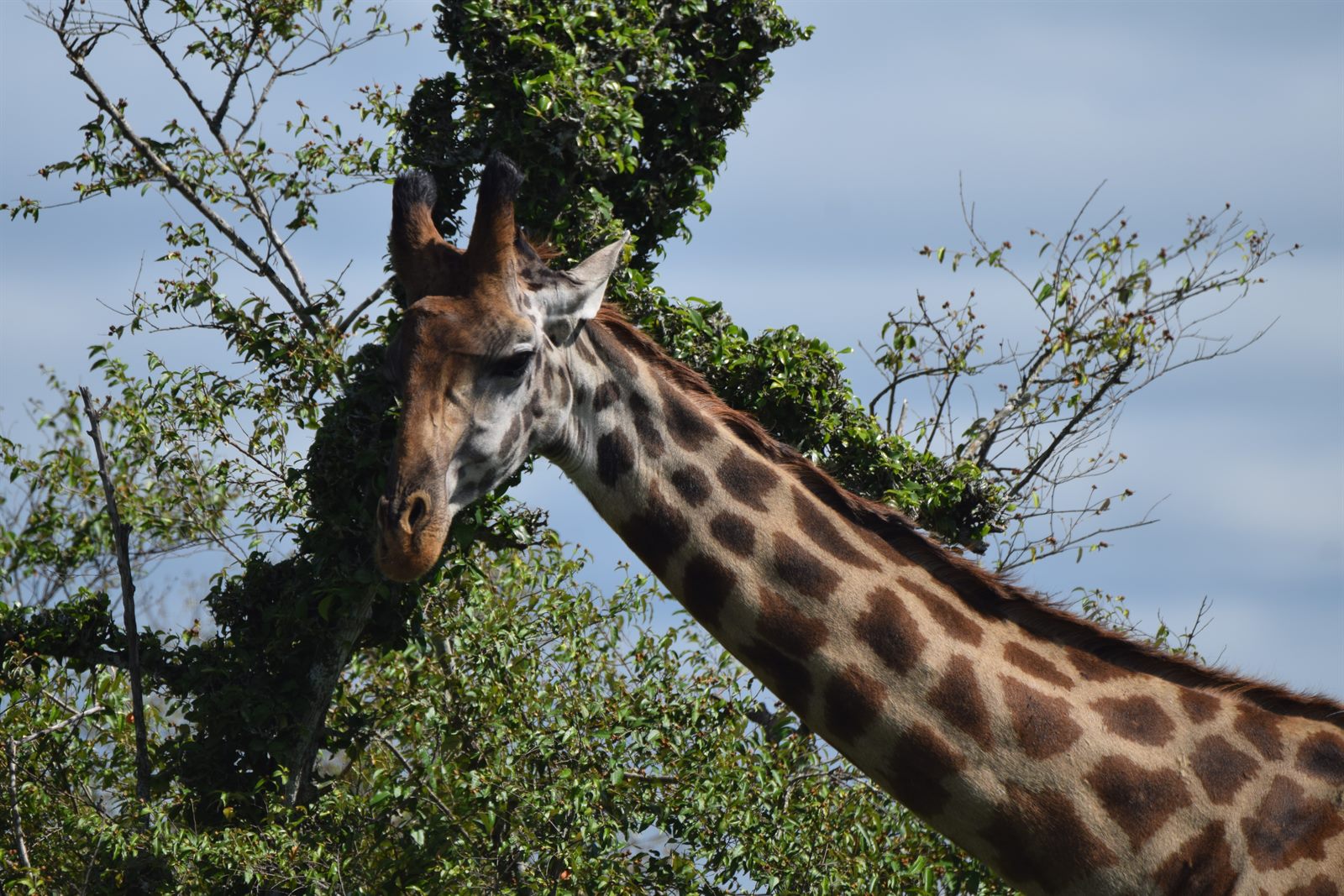
Kenya's capital is a great place to start. At the Giraffe Centre, children can feed endangered Rothschild's giraffes from a raised platform, and the elephant orphanage run by the Sheldrick Wildlife Trust lets families watch baby elephants being fed and bathed. Nairobi National Park, just outside the city, is home to rhinos, lions and giraffes with the city skyline behind them. Read our guide to tourist attractions in Nairobi.
Lake Naivasha
A boat ride among hippos and a walk with giraffes and zebras on Crescent Island are perfect for children who need a break from the vehicle. Read our guide to Lake Naivasha.
Lake Nakuru
This compact park is one of the best places in Kenya to see rhinos, and its size means short, rewarding game drives.
Amboseli
Big herds of elephants, often close to the vehicle, and views of Kilimanjaro make Amboseli a family favorite.
The Masai Mara
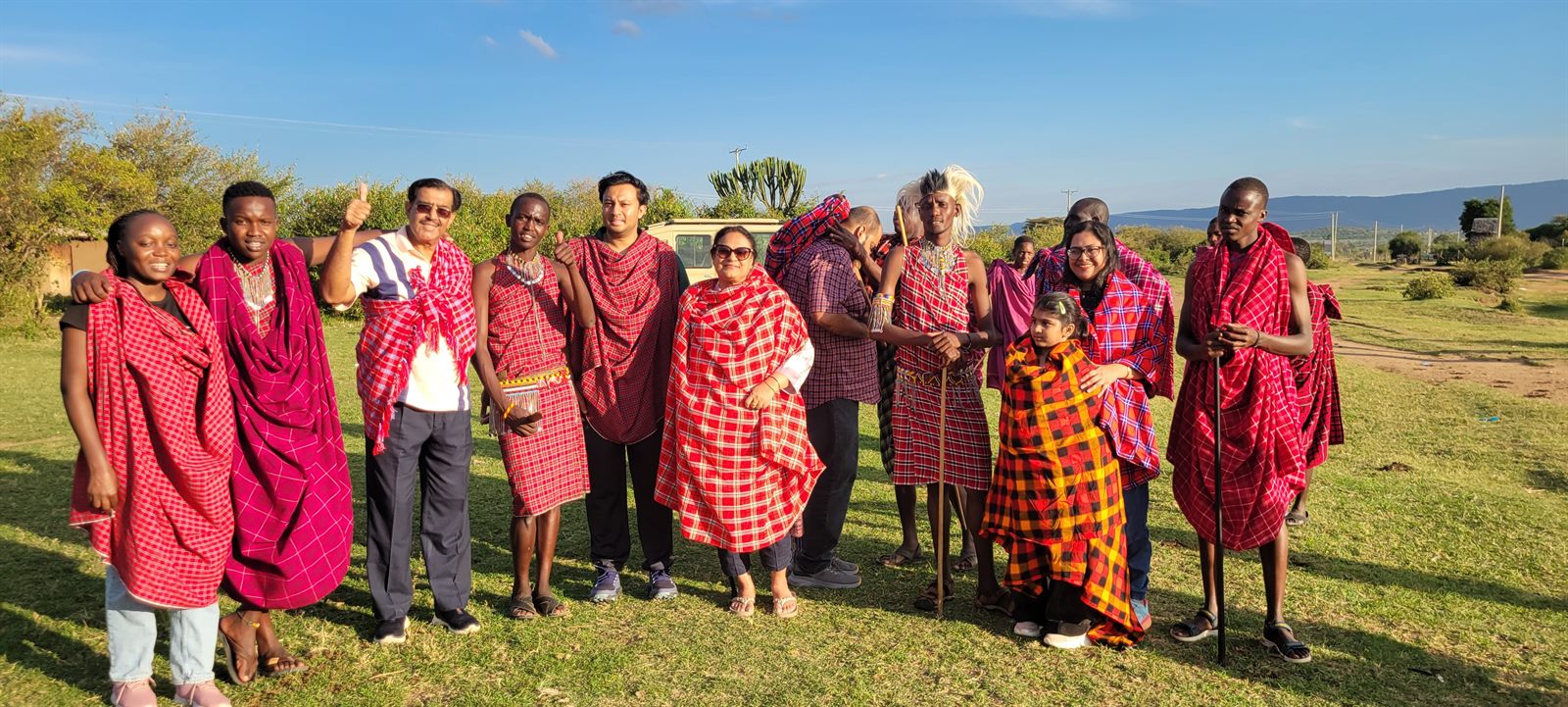
Lions, cheetahs, elephants and, in season, the Great Migration. A visit to a Maasai village adds a cultural highlight that children remember.
The Ngorongoro Crater
In Tanzania, the crater's dense wildlife means a great deal to see in one day, which suits younger travelers.
A family safari is best with fewer parks and more nights in each, so children are not spending long hours on the road.
Family-Friendly Lodges
When choosing accommodation for a family safari, look for:
- Family rooms or connecting rooms: Sopa Lodges, for example, offer triple rooms with two queen beds and a single bed.
- Swimming pools: perfect for the middle of the day.
- Flexible meal times and child-friendly menus.
- Fenced grounds or escorted walks after dark.
- Child rates: many lodges offer reduced rates for children sharing with adults and free stays for very young children.
Our Kenya packages use Sopa Lodges in Amboseli, the Masai Mara, Lake Nakuru, Lake Naivasha and Samburu, all with swimming pools. See the Sopa Lodges website for more about each property.
Activities Kids Love on a Family Safari
- Game drives with a pop-up roof: children can stand and spot animals in every direction.
- Animal checklists: ticking off the Big Five, the Special Five and favorite birds keeps kids engaged.
- Boat rides: hippos and fish eagles on Lake Naivasha.
- Walking with giraffes: on Crescent Island.
- Maasai village visits: learning about traditional homes, dancing and fire-making.
- Feeding giraffes and visiting baby elephants: in Nairobi.
- Bush picnics and sundowners: meals outdoors on the plains.
- Swimming and pool time: a welcome break in the heat of the day.
Evening activities such as stargazing, campfire stories and listening for night sounds are also big hits with children. Ask your guide to share stories about animal behavior, tracks and conservation. Many guides are wonderful with children and love answering questions.
Health and Safety
Health planning for a family safari should start early. See your pediatrician or a travel clinic at least six to eight weeks before departure. They will advise on routine and travel vaccines, malaria prevention and medicines for each child. Our guide to safari vaccines for US travelers explains the basics, and the CDC pages for Kenya and Tanzania have detailed advice.
- Use child-safe insect repellent and dress children in long sleeves at dusk.
- Apply high-factor sunscreen and make sure everyone wears a hat.
- Drink bottled or filtered water, which lodges and safari vehicles provide.
- Always stay in the vehicle during game drives and follow lodge rules about walking after dark.
- Carry a basic first aid kit with children's medicines.
Your guide will also brief the family on safety at the start of the trip. Safari areas are generally very safe for families traveling with a reputable operator. Read our guide Is Kenya safe for tourists?
Safari Ideas for Teenagers
Teenagers often get the most out of a family safari. Many love wildlife photography, and a good zoom lens or a smartphone with a telephoto setting turns game drives into a creative challenge. Older teens can join walking safaris in some private conservancies, learning to read tracks, identify plants and understand animal behavior on foot with an armed ranger.
Conservation is another big draw. Visits to rhino sanctuaries such as Lake Nakuru or Ol Pejeta Conservancy, talks with rangers and time with Maasai guides show teenagers how communities and conservationists protect wildlife. For students interested in biology, environmental science or photography, a family safari can be a powerful, real-world learning experience. Read our guide to Ol Pejeta Conservancy.
Traveling With Grandparents
Multi-generational trips are increasingly popular, and a family safari is a wonderful way for grandparents, parents and children to share a once-in-a-lifetime experience. To keep everyone comfortable, choose lodges with easy access and few steps, plan shorter drives and allow rest afternoons. A private vehicle lets you travel at a gentle pace and stop whenever needed.
Older travelers should see their doctor early about vaccines and medicines, and tell your safari company about any mobility needs so rooms close to the main areas can be requested. Grandparents often say watching their grandchildren discover wildlife is the highlight of the whole trip.
Meals and Picky Eaters
Food is rarely a problem on a family safari. Lodges serve buffet or set menus with familiar options such as pasta, grilled meats, fresh bread, fruit and desserts, alongside local dishes for adventurous eaters. Most lodges can prepare simple meals for children and cater for allergies and dietary needs if you let them know in advance. Picnic lunches on game drives usually include sandwiches, fruit, snacks and drinks.
Bring a few favorite snacks from home for long drives, and remember that bottled water is provided throughout. Trying new foods, such as ugali, chapati and fresh tropical fruit, can become one of the fun parts of the trip.
Learning on Safari
A family safari is a living classroom. Children learn geography as you cross the Equator and the Great Rift Valley, biology as they watch predators and prey, and culture as they meet Maasai families and hear Swahili spoken. Encourage kids to keep a safari journal with sketches, photos and a list of animals seen each day. Some families even arrange a school project around the trip, sharing photos and stories with classmates when they get home.
Your guide is your best teacher. Ask them to explain how they track animals, why elephants flap their ears and how the Great Migration works. These conversations often stay with children long after the trip ends.
Documents for Children
Every child needs their own passport and their own Kenya eTA, and a Tanzania visa if you visit Tanzania. If a child is traveling with only one parent, bring a notarized consent letter from the other parent and a copy of the birth certificate. Read our guide to the Kenya eTA for US citizens.
Packing for a Family Safari
- Neutral-colored clothes in layers, including fleeces for cool mornings
- Hats, sunglasses and sunscreen for every family member
- A pair of binoculars for each child, if possible
- A child-friendly camera or tablet for photos
- Animal guidebooks, checklists and coloring books
- Snacks from home for picky eaters
- Swimsuits for lodge pools
- Soft duffel bags rather than hard suitcases
See our full safari packing list.
A Day on a Family Safari
A typical day starts early, with hot chocolate or juice before a morning game drive while the air is cool and the animals are active. Children often spot animals before the adults, especially if they have their own binoculars. After two or three hours, you return to the lodge for a hearty breakfast, or enjoy it as a picnic in the bush.
The middle of the day is time to rest. Younger children nap, older kids swim or play games, and parents relax with a book on a terrace overlooking a waterhole. In the late afternoon, you head out again as the light turns golden, perhaps stopping for a sundowner with juice and snacks while the sun sets over the plains.
Evenings bring dinner, stories about the day's sightings and an early night, often to the sounds of hyenas, lions or hippos in the distance. This gentle rhythm suits children well and makes a family safari relaxing as well as exciting.
Responsible Wildlife Viewing With Kids
Teach children to watch animals quietly, keep hands and heads inside the vehicle when the guide asks, and never throw food or objects. Explain why we keep a respectful distance and why the rules protect both people and wildlife. Children who understand the reasons are usually the most careful observers, and many become passionate about conservation after their trip.
A Sample 7-Day Family Safari in Kenya
- Day 1: arrive in Nairobi and rest at a hotel.
- Day 2: morning at the Giraffe Centre and the elephant orphanage, then drive to Lake Naivasha for an afternoon boat ride.
- Day 3: walk among giraffes on Crescent Island, then drive to Lake Nakuru for an afternoon rhino game drive.
- Days 4 to 6: Masai Mara, with game drives, a bush picnic, pool time and a Maasai village visit.
- Day 7: return to Nairobi for your flight home.
Our 5 Day Kenya Safari: Naivasha, Mara and Nakuru follows a similar route, and the 7 Day Kenya Safari: Amboseli to Masai Mara adds Amboseli's elephants.
Adding Tanzania or the Beach
Older children and teenagers often enjoy combining Kenya with Tanzania, adding the Serengeti and the Ngorongoro Crater. Read our Kenya and Tanzania safari guide. Many families finish with a few days on the beach in Zanzibar or on the Kenyan coast, which is a relaxing end to an active trip. See our 5 Day Zanzibar Island Tour and our guide to the best beaches in coastal Kenya.
Tips for a Happy Family Safari
- Book a private vehicle: you control the pace and can stop for breaks whenever needed.
- Limit long drives: aim for no more than five hours on most days.
- Stay two nights or more in each park: fewer check-ins mean less stress.
- Plan rest time: an afternoon at the pool can be the highlight for younger children.
- Involve the kids: let them choose an animal to find each day or keep a safari journal.
- Manage expectations: explain that animals are wild and sightings are never guaranteed.
Above all, stay flexible and enjoy the moments together. Read our guide to the best adventures for families with kids for more ideas.
Frequently Asked Questions
Is a family safari safe? Yes, with a reputable operator, a private vehicle and sensible precautions.
What age is best for a family safari? Six and over is ideal, though younger children can enjoy a flexible trip.
Do kids get discounts on safari? Many lodges offer reduced rates for children sharing with adults. Ask us for a family quote.
When should we book a summer family safari? Nine to twelve months ahead for July and August.
Do children need their own Kenya eTA? Yes. Every child needs their own passport and eTA, and a Tanzania visa if visiting Tanzania.
Will my kids get bored on game drives? Rarely. Short drives, animal checklists, binoculars and a pop-up roof keep children engaged, and pool time breaks up the day.
Can toddlers go on safari? Yes, but choose shorter drives, family-friendly lodges and discuss malaria prevention with your pediatrician.
Which is better for families, Kenya or Tanzania? Kenya's shorter distances suit younger children, while older kids enjoy combining both.
Plan Your Family Safari
Our team designs every family safari around your children's ages, interests and energy levels, with private vehicles, family rooms and plenty of rest time. Contact us for a free, tailor-made itinerary, or explore our Kenya safari packages and Tanzania safari packages.