

Is Kenya safe for tourists? It is one of the most common questions we hear from travellers planning their first safari, and it deserves an honest, practical answer. Kenya welcomes large numbers of international visitors every year, and the vast majority enjoy trouble-free trips filled with wildlife, beaches and warm hospitality. Like anywhere in the world, though, a little knowledge and sensible precautions make your journey safer and more relaxed.
This guide looks at safety on safari, in Nairobi and other cities, at the coast and on the road. It covers health, scams, solo and family travel, and finishes with twelve essential safety tips. Our aim is to give you balanced information so you can travel with confidence.
In This Guide
- Is Kenya Safe for Tourists? The Short Answer
- Safety on Safari
- Safety in Nairobi and Other Cities
- Safety at the Coast
- Road and Transport Safety
- Health and Hygiene
- Advice for Different Travellers
- 12 Essential Safety Tips
- Plan a Safe Safari
Is Kenya Safe for Tourists? The Short Answer
For most visitors, yes. Is Kenya safe for tourists on a well-planned safari with a reputable operator? Overwhelmingly, the answer is yes. The national parks, reserves, conservancies and main beach resorts are popular, well-organised destinations, and tourism is an important part of the country's economy, so lodges, guides and authorities take visitor safety seriously.
As in any country, risks do exist. Petty crime such as pickpocketing and bag snatching can happen in busy urban areas, and some remote regions near the borders are subject to official travel warnings. Most safari circuits are far from these areas.
The best way to stay informed is to check your government's official travel advice before you travel and again shortly before departure. The UK Foreign Office travel advice for Kenya, for example, is updated regularly and explains which areas, if any, to avoid.
Is Kenya Safe for Tourists on Safari?
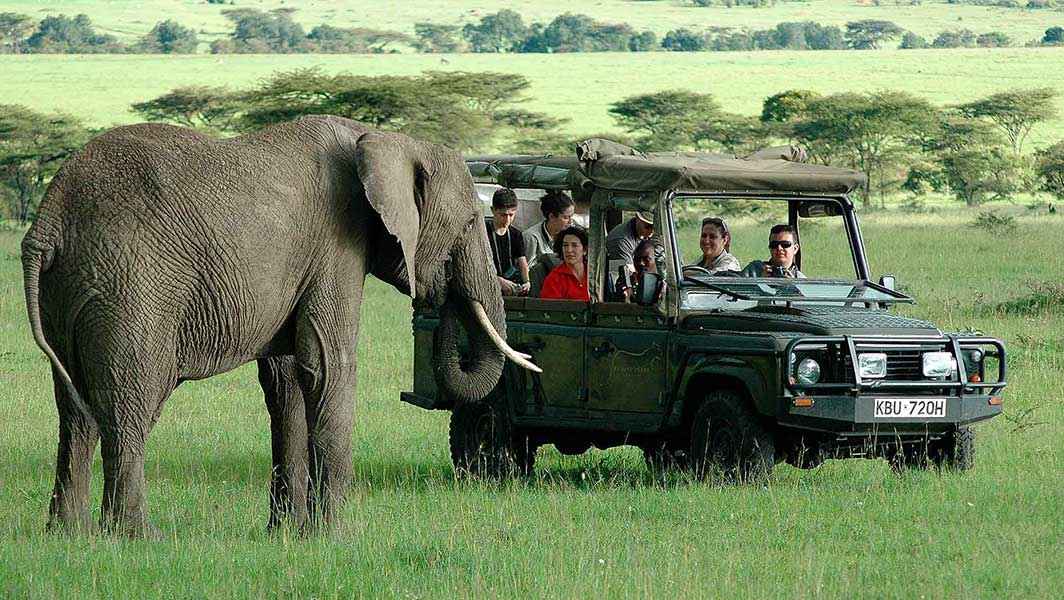
Safari areas are among the safest parts of the country for visitors. Is Kenya safe for tourists in the national parks and conservancies? Yes, provided you follow a few simple rules. Your guide will brief you, and the most important point is to respect the wildlife.
Wildlife Safety
- Stay in the vehicle unless your guide says it is safe to get out, such as at designated picnic sites or viewpoints.
- Keep arms and heads inside when animals are close.
- Stay quiet and calm at sightings, and never try to attract an animal's attention.
- Never feed wildlife, including monkeys and baboons around lodges.
- Follow the rules at camp. Many lodges are unfenced, so animals may walk through at night. Staff will escort you to and from your room after dark.
- Listen carefully on walking safaris. Walk in single file, stay close to your guide and never run.
Experienced guides know animal behaviour well and will keep a safe distance. Incidents involving tourists are extremely rare when these rules are followed. Our guide to your first game drive in Kenya explains what to expect.
Choosing a Reputable Operator
Booking with a licensed, established safari company is one of the best safety decisions you can make. Good operators use well-maintained vehicles, professional driver-guides, reliable lodges and clear emergency plans. They also monitor conditions and adjust plans if needed.

Is Kenya Safe for Tourists in Nairobi?
Nairobi is a vibrant capital with excellent restaurants, museums, shopping malls and wildlife experiences, including Nairobi National Park, the Giraffe Centre and the David Sheldrick Wildlife Trust. Most visitors spend a night or two here at the start or end of their safari without any problems.
As in many large cities, petty crime is the main concern. Is Kenya safe for tourists in the capital? Yes, with the same precautions you would take in any big city:
- Use registered taxis, hotel transport or reputable ride-hailing apps, especially at night.
- Avoid walking alone after dark, particularly in the city centre.
- Keep phones, cameras and jewellery out of sight in busy areas.
- Use ATMs inside banks, hotels or shopping malls.
- Carry only the cash you need for the day.
- Be cautious with strangers who approach you with stories or offers.
Our guide to tourist attractions in Nairobi includes safe, rewarding ways to spend a day in the city, and our Nairobi National Park and Giraffe Centre Day Tour includes a guide and transport.
Is Kenya Safe for Tourists at the Coast?
Kenya's coast, including Diani, Watamu, Malindi and Mombasa, is a popular holiday destination with resorts for every style. Is Kenya safe for tourists on a beach holiday? The main resort areas are generally relaxed and welcoming.
- Beach vendors. Some vendors, sometimes called "beach boys", can be persistent. A polite but firm "no, thank you" is usually enough.
- Book excursions through reputable operators or your hotel rather than with people who approach you on the beach.
- Swim at safe beaches and pay attention to tides and currents.
- Avoid isolated beaches at night, and use hotel transport after dark.
- Respect local culture, particularly in Muslim communities, by dressing modestly away from the beach.
Read our guide to the best beaches in coastal Kenya and our Kenya safari and beach holiday guide for more ideas.
Road and Transport Safety
Road travel is a part of many safaris, and road conditions vary. Major highways are generally good, but some roads to parks are rough, and traffic can be heavy around cities.
- Travel with a professional driver-guide who knows the roads, rather than driving yourself on your first visit.
- Avoid long road journeys after dark where possible.
- Wear seatbelts whenever they are available.
- Consider flying between parks on longer itineraries. Light aircraft flights are a safe, time-saving option with spectacular views.
Health and Hygiene
Health precautions are an important part of the answer to "is Kenya safe for tourists?". A few simple steps prevent most problems.
- Vaccinations and malaria. Visit a travel clinic several weeks before your trip. Malaria is present in many parts of Kenya, so follow medical advice on prevention. The CDC traveller's health page for Kenya lists recommended vaccines.
- Insect protection. Use repellent, especially at dawn and dusk, and sleep under a mosquito net where provided.
- Water. Drink bottled or filtered water. Most lodges provide safe drinking water.
- Food. Lodge and restaurant food is generally prepared to high standards. Be more careful with street food and raw salads in small local eateries.
- Sun. The equatorial sun is strong. Wear a hat and sunscreen and drink plenty of water.
- Insurance. Comprehensive travel insurance with medical evacuation cover is essential, and Kenya also requires visitors to hold health insurance linked to the eTA. Read our guide to mandatory Kenya travel insurance.
Many lodges and safari operators are part of air ambulance and medical evacuation schemes, which provides extra reassurance in remote areas.
Is Kenya Safe for Tourists of Every Kind?
Solo Travellers
Solo travellers can have a wonderful time in Kenya, especially on organised safaris where guides and lodge staff look after you. Share your itinerary with someone at home, keep in touch regularly and use trusted transport.
Women Travellers
Many women travel to Kenya alone or with friends without problems. Dress modestly in towns, avoid walking alone at night, be cautious with unwanted attention and use reputable accommodation and transport. Safari lodges are welcoming, safe environments.
Families
Is Kenya safe for tourists with children? Yes. Kenya is a popular family destination. Choose family-friendly lodges, keep children close to you around camp, follow malaria and health advice carefully and plan shorter game drives with plenty of rest.
LGBTQ+ Travellers
Same-sex relationships are not legally recognised in Kenya, and same-sex sexual acts are criminalised under Kenyan law. Many LGBTQ+ travellers visit without problems, but discretion in public is advisable. Check your government's travel advice for the latest guidance.
Older Travellers and Those With Health Conditions
Kenya is very accessible for older travellers. Discuss your health with your doctor before travelling, choose lodges with good access and consider flying between parks to reduce long road journeys.
Is Kenya Safe for Tourists at Night?
On safari, nights are spent at your lodge or camp, where staff are on duty and guides escort you after dark. In cities and towns, the advice is the same as in most large cities around the world. Is Kenya safe for tourists in the evening? Yes, if you plan ahead: dine at reputable restaurants, take a registered taxi or hotel car back to your accommodation and avoid walking on quiet streets after dark.
Is Kenya Safe for Tourists During Elections?
Kenya holds general elections every five years, and the next is expected in August 2027. Election periods are usually peaceful in tourist areas, but political rallies and demonstrations can occur in cities. Is Kenya safe for tourists at this time? Most visitors are unaffected, especially on safari, but it is sensible to check travel advice closely, avoid large gatherings and follow your operator's guidance. Safari parks and beach resorts are generally far from campaign activity.
Money Safety
Kenya is a cashless-friendly country, and many payments are made by card or mobile money. Carry a bank card for larger payments, a small amount of cash in local currency for tips and small purchases, and keep the rest in your lodge or hotel safe. Use ATMs inside banks, malls or hotels, and shield your PIN when entering it. Let your bank know you are travelling so your card is not blocked.
Staying Connected
Staying in touch adds peace of mind. Local SIM cards are easy to buy at the airport and in towns with your passport, and mobile coverage is good in most cities and many safari areas. Many lodges offer Wi-Fi, although it may be slower in remote camps. Download offline maps and save important phone numbers before you travel, including your operator's emergency contact.
Common Scams to Be Aware Of
Scams are not common on organised safaris, but it helps to know what to look out for:
- Unofficial guides at airports or in towns who offer cheap tours. Always book with a licensed operator.
- Fake charity or school collections. If you want to donate, ask your lodge about trusted community projects.
- Overpriced souvenirs. Bargaining is normal at markets; agree a price before buying.
- Online booking scams. Book through established companies with a clear physical address and good reviews.
12 Essential Safety Tips for Kenya
Here are twelve simple habits that make the answer to "is Kenya safe for tourists?" even more reassuring:
- Check official government travel advice before you book and before you fly.
- Book your safari with a licensed, reputable operator.
- Arrange your eTA and travel insurance before departure via the official Kenya eTA website.
- Visit a travel clinic for vaccinations and malaria advice.
- Keep copies of your passport, eTA and insurance, both printed and digital.
- Use registered taxis, hotel transport or trusted ride-hailing apps.
- Avoid walking alone after dark in cities and towns.
- Keep valuables out of sight and use hotel safes.
- Follow your guide's instructions around wildlife at all times.
- Drink bottled or filtered water and protect yourself from the sun.
- Respect local customs and dress modestly in towns and religious areas.
- Save emergency numbers. In Kenya, you can call 999 or 112 for emergency services.
Respecting Local Laws and Customs
Knowing a few local rules helps you avoid problems. Single-use plastic carrier bags are banned, so leave them at home. Photographing government buildings, police, military sites and airports is not allowed, and you should always ask permission before taking pictures of people. Drug laws are strict, and penalties can be severe. Smoking in public places outside designated areas is also restricted. Dress modestly in towns and religious sites, particularly at the coast, and be respectful during Ramadan in Muslim communities.
Weather and Natural Hazards
Kenya's main natural risks are related to the weather. Heavy rain during the rainy seasons can make some roads muddy or temporarily impassable, and flash floods can occur in low-lying areas. The equatorial sun is intense, so protect yourself from heatstroke and sunburn, especially in the hot north and at the coast. At the beach, pay attention to tides, currents and any local warnings before swimming.
Why Most Visitors Feel Safe in Kenya
Most travellers leave Kenya talking about the wildlife, the landscapes and the warmth of the people they met, not about safety concerns. Guides, lodge staff and local communities are proud of their country and go out of their way to make visitors feel welcome. Tourism supports many jobs and conservation projects, and the safari industry is built around looking after guests well.
With good planning, a trusted operator and the same common sense you would use anywhere, a Kenya safari is a safe and truly unforgettable experience. If it is your first trip, our guide to a Kenya safari for first-time visitors is a great place to start.
Before You Travel: A Quick Checklist
- Read your government's latest travel advice.
- Confirm your passport is valid for at least six months.
- Apply for your eTA and arrange travel insurance.
- Book vaccinations and malaria prevention with a travel clinic.
- Share your itinerary and emergency contacts with family or friends.
- Pack using our Kenya safari packing list.
- Read our guide to the Kenya visa for tourists.
Common Questions About Safety in Kenya
Is Kenya safe for tourists right now? Conditions can change, so always check your government's current travel advice. Most safari areas and beach resorts are popular and well organised.
Is it safe to drink tap water in Kenya? It is best to drink bottled or filtered water. Most lodges provide safe drinking water.
Are safari lodges safe? Yes. Lodges and camps have staff on duty day and night, and guides escort guests after dark in unfenced camps.
Is the Masai Mara safe? Yes. The Masai Mara is one of Kenya's most visited and well-managed safari destinations.
What should I do in an emergency? Contact your safari operator first, as they have local knowledge and emergency plans. You can also call 999 or 112 for emergency services, and keep your embassy's contact details and your insurance emergency number with you at all times, both on paper and on your phone.
Should I worry about wild animals? Not if you follow your guide's instructions. Wildlife incidents involving tourists are very rare.
Is Kenya safe for tourists travelling independently? Many independent travellers visit safely, but first-time visitors usually find an organised safari easier and more relaxing.
Plan a Safe and Memorable Safari
So, is Kenya safe for tourists? With sensible precautions and a reputable operator, the answer for most visitors is a confident yes. Our experienced team takes care of transport, accommodation and guiding, and we monitor conditions so you can focus on enjoying your trip.
- Start with a classic 3 Day Masai Mara Safari
- See our 6 Day Amboseli, Nakuru and Masai Mara Safari
- Browse all our Kenya safari packages
Do you still have questions about travelling safely in Kenya with us? Contact us and our friendly team will be very happy to help you.