

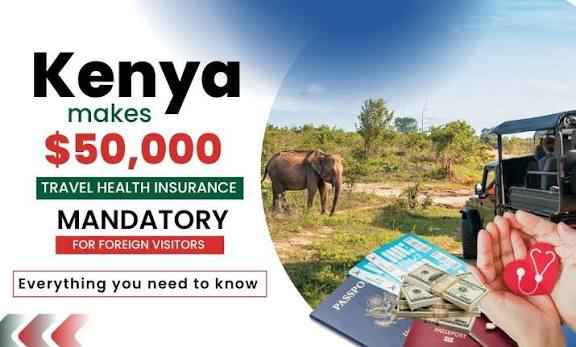
Planning your safari vaccines is an important part of preparing for a trip to Kenya or Tanzania. The good news is that most health risks on safari are easy to manage with a little planning: a visit to a travel clinic, the right vaccinations, malaria prevention and some common-sense habits on the road. Millions of visitors enjoy East Africa safely every year.
This guide explains the safari vaccines US travelers commonly discuss with their doctors, how malaria prevention works, what to know about yellow fever certificates and how to stay healthy on safari, from altitude and sun to food and water. It is general information only, so always follow the advice of your doctor or a travel medicine specialist.
In This Guide
- When to See a Doctor
- Routine Vaccines
- Commonly Recommended Safari Vaccines
- Yellow Fever
- Malaria Prevention
- Staying Healthy on Safari
- Your Travel Health Kit
- Frequently Asked Questions
When to See a Doctor About Safari Vaccines
Book an appointment with your doctor or a travel clinic at least six to eight weeks before you leave. Some safari vaccines need time to become effective, and a few require more than one dose. Travel clinics are found in most US cities, and many pharmacies also offer travel health consultations.
Bring your itinerary to the appointment, including the countries, parks and any beach or city stays, as well as your vaccination records. Your doctor will consider where you are going, the season, your age, your health and any medications you take before recommending safari vaccines and malaria prevention.
The CDC publishes detailed, up-to-date advice for travelers to Kenya and Tanzania. It is worth reading before your appointment so you can ask informed questions.
Routine Vaccines
Before thinking about specific safari vaccines, make sure your routine vaccinations are up to date. These include measles, mumps and rubella (MMR), tetanus, diphtheria and pertussis, chickenpox, polio, flu and COVID-19. Many adults have not had a tetanus booster in the last ten years, so check your records. Your doctor may also suggest a one-time adult polio booster for travel to some parts of Africa.
Commonly Recommended Safari Vaccines
Depending on your itinerary, your doctor may discuss these safari vaccines:
- Hepatitis A: commonly recommended for travelers to East Africa, as it can spread through food and water.
- Typhoid: often recommended, especially if you will eat outside hotels and lodges or visit rural areas. It is available as an injection or oral capsules.
- Hepatitis B: may be recommended, particularly for longer stays or if you might need medical treatment.
- Rabies: considered for travelers who will be in remote areas far from medical care, spend a lot of time outdoors or work with animals. Pre-exposure doses simplify treatment if you are bitten or scratched.
- Cholera: not usually needed for typical safari travelers, but your doctor will advise if your plans include areas with outbreaks.
- Meningitis: sometimes discussed for longer stays or travel during the dry season in certain regions.
Keep a record of every vaccine you receive, including dates and batch numbers, in case you need it for future trips. Not every traveler needs every vaccine. A typical one-week lodge-based safari usually requires fewer safari vaccines than a long overland trip or volunteering in rural communities.
Yellow Fever: Vaccine and Certificate
Yellow fever is the safari vaccine that most often causes confusion, because it affects both your health and your entry requirements.
Kenya: the CDC recommends yellow fever vaccination for most travelers aged nine months and older visiting many areas of Kenya, although it is generally not recommended for trips limited to Nairobi and parts of the coast. Kenya may require a certificate from travelers arriving from countries with a risk of yellow fever.
Tanzania: the risk of yellow fever in Tanzania is low, but Tanzania requires proof of vaccination from travelers arriving from countries with a risk of yellow fever transmission. Because Kenya is considered a risk country, travelers crossing from Kenya into Tanzania may be asked for a certificate.
The vaccine is given at authorized yellow fever clinics, and you receive an International Certificate of Vaccination, often called the yellow card. Carry it with your passport. One dose usually provides lifelong protection, although some travelers may need a booster. The World Health Organization provides more information. If you have a medical reason not to receive it, ask your doctor about a waiver letter.
For entry rules, read our guide to the Kenya eTA for US citizens and the Tanzania eVisa.
Malaria Prevention
Malaria is present in most safari areas of Kenya and Tanzania, although the risk is low in Nairobi and in high-altitude areas such as the Ngorongoro Crater rim. It is spread by mosquitoes that bite mainly between dusk and dawn. Malaria is preventable, and alongside your safari vaccines, prevention is one of the most important parts of your health plan.
Prescription Medicines
Your doctor may prescribe antimalarial tablets. Several options exist, each taken on a different schedule before, during and after your trip, and with different side effects. Your doctor will choose the best one for you based on your health, age and itinerary. Take every dose exactly as prescribed, including after you return home.
Avoiding Mosquito Bites
- Use insect repellent containing DEET, picaridin or oil of lemon eucalyptus on exposed skin.
- Wear long sleeves and long pants in neutral colors in the evening.
- Sleep under a mosquito net if your room has one, and keep doors and windows closed at night.
- Consider treating clothing with permethrin before you travel.
If you develop a fever during your trip or in the months after you return, seek medical care immediately and tell the doctor you have been to Africa.
Staying Healthy on Safari
Food and Water
Safari lodges and camps take food hygiene seriously, and meals are generally safe. Drink bottled or filtered water, which is provided in vehicles and rooms, and use it to brush your teeth. Be cautious with street food, salads washed in tap water and ice of unknown origin outside your lodge.
Sun and Heat
The equatorial sun is strong even when it feels cool. Wear a wide-brimmed hat, sunglasses and high-factor sunscreen, and drink water regularly on game drives.
Altitude
Nairobi sits at about 5,500 feet and the Ngorongoro Crater rim at about 7,500 feet. Most travelers feel only mild effects, such as shortness of breath on stairs. If you are climbing Mount Kilimanjaro, altitude sickness is a serious consideration, so discuss it with your doctor. Read our guide to climbing Kilimanjaro.
Wildlife Safety
Animals in the parks are wild. Stay inside the vehicle during game drives unless your guide says it is safe, follow lodge rules about walking after dark and never feed animals. Read our guide Is Kenya safe for tourists?
Your Travel Health Kit
- All prescription medicines, in original packaging, with copies of prescriptions
- Antimalarial tablets, if prescribed
- Insect repellent and after-bite cream
- Sunscreen, lip balm and after-sun lotion
- Pain relievers, antihistamines and motion sickness tablets for bumpy roads
- Oral rehydration salts and medicine for upset stomachs
- Hand sanitizer, band-aids and antiseptic wipes
- Your yellow fever certificate and vaccination records
Read our safari packing list for everything else to bring.
6 Essential Health Tips for US Travelers
1. Plan Your Safari Vaccines Early
Start six to eight weeks before departure so multi-dose safari vaccines have time to work and you can collect prescriptions without rushing.
2. Take Malaria Prevention Seriously
Follow your doctor's advice on antimalarials, use repellent every evening and cover up after sunset.
3. Carry Your Yellow Card
Keep your yellow fever certificate with your passport, especially if you cross between Kenya and Tanzania.
4. Drink Safe Water and Stay Hydrated
Stick to bottled or filtered water, and drink regularly on long, warm game drives.
5. Protect Yourself From the Sun
Hats, sunglasses and high-factor sunscreen are essential near the equator, even on cloudy days.
6. Buy Insurance With Evacuation Cover
Choose a policy that includes emergency air evacuation from remote safari areas.
Where to Get Safari Vaccines in the USA
Most US cities have travel clinics that specialize in safari vaccines and international health advice. Many large pharmacy chains also offer travel vaccinations, although not all stock the yellow fever vaccine, which must be given at an authorized center. Your primary care doctor can provide routine vaccines and may refer you to a travel clinic for the rest. Call ahead to check availability, especially in peak travel seasons, and ask whether the clinic can issue the International Certificate of Vaccination.
Check with your health insurance provider too. Some plans cover certain safari vaccines, while others treat travel vaccines as optional and do not cover them.
Health Care in Kenya and Tanzania
Nairobi has modern private hospitals and clinics with high standards of care, and Arusha and Dar es Salaam also have good private facilities. In remote safari areas, medical care is limited, which is why lodges keep first aid kits and have plans for evacuation. Air ambulance services operate across East Africa and can fly patients to Nairobi within hours. Pharmacies in towns stock most common medicines, but bring everything you need from home in case your preferred brand is unavailable.
Lodges can also call a doctor for minor illnesses, and many keep basic medicines on hand. Your safari guide is trained to handle common situations and knows the nearest clinics along your route. Tell your guide about any medical conditions or allergies at the start of your trip.
Common Myths About Safari Vaccines
Myth: You need dozens of shots. Most lodge-based travelers need only a few safari vaccines on top of routine ones. Your doctor will tailor advice to your trip.
Myth: Malaria pills are not needed in the dry season. Mosquitoes are fewer in dry months but still present in many areas, so follow your doctor's advice whatever the season.
Myth: Yellow fever vaccination is only about health. It is also an entry requirement in some situations, so carrying your certificate matters even if your risk is low.
Myth: Safari vaccines protect against everything. Vaccines are only part of the plan. Avoiding mosquito bites, drinking safe water and using sun protection are just as important.
Travel Insurance and Medical Evacuation
Good travel insurance is essential for any safari. Choose a policy that covers medical treatment abroad, emergency evacuation by air, trip cancellation and lost baggage. Many safari areas are far from major hospitals, so evacuation cover is especially important. In Kenya and Tanzania, air ambulance services can fly patients from remote airstrips to hospitals in Nairobi. Read our guide to Kenya travel insurance.
Safari Vaccines for Children and Seniors
Children can go on safari, but safari vaccines and malaria prevention need extra care, so see a pediatrician or travel clinic early. Some vaccines have minimum ages, and dosing for antimalarial medicines depends on weight. Older travelers and anyone with chronic conditions should also allow extra time for their appointment, as some vaccines and medicines interact with existing treatments. Read our guide to a family safari from the USA.
Tsetse Flies and Other Insects
Mosquitoes are not the only insects to think about. In some wooded areas of Tanzania, such as parts of Tarangire and the Serengeti, tsetse flies can be a nuisance during game drives. Their bites are painful, and they are attracted to dark blue and black clothing, so wear light, neutral colors such as khaki, beige and olive. Repellent helps, and your guide may close the vehicle windows in areas where the flies are common.
Ticks can be found in long grass, especially on walking safaris. Wear long pants tucked into socks when walking, and check your skin afterward. Ants, bees and scorpions are rarely a problem at lodges, but shake out shoes left outside overnight.
Pregnancy and Chronic Conditions
If you are pregnant or planning a pregnancy, talk to your doctor well before booking. Some vaccines are not recommended during pregnancy, and malaria can be especially serious for pregnant women, so your doctor may advise a different destination or timing. Travelers with heart or lung conditions, diabetes or weakened immune systems should also discuss their plans, as altitude, heat, long drives and limited medical care in remote areas can all be factors.
Carry a short medical summary listing your conditions, medicines and allergies, and share it with your safari guide. If you use medical equipment such as a CPAP machine, tell your safari company in advance so they can confirm power availability at each lodge.
Sleep, Jet Lag and Well-Being
Long flights from the USA and early safari starts can leave you tired, which makes it easier to catch colds or feel unwell. Build a rest afternoon into your itinerary, sleep when you can, stay hydrated and eat regular meals. A short walk in daylight on arrival helps your body adjust to East African time. Read our guide to flights from the USA to Kenya and Tanzania for jet lag tips.
COVID-19 and Other Requirements
Entry rules can change. Before you travel, check the latest requirements on the official Kenya eTA portal and the Tanzania eVisa portal, and review the CDC pages for both countries.
A Simple Health Timeline
- Eight weeks before: book your travel clinic appointment and gather vaccination records.
- Six weeks before: receive safari vaccines and collect any prescriptions.
- Two weeks before: buy repellent, sunscreen and travel health supplies.
- Before departure: start antimalarial tablets if your doctor advises.
- During the trip: take medicines as prescribed and avoid mosquito bites.
- After returning: finish your antimalarials and watch for fever.
Frequently Asked Questions
What safari vaccines do I need for Kenya? Routine vaccines plus, commonly, hepatitis A and typhoid. Yellow fever is recommended for many areas. Your doctor will advise on others.
Do I need a yellow fever vaccine for Tanzania? A certificate may be required if you arrive from a risk country, including Kenya.
Do I need malaria pills for a safari? Malaria is present in most safari areas, so many doctors recommend prevention. Ask your doctor.
How early should I get safari vaccines? Six to eight weeks before departure.
Is the water safe to drink? Drink bottled or filtered water, which lodges and safari vehicles provide.
Can I get safari vaccines at a pharmacy? Many US pharmacies offer travel vaccines, but yellow fever must be given at an authorized center. Call ahead to check availability.
Do I need rabies shots for a safari? Most lodge-based travelers do not, but your doctor may recommend them for remote trips or longer stays far from medical care.
Do children need safari vaccines? Yes. See a pediatrician or travel clinic early, as some vaccines have age limits.
Plan a Healthy Safari
With the right safari vaccines and a few simple precautions, you can focus on the wildlife and scenery. Our team can share itinerary details for your travel clinic appointment and answer questions about each park. Contact us for a free, tailor-made itinerary, or explore our Kenya safari packages and Tanzania safari packages. For a full trip overview, read our Kenya and Tanzania safari guide for Americans.
This article is general information and not medical advice. Always consult a qualified health professional before you travel.