

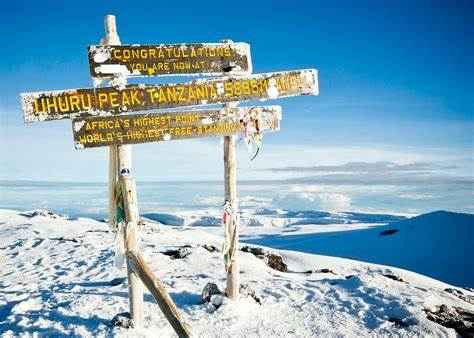
Climbing Kilimanjaro is one of the great adventures of a lifetime. At 5,895 metres, Uhuru Peak is the highest point in Africa and the summit of the tallest free-standing mountain in the world. You do not need technical climbing skills to reach it, yet standing on the crater rim at sunrise, with glaciers glowing below and the plains of Tanzania stretching to the horizon, feels like a true expedition.
This guide covers everything you need to know about climbing Kilimanjaro: the main routes and how they compare, the best time of year to go, how to deal with altitude, how fit you need to be, what to pack and what summit night is really like.
In This Guide
- About Mount Kilimanjaro
- Climbing Kilimanjaro: The Routes Compared
- How to Choose Your Route
- Best Time for Climbing Kilimanjaro
- Altitude and Acclimatisation
- Fitness and Training
- Summit Night
- What to Pack
- Plan Your Climb
About Mount Kilimanjaro
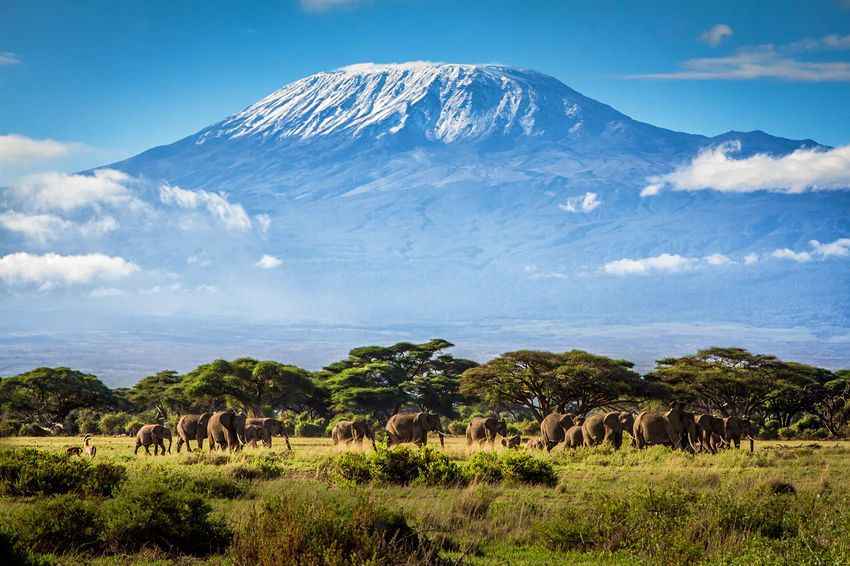
Kilimanjaro rises from the plains of northern Tanzania, close to the border with Kenya. It is a dormant volcano made up of three cones: Kibo, the highest and youngest, which holds the summit crater and Uhuru Peak; Mawenzi, a jagged peak to the east; and Shira, a broad, eroded plateau to the west.
The mountain is protected within Kilimanjaro National Park, managed by Tanzania National Parks, and it is a UNESCO World Heritage Site. Its snow-capped summit and retreating glaciers have made it one of the most recognisable mountains on Earth.
One of the most fascinating parts of climbing Kilimanjaro is the way you pass through distinct climate zones as you gain height:
- Cultivated lower slopes, where villages, coffee and banana farms surround the park.
- Montane rainforest, home to colobus monkeys, mossy trees and birdsong.
- Heath and moorland, with giant heathers, giant groundsels and lobelias that look like something from another planet.
- Alpine desert, a stark landscape of rock and gravel with huge daily temperature swings.
- The arctic summit zone, with ice cliffs, glaciers and thin, freezing air.
Walking from the tropics to the arctic in a few days is a big part of what makes climbing Kilimanjaro so special.
Climbing Kilimanjaro: The Routes Compared
There are several established routes for climbing Kilimanjaro. They differ in scenery, difficulty, crowd levels and, most importantly, how well they help your body adjust to altitude.
Marangu Route
Marangu is the oldest route and the only one with hut accommodation. Climbers sleep in shared A-frame huts at Mandara, Horombo and Kibo, rather than in tents. The trail climbs through rainforest and moorland before crossing the saddle between Mawenzi and Kibo. Climbers usually take five or six days, ascending and descending on the same path. It is a good choice for those who prefer a bed to a tent, although the shorter itinerary gives less time to acclimatise, so adding the sixth day is strongly recommended. Our 7 Day Mt Kilimanjaro Hike via Marangu Route builds in time to adjust.
Machame Route
Machame is one of the most popular routes for climbing Kilimanjaro. It is scenic and varied, approaching from the south-west through rainforest, across the Shira Plateau and around the southern side of Kibo, including the famous Barranco Wall scramble. Most climbers take six or seven days. Its "climb high, sleep low" profile helps acclimatisation.
Lemosho Route
Lemosho starts in the far west of the mountain and crosses the whole Shira Plateau before joining the southern circuit. It is quieter at the start, offers outstanding views and usually takes seven or eight days. The longer itinerary gives excellent acclimatisation, which is why many experienced guides recommend it for climbing Kilimanjaro.
Rongai Route
Rongai approaches from the north, close to the Kenyan border. It is drier than the southern routes, making it a good option in the wetter months, and it is generally less crowded. Climbers descend on the Marangu side, so they see two sides of the mountain. Most itineraries take six or seven days.
Northern Circuit
The Northern Circuit is the longest route, typically eight or nine days. It begins like Lemosho, then circles around the quiet northern slopes before the summit attempt. The extra time on the mountain gives superb acclimatisation, remote scenery and very few other climbers.
Umbwe Route
Umbwe is the steepest and most direct route. It gains height quickly and is best suited to experienced trekkers who already know how they react to altitude.
How to Choose Your Route for Climbing Kilimanjaro
The right route depends on your experience, the time you have and the kind of experience you want. Here are a few questions to help you decide:
- How many days do you have? More days almost always mean a better chance of reaching the summit. If you can, choose an itinerary of at least seven days.
- Do you prefer huts or tents? Marangu is the only route with huts. All the others use tented camps, which are set up by your crew.
- How do you feel about crowds? Machame and Marangu are busy in peak season, while Lemosho, Rongai and the Northern Circuit are quieter.
- What scenery do you want? Machame and Lemosho offer the most varied landscapes, while Rongai feels more remote.
- When are you travelling? In the wetter months, the northern Rongai Route is often drier.
When climbing Kilimanjaro, the single most important factor is giving your body enough time to adapt to the altitude. A longer route is a wise investment in your summit chances and your safety.
Best Time for Climbing Kilimanjaro
Climbing Kilimanjaro is possible throughout the year, but conditions vary with the seasons:
- January to mid-March is a dry, warmer period with clear skies on many days. It is a lovely time to climb, and the summit can have a fresh covering of snow.
- Late March to May brings the long rains. Trails are wet and muddy, cloud cover is common and fewer climbers attempt the mountain.
- June to October is the main dry season and the most popular time for climbing Kilimanjaro. Nights at high camps are very cold, but the weather is generally stable.
- November brings the short rains, with afternoon showers on the lower slopes.
- December is drier again and popular over the festive holidays.
Many climbers like to time their summit night close to a full moon, which lights the trail and creates a magical atmosphere. Others prefer darker skies for stargazing. Our guide to the best time to visit Tanzania explains how the seasons also affect a safari after your climb.
Altitude and Acclimatisation
Altitude is the biggest challenge when climbing Kilimanjaro. As you climb, the air contains less oxygen, and your body needs time to adjust. Almost everyone feels some effects, such as headaches, poor sleep or loss of appetite, but these usually improve with rest.
Acute mountain sickness can become serious if ignored. Warning signs include a severe headache that does not ease, vomiting, confusion, loss of coordination or breathlessness at rest. If these appear, the only reliable treatment is to descend.
These simple habits make a big difference:
- Go slowly. Your guides will remind you to walk "pole pole", which means "slowly, slowly" in Swahili.
- Drink plenty of water, usually around three to four litres a day.
- Eat well, even when your appetite fades.
- Climb high, sleep low. Acclimatisation walks to higher points before returning to camp help your body adapt.
- Be honest with your guides. Tell them how you feel every day. They are trained to monitor climbers and will make safe decisions.
- Talk to your doctor before you travel about altitude medication and any health conditions.
Climbing Kilimanjaro with an experienced, licensed operator is essential. All climbers must be accompanied by registered guides, and good crews carry oxygen and first-aid equipment and check your health daily.
Fitness and Training for Climbing Kilimanjaro
You do not need mountaineering experience for climbing Kilimanjaro, but good fitness helps you enjoy the trek and recover each day. Most days involve five to seven hours of walking at a slow pace, and summit night is much longer.
Start preparing two or three months before your trip:
- Go on regular hikes, gradually increasing distance and elevation.
- Walk with a loaded daypack to get used to carrying weight.
- Include stair climbing or hill walking to strengthen your legs.
- Add cardio sessions such as cycling, swimming or running.
- Break in your hiking boots well before you travel.
Mental strength matters as much as physical fitness. The climbers who succeed are often those who stay patient, keep a steady rhythm and listen to their guides. A practice hike on a smaller mountain is also a great idea. In Kenya, a Mount Kenya hike or a day hike up Mount Longonot makes excellent preparation.
Summit Night: The Final Push
Summit night is the most demanding and the most memorable part of climbing Kilimanjaro. On most routes you leave the high camp around midnight, wearing every warm layer you have, with your headlamp lighting the path.
The climb up the steep scree slopes takes six to eight hours. Temperatures can fall well below freezing, and progress is slow and rhythmic. On the southern routes you reach the crater rim at Stella Point, while on Marangu and Rongai you arrive at Gilman's Point. From there, a gentler walk around the rim leads to Uhuru Peak.
Reaching the summit sign as the sun rises over Mawenzi is an unforgettable moment. After photographs and celebrations, you begin the long descent back to a lower camp, often arriving tired but elated by the afternoon.
Life on the Mountain
A typical day starts with hot tea or coffee brought to your tent, followed by breakfast and a morning of walking. Your crew of guides, cooks and porters carries the equipment, sets up camp and prepares hearty meals. Evenings are spent in the mess tent, talking about the day and preparing for the next.
The support crew is the backbone of every climb. Choose an operator that treats its porters fairly, with reasonable load limits, proper equipment and fair working conditions. Tipping your crew at the end of the climb is customary, and your operator will explain the usual practice.
Climbing Kilimanjaro Day by Day: A Sample Machame Itinerary
To give you a feel for life on the mountain, here is how a typical seven-day Machame itinerary unfolds. Exact camps and walking times vary between operators.
Day 1: Machame Gate to Machame Camp
After registering at the park gate, you walk through lush rainforest on a well-worn path. Look out for colobus monkeys in the canopy. The day ends at a camp on the edge of the forest.
Day 2: Machame Camp to Shira Cave Camp
The trail leaves the forest and climbs into heath and moorland, with the first wide views across the Shira Plateau and Kibo's glaciers ahead.
Day 3: Shira to Lava Tower and Barranco Camp
This is a classic acclimatisation day. You climb to Lava Tower, at around 4,600 metres, for lunch before descending to sleep at Barranco Camp, a lower valley ringed by giant groundsels.
Day 4: Barranco to Karanga Camp
The morning begins with the Barranco Wall, a short, exciting scramble with superb views. The trail then winds across ridges and valleys to Karanga Camp.
Day 5: Karanga to Barafu Camp
A shorter walk takes you to Barafu, the high camp on a rocky ridge. You rest, eat an early dinner and try to sleep before the summit attempt.
Day 6: Summit and Descent
You set off around midnight, reach Stella Point near dawn and continue to Uhuru Peak. After the summit, you descend to a lower camp for a well-earned rest.
Day 7: Descent to the Gate
The final morning brings a walk back through the rainforest to the gate, where you collect your summit certificate and celebrate with your crew.
Looking After the Mountain
Thousands of people are climbing Kilimanjaro every year, so responsible behaviour helps protect this fragile environment. Carry all rubbish off the mountain, use the toilet facilities provided at camps, stay on marked trails and avoid single-use plastics where you can. Choosing an operator that follows park regulations and treats its crew fairly also helps keep the mountain healthy for future climbers.
What to Pack for Climbing Kilimanjaro
Good equipment keeps you warm, dry and safe. Here is a checklist for climbing Kilimanjaro:
- Waterproof, broken-in hiking boots and comfortable camp shoes
- Thermal base layers for top and bottom
- A fleece mid-layer and an insulated down jacket
- A waterproof and windproof jacket and trousers
- Hiking trousers and a few moisture-wicking shirts
- A warm hat, sun hat, buff and insulated gloves with liners
- Thick hiking socks and liner socks
- A four-season sleeping bag suitable for well below freezing
- A headlamp with spare batteries
- Trekking poles
- Gaiters for scree and mud
- Water bottles or a hydration bladder with an insulated tube
- Sunglasses with high UV protection and high-factor sunscreen
- A personal first-aid kit and any prescribed medication
- A daypack with a rain cover and a waterproof duffel for your crew to carry
Our safari packing list covers the lighter clothing you will need for the rest of your trip.
Common Questions About Climbing Kilimanjaro
How long does climbing Kilimanjaro take? Most routes take between five and nine days. Longer routes give better acclimatisation and higher summit success.
Is climbing Kilimanjaro dangerous? With a licensed operator, a sensible itinerary and attention to altitude symptoms, it is a safe adventure for healthy, well-prepared climbers.
Do I need technical skills? No. Climbing Kilimanjaro is a high-altitude trek, not a technical climb. The Barranco Wall involves a short scramble using your hands, but no ropes are needed.
What is the minimum age? Park rules set a minimum age for summit attempts. Speak to your operator if you are planning a family climb.
Will I be cold on the mountain? Yes, at night and on summit day. Temperatures near the top can fall well below freezing, so a good sleeping bag, an insulated jacket, warm gloves and a hat are essential. Daytime walking in the lower zones is usually mild and pleasant.
Can I see Kilimanjaro from Kenya? Yes. Some of the finest views of the mountain are from Amboseli National Park in Kenya. Read our Amboseli safari guide.
Combine Climbing Kilimanjaro With a Safari or Beach Break
After climbing Kilimanjaro, many travellers reward themselves with a safari or a few days on the beach. Northern Tanzania's famous parks are close to the mountain, and Zanzibar's beaches are a short flight away.
- Visit elephants and baobabs in Tarangire National Park
- Explore the Serengeti and Ngorongoro on our 4 Day Serengeti and Ngorongoro Crater Safari
- Relax on the island with our 5 Day Zanzibar Island Tour
- Cross into Kenya for elephants under Kilimanjaro on the 3 Day Amboseli Safari
Plan Your Kilimanjaro Climb
Climbing Kilimanjaro is a goal that stays with you for life. With the right route, careful acclimatisation and an experienced team, standing on the Roof of Africa is within reach for most fit, determined travellers.
Explore our Tanzania safari packages, see the 7 Day Kilimanjaro hike via the Marangu Route, or contact us and we will help you choose the best route and dates for your climb.