

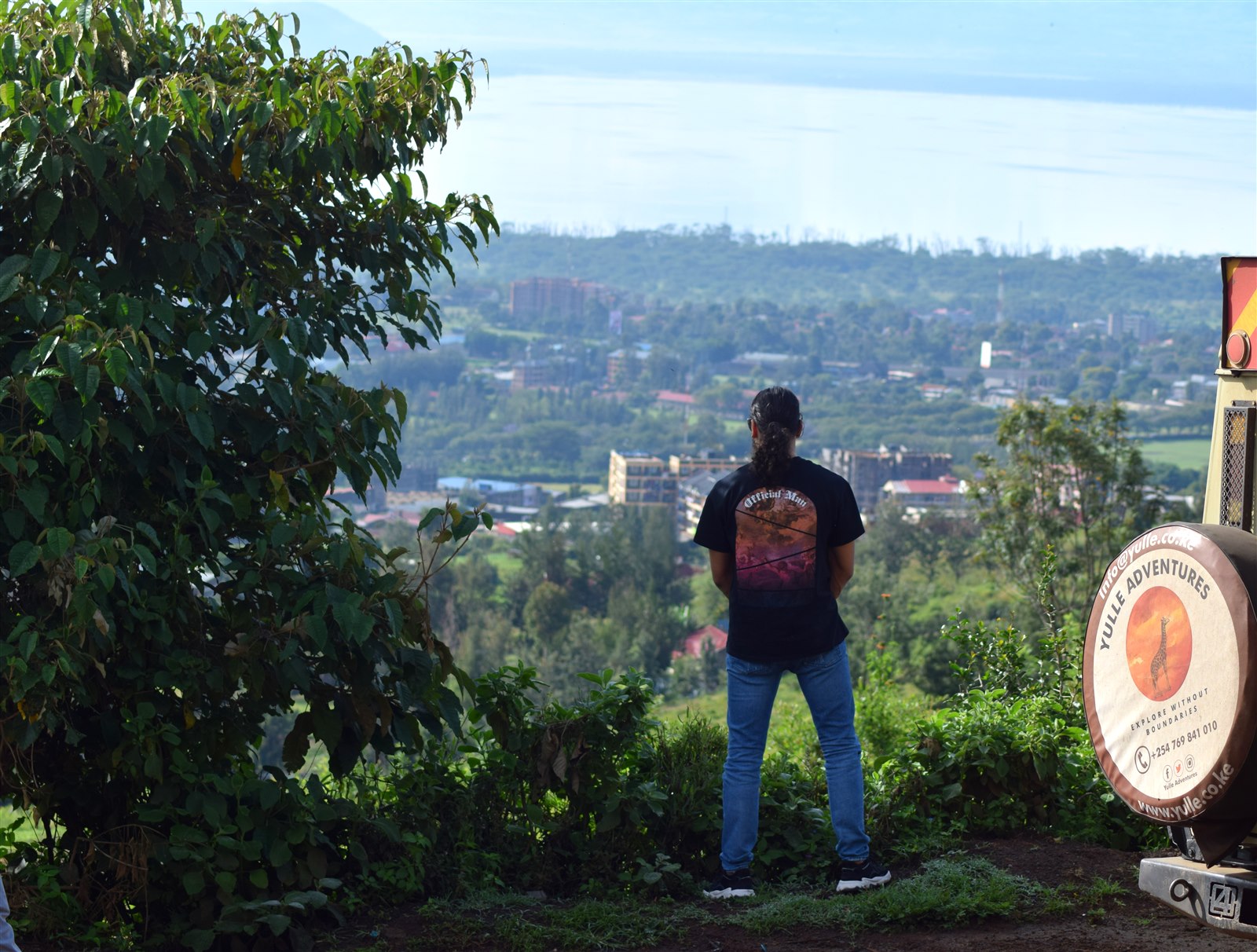
Walking safaris strip a Kenya or Tanzania trip down to its simplest, most direct form: you, a guide, an armed ranger, and the bush under your own feet. There is no engine noise, no window between you and the landscape, and no quick getaway if something changes its mind about you. For many travelers who have already done a few vehicle-based game drives, walking safaris are the thing that turns a good trip into an unforgettable one.
This guide explains what walking safaris actually involve, where in Kenya and Tanzania you can do them, how safe they are, what to expect physically, what to pack, and who tends to get the most out of this slower, quieter way of experiencing the wild.
In This Guide
- What a Walking Safari Actually Involves
- What You Notice on Foot That You Miss From a Vehicle
- Where to Find Walking Safaris in Kenya and Tanzania
- Safety and the Role of the Armed Ranger
- Fitness Levels and Walk Lengths
- What to Wear and Bring
- Etiquette and the Conservation Angle
- Who Enjoys Walking Safaris Most
- How This Compares to a Game Drive
- Guide Training and Qualifications
- A Typical Morning on Foot
- Booking a Walk Into Your Trip
- Frequently Asked Questions
What a Walking Safari Actually Involves
Walking safaris are led by a qualified guide and, in most areas, an armed ranger walking a short distance behind or beside the group. Groups are kept deliberately small, often six people or fewer, because a crowd on foot is both noisier and harder to manage safely than a vehicle full of people. The pace is slow and deliberate, nothing like the brisk hike it might sound like on paper.
Unlike a game drive, where the vehicle sets the rhythm, walking safaris are shaped entirely by what the guide notices along the way. A fresh track, an alarm call from a nearby bird, or a change in the wind direction can all become the focus of the next ten minutes. There is no itinerary beyond a rough loop and a return time.
Most walking safaris last one to three hours, usually scheduled for early morning when temperatures are cooler and animals are most active. Some camps in Kenya and Tanzania also offer multi-day walking safaris with fly-camping, where you walk between simple overnight camps rather than returning to the same lodge each night.
What You Notice on Foot That You Miss From a Vehicle
Vehicles cover ground quickly and insulate you from scale and sound. Time on foot removes both of those things. You notice how tall the grass really is, how far sound travels across open country, and how much is happening at ankle height that a moving vehicle simply drives past.
Guides on walking safaris read tracks and dung with a precision that is hard to appreciate from a car window. A single print in soft mud can tell a skilled guide an animal's species, approximate size, direction of travel, and roughly how long ago it passed. Dung tells its own story about diet and health. None of this detail survives at vehicle speed.
Smaller Life Gets Noticed
Time on foot also shifts attention toward smaller, easily overlooked life: dung beetles rolling their prize across a track, the architecture of a termite mound, a chameleon changing colour on a branch at eye level. Birdwatchers in particular tend to see and hear far more on foot, since a stationary group picks up calls that a moving engine drowns out.
Silence as Part of the Experience
Perhaps the biggest difference on walking safaris is silence. Without an engine, you hear the bush as it actually sounds: insects, distant birdcalls, the wind in dry grass, and occasionally the low rumble of something larger you cannot yet see. Many guests say this silence is what stays with them longest after the walk ends.
Where to Find Walking Safaris in Kenya and Tanzania
Walking safaris are most widely available on private land, where operators have more flexibility than in heavily used national reserves. In Kenya, the Laikipia Plateau's private conservancies are among the best places for this, with large tracts of land, low vehicle density, and guides trained specifically for walking. Several Mara-area conservancies bordering the Masai Mara also offer short guided walks, usually just outside the main reserve boundary.
In Samburu in northern Kenya, some community conservancies around the reserve run walking safaris with local Samburu guides who bring both wildlife knowledge and cultural context to the walk. In Tanzania, walking safaris are offered by licensed operators in and around the Serengeti and Ngorongoro area, usually as a short add-on rather than the main activity, since strict national park rules limit where walking is permitted.
Because walking safaris depend heavily on local regulations and the specific concession an operator holds, it is worth confirming with your safari company early in the planning process whether walking safaris are available on the particular properties in your itinerary.
Safety and the Role of the Armed Ranger
An armed ranger is standard practice on walking safaris across Kenya and Tanzania, not a sign that something is likely to go wrong. Rangers are trained to read the landscape well ahead of the group, to recognise warning signs long before most visitors would notice anything, and to manage an encounter calmly if one occurs.
Guides brief every group before setting out. You will be asked to walk in single file, stay close together, keep voices low, and follow instructions immediately if the guide signals to stop or change direction. These rules exist because predictable group behaviour is what keeps walking safaris safe, far more than the rifle itself.
In practice, most such outings pass without any dramatic encounter at all. Guides generally steer groups well away from potentially dangerous animals rather than toward them, which means a typical walk is far closer to a calm nature lesson than an adventure film.
Fitness Levels and Walk Lengths
Most outings like this are suitable for anyone in reasonably good general health who can manage a flat or gently undulating walk for one to three hours, with regular stops to look at tracks, plants, or distant wildlife. This is not a forced march, and guides set the pace around the slowest member of the group.
Some camps offer longer, more demanding options, including full-day outings or multi-day fly-camping routes that cover more varied terrain. These suit guests who specifically want a greater physical element, but they are the exception rather than the standard offering.
If mobility is a concern, it is worth discussing walking safaris directly with your operator in advance, since walk length, terrain and pace can usually be adjusted for a private group.
What to Wear and Bring on Walking Safaris
Comfortable, closed walking shoes are essential, ideally already broken in before the trip. Neutral colours such as khaki, olive and beige work best, since bright colours and stark white can be more visible to wildlife and also show dust quickly.
- A hat and high-factor sunscreen, since walking safaris usually happen in open sun with little shade
- A light long-sleeved shirt for sun and insect protection
- A small daypack with water, as walking safaris can be warm work even in the cooler morning hours
- Binoculars, kept to hand rather than packed away, for distant sightings spotted on foot
- A camera with a versatile lens, since walking safaris often produce close, detailed shots rather than distant telephoto ones
Our full Kenya safari packing list covers the broader trip; the list above is specifically what matters most once you are out of the vehicle and on foot.
Etiquette and the Conservation Angle of Walking Safaris
Walking safaris are deliberately low-impact. Routes are chosen to avoid disturbing resting animals, groups stay small, and guides keep a respectful distance from anything potentially dangerous rather than approaching for a closer look. This is partly about guest safety and partly about minimising stress on wildlife that vehicles rarely cause at the same level.
Many conservancies that offer walking safaris also keep vehicle traffic away from dedicated walking routes, which helps preserve both the quiet experience for guests and the undisturbed behaviour of animals in that specific area. Staying on marked paths, not picking up natural objects, and following your guide's lead on where to pause all support this.
Conservation fees linked to many of these conservancies also fund anti-poaching patrols and community programmes, so choosing an operator who works within this model adds a practical benefit beyond your own time on foot.
Who Enjoys Walking Safaris Most
Photographers often rate walking safaris highly, since being on foot allows for lower, more creative angles and close detail shots of plants, insects and tracks that are impossible from inside a vehicle. The slower pace also suits careful composition rather than the quick reactions a passing sighting demands from a moving car.
Birdwatchers are another natural fit, since walking safaris move quietly enough to hear calls and spot movement in the undergrowth that an engine would otherwise mask. Repeat safari travelers, who have already done several vehicle-based trips, frequently choose walking safaris specifically because they want a genuinely different experience rather than more of the same.
Families with older children, and anyone who simply prefers a slower, more reflective way of engaging with a wild landscape, also tend to come away from walking safaris with some of their strongest memories of the whole trip.
How This Compares to a Game Drive
A vehicle can cover far more ground in a morning than any group on foot ever could, which is why most itineraries still build a trip mainly around game drives and treat time on foot as an addition rather than a replacement. Range and speed are the vehicle's clear advantage, especially when the goal is covering a wide search area for a specific predator sighting.
What a guided walk trades away in distance, it makes up for in depth. Where a drive might pass a termite mound without slowing down, a guide leading a group on foot will often stop beside it for several minutes, explaining the colony's structure and the role it plays in the wider ecosystem. The two activities answer different questions: a drive asks "what can we find," while an outing on foot asks "what is actually happening right here."
Most experienced safari-goers end up valuing both. A few days of game drives build a broad picture of an area's wildlife, while even a single morning spent on foot adds texture and detail that a windscreen never quite delivers.
Guide Training and Qualifications
Leading guests on foot requires a different, more demanding skill set than driving a vehicle, and reputable operators in Kenya and Tanzania take this seriously. Walking guides typically hold additional certifications beyond a standard driver-guide qualification, covering dangerous game behaviour, bush first aid, and the judgment needed to read a situation well before it becomes a problem.
In Kenya, many of the conservancies that offer this activity require guides to pass a specific walking-guide assessment before they are allowed to lead groups outside a vehicle. Armed rangers, usually drawn from local community scouts or wildlife authority staff, add a second layer of experience, often built over years of patrolling the same stretch of bush on foot.
When booking, it is reasonable to ask your operator about a guide's specific walking qualifications, particularly for longer or more remote routes. A well-run operation will have no hesitation explaining exactly who leads these outings and what training they carry.
A Typical Morning on Foot
Most outings begin early, often just after sunrise, when the air is cool and animals are still settling into the day's rhythm. The guide and ranger will usually gather the group for a short briefing at the start point, covering the planned route, the single-file formation, and what to do if asked to stop.
The first stretch is often the quietest, with attention on tracks left overnight, the first birdcalls of the morning, and the guide pointing out plants used traditionally for medicine or tools. As the sun climbs, the pace may pause more often, with longer stops to watch a distant herd or follow a particularly fresh trail.
A mid-morning pause for tea or coffee, sometimes set up in advance at a scenic spot, is a common feature on longer routes. The group then loops back toward the start point, usually arriving in time for a late breakfast back at camp, with two or three hours having passed almost without anyone checking a watch.
Booking a Walk Into Your Trip
Many camps and conservancies that offer this activity include one or two short outings as part of a standard stay, particularly in the private conservancies of Laikipia and around the Mara. Others treat it as an optional add-on that can be arranged with a day or two of notice, depending on ranger and guide availability.
Because availability depends on local staffing and the specific concession rules of each property, it is worth mentioning your interest when your itinerary is first being planned rather than waiting until you arrive. This gives your operator time to confirm which camps on your route genuinely offer well-run options, rather than a brief, token stroll around the lodge grounds.
If this kind of outing is a priority for your trip, say so clearly when booking, and ask specifically which days and camps on your itinerary include it, so your expectations match what is actually arranged.
Frequently Asked Questions
Are walking safaris dangerous? Not when run by a licensed operator with a trained guide and armed ranger. Routes and distances are chosen conservatively, and most walks pass without any close encounter at all.
Do I need to be very fit for walking safaris? No. Most walks are one to three hours at a gentle pace on flat or gently rolling ground. Longer, more demanding options exist for those who want them.
Can children do walking safaris? Many operators set a minimum age, often around twelve, though this varies by property. Check directly with your safari operator when booking.
Will I definitely see big animals on a walking safari? Not necessarily, and that is part of the appeal. Walking safaris focus as much on tracks, smaller wildlife and the landscape itself as on headline sightings.
Where are walking safaris best in Kenya? The Laikipia Plateau's private conservancies and several Mara conservancies are among the most established options, alongside parts of Samburu.
Can I combine walking safaris with a normal game-drive itinerary? Yes. Most travelers add one or two walking safaris to an otherwise vehicle-based trip rather than walking every day.
Do I need special qualifications myself to join? No. No prior experience is required; the guide and ranger carry the specialist knowledge, and the group simply follows their lead.
Is an extra fee usually charged for this activity? It varies by property. Some include it in the standard rate, while others charge an additional fee, so confirm this with your operator when booking.
Combining This With the Rest of Your Trip
Most travelers treat time on foot as one layer within a broader itinerary rather than the whole trip. A common pattern is to spend the first few days of a Kenya or Tanzania safari on game drives, building a sense of the landscape and its wildlife from a vehicle, then add one or two mornings on foot partway through once everyone is settled into the rhythm of early starts and bush routines.
Camps that offer this activity often pair it naturally with other conservancy experiences, such as a sundowner drive later the same day or a visit to a nearby community project. Because the pace is so different from a drive, scheduling it for a day without a long onward transfer tends to work best, so there is no rush to pack up immediately afterward.
If your itinerary includes stops in more than one region, it is worth checking which specific camps along the route are set up for this activity, since not every property offers it even within the same conservancy.
Plan Your Safari
If you would like to add walking safaris to your Kenya or Tanzania itinerary, contact us and we will match you with conservancies and camps that offer genuine, well-run walks alongside your game drives. Browse our Kenya safari packages for itineraries that can be adapted to include walking safaris, and read our guide to UK travel advice for Kenya and Tanzania as part of your planning.