

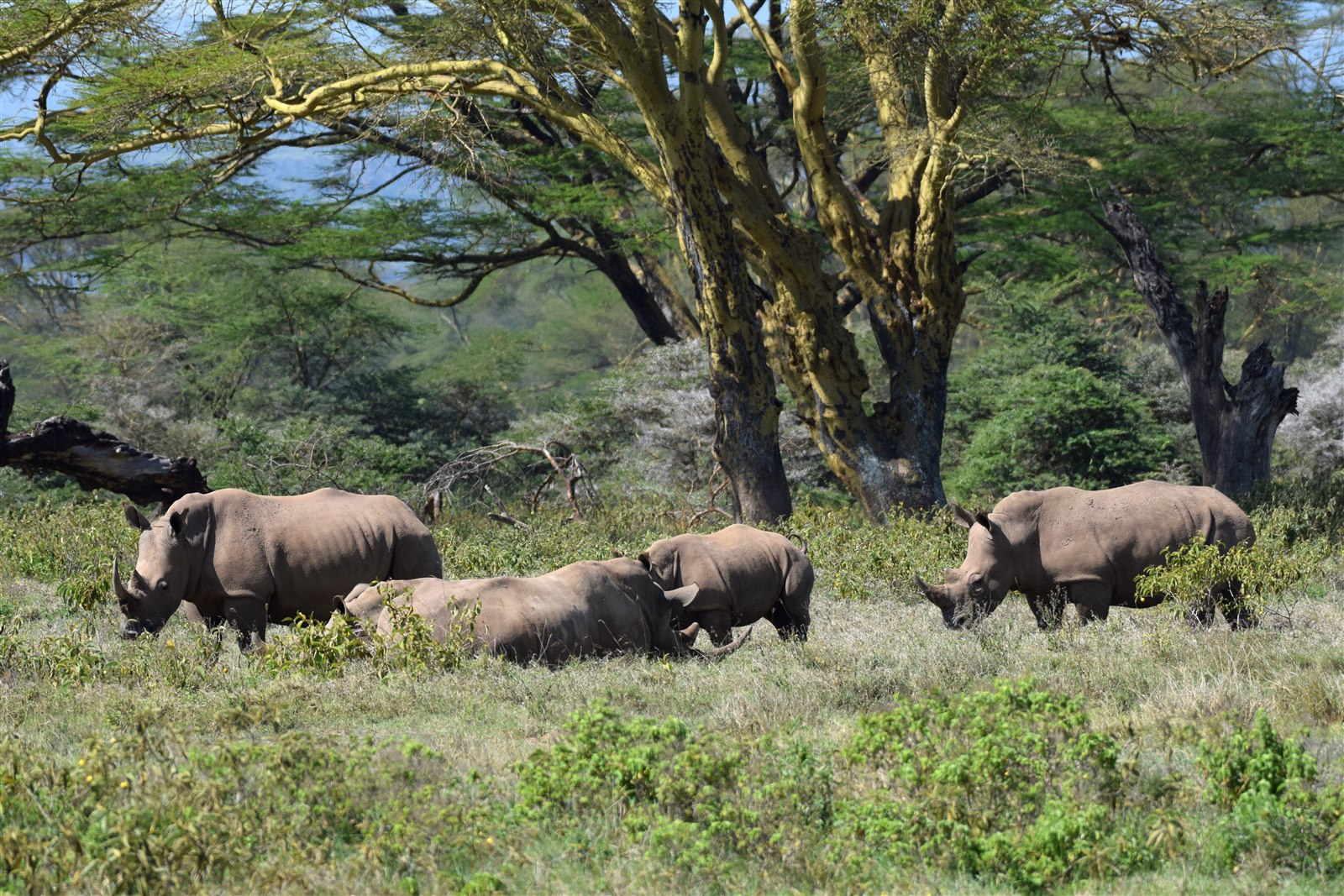
The Laikipia Plateau is the part of Kenya most first-time safari-goers have never heard of, and most second- and third-time visitors can't stop talking about. Tucked north of Mount Kenya and the Aberdares, the Laikipia Plateau is a patchwork of private and community-owned land that has quietly become one of the most interesting places to see wildlife anywhere in East Africa.
Where the Masai Mara and Amboseli are run as public national reserves, the Laikipia Plateau is almost entirely privately managed. That single fact changes everything about what a safari here looks like, from the number of vehicles at a sighting to the kinds of activities you can do after dark. This guide explains what makes the Laikipia Plateau different, which conservancies and camps matter most, and how to fit it into a wider Kenya itinerary.
In This Guide
- What Makes the Laikipia Plateau Different
- The Conservancy Model Behind the Laikipia Plateau
- Key Conservancies and Camps
- Rhino Conservation on the Laikipia Plateau
- Wild Dogs and Other Predators
- Activities You Won't Find Everywhere Else
- Combining Laikipia With the Rest of Kenya
- The Human Side of the Plateau
- The Landscape Itself
- Birdlife Across the Plateau
- Choosing the Right Camp
- What to Pack
- Getting There
- How Conservation Fees Are Used
- Frequently Asked Questions
What Makes the Laikipia Plateau Different
Most of Kenya's famous wildlife areas, including the Masai Mara, are government-run national reserves open to any licensed vehicle. The Laikipia Plateau works on a completely different system: almost every conservancy here is privately owned, usually by a mix of individual ranchers, pastoralist communities and conservation trusts working together.
Because access to the Laikipia Plateau is controlled by the conservancies themselves rather than left open to the public, vehicle numbers at any sighting stay low. It is common to have a leopard, a pack of wild dogs or a rhino entirely to yourself and your guide, something that is increasingly rare in the busier parts of the Mara during peak season.
That same private status also means the rules are more flexible. Off-road driving, night drives and walking safaris are usually permitted across much of the Laikipia Plateau, where they are restricted or banned in most national reserves. For travelers who have already done a classic Mara safari, the Laikipia Plateau often feels like the "advanced" version of Kenya.
The Conservancy Model Behind the Laikipia Plateau
The conservancy model is the engine that makes the Laikipia Plateau work, both for wildlife and for people. Landowners, pastoralist communities and tourism operators enter into long-term agreements: a share of every visitor's conservation fee goes directly to the communities and ranches that set aside land for wildlife rather than more intensive farming or grazing.
This matters because the Laikipia Plateau sits in a working landscape. Cattle ranching has coexisted with wildlife here for generations, and the conservancy system gives that coexistence a financial logic: healthy wildlife populations on the Laikipia Plateau become an income stream rather than a competitor for grass and water.
Why This Benefits Travelers
For visitors, the practical upshot is a landscape that feels lived-in rather than purely wild, with far fewer vehicles, closer relationships between guides and guests, and a direct, visible link between the fee you pay and the community standing next to the wildlife you came to see on the Laikipia Plateau.
Key Conservancies and Camps on the Laikipia Plateau
The Laikipia Plateau is not one single property but a mosaic of conservancies, each with its own character. A handful of names come up again and again when people plan a trip here.
Ol Pejeta Conservancy
Ol Pejeta sits at the eastern edge of the Laikipia Plateau and is probably the best known name in the region, home to the last two northern white rhinos on Earth alongside a thriving black rhino population. Read our dedicated Ol Pejeta Conservancy guide for the full picture of what a visit there involves.
Lewa Wildlife Conservancy
Lewa is one of the original rhino sanctuaries on the Laikipia Plateau and a UNESCO World Heritage Site in its own right, known for both black and white rhino as well as the rare Grevy's zebra, a striking, narrow-striped species found almost nowhere else.
Loisaba Conservancy
Loisaba occupies rugged, hilly ground on the Laikipia Plateau with sweeping views toward Mount Kenya, and is known for innovative, low-impact camps, including a star-bed experience where guests sleep under the open sky on a raised platform.
Borana Conservancy
Borana shares an unfenced border with Lewa, effectively doubling the space available to wildlife moving across this part of the Laikipia Plateau, and is particularly well regarded for horseback safaris across open, rolling country.
Rhino Conservation on the Laikipia Plateau
More black rhinos live on the Laikipia Plateau than almost anywhere else in Kenya, a direct result of decades of fenced sanctuary management, dedicated ranger teams and the conservancy funding model described above. White rhinos, both the southern subspecies and the world's last two northern white rhinos at Ol Pejeta, add to the picture.
Seeing a rhino on the Laikipia Plateau rarely feels like ticking a box. Guides here often know individual animals by name and history, and the smaller, calmer sightings typical of private conservancies give you time to actually watch rhino behavior rather than snap a photo and move on.
Wild Dogs and Other Predators
The Laikipia Plateau is widely considered one of the best places in Kenya to see African wild dogs, one of the continent's most endangered carnivores. Packs here roam across conservancy boundaries, and sightings of dogs denning or hunting are a genuine highlight for safari-goers who have never seen this species before.
Lion, leopard and cheetah are all present across the Laikipia Plateau too, though in lower densities than the Mara's grassland prides. What the plateau lacks in sheer predator numbers it makes up for in the quality and privacy of each encounter.
Activities You Won't Find Everywhere Else
Because the Laikipia Plateau is privately managed, camps here can offer activities that are simply not possible in most national reserves.
Night Game Drives
Spotlight-guided night drives reveal a different cast of characters on the Laikipia Plateau: genets, aardvarks, porcupines and other nocturnal species that daytime visitors almost never see.
Walking Safaris
Guided walks on foot, with an experienced ranger, let you read tracks and scents up close. If this activity interests you, our dedicated Samburu guide covers a neighboring region where walking is also common.
Horseback and Camel Safaris
Riding across the Laikipia Plateau on horseback or by camel is a genuinely different way to experience the bush, moving quietly enough that wildlife often barely reacts to your approach.
Combining the Laikipia Plateau With the Rest of Kenya
Few travelers visit this region as a stand-alone destination. Most combine a few nights here with a classic Masai Mara safari or with Samburu further north, using the plateau as the quieter, more intimate counterpoint to the bigger-name parks. Read more in our Masai Mara conservancies guide for how the private-land model works in that region too.
Flights connect most airstrips on the plateau directly with Nairobi, the Mara and Samburu, so building a multi-stop Kenya itinerary around this region is usually straightforward. Browse our Kenya safari packages for ideas on how to structure a trip that includes it.
A popular pattern starts with two or three nights on the plateau, where the pace is unhurried and the first game drives tend to be quiet and personal, before flying on to the Mara for the sheer density of predators and herds that the grasslands are famous for. Travelers doing the reverse route often say arriving on the Laikipia Plateau after the Mara feels like a deliberate exhale, a chance to slow down after the business of a bigger reserve.
Samburu pairs just as naturally with this plateau country. Both regions share a similar philosophy of lower vehicle density and flexible activities, so a combined itinerary rarely feels like a step down in quality between the two stops. Guides on the Laikipia Plateau and in Samburu often know each other, and some conservancies even share anti-poaching intelligence and ranger training across the wider landscape.
How Long to Stay
Two nights is the minimum to get a real feel for any single conservancy on the plateau, since the first afternoon is usually spent settling in and getting oriented. Three to four nights allows time to sample more than one activity type, perhaps a dawn game drive, a walking safari and a night drive, without feeling rushed between them.
Longer stays of five nights or more suit travelers who want to explore multiple conservancies within the region, since each one has a distinct character despite sitting on the same broad plateau. Moving between properties here is usually a short flight or drive rather than a major logistical undertaking.
The Human Side of the Plateau
It is easy to focus purely on wildlife when discussing the Laikipia Plateau, but the human story here is just as important. Many of the conservancies sit on land that pastoralist communities have grazed cattle on for generations, and the shift toward conservation tourism has not always been simple or free of tension.
What makes the current model on the plateau notable is the degree to which communities now hold a direct financial stake in conservation outcomes, rather than being asked to tolerate wildlife for no clear benefit. School bursaries, healthcare support and water projects funded through conservancy fees are common across the region, and many guides and rangers working here grew up on the very land they now protect.
Visitors who spend time talking with staff on the plateau often come away with a fuller picture of Kenya than a wildlife-only itinerary provides, since the conversations naturally cover land use, drought, livestock and the practical realities of living alongside elephants and lions.
The Landscape Itself
Unlike the flat grasslands many people picture when they think of a Kenya safari, the terrain here is varied: rolling hills, rocky outcrops, dry riverbeds lined with acacia and, on clear days, long views toward the glaciated peak of Mount Kenya itself. Altitude across the region varies enough that mornings can be properly cold, a detail worth remembering when packing.
This varied terrain also means wildlife here is not evenly spread, and a good guide's knowledge of where different species favor particular hills, water points or valleys becomes especially valuable. Sightings on the Laikipia Plateau often involve a bit more searching than the open-plains game viewing of the Mara, which many repeat visitors say makes the eventual find more satisfying.
Birdlife Across the Plateau
Birdwatchers tend to underestimate this part of Kenya until they actually visit. The mix of acacia woodland, rocky hills and riverine habitat supports an unusually wide range of species for a single region, from augur buzzards riding thermals above the escarpments to superb starlings flashing iridescent blue and orange around camp verandas.
Specialist birders come specifically for species that are hard to find elsewhere in Kenya, including several dry-country specials shared with Samburu further north. Good guides on the plateau are often strong birders themselves, since many started their careers leading general game drives before specializing.
Best Times for Birding
Resident species can be seen year-round, but numbers swell when migratory birds arrive from Europe and Asia during the northern winter, adding another layer of interest to an already rewarding birding destination within this landscape.
Choosing the Right Camp
With so many conservancies and camps spread across this region, choosing where to stay can feel overwhelming. A useful starting point is to think about which activities matter most to you: travelers who want walking safaris and horseback riding should prioritize camps known for those specialties, while those mainly interested in rhino tracking might lean toward Ol Pejeta or Lewa.
Camp size and style vary enormously too. Some properties on the plateau sleep only a handful of guests at a time in intimate, owner-run settings, while others are larger lodges with a broader range of facilities and a slightly more sociable atmosphere. Neither approach is better, but they suit different kinds of travelers.
Budget also plays a role, as it does anywhere in Kenya, with options ranging from simpler tented camps to some of the most exclusive private houses in the country. A good tour operator can match the right property on the plateau to your interests and budget without you needing to research every conservancy individually.
A Note on Exclusive-Use Properties
Several camps and private houses across this region can be booked exclusively for one group, meaning no other guests share the property during your stay. This is particularly popular with multi-generational families and small groups of friends traveling together, since it allows full control over the daily schedule.
What to Pack
Layering matters more here than in many other parts of Kenya, since the altitude and varied terrain produce a wider temperature swing between dawn and midday than lower-lying parks. A warm layer for early morning game drives, breathable clothing for the heat of the day and something waterproof for occasional showers covers most conditions.
Neutral colors work well for game drives and walking safaris alike, and sturdy, closed shoes are worth bringing if you plan to join a walking safari or horseback outing during your time on the plateau. Binoculars are particularly useful here given the varied terrain and the value of spotting wildlife across valleys rather than just alongside the track.
Getting There
Most visitors reach this part of Kenya by light aircraft from Nairobi's Wilson Airport, a short scheduled flight that lands directly on one of several private airstrips scattered across the region. This is by far the most common way in, since it avoids several hours of road travel and gets you into camp in time for an afternoon activity on the same day.
A road transfer from Nairobi is also possible and takes most of a day, passing through farmland and small towns before climbing onto the plateau itself. Some travelers choose to drive in order to see more of rural Kenya along the way, while others prefer to save the time and fly.
Moving between conservancies once you are already in the region is usually straightforward, since most properties maintain their own airstrips and short hops between them take only minutes by air. Road transfers between neighboring conservancies are also common and give you a chance to see the landscape change as you move from one property to the next.
How Conservation Fees Are Used
Every visitor to a conservancy in this region pays a conservation fee on top of accommodation costs, and understanding where that money goes helps explain why the whole system works as well as it does. Fees typically fund ranger salaries and equipment, anti-poaching patrols, wildlife monitoring and a share of community development projects.
Because the fee is tied directly to visitor numbers, conservancies have a strong incentive to keep wildlife healthy and visible, since that is what sustains the income landowners and communities rely on. This creates a feedback loop that has, over time, turned several formerly marginal cattle ranches into some of the most effective conservation areas in the country.
Transparency varies somewhat between properties, but many of the larger, longer-established conservancies publish annual reports detailing exactly how conservation fees were spent, from the number of rangers employed to the number of community scholarships funded. Asking your guide about this during your stay often leads to some of the most interesting conversations of the whole trip.
Frequently Asked Questions
What is the Laikipia Plateau? It is a region of mostly private and community-owned conservancy land north of Mount Kenya, known for rhino conservation, wild dogs and flexible, low-density safari activities.
Is the Laikipia Plateau better than the Masai Mara? Not better or worse, just different. The Mara has unmatched predator density and the migration; the Laikipia Plateau offers privacy, rhino conservation and activities like night drives and walking safaris.
How many days should I spend on the Laikipia Plateau? Most itineraries include two to four nights, usually combined with another Kenya destination.
Can I see the Big Five on the Laikipia Plateau? Yes, though rhino, elephant and buffalo sightings are more reliable than lion and leopard compared with the Mara.
Is the Laikipia Plateau good for families? Yes. Many camps welcome children and offer activities like walking and horseback riding that are hard to do elsewhere.
What is the best time to visit the Laikipia Plateau? The plateau is a year-round destination, with the driest months generally offering the easiest wildlife viewing.
Do I need a 4x4 vehicle to explore the plateau? If you are self-driving, yes, since many conservancy roads are unpaved and can be rough after rain. Most visitors, however, travel with camps that provide their own vehicles and experienced drivers, so this is rarely something guests need to arrange themselves.
Can I visit the Laikipia Plateau independently, without a tour operator? Some conservancies do accept independent bookings directly, but working with an operator who knows the region well usually makes logistics, transfers and activity planning considerably smoother, especially if you are combining the plateau with other parts of Kenya.
Are mobile phone signal and internet available on the plateau? Coverage has improved significantly in recent years, with many camps offering Wi-Fi in communal areas, though signal can still be patchy at the more remote properties. Most guests find this a welcome excuse to disconnect for a few days rather than an inconvenience.
Is it safe to travel to this part of Kenya? Yes. The conservancies here are well established, professionally run and used to hosting international visitors, with the same general safety considerations that apply to travel anywhere in Kenya rather than anything specific to this region.
Do children need to be a certain age to join activities here? Age guidelines vary by camp and activity, with walking safaris and horseback riding typically having higher minimum ages than standard game drives, so it is worth checking with your operator in advance if traveling with younger children.
Plan Your Safari
The Laikipia Plateau rewards travelers who want more than a checklist safari. Before you travel, it is always worth checking the latest UK government travel advice for Kenya for up-to-date entry requirements and safety information. Contact us for a tailor-made itinerary that combines the Laikipia Plateau with the Masai Mara, Samburu or any other part of Kenya, or browse our Kenya safari packages to start planning.