

| Cost Per Person Sharing (USD) | 2 PAX | 4 PAX | 6 PAX |
|---|---|---|---|
| Low Season (1st Apr - 31st May) | 1,301 USD | 1,072 USD | 996 USD |
| Mid Season (2nd Jan - 31st Mar, 1st - 30th Jun & 1st Nov - 21st Dec) | 1,379 USD | 1,150 USD | 1,074 USD |
| Peak Season (1st Jul - 31st Oct & 22nd Dec - 1st Jan) | 1,743 USD | 1,514 USD | 1,438 USD |
Prices are per person sharing a double room, for non-residents, on full board. Children 0-3 years stay free; children 4-12 years sharing with adults pay 50% of the adult rate. Travel between 1 Nov and 21 Dec: add USD 200 per person for the higher Masai Mara reserve fee. Easter and festive season supplements apply on selected dates.
Our Masai Mara Sopa Lodge safari is a short, rewarding escape into Kenya's most famous wildlife reserve. In three days you travel from Jomo Kenyatta International Airport to the rolling plains of the Masai Mara, spend two nights at Masai Mara Sopa Lodge, enjoy a full day of game drives and visit a Maasai village, before returning to the airport for your onward flight.
This Masai Mara Sopa Lodge safari is ideal for travellers with limited time, for those adding a taste of the wild to a business trip or beach holiday, and for first-time visitors who want to see lions, elephants and, in season, the Great Migration without a long itinerary. Prices for 2, 4 and 6 guests sharing a double room are shown in the table above for low, mid and peak season.
In This Guide
- Safari at a Glance
- Day-by-Day Itinerary
- Where You Stay: Masai Mara Sopa Lodge
- About the Masai Mara National Reserve
- Wildlife You Can Expect
- What Is Included
- Seasons and When to Go
- Tips for Your Safari
- Frequently Asked Questions
Masai Mara Sopa Lodge Safari at a Glance
- Duration: 3 days, 2 nights
- Route: Jomo Kenyatta International Airport (JKIA) to the Masai Mara and back to JKIA
- Accommodation: Masai Mara Sopa Lodge, 2 nights on full board
- Vehicle: private 4x4 pop-up roof Land Cruiser with a professional English-speaking driver-guide
- Highlights: game drives in the Masai Mara National Reserve, a full day on the plains with a picnic lunch, and a visit to a Maasai village
- Group sizes priced: 2, 4 or 6 guests sharing double rooms
- Best for: short breaks, first-time safari-goers, couples and families
Because the safari begins and ends at the airport, you do not need to arrange separate transfers. Your guide meets you in the arrivals hall, loads your luggage and drives you straight to the Mara. On the last day you are dropped back at the terminal in good time for your flight. We recommend booking flights that arrive in the morning on day one and depart in the evening on day three.
Day-by-Day Itinerary
Day 1: Nairobi (JKIA) to the Masai Mara
Your Masai Mara Sopa Lodge safari begins at Jomo Kenyatta International Airport, where your driver-guide welcomes you with a sign bearing your name. After a short briefing, you set off west out of Nairobi and climb onto the edge of the Great Rift Valley. A stop at a viewpoint offers a sweeping view across the valley floor, dotted with extinct volcanoes such as Mount Longonot.
The road continues through the market town of Narok, where you can stretch your legs, before the landscape opens into the wide grasslands of the Mara ecosystem. You arrive at Masai Mara Sopa Lodge in time for lunch and check in to your room.
In the afternoon you head into the Masai Mara National Reserve for your first game drive. Late afternoon light is beautiful on the plains, and predators often become active as the heat fades. Your guide uses the radio network and years of experience to find lions, elephants, giraffes, zebras and herds of antelope. You return to the lodge around sunset for dinner and your first night in the bush.
Meals: lunch and dinner. Overnight: Masai Mara Sopa Lodge.
Day 2: A Full Day in the Masai Mara and a Maasai Village Visit
After an early breakfast, you spend the whole day exploring the reserve with a picnic lunch packed by the lodge. A full day allows you to travel further than a short drive, reaching areas such as the open plains near the Talek River, the acacia-dotted hills and, depending on the season, the Mara River, where the famous wildebeest crossings take place between roughly July and October.
Lunch is enjoyed under a shady tree with the plains stretching away around you, a highlight of any Masai Mara Sopa Lodge safari. The afternoon continues with more game viewing, and your guide will follow up on any sightings you have heard about over the radio.
Later in the day you visit a Maasai village near the reserve. Maasai hosts welcome you with traditional songs and the famous jumping dance, show you inside their homes made of branches and mud, and explain how they raise cattle, make fire and live alongside wildlife. The visit gives a respectful insight into the culture of the people who have shared this land with lions and elephants for centuries. You return to the lodge for dinner.
Meals: breakfast, picnic lunch and dinner. Overnight: Masai Mara Sopa Lodge.
Day 3: Masai Mara to Nairobi (JKIA)
Enjoy a relaxed breakfast with the sounds of the bush around you, then check out and begin the drive back to Nairobi. If time allows, you may spot wildlife on the way out of the Mara area. You stop for lunch en route before continuing to Jomo Kenyatta International Airport, where your Masai Mara Sopa Lodge safari ends with a drop-off at the terminal.
Meals: breakfast and lunch en route.
Where You Stay: Masai Mara Sopa Lodge
Masai Mara Sopa Lodge sits on a hillside on the eastern side of the Mara ecosystem, close to the Oloolaimutia gate. Its thatched, round cottages are inspired by traditional African architecture and look out over the surrounding hills. The lodge has a restaurant, a bar, a swimming pool and wide terraces where you can relax between game drives.
All meals are included on a full board basis, so breakfast, lunch and dinner are taken care of throughout your stay. On the full day of game drives, the lodge provides a packed picnic lunch so you can stay out on the plains. Rooms on this Masai Mara Sopa Lodge safari are booked as double rooms, with one large king-size bed, or twin rooms on request.
Although the lodge is just outside the boundary, the reserve management treats it as part of the reserve, so park fees are charged for each night you stay. These fees are already included in your package price.
About the Masai Mara National Reserve
The Masai Mara National Reserve covers about 1,510 square kilometres of grassland, riverine forest and rolling hills in south-western Kenya. It is managed by Narok County, with the western Mara Triangle run by the non-profit Mara Conservancy. To the south it joins Tanzania's Serengeti National Park, forming one of the largest and most important wildlife ecosystems on Earth.
The reserve is famous for its big cats and for the Great Migration, when more than a million wildebeest, together with zebras and gazelles, move north from the Serengeti in search of fresh grazing. The herds usually arrive in the Mara between July and August and remain until around October, crossing and recrossing the Mara River. Even outside the migration, the Mara has resident wildlife all year round.
Learn more in our guides to the Masai Mara safari, the Great Migration month by month and the best time to visit the Masai Mara. Official information about the reserve is available from Narok County Government.
Wildlife You Can Expect on a Masai Mara Sopa Lodge Safari
A Masai Mara Sopa Lodge safari offers some of the best game viewing in Africa. While no sighting can ever be guaranteed, these are the animals most guests see during a stay in the reserve:
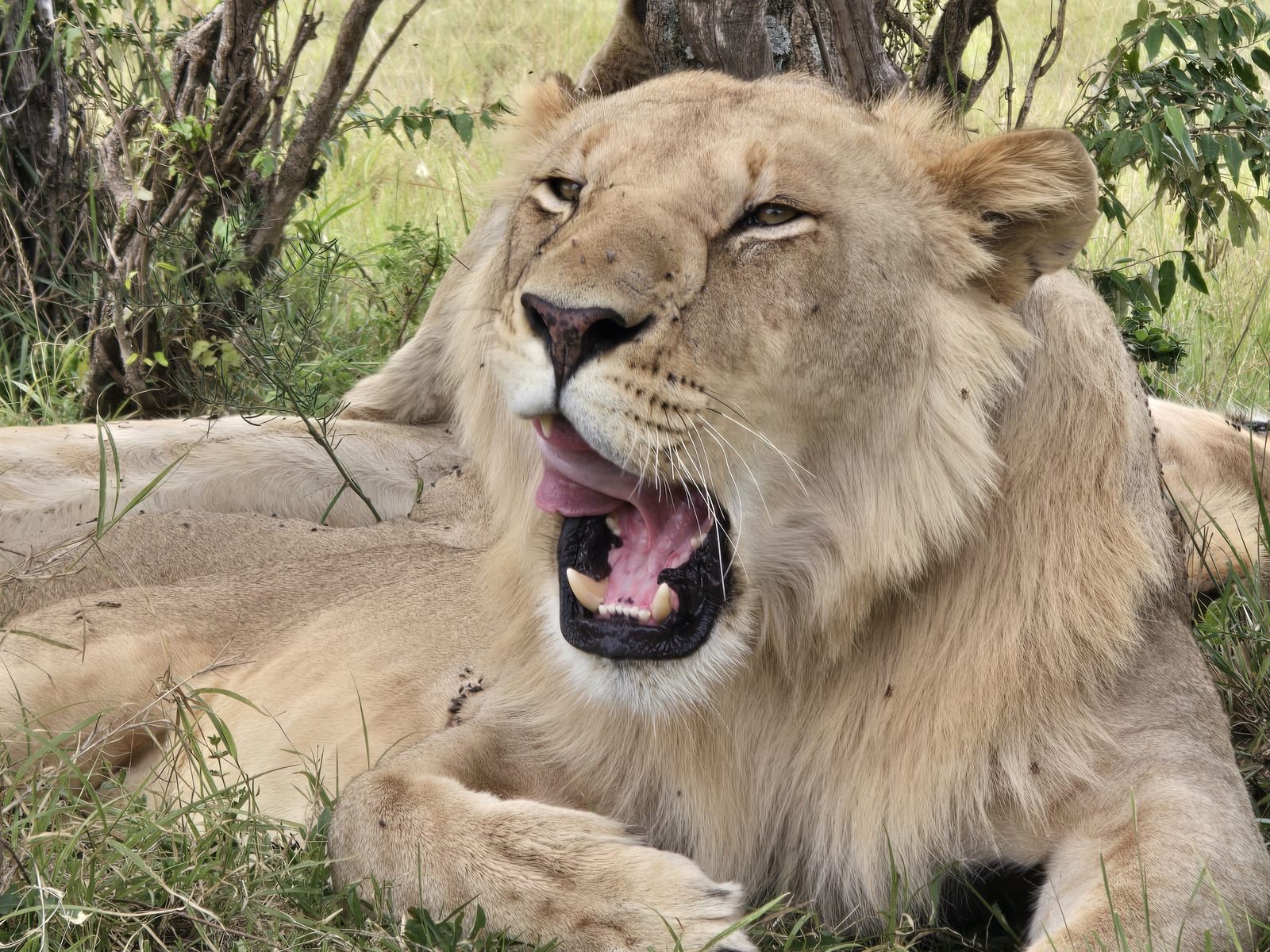
- Lions: the Mara has one of the highest densities of lions in Africa, including famous prides such as the Marsh Pride.
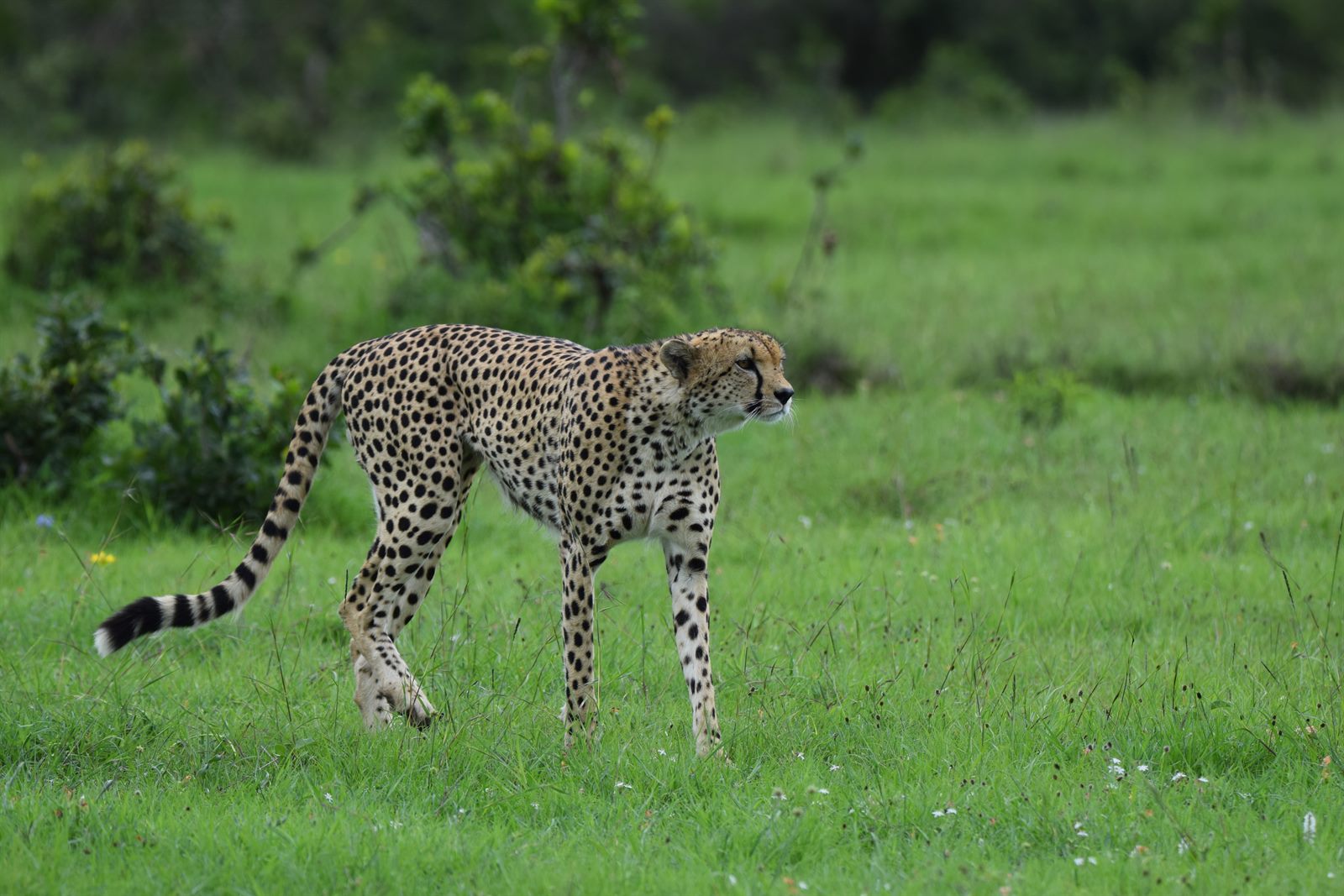
- Cheetahs: often seen on termite mounds or hunting on open plains, including the celebrated Tano Bora coalition.
- Leopards: shy and well camouflaged, usually found near rivers and rocky outcrops.
- Elephants and buffaloes: large herds move between the grasslands and woodland.
- Hippos and crocodiles: crowded into the pools of the Mara and Talek rivers.
- Giraffes, zebras, topis and gazelles: present throughout the year, with wildebeest in huge numbers during the migration.
- Birds: more than 450 species, from ostriches and secretary birds to lilac-breasted rollers and vultures.
To find out more, read our guides to 10 animals to look for in the Masai Mara, the Marsh Pride and the Tano Bora cheetahs.
What Is Included in Your Masai Mara Sopa Lodge Safari
Included
- Airport pick-up and drop-off at Jomo Kenyatta International Airport
- All accommodation at Masai Mara Sopa Lodge for 2 nights, sharing a double room
- Full board meals: breakfast, lunch and dinner, including a picnic lunch on the full game-drive day
- En route lunch on the last day before your airport drop-off
- All park and reserve entry fees for the Masai Mara National Reserve
- Activity fees, including the Maasai village visit
- Transport in a private 4x4 pop-up roof Land Cruiser
- Services of a professional English-speaking driver-guide
- Drinking water in the vehicle during the safari
Not Included
- International and domestic flights
- Kenya Electronic Travel Authorisation (eTA) and travel insurance
- Drinks at the lodge, tips and items of a personal nature
- Optional activities such as a hot air balloon safari
- Room upgrades, suites and festive or Easter season supplements
Before you travel, apply for your Kenya eTA and read our Kenya visa guide and the guide to mandatory Kenya travel insurance.
Seasons and When to Go
The price table at the top of this page shows rates for three seasons, based on the dates used by the lodge:
- Low season: 1 April to 31 May, the green season during the long rains, with fewer vehicles and lush scenery.
- Mid season: 2 January to 31 March, 1 to 30 June and 1 November to 21 December.
- Peak season: 1 July to 31 October and 22 December to 1 January, which includes the Great Migration.
Reserve entry fees in the Masai Mara are higher from July to December than from January to June. Guests travelling between 1 November and 21 December pay a small supplement per person, shown in the note under the price table. The best time for your Masai Mara Sopa Lodge safari depends on what you want to see: July to October for the migration, January to March for dry weather and newborn animals, and April to May for green landscapes and quiet game drives.
For a wider view of the seasons, see our guide to the best time to visit Kenya month by month.
Tips for Your Masai Mara Sopa Lodge Safari
- Arrive in the morning: the drive to the Mara takes about five to six hours, so a morning arrival at JKIA lets you reach the lodge for lunch and enjoy the afternoon game drive.
- Pack light layers: early mornings in the Mara can be cool, while afternoons are warm. Bring a fleece, a hat and sunscreen.
- Bring binoculars and a camera: the pop-up roof gives you a clear view, and a zoom lens helps with distant animals.
- Use soft luggage: it fits more easily into the vehicle.
- Carry some cash: useful for tips and small purchases at the Maasai village.
- Follow your guide's advice: stay inside the vehicle during game drives and keep noise to a minimum near animals.
For a full checklist, read our Kenya safari packing list, and if this is your first trip, our guide for first-time visitors.
Why Choose This Masai Mara Sopa Lodge Safari
Many short Mara trips start from a Nairobi hotel and require extra transfers. This Masai Mara Sopa Lodge safari is designed around your flights, beginning and ending at the airport so you can make the most of every hour in Kenya. A private Land Cruiser means you are never squeezed into a shared minibus, and the pop-up roof gives everyone a window seat for photography.
On this Masai Mara Sopa Lodge safari, two nights at one lodge also means less packing and unpacking and more time on game drives. With a full day on the plains, rather than just short morning and afternoon drives, you have the best chance of exploring further and finding the big cats.
Finally, the cultural visit to a Maasai village adds a human dimension to the safari, helping you understand the people who give the reserve its name and who play a vital role in its conservation.
What a Game Drive Day Looks Like
Every Masai Mara Sopa Lodge safari follows the rhythm of the bush. Wake-up calls come early, often with tea or coffee before sunrise, because the first hours of the day are when predators are most active and the light is softest for photography. Your guide will suggest the best departure time based on recent sightings.
During the morning, the pop-up roof is raised so you can stand, scan the plains and take photos in every direction. When you find animals, your guide positions the vehicle carefully, switches off the engine and gives you time to watch. Patience is often rewarded with behaviour you would never see in a hurry, such as cubs playing or a cheetah studying distant gazelles.
On the full day of your Masai Mara Sopa Lodge safari, lunch is a picnic in the reserve, usually under an acacia tree with a wide view. In the afternoon the drive continues until the reserve closes at sunset, when you head back to the lodge for a hot shower, dinner and stories of the day. Many guests say this full day is the highlight of their Masai Mara Sopa Lodge safari, because it allows time to explore distant corners of the reserve.
Your guide will also share knowledge about tracks, birds, plants and the conservation challenges facing the Mara, so every Masai Mara Sopa Lodge safari is as educational as it is exciting. Feel free to ask questions at any time.
Extend Your Safari
If you have more time, this trip combines easily with other destinations. You could add a night at Lake Naivasha, continue to the beaches of the Kenyan coast or extend into Tanzania. Popular options include:
- Our 4 Day Masai Mara and Naivasha Safari, adding a boat ride and walking safari on Crescent Island
- Our 6 Day Amboseli and Masai Mara Safari, combining elephants under Kilimanjaro with the big cats of the Mara
- A beach extension using our Kenya safari and beach holiday guide
- A sunrise hot air balloon safari over the Masai Mara
Frequently Asked Questions
How long is the drive from JKIA to the Masai Mara? The drive usually takes five to six hours, including a stop at the Great Rift Valley viewpoint and a short break in Narok.
Is three days enough for a Masai Mara Sopa Lodge safari? Three days gives you an afternoon game drive, a full day in the reserve and a cultural visit. It is a great introduction, although longer stays allow more time to find specific animals.
Can children join this safari? Yes. Children are welcome, and the lodge offers reduced rates for children sharing with adults. Contact us for a family quote.
Will we see the Great Migration? The herds are usually in the Mara between July and October. Exact timing depends on the rains, so sightings of river crossings cannot be guaranteed.
When should I book my Masai Mara Sopa Lodge safari? For peak season, book several months ahead, as the lodge fills quickly during the migration.
Is the vehicle private? Yes. Your group has its own 4x4 pop-up roof Land Cruiser and driver-guide for the whole safari.
What is the difference between the 2, 4 and 6 guest prices? The vehicle cost is shared by the group, so the price per person is lower when more guests travel together.
Book Your Masai Mara Sopa Lodge Safari
Ready to experience the Masai Mara? Choose your travel dates and group size, check the price table above and send us a booking request using the form below, or contact us with any questions. Our team will confirm availability at Masai Mara Sopa Lodge and send you a detailed quote. You can also explore more Kenya safari packages.