

If you are a US tour operator or travel agency selling safaris, the ground partner you choose in Kenya and Tanzania matters more than almost any other decision you make. Your brand, your client relationships and your margins all depend on a destination management company (DMC) that answers emails on time, holds the rooms it promises, and gets a Land Cruiser to the right gate at the right hour, every time.
This guide covers the questions worth asking before you sign a rate agreement with a Kenya and Tanzania DMC, so you can judge a prospective partner on substance rather than a glossy brochure.
In This Guide
- Why Your DMC Choice Matters
- Ask About Country and Border Coverage
- Ask What Rooms They Actually Hold
- Ask About the Vehicle Fleet and Guides
- Ask How Net Rates and Fees Are Built
- Ask Who Picks Up the Phone During a Crisis
- Ask for References from Other US Operators
- Check Licensing, Insurance and Compliance
- How Seasonality Should Shape Your Due Diligence
- Red Flags That Signal a Weak DMC
- Contract Terms Worth Negotiating
- A Sample Due-Diligence Timeline
- Frequently Asked Questions
Why Your DMC Choice Matters
When a US tour operator sells a Kenya or Tanzania safari, the client's actual experience on the ground is delivered entirely by a local DMC: the driver-guide, the lodge check-in, the airport transfer, the fallback plan when a flight is delayed. A weak ground partner turns into refund requests and bad reviews under your brand name, even though you never set foot in the vehicle. A strong one becomes the quiet reason your safari product earns repeat bookings and referrals.
Our own guide to Kenya and Tanzania safaris from the USA covers the client-facing side of this trip; this article looks at the same question from the operator's seat, choosing who actually runs it.
It helps to remember that a safari is one of the few travel products where the seller genuinely cannot inspect the deliverable in advance the way a hotel room or a cruise cabin can be inspected before a client books it. You are trusting a partner on the other side of the world with your brand's reputation for every minute your client spends on the ground, from the moment they clear immigration to the moment they board their departure flight. That trust has to be earned through specifics, not goodwill, which is exactly what the rest of this guide is built around.
The cost of getting this wrong is rarely a single bad review. It is usually a slow leak: a client who does not rebook, a referral that never happens, a chargeback dispute that eats a week of staff time, or a lodge that quietly stops honoring a rate because the DMC never settled its own invoice. None of these show up in a first conversation with a prospective DMC, which is exactly why the questions below matter more than the pitch.
Ask About Country and Border Coverage
Many DMCs operate confidently in Kenya or in Tanzania, but far fewer run smooth cross-border safaris between the two. If your clients want to combine the Masai Mara with the Serengeti, confirm your DMC has its own vehicles and guides licensed to cross at Isebania/Sirari or Namanga, rather than handing your clients off to a second local company at the border, which is where communication and quality control most often break down.
Our own 7 Day Masai Mara to Serengeti Safari and 10 Day Amboseli, Nakuru, Masai Mara and Serengeti Safari are both run start to finish with one vehicle and driver-guide, which is the standard to look for in any DMC quoting a cross-border route.
Ask specifically how border paperwork is handled: who carries the vehicle's cross-border permit, whether the driver-guide needs a separate Tanzanian or Kenyan work permit for the other side, and how long the crossing itself typically takes at the specific post your itinerary uses. A DMC that answers these questions fluently, with specific border names and typical wait times, has clearly done this before. One that gives a vague answer about "arranging it on the day" is telling you the border crossing is where your client's trip is most likely to go wrong.
Ask What Rooms They Actually Hold
A DMC's lodge and camp portfolio is the backbone of your product. Ask for the exact room type and meal plan behind every quote, not just a lodge name: double or twin sharing, full board or bed and breakfast, and whether the rate is the property's own net rate or a marked-up resale from another wholesaler. A DMC that can show you contracted, adult, double-sharing rates directly from properties such as Sopa Lodges, Zebra Plains Collection or Tanganyika Wilderness Camps is working closer to source than one reselling blocks it does not control.
See our Kenya Tanzania lodge portfolio for the exact properties and room types behind our own itineraries.
It is also worth asking how many rooms a DMC can realistically hold at a given property on short notice, since this varies enormously by season and by property size. A small tented camp with eight rooms behaves very differently from a seventy-room lodge when it comes to last-minute availability, and a DMC that has genuinely strong relationships with its properties will usually know, off the top of its head, roughly how much flexibility it has at each one during a given month.
Ask About the Vehicle Fleet and Guides
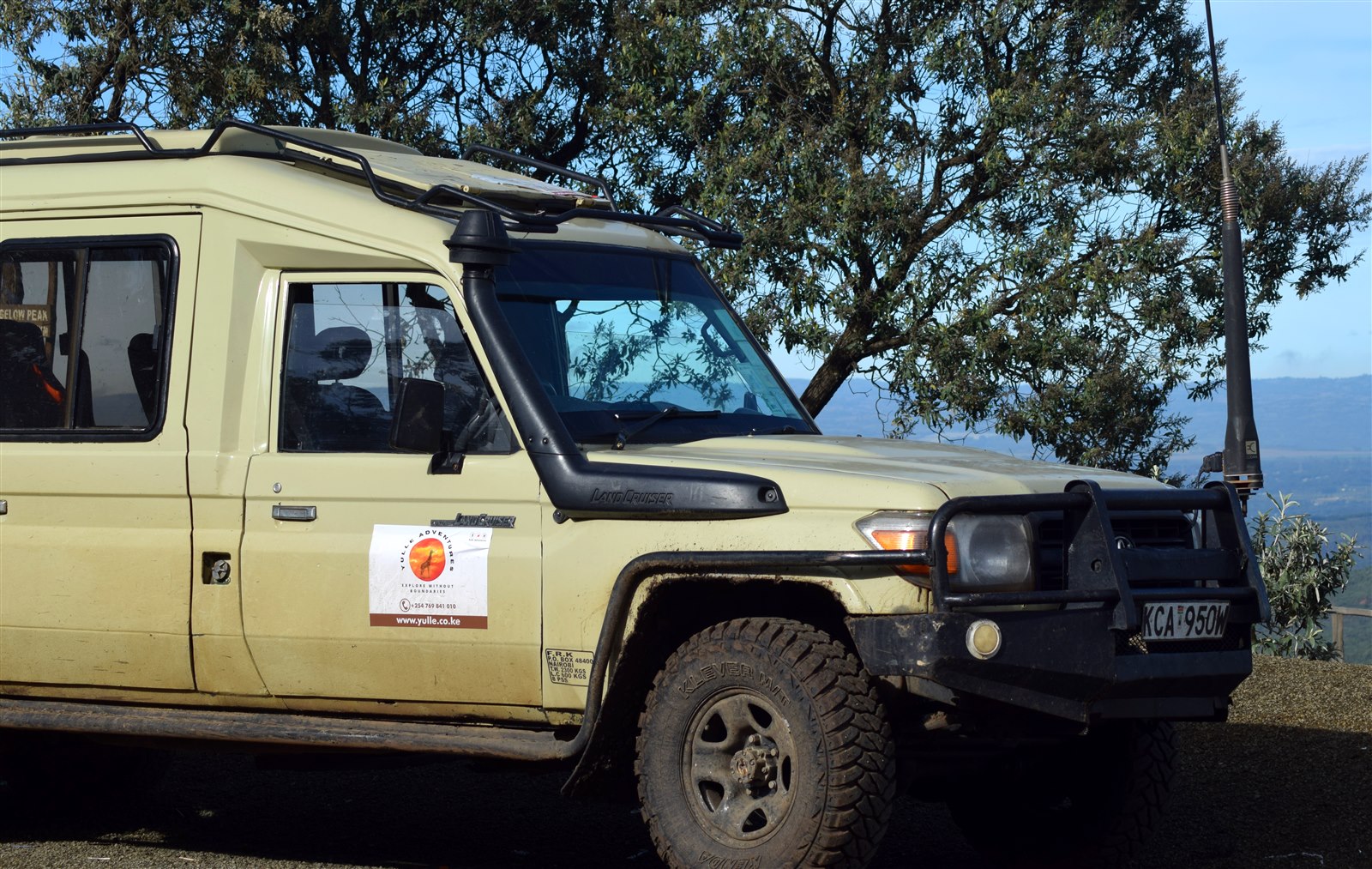
Ask whether vehicles are owned or subcontracted, how old the fleet is, and what the driver-guides' language skills and training look like. Our guide to safari vehicle types explains why a pop-up roof 4x4 Land Cruiser is the standard for serious game-drive terrain, and why a van better suited to tarmac roads is a red flag for a Kenya or Tanzania safari DMC.
Fleet age and maintenance records matter more than they might seem from a desk in the US. A breakdown on a remote track in the Serengeti is not just an inconvenience, it can mean hours of delay before a replacement vehicle reaches your clients, and it is the kind of story that ends up in a review regardless of how well the rest of the trip went. Ask how many spare vehicles the DMC keeps in reserve relative to its fleet size, and whether guides carry satellite communication in areas with no mobile signal, which covers a meaningful share of both countries' best game-viewing terrain.
Ask How Net Rates and Fees Are Built
A transparent DMC will walk you through exactly how a quote is built: accommodation per person per night, park and conservation fees per fee-day, vehicle cost per day, any cross-border supplement, and the markup, laid out separately rather than bundled into one opaque number. This matters most around Ngorongoro Crater, where the conservation fee, crater service fee and, on transit days, a separate transit fee can each apply, and a DMC that cannot explain these line items clearly is one that will struggle to explain a sudden price change to your client later.
Ask too how a DMC handles park fee increases announced mid-season, which both Kenya and Tanzania's park authorities do periodically. A professional partner will have a clear, written policy on whether an already-confirmed booking is protected from an increase or whether the difference is passed through, and will tell you this before you ask rather than after a fee changes.
Ask Who Picks Up the Phone During a Crisis
Flights get delayed, vehicles break down, and itineraries sometimes need same-day changes. Ask your prospective DMC exactly who is reachable outside office hours, in what time zone, and by what channel. US operators are typically seven to nine hours behind East Africa, so a DMC without genuine after-hours coverage leaves your clients unsupported for the first part of most emergencies.
A useful test during the vetting process is to send a message outside normal East Africa business hours, framed as a genuine operational question, and see how quickly and how usefully it is answered. This tells you far more about real-world crisis response than any written service-level agreement, since it shows you what actually happens rather than what is promised on paper.
Ask for References from Other US Operators
A DMC that already works with other US tour operators or travel agencies can usually provide a reference, and talking to another operator who has sold the same ground product is far more useful than reading a testimonial on the DMC's own website. Ask specifically about billing accuracy, how changes mid-trip were handled, and whether final invoices matched the original quote.
It is worth asking a reference one further question that rarely comes up: how the DMC behaved during a genuinely bad moment, such as a medical evacuation, a lost passport or a serious vehicle issue. Any DMC can look good when everything goes to plan; the ones worth building a long-term partnership with are the ones that stay organized and communicative when something goes wrong.
Check Licensing, Insurance and Compliance
Confirm the DMC holds a valid tour operator license in Kenya and, separately, in Tanzania, along with commercial vehicle insurance and public liability cover. The United States Tour Operators Association (USTOA) and the American Society of Travel Advisors (ASTA) both publish general guidance for US sellers of travel on vetting foreign ground operators, and checking current entry and safety guidance on the US State Department's travel site is worth doing for both countries before you finalize a partnership.
Ask for copies of the actual license numbers and insurance certificates rather than simply taking a verbal assurance, and keep them on file. If your own agency is bonded or carries errors and omissions insurance, check whether your policy has any requirements around the ground operators you can legally work with, since some do.
How Seasonality Should Shape Your Due Diligence
The questions above matter differently depending on when in the year you are planning to sell travel. During the July to October Great Migration season, room and vehicle availability tightens dramatically across both countries, and a DMC's true capacity, rather than its stated capacity, gets tested hardest exactly then. Ask a prospective DMC how far in advance it typically needs to confirm peak-season bookings, and whether it has ever had to relocate a confirmed group to a different property because a room block fell through.
The quieter April and May rains, by contrast, are a better time to evaluate a DMC's flexibility and creativity, since availability is rarely the constraint and the conversation instead reveals how well they tailor routes, rates and pacing to a client's actual interests rather than simply filling a template itinerary.
Red Flags That Signal a Weak DMC
A few patterns show up repeatedly among ground partners that cause problems later, and they are worth watching for during your first few conversations. A DMC that cannot name the exact room category and meal plan behind a quoted rate, that avoids specifics when asked about vehicle age or fleet size, or that pushes back when you ask for a reference from another US operator, is telling you something important before any contract is signed.
Unusually fast quote turnaround on a complex, multi-park itinerary can also be a signal, since a serious DMC typically checks live availability before confirming a route rather than reciting a standard template. Similarly, a DMC that only ever offers one lodge option per destination, with no willingness to discuss alternatives at different price points, usually reflects a narrow set of relationships rather than a genuinely broad network.
Contract Terms Worth Negotiating
Once you have chosen a DMC, the written agreement is where the real protections live. Beyond net rates and commission structure, pay close attention to cancellation and refund terms at each stage of the booking process, who bears the cost of a weather-related itinerary change, and how currency fluctuation is handled on quotes issued months before travel. Ask for a clear escalation path in writing: a named contact for day-to-day bookings and a separate, senior contact for anything that goes seriously wrong mid-trip.
It is also reasonable to negotiate a review period, commonly after your first one or two groups have traveled, where both sides can revisit terms based on real experience rather than projections made before either party had actually worked together.
A Sample Due-Diligence Timeline
Most US operators find a structured, roughly four to six week evaluation works well before committing to a new Kenya and Tanzania DMC. The first week or two is spent on initial quotes and a written Q&A covering the topics above. The following week typically includes a reference call with at least one other US operator, and a review of license and insurance documentation. The final stage, often the most revealing, is a small test booking: a single FIT couple or a solo traveler, booked and run through the full cycle from quote to final invoice, before you commit a larger group program to the relationship.
Frequently Asked Questions
What is a DMC in the safari industry? A destination management company is the local ground operator that runs transport, accommodation bookings, guiding and logistics on the ground, usually working behind a US tour operator's or travel agency's own brand.
Should I use one DMC for both Kenya and Tanzania? It is usually simpler and more reliable than coordinating two separate ground partners across a border, provided the DMC genuinely operates its own vehicles and guides in both countries.
How do I verify a DMC's lodge rates are current? Ask for the specific season dates and room type behind each rate, and cross-check a sample against the property's own published tariff where available.
Do DMCs offer white label itineraries? Many do; see our separate guide to white label safaris for how that model works.
How many DMCs should I vet before choosing one? Most experienced operators compare at least two or three before committing, even if one is a clear early favorite, simply to have a real basis for comparison on rates, coverage and responsiveness.
Is it reasonable to ask for a trial booking before a full partnership? Yes, and most established DMCs expect it; a single FIT booking run through the full cycle tells you more than weeks of email correspondence.
What happens if my DMC and I disagree about a final invoice? This is exactly why a written rate agreement with clear line items matters; keep every quote and change request in writing so any dispute has a clear paper trail to refer back to.
Work with a Kenya and Tanzania DMC You Can Rely On
We run our own fleet and guides across Kenya and Tanzania, with contracted rates at properties including Sopa Lodges, Zebra Plains Collection, Tanganyika Wilderness Camps and Moyo Tented Camp. Browse our 10 Day Grand Sopa Circuit and our 7 Day Tarangire and Serengeti Safari as working examples of what we run daily, then contact us to discuss a trade partnership.