

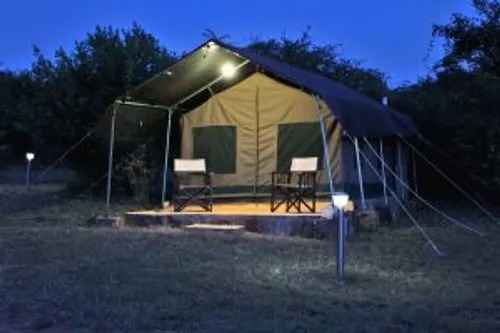
Budget Camps and Lodges in Masai Mara: Big Wildlife, Small Budget
The Masai Mara has a reputation for big prices, but the plains do not check your bank balance. Lions doze in the same golden grass and zebras trot past the same acacias, whether you sleep in a canvas tent or a plush suite. Budget camps and lodges in Masai Mara prove the point: a clean bed, a warm meal and a good driver-guide can open the door to one of the greatest wildlife shows on Earth.
This guide explains what budget means in the Mara, introduces the types of camps and lodges on offer and shares tips for saving without losing the magic.
Why the Masai Mara Is Worth the Trip
The Masai Mara National Reserve lies in Narok County, in south-western Kenya, and links to Tanzania’s Serengeti. It is widely known for its big cats, large herds and open savannah.
From roughly July to October, the Great Migration often arrives. Wildebeest and zebras pour across the Mara River like a living tide, while crocodiles wait below. Timing varies with rainfall, so no date is guaranteed. Outside the migration months, resident wildlife remains plentiful, and lions, elephants, giraffes and cheetahs are often seen year round.
What Does “Budget” Mean in the Masai Mara?
In the Mara, budget generally describes simple, practical camps and lodges with fewer extras and lower rates. Travellers can often expect:
- Basic rooms, small tents or camping pitches
- Shared or simple bathrooms, though some tents may be en-suite
- Hearty but straightforward meals
- A communal dining area or campfire space
- Game drives arranged separately or bundled into a package
Our Kenya safari cost guide puts budget camps in the Mara at about US$70 to US$110 a night. Rates change with the season, so confirm current prices and inclusions before booking.
Where Budget Camps and Lodges Tend to Be
Many budget options sit outside the reserve, in towns and villages near the main gates. Staying outside can lower costs, though it may add travel time to the game viewing areas. Common bases include:
- Sekenani area: Near the busy Sekenani Gate, with a mix of simple camps and guesthouses.
- Talek: A lively town beside the Talek Gate, often used by budget travellers and locals alike.
- Aitong and surrounding villages: Quieter areas that may offer a more local feel.
Types of Budget Camps and Lodges Worth Considering
Specific names and standards change often, so treat these categories as a starting point and check recent reviews.
Camping
Camping is often the cheapest way to sleep near the action. Campsites outside the gates may offer a flat pitch, basic washrooms and perhaps a shared kitchen or dining tent. It may suit adventurous travellers who bring their own gear or hire it from an operator.
Budget Tented Camps
Simple tented camps near the gates aim at value-conscious guests. They often provide a bed, a basic bathroom and meals at a modest rate. These can be a middle path between camping and a full lodge, though comfort levels may differ.
Community-Run Camps
Some camps are owned or supported by local Maasai communities. These stays may offer simple tents or bandas and a chance to learn about local culture. Fees can help support nearby families, which many travellers find rewarding.
Town Guesthouses and Small Lodges
Talek and nearby settlements have modest lodges and guesthouses with simple rooms and on-site meals. They can suit travellers who want the lowest price and do not mind a short drive to the gate. Standards vary widely, so recent reviews are worth reading.
How to Budget Your Masai Mara Trip
Budget travel is a bit like packing a small bag. Everything you bring should earn its place. Consider:
- Park fees: Reserve entry is often the biggest expense and usually sits outside accommodation costs. In 2026, non-resident adult entry was US$100 a day from January to June and US$200 a day from July to December. Rates differ for East African residents and citizens, and you can check them on the Masai Mara park fees page.
- Transport: Shared group tours may cut the cost per person compared with a private vehicle.
- Location: Does a cheaper camp or lodge add fuel or transfer costs?
- Meals: Is food included, or must you bring your own?
- Season: Low season, often April to May and November, may offer lower rates, though rain can affect roads and wildlife viewing. See our month-by-month guide to the best time to visit the Maasai Mara.
Tips for Your Stay
- Travel with friends or classmates to split vehicle and guide costs.
- Book early for better rates, but check cancellation terms.
- Choose a registered operator and ask exactly what the price includes.
- Carry water, snacks, sun protection and a warm layer, since mornings can be chilly.
- Keep cash or mobile money handy, as signal and card machines may be unreliable.
- Keep a respectful distance from wildlife and follow your guide’s instructions.
Compare Other Camps and Lodges in the Masai Mara
Want a little more comfort? Read our guides to mid-range hotels in the Masai Mara and the finest luxury camps and lodges in the Masai Mara.
Book Budget Camps and Lodges in Masai Mara with Yulle Adventures
The Mara does not demand a fortune to be unforgettable. A simple tent, a shared game drive and an early start can still deliver lions at sunrise and a sky stretched wide above the savannah. Plan carefully, stay flexible and let the wilderness do the talking.
Tell us your dates and group size and we will suggest a camp or lodge that fits your budget. Browse our wildlife safari packages or request a quote.