

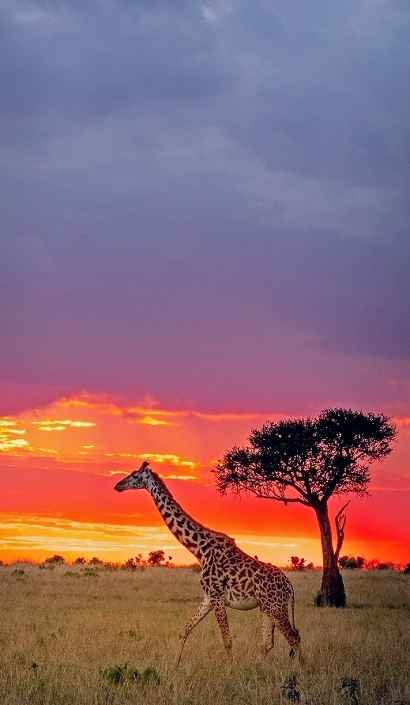
Reading the Mara's Calendar: When to Go and What You Get
The Maasai Mara never really closes. Lion hold territory here all year, elephant work the same riverine forest every month, and the grass runs to the horizon whether it is January or September. What changes is the cast, the crowd and the price, and those three things usually decide whether a trip feels like the one you imagined.
There is no single best month. There is only the month that matches what you came for.
July to October: the migration months
This is the Mara at full volume. Somewhere between July and early August, over a million wildebeest, along with several hundred thousand zebra and gazelle, push north out of the Serengeti and spill across the Mara River into Kenya.
The river crossings are the headline. Herds gather on the bank, hesitate, and then pour down the slope into the water where crocodiles are already waiting. It is chaotic, loud and genuinely unpredictable, and your guide may sit for three hours before anything happens at all.
Predator viewing peaks alongside the herds. Lion prides fatten, cheetah hunt in the open and hyena work the margins. The grass is short and golden, the light is clean, and photography is arguably at its best.
The cost is crowds and money. Camps book out a year ahead, reserve entry doubles to roughly USD 200 per non-resident per day, and a popular sighting can draw a dozen vehicles. Travelling in the conservancies around the reserve generally thins this out considerably.
January to March: dry, quiet and surprisingly good
The short dry season after the rains is one of the more underrated windows. The migration herds are far south in the Serengeti, but the Mara's resident game stays put and the plains are far emptier of people.
Vegetation thins, water concentrates and the cats become easier to find. Rates typically drop, and reserve entry falls to around USD 100 per non-resident per day. Many visitors pair this window with the Ndutu calving season in Tanzania, where thousands of wildebeest give birth within a few weeks.
Days are warm and clear, nights pleasantly cool. For a first safari on a sensible budget, this period arguably offers the best value in the Kenyan calendar.
April and May: the green season
The long rains turn the Mara emerald. Storms build through the afternoon, break hard, and leave skies that photographers chase for years.
Game is still there, though the long grass hides it and the animals scatter because water is everywhere. Some tracks turn to soup, and a few camps close entirely for maintenance.
What you get in return is space. Rates fall sharply, you may go hours without meeting another vehicle, and the plains fill with newborn antelope. Travellers who have been on safari before, and who care more about atmosphere than ticking off the Big Five, often love this time.
June and November: the shoulder months
June sits just before the herds arrive. The grass is already thinning, the rains have eased and the crowds have not yet landed. Rates sometimes still sit at low season levels, which makes late June one of the smarter bookings in the year.
November brings the short rains, lighter and less disruptive than April's. Showers tend to come in the late afternoon rather than lasting all day, the bush greens up again, and migratory birds arrive in numbers. Birders often rate November and December highly.
December: festive and busy
Late December fills up fast. Camps charge peak rates and most add a compulsory gala dinner on 24 or 25 December. Game viewing is good, the landscape is green and the light is soft, but you are paying holiday prices for it.
Book it early or not at all.
So which month?
If river crossings are the whole point, go between late July and early October and accept the cost. If you want cats, clear skies and fewer vehicles without the premium, aim for January to March. If you have been before and want the Mara to yourself, take the gamble on April or May.
Whichever window suits you, the right camp and the right route make more difference than the month alone. Contact Yulle Adventures for a tailored quotation and we will build the trip around the time of year you can actually travel.