

Price of a Front-Row Seat to the Wild
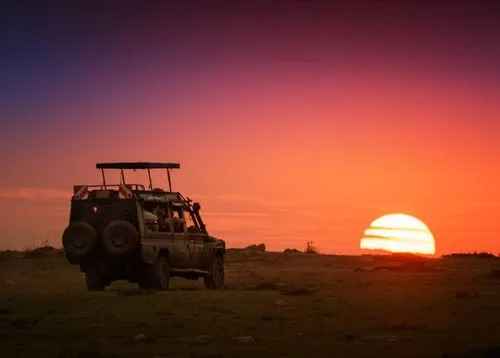
Picture this. The sun lifts slowly over the Maasai Mara, painting the grass gold. A lioness pads through the mist, and thousands of wildebeest ripple across the plains like a living river.It feels priceless but the moment you start planning, the numbers arrive, and they rarely agree with one another. That gap exists because "safari" can mean very different things, from a shared van and a simple tent to a private vehicle and a suite with a view. This guide explains where your money goes, what each budget level typically buys, and how to build a realistic total for your own trip.
Key takeaways
- A Kenyan safari generally costs from roughly USD 150 to 350 per person per day on a budget group trip, USD 300 to 700 for a small-group lodge safari, and USD 700 to 1,500 or more for private, luxury, or fly-in travel.
- Park fees, accommodation, and transport are the three biggest slices of the bill, followed by your route and group size.
- Season can shift prices noticeably, with the July to October migration period usually the most expensive.
- Two quotes can look very different simply because one includes park fees, transfers, and meals and the other does not.
- Flights, entry permission, insurance, tips, drinks, and optional activities are often extra, so budget for them separately.
- Group departures, shoulder-season dates, and a well-planned route are among the most dependable ways to save.
The Big Cost Drivers
Kenyan safari costs are driven mainly by park fees, accommodation, and transport. Together they usually make up most of the bill, and each one can swing the total on its own.
Park and Conservancy Fees
Park fees are charged per person, per day, and they are often the single largest line item. They depend on who you are and where you go:
- Fees differ for non-residents, East African residents, and Kenyan citizens, and may also depend on visitor age.
- Famous parks such as the Masai Mara National Reserve , Amboseli National Park, and Nakuru National park tend to cost more than quieter ones.
- Some parks charge higher rates in peak season and lower rates in the green season.
- Vehicle type and where you stay can also affect what you pay.
As a rough guide, a non-resident adult may pay anywhere from about USD 100 to USD 200 per day, depending on the park and the season.
Because fees change, check the official Kenya Wildlife Service website for parks it manages, and ask your operator to confirm fees for county reserves and private conservancies at the time of booking.
Accommodation
Where you sleep shapes your budget more than almost anything else. A simple tent and a luxury camp can stand on the same stretch of savannah and still differ in price many times over.
| Style | Typical cost per person, per night* | What to expect |
| Budget camping | USD 150 – 300 | Public campsites ,basic tents, shared facilities |
| Mid-range lodge or tented camp | USD 300 – 600 | Comfortable rooms, full board, good views |
| Luxury camp or lodge | USD 600 – 1,500 | Private guides, fine dining, prime locations |
Budget does not have to mean uncomfortable. Many permanent camps offer proper beds, private bathrooms, and good meals without the extras of a high-end property.At the luxury end, the extra money usually buys space, privacy, service, and sometimes access to private conservancies. It does not always buy better wildlife, because the animals are the same for everyone .Always check what is included. Meals, game drives, laundry, and drinks can make two similar-looking prices very different.
Transport
Getting around is the third big slice, and you generally have two choices: the road or the sky.
- Road safaris in a 4x4 safari vehicle with a driver-guide are the most common and usually the most affordable option. The trade-off is time, since distances can be long and some roads are rough.
- Domestic flights, for example from Nairobi to the Mara, save hours of travel but add to the bill, and baggage limits are usually strict.
- Private vehicles cost more than shared group departures, though they give you more freedom over the schedule.
Self-driving is possible in parts of Kenya, but it is not automatically cheaper. Vehicle hire, fuel, insurance, and the need for a capable 4x4 can add up quickly, and a trained guide is often the better value for first-time visitors.
Your Route Matters
Visiting more parks does not automatically make a better safari. Each extra stop may add driving time, fuel, accommodation, and park fees.
- Masai Mara: Kenya's best-known destination and usually one of the most expensive, especially during the migration.
- Amboseli: Famous for elephants and views of Mount Kilimanjaro, and fairly easy to reach from Nairobi.
- Lake Nakuru and Lake Naivasha: Good for birds, rhinos, and scenery, and useful stops between Nairobi and the Mara.
- Samburu: Dry-country landscapes and northern species, though its distance can raise transfer costs.
- Tsavo East and West: Vast and wild, and a natural link if you plan to continue to the coast.
For example, a route that groups the Mara, Nakuru, and Naivasha together usually costs less in transfers than one that zigzags across the country.
Why Safari Prices Run High
A safari price covers far more than a bed and a game drive. It often includes specialist vehicles, fuel, trained guides, meals, and transfers.Many camps sit in remote areas, so food, water, and supplies must travel long distances. Demand is also strong in famous areas, and some conservancies limit visitor numbers to protect the experience, which keeps rates higher.
Timing Is Everything: Seasonality
Season is one of the strongest levers on price. Kenya's safari calendar works a bit like a stage show: when the lead actors arrive, ticket prices rise.
- High season (roughly July to October, and December to January): The Great Wildebeest Migration usually reaches the Mara around this time. Expect the best wildlife drama, but also the highest prices and the biggest crowds.
- Shoulder season (roughly February and June): Fewer visitors and more moderate rates.
- Low or "green" season (roughly April to May, and November): Lush landscapes, quieter parks, excellent birding, and noticeably lower prices, though some roads can be muddy and some camps may close.
The Great Migration Effect
The migration is one of the biggest influences on Mara prices. The herds' timing depends on rainfall and grazing, not on a fixed calendar, so no operator can promise exactly where they will be.River crossings are especially popular, but they are never guaranteed. The animals may wait on a bank, cross somewhere else, or arrive earlier or later than expected.
If you want the atmosphere without the highest prices, you can:
- Travel at the edges of the main migration period.
- Stay outside the most expensive reserve locations.
- Join a scheduled small-group safari.
- Spend fewer nights in the Mara and more in other parks.
Safari Budget Tiers at a Glance
Kenyan safaris generally fall into four styles, defined by comfort, privacy, and exclusivity rather than by a fixed price.
| Style | Estimated daily cost | What to expect |
| Budget (group, camping or overland) | USD 150 – 350 | Shared transport, simple accommodation, set itinerary |
| Mid-range (small-group lodge) | USD 300 – 700 | Lodges or tented camps, shared vehicle, guide, most meals |
| Private guided | USD 500 – 1,000 | Own vehicle and driver-guide, flexible schedule |
| Luxury or fly-in | USD 700 – 1,500 | Premium camps, flights between parks, personal service |
Peak-season travel, private conservancies, domestic flights, and low traveler numbers can all push these figures higher.
Group or Private?
Group safaris are usually the cheapest way to see Kenya, because travelers share the vehicle, fuel, and guide. They suit solo travelers, couples, and friends who are happy to follow a fixed schedule.
Private safaris cost more per person when only one or two people cover the vehicle, but they become much more competitive when shared among a family or group of friends. They tend to suit:
- Families traveling with children
- Four or more friends traveling together
- Photographers and birders who need more control over timing
- Anyone who prefers a slower, more flexible pace
Sample Trip Costs (Per Person, Approximate)
| Example trip | Indicative land-only budget |
| 3-day group Masai Mara safari (camping) | roughly USD 600 – 1,050 |
| 5-day small-group lodge safari (Mara and Lake Nakuru) | roughly USD 1,750 – 3,500 |
| 7-day private guided multi-park safari | roughly USD 3,500 – 7,000 |
| 7-day premium fly-in safari | roughly USD 7,000 |
These examples are for early planning only. The real figure depends on the route, date, accommodation, group size, and inclusions.
Hidden Costs Nobody Warns You About
The costs most travelers overlook are entry permission, insurance, tips, optional activities, and small extras. None of them usually appears in a headline price, yet together they can add a noticeable amount to the final bill.
What a Quote Usually Includes
Most organised packages cover:
- Accommodation for each night listed
- Meals while on safari
- A professional driver-guide and game drives
- Road transport or the transfers named in the itinerary
- Park or reserve fees, when they are specifically listed
A lower price is not automatically better value. One tour may include park fees, airport transfers, and all meals, while another charges for these separately. Check whether the quote is per person sharing, whether a single supplement applies, and whether every planned park entry is covered.
What Is Usually Extra
- Entry permission: Kenya uses an Electronic Travel Authorisation (eTA) system for many visitors. Fees and exemptions depend on your nationality, so confirm them only on the official website.
- Travel insurance: Strongly recommended, ideally with medical and evacuation cover.
- Vaccinations and health precautions: Ask a travel clinic about yellow fever and malaria prevention.
- Tips: Guides, drivers, and camp staff usually appreciate tips. Ask your operator for current guidance.
- Optional activities: Hot air balloon rides over the Mara (often USD 400 – 500 or more), cultural visits, bush walks, night drives, horse-riding, and boat trips. Walks and night drives are more often offered in private conservancies than in main reserves.
- Drinks, laundry, and souvenirs: Small amounts add up quickly.
- Single supplements: Solo travelers often pay extra for a private room.
- Extra nights in Nairobi: Flight schedules may require a night before or after your safari.
- Exchange rates: Currency swings can affect a trip priced in another currency.
Smart Ways to Save Without Losing the Magic
You can lower your safari cost without shrinking the adventure by making a handful of smart planning choices.
- Travel in the green or shoulder season. Lower rates and fewer crowds, and resident wildlife is still there.
- Join a group departure. Sharing a vehicle splits the cost.
- Spend fewer nights in premium locations. A few well-chosen nights in the Mara can beat a long stay that drains the rest of your budget.
- Plan a sensible route. Parks that sit naturally together reduce fuel costs and long transfer days.
- Compare inclusions, not just headline prices. A package that includes fees, transfers, and meals may cost less overall than a cheaper one with compulsory extras.
- Stay in permanent tented camps. They can offer beds, private bathrooms, and a classic safari feel without luxury prices.
- Use road travel selectively. Roads are usually cheaper, but a flight can be worth it when it saves a whole day on a short trip.
- Book early for fixed dates. You get a wider choice of good-value rooms and group departures.
- Consider a bush-and-beach trip. A few days at the coast can make a long-haul trip feel better value, and Tsavo sits conveniently between Nairobi and the coast.
Choosing a Trustworthy Operator
A good operator is licensed, transparent about what is included, and well reviewed. A low price is not always a good deal, so a few simple checks can protect both your money and your safety.
- Confirm the company is licensed and a member of a recognized tourism body.
- Read recent reviews from independent platforms.
- Ask exactly what is included and excluded in the quote.
- Check the vehicle type, guide experience, and cancellation policy.
- Ask how price changes (fees, exchange rates) will be handled before you travel.
- Be cautious of offers that seem far too cheap to be true. They often are.
Frequently Asked Questions
Is a Kenyan safari expensive? It can be, but it does not have to be. With flexible dates and a group departure, a safari is more reachable than many people expect.
Is Kenya good value for a safari? Generally yes.Kenya offers group, private, camping, lodge, and fly-in options, so you can control costs more easily than in destinations dominated by premium camps.
When is the cheapest time to go? Generally the green season, around April to May, although weather and road conditions may be less predictable.
Can I see the Big Five on a budget? Kenya is an excellent Big Five destination, though no safari can guarantee every species. A multi-park route usually improves your chances because it covers more habitats.
Can I do a safari on a student budget? Camping safaris, group joiners, and off-peak travel are the usual routes.
Do I need to pay in US dollars? Many operators and parks quote in USD. Some accept Kenyan shillings or cards, but it is wise to confirm this in advance.
Conclusion: Spend Wisely, Remember Forever
A Kenyan safari cost is not one number. It is a range shaped by where you stay, when you travel, how you get around, which parks you choose, and how private you want the experience to be. Understand those levers, build in a cushion for the unexpected, and your budget will work for you rather than against you. Contact Yulle Adventures for Quotations.