

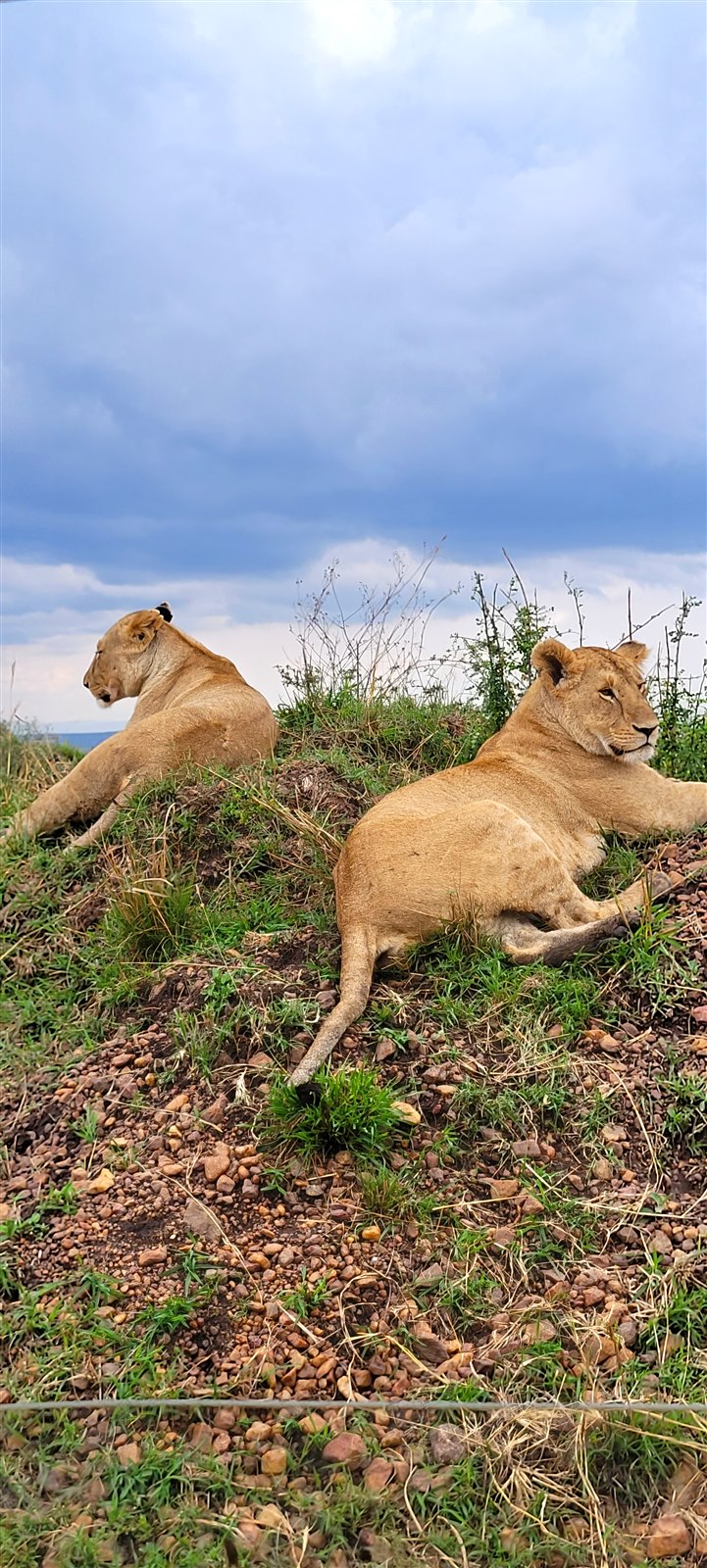
The big cats of the Masai Mara are the reason most travelers book a Kenya safari in the first place. Few places on earth pack so many lions, leopards and cheetahs into one stretch of grassland, and few places make it this likely that you will see all three on a single trip. The big cats of the Masai Mara are not a rumor passed between tour operators to sell seats on a truck. They are a genuine, measurable feature of this ecosystem, built on decades of healthy prey populations, protected land and guides who have spent entire careers learning where to look.
This guide explains why the big cats of the Masai Mara thrive here in such numbers, how each species uses the landscape differently, and what you can realistically expect to see depending on when you visit and how your game drives are run. It is written for travelers who want more than a checklist of animal names. It is written for people who want to understand what they are actually looking at when a guide cuts the engine and points toward a patch of long grass.
In This Guide
- Why the Big Cats of the Masai Mara Thrive Here
- Lions and Pride Life
- Leopards: The Quiet Specialists
- Cheetahs on the Open Plains
- How Guides Actually Find Big Cats
- Best Times of Day to See Big Cats Active
- How the Great Migration Changes the Picture
- Responsible Big-Cat Viewing
- Photography Tips for Big Cats
- Big Cats Beyond the Reserve Boundary
- Big Cats Through the Seasons
- What a First Sighting Feels Like
- Frequently Asked Questions
Why the Big Cats of the Masai Mara Thrive Here
The big cats of the Masai Mara exist in such density because the landscape beneath them is so productive. Open grassland supports huge resident herds of wildebeest, zebra, topi and gazelle all year, long before the famous migration herds ever arrive from the Serengeti. That year-round prey base is the real foundation behind every lion pride, leopard territory and cheetah coalition in this ecosystem.
Add rivers, drainage lines and patches of woodland to that grassland, and you get three distinct habitats within a short drive of each other. Lions favor open plains and thickets near water. Leopards favor riverine trees and rocky outcrops. Cheetahs favor the flattest, most open ground they can find. The big cats of the Masai Mara do not compete for the same real estate nearly as much as visitors assume, which is part of why all three can flourish side by side.
Protection matters just as much as geography. Decades of conservation management, community-run conservancies bordering the reserve, and strict rules on vehicle numbers at sightings have kept pressure on these predators lower than in many other parts of Africa. The big cats of the Masai Mara have, in effect, been given the space and prey base to behave naturally, which is exactly what makes watching them here so rewarding.
Lions and Pride Life
Lions are the most sociable of the big cats of the Masai Mara, living in prides that can range from a handful of individuals to extended family groups numbering well into double figures. A pride typically consists of related females, their cubs, and one or more resident males who hold territory against rival coalitions.
Some prides in the Mara have become genuinely famous, tracked and named by guides and researchers over multiple generations. The Marsh Pride is the best known example, made famous well beyond Kenya through wildlife documentaries filmed along the Mara's marsh and river edges. If you want the full story of this particular pride, its territory and its most memorable individuals, our dedicated guide to the legendary Marsh Pride of the Masai Mara goes much deeper than we can here.
What matters for a first-time visitor is simpler: lions are the big cats of the Masai Mara you are most likely to see, often resting in the shade through the heat of the day and becoming active again as temperatures drop in the late afternoon. Guides generally know pride territories well, which is one reason lion sightings are so consistent across the reserve and its surrounding conservancies.
Pride Structure and Territory
Female lions tend to stay within the same pride for life, while young males are pushed out around maturity to seek their own territory, sometimes joining forces with brothers or unrelated males to form a coalition strong enough to challenge an existing pride's resident males. This cycle of challenge and takeover is part of what keeps lion society among the big cats of the Masai Mara in constant, fascinating motion.
Leopards: The Quiet Specialists
Leopards are the most elusive of the big cats of the Masai Mara, and that elusiveness is by design rather than rarity. They are solitary, largely nocturnal hunters that rely on stealth and cover rather than open pursuit, which means they are far better at avoiding attention than lions or cheetahs ever need to be.
Riverine woodland along the Mara and Talek rivers, rocky outcrops, and the drainage lines known locally as luggas are the places guides check first. A leopard dragging a kill into a tree, or simply draped along a horizontal branch digesting a meal, is one of the most sought-after sights among the big cats of the Masai Mara precisely because it happens on the leopard's own terms, not the vehicle's.
Patience pays off more with leopards than with any other predator here. A guide who knows a particular leopard's territory, favored trees and recent movements will often find one while less experienced drivers pass straight by. This is one of the clearest arguments for traveling with an operator whose guides spend real time in this specific ecosystem rather than rotating between destinations.
Cheetahs on the Open Plains
Cheetahs are built for exactly the kind of open, short-grass plains that make up so much of the Mara, and they are the daytime hunters among the big cats of the Masai Mara, relying on raw speed rather than ambush or cover. Watching one scan the horizon from a termite mound, utterly still before a hunt, is a different kind of tension to watching a lion pride at rest.
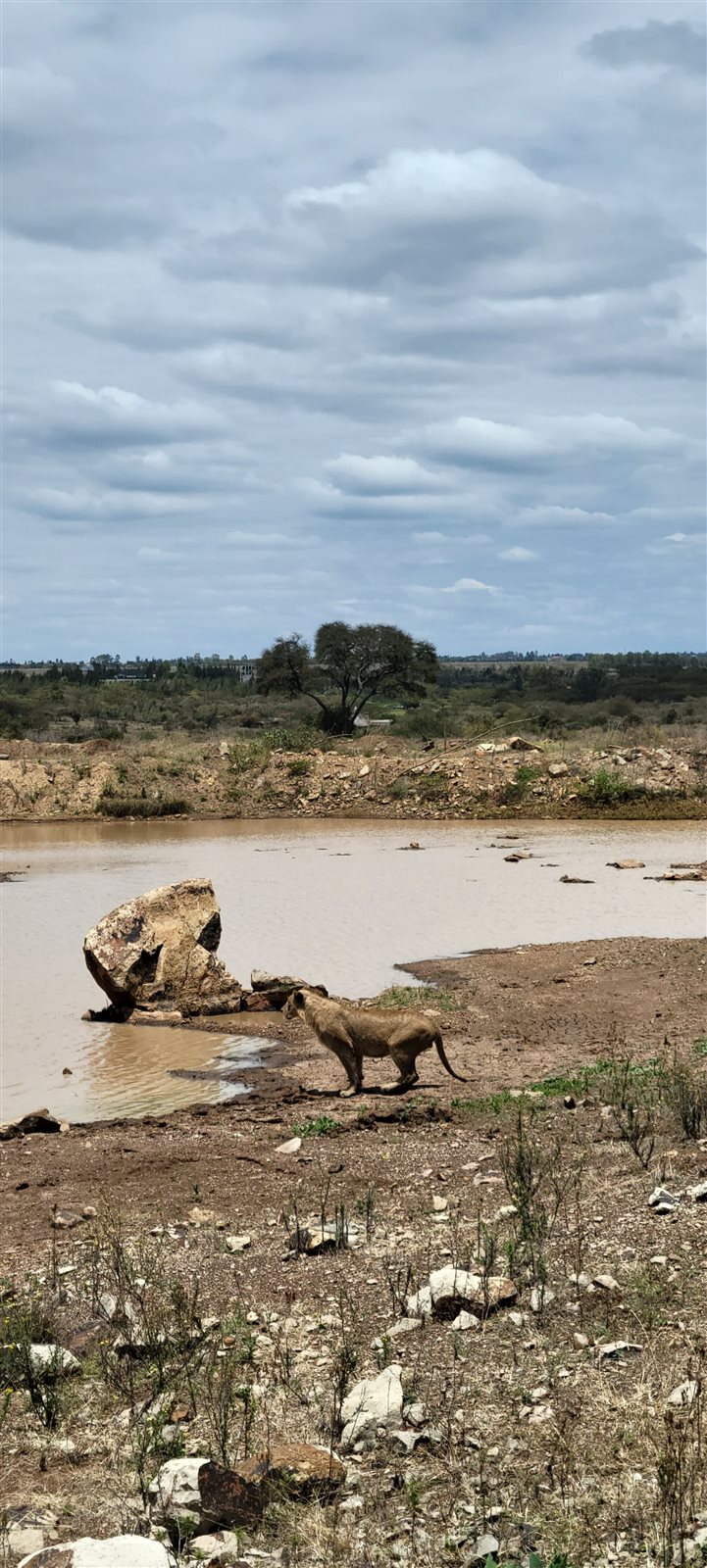
Several cheetah coalitions have become well known to regular visitors and guides over the years. The Tano Bora coalition, a group of unrelated males who banded together and became one of the most photographed cheetah stories in the Mara, is the most famous. Our separate guide to the Tano Bora cheetahs in the Masai Mara covers their story in full, including how such an unusual coalition formed in the first place.
Cheetahs among the big cats of the Masai Mara are more vulnerable than lions or leopards, losing a meaningful share of their kills to opportunistic hyenas and lions who simply chase them off a fresh carcass. That vulnerability is part of what makes a successful cheetah hunt, watched start to finish, feel like such a privilege rather than a given.
How Guides Actually Find Big Cats
Finding the big cats of the Masai Mara on any given morning is less luck than it looks. Guides across the reserve and conservancies communicate constantly by radio, sharing sightings as soon as they happen so that a cheetah hunt or a leopard in a tree can be reached quickly by nearby vehicles.
Beyond radio chatter, experienced guides read the landscape itself. Vultures circling or dropping toward a point on the horizon often signal a kill. Alarm calls from impala, baboons or birds flag a predator moving through an area. Fresh tracks in soft soil, especially near a water crossing or along a game trail, tell a guide which direction to search next.
Knowing individual territories matters enormously too. A guide who has worked a particular stretch of the Mara for years will know which rocky kopje a certain leopard favors, or which open plain a specific cheetah family tends to patrol. This local knowledge is often the real difference between operators, far more than the vehicle itself.
Best Times of Day to See Big Cats Active
Dawn and dusk are the most reliable windows for seeing the big cats of the Masai Mara active rather than resting. Temperatures are cooler, light is softer for photography, and many hunts begin or conclude in these hours rather than during the heat of midday.
Midday itself is not wasted time, however. Big cats frequently rest in visible, accessible spots, under an acacia or along a riverbank, which still allows good sightings even if the animals themselves are doing little more than dozing. A morning game drive followed by a quieter midday and an active evening drive remains the classic rhythm for a Mara safari day.
How the Great Migration Changes the Picture
When the Great Migration herds arrive from the Serengeti, usually from around July through October, the sheer volume of prey temporarily reshapes predator behavior across the reserve. Lions and other big cats of the Masai Mara take full advantage of the concentrated numbers, particularly around river crossing points where exhausted, disoriented wildebeest are easy targets after a crossing.
Outside migration season, resident herds still support healthy predator populations, so seeing the big cats of the Masai Mara is never purely dependent on the migration calendar. The migration simply adds an extra, highly concentrated layer of drama on top of what is already a year-round big-cat destination.
Responsible Big-Cat Viewing
Good operators limit how many vehicles gather at any single sighting of the big cats of the Masai Mara, and keep a respectful distance rather than crowding an animal mid-hunt or blocking its line of sight to prey. Reputable guides will reposition quietly rather than drive directly at a resting cat for a better angle.
Noise matters as much as distance. Raised voices, slamming doors and engines left running unnecessarily near a sighting can all disturb natural behavior. Choosing an operator who takes these unwritten rules seriously protects both the animals and the quality of your own experience.
Photography Tips for Big Cats
A fast shutter speed matters more than almost any other setting when photographing the big cats of the Masai Mara, since a cheetah's acceleration or a lion's sudden charge can happen in a fraction of a second. Keep your camera ready rather than packed away between sightings.
A beanbag steadied on the vehicle window frame does more for sharp images than most travelers expect, especially with a longer lens. Early morning and late afternoon light also flatters these animals' coats far more than the flat glare of midday sun, which is one more reason the golden hours are so prized among photographers chasing the big cats of the Masai Mara.
Frequently Asked Questions
Are the big cats of the Masai Mara guaranteed on every safari? No sighting in the wild is guaranteed, but lions in particular are seen on the vast majority of Mara safaris thanks to healthy resident populations.
Which big cat is hardest to see? Leopards, because of their solitary, elusive habits and reliance on cover.
Is the Masai Mara better for big cats than other Kenyan parks? It is widely considered one of the best in Africa for density and variety of predator sightings, though other parks have their own strengths.
Do the big cats of the Masai Mara move into the conservancies too? Yes, many prides, leopards and cheetah coalitions range across both the national reserve and the surrounding private conservancies.
What is the Tano Bora coalition? A well-known group of male cheetahs who banded together in an unusual coalition; see our dedicated article for their full story.
Can I see all three big cats in one trip? Many visitors do, especially on longer stays of four nights or more, though it is never guaranteed on any single trip.
Big Cats Beyond the Reserve Boundary
The big cats of the Masai Mara are not confined by the reserve's official boundary. Many prides, leopards and cheetah coalitions range freely between the national reserve and the private conservancies that surround it, following prey, water and territory rather than any line on a map.
This matters for travelers choosing where to stay. A conservancy lodge bordering the reserve can offer excellent big-cat viewing, often with the added benefit of fewer vehicles and the option of night drives or walking safaris that are not permitted inside the national reserve itself. Our guide to the Masai Mara conservancies explains how these private areas work alongside the main reserve.
Because the big cats of the Masai Mara move so freely across this wider landscape, a trip that combines a few nights in the reserve with a few nights in a bordering conservancy often produces a richer, more varied set of predator sightings than staying in just one place.
Big Cats Through the Seasons
Outside the migration months, the dry season generally concentrates wildlife, including the big cats of the Masai Mara, around permanent water sources, which can make predators easier to locate since both prey and hunters cluster in the same limited areas.
During the wetter green season, resident herds spread out across a greener, more productive landscape, and predators follow them. Sightings of the big cats of the Masai Mara are still regular at this time of year, though guides may need to cover more ground to find them, and newborn calves and fawns add their own vulnerable prey base to the mix.
Whichever season you choose, the underlying reason the big cats of the Masai Mara remain so visible is consistent: healthy year-round prey, varied terrain, and guides who track territories across both wet and dry months rather than only during the famous migration peak.
What a First Sighting Actually Feels Like
No amount of reading quite prepares you for the first time a guide cuts the engine and whispers that there is a lion ahead. The big cats of the Masai Mara tend to arrive in your field of view slowly: a shape in the grass that resolves into an ear, then an eye, then an entire animal that was there all along, perfectly still, long before you noticed it.
That slow reveal is part of why so many first-time visitors describe their first close sighting of the big cats of the Masai Mara as the moment their safari truly began. A photograph rarely captures the stillness of the moment, or the way every other sound in the vehicle seems to stop at once.
Repeat visitors often say the thrill never fully fades either. Even guides who have spent years watching the big cats of the Masai Mara will still lower their voices and reach for binoculars when a radio call comes through about a hunt in progress nearby.
Plan Your Safari
If seeing the big cats of the Masai Mara is at the top of your wish list, our team can build an itinerary around the areas and seasons that give you the best chance, and can advise on current UK government travel advice for Kenya as part of your planning. Contact us for a tailor-made plan, or browse our Kenya safari packages to see how a Masai Mara stay can fit into your trip.