

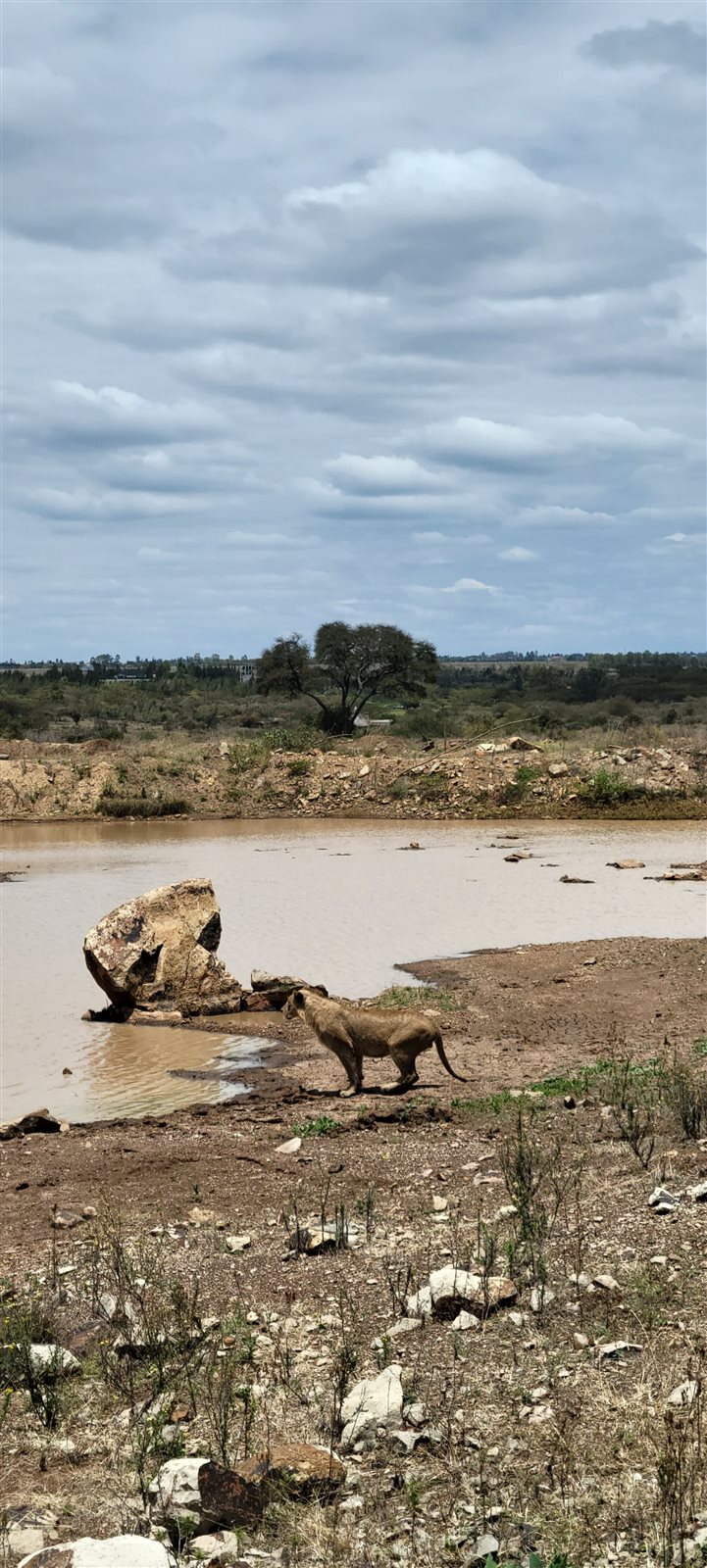
A winter sun safari is one of the best-kept secrets for UK travellers staring down another grey, wet December. While Britain settles into short days and long nights, Kenya and Tanzania are moving through one of their driest, sunniest stretches of the year, making a winter sun safari a genuinely smart escape rather than just a nice idea.
This guide explains why a winter sun safari between December and February works so well, what wildlife you can expect to see, how it compares to the busier July and August season, and how UK travellers can fit one around the Christmas and New Year holidays.
In This Guide
- Why a Winter Sun Safari Beats a British December
- The Weather Behind a Winter Sun Safari
- Wildlife Highlights in December to February
- Quieter Parks Than the Peak Season
- Spending Christmas or New Year on Safari
- Adding a Zanzibar Beach Extension
- What to Pack
- Practical Notes for UK Travellers
- Frequently Asked Questions
Why a Winter Sun Safari Beats a British December
By the time December arrives in the UK, daylight is scarce and grey skies can stretch on for days. A winter sun safari flips that completely: Kenya and Tanzania sit close to the equator, so day length barely changes through the year, and December through February brings some of the clearest, driest skies of the whole calendar.
For anyone who associates winter with staying indoors, a winter sun safari is a genuine reset. Mornings start crisp and cool, days warm up quickly under strong sunshine, and the bush feels alive rather than dormant, which is exactly the opposite of how a British winter usually feels.
Compare that to a typical UK Met Office winter forecast of low cloud, short days and frequent rain, and it becomes clear why so many UK travellers now treat a winter sun safari as their main winter holiday rather than a summer-only trip.
The Weather Behind a Winter Sun Safari
The science behind a winter sun safari is straightforward. December to February falls in the short dry season across much of Kenya and northern Tanzania, following the short rains of November. Skies clear, humidity drops, and daytime temperatures sit at a comfortable, sunny level across most safari regions.
This period is distinct from the long dry season of June to October, which is busier and more associated with dramatic river crossings. A winter sun safari in December, January or February instead offers a quieter kind of dry-season beauty: golden grass, clear game-viewing conditions and warm, settled weather almost every day.
Rain Is Rarely a Problem
Short, sharp showers can still occur, particularly in November as the rains taper off, but by December a winter sun safari is usually well clear of serious rain. Most days bring long stretches of sunshine, ideal for both game drives and relaxing at camp between outings.
Wildlife Highlights in December to February
A winter sun safari timed for January or February can coincide with one of the most dramatic events in the natural calendar: the calving season on the short-grass plains around Ndutu and the southern Serengeti. Hundreds of thousands of wildebeest calves are born within a few short weeks, drawing predators in close and producing some of the most intense wildlife viewing of the entire year.
Elsewhere, a winter sun safari in Kenya's parks still delivers strong, reliable sightings. Resident predators, elephants and plains game do not migrate away during these months, so a December-to-February trip to the Masai Mara, Amboseli or Samburu remains every bit as rewarding as one timed for the busier months.
Birdlife is another quiet highlight of a winter sun safari. Many migratory species from Europe spend the northern winter in East Africa, so birdwatchers touring Kenya or Tanzania between December and February often see species that have, in a sense, made the same winter escape as they have.
Quieter Parks Than the Peak Season
One of the most underrated benefits of a winter sun safari is how much quieter the parks feel compared with the July and August peak. Fewer vehicles gather at each sighting, camps have more space, and the overall pace of the trip feels more relaxed and personal.
This does not mean parks are empty. Popular camps still fill up around Christmas and New Year, so a winter sun safari over the festive period still benefits from early booking. Outside those two specific weeks, however, January and February are genuinely some of the calmest months to be out in the bush.
Better Access to Guides
With fewer guests around, guides on a winter sun safari often have more time to talk through what you are seeing, answer questions and tailor the pace of a drive to your interests, rather than managing a long queue of vehicles at every sighting.
Spending Christmas or New Year on Safari
A winter sun safari over Christmas or New Year has its own particular charm. Many camps mark the occasion with special dinners under the stars, sometimes with local singers or dancers, turning a familiar holiday into something entirely new. Waking up on Christmas morning to the sound of the bush rather than traffic is an experience many travellers never forget.
New Year on a winter sun safari tends to be quieter and more reflective than a typical UK celebration, often marked with a bush dinner, a toast under an enormous sky full of stars, and an early night ahead of a dawn game drive on the first morning of the year. Read our guide to a Christmas safari in Kenya and Tanzania for more on what the festive season looks like on the ground, and our ideas for where to travel this December for wider inspiration beyond a single park.
Adding a Zanzibar Beach Extension
Many travellers extend a winter sun safari with a few days on Zanzibar, turning a wildlife trip into a full bush-and-beach winter escape. December to February also suits Zanzibar well, with warm, settled weather that pairs naturally with the dry conditions inland.
Finishing a winter sun safari on a beach gives the trip a satisfying rhythm: early mornings and dusty game drives first, then slow, sun-soaked days by the Indian Ocean to unwind before the flight home. It is a particularly popular structure for UK travellers who want to make the most of a single long winter break.
What to Pack for a Winter Sun Safari
Packing for a winter sun safari is similar to any other season, with a few small adjustments. Mornings can still be surprisingly cold before sunrise, so bring a warm layer even though the rest of the day will be warm and sunny. Neutral-coloured clothing, a hat and good sunglasses cover most daytime needs.
Because a winter sun safari often coincides with lush, green scenery after the short rains, insect repellent is worth packing alongside your usual sun protection. If you are combining your trip with a Zanzibar extension, add swimwear and light, breathable clothing for the coast.
Practical Notes for UK Travellers
For UK travellers, a winter sun safari over the Christmas and New Year period often means booking well ahead, both for flights and for the most popular camps. School-age families in particular should factor in the Christmas school holidays when planning a winter sun safari, since this is one of the busiest UK travel windows of the year.
It is also worth checking the UK government's own foreign travel advice for Kenya before you travel, along with your usual pre-trip checklist of visas, vaccines and travel insurance. None of this is specific to a winter sun safari, but it is easy to overlook amid the excitement of planning a festive escape.
Our month-by-month guide to the best time to visit Kenya puts a winter sun safari into context alongside every other month of the year, so you can see exactly how December, January and February compare to the rest of the calendar.
Choosing Between Kenya and Tanzania for a Winter Sun Safari
Both Kenya and Tanzania suit a winter sun safari equally well, so the choice usually comes down to what you most want to see. Travellers chasing the Ndutu calving season tend to lean toward Tanzania, while those wanting a shorter, simpler trip often prefer Kenya's well-established parks and shorter transfer times.
Some itineraries combine both countries, crossing the border partway through a winter sun safari to take in the Masai Mara and the southern Serengeti in a single extended trip. This suits travellers with a longer UK holiday allowance who want to see as much as possible in one visit.
A Word on Conservation and Timing
Travelling during quieter months also has a small but genuine benefit for the parks themselves, spreading visitor numbers more evenly across the year rather than concentrating everyone into the same few peak weeks. Lower vehicle density at any given sighting generally makes for a calmer, less crowded experience for wildlife and visitors alike.
Conservation fees paid by every visitor, regardless of season, continue to fund anti-poaching patrols, habitat management and community programmes around many parks and conservancies. Choosing to travel outside the absolute busiest weeks does not reduce this contribution, so there is no real trade-off between timing your trip well and supporting conservation effectively.
Many conservancies, in particular, actively welcome visitors across a wider spread of months, since their business model depends on steady, sustainable visitor numbers rather than a single short peak season.
Thinking Beyond the Headline Animals
While lions, elephants and giraffes understandably get most of the attention, this part of the year also rewards travellers who pay attention to smaller details: the behaviour of a herd moving toward water in the cooler hours, the calls of resident birds at first light, or termite mounds and acacia trees silhouetted against a clear morning sky.
Good guides are often at their best during quieter months, since they have more time to linger at a sighting, explain behaviour in detail, or simply wait patiently for an animal to do something interesting, rather than moving on quickly because other vehicles are waiting for a turn.
Travellers who arrive expecting only a handful of dramatic, postcard-style moments sometimes miss just how much of the appeal lies in this slower, more attentive style of game viewing, which many quieter-season visitors end up valuing just as highly as the big sightings themselves.
A Practical Checklist Before You Book
Before committing to specific dates, it helps to run through a short mental checklist: have you confirmed your passport has enough validity remaining, started thinking about your eTA or eVisa, considered your insurance and any health preparation, and checked that your chosen dates line up comfortably with work or school commitments at home.
Ticking these boxes early, rather than leaving them until the week before departure, makes the entire lead-up to the trip considerably less stressful, leaving you free to spend the final weeks looking forward to the change of scene rather than scrambling to catch up on admin.
Once the practical details are settled, all that is really left to decide is which specific parks and camps appeal most, a far more enjoyable problem to have than any of the logistics that come before it.
A Typical Day in This Season
Mornings begin while the air still holds a trace of the night's cool, with a hot drink before heading out as the first light reaches the plains. Game drives at this time of year benefit from clear horizons and soft, warm light that makes photography easier than during hazier, dustier months.
By mid-morning the sun is strong and most wildlife rests in whatever shade it can find, which is the camp's cue for a relaxed brunch, a swim, or simply reading somewhere shaded until the heat eases. A second outing in the late afternoon catches the golden hour before dinner, often followed by clear, star-filled skies that make evenings outside at camp a genuine highlight rather than an afterthought.
Because humidity stays low through this period, evenings rarely feel sticky or oppressive, a welcome change for anyone used to a damp, chilly British evening at the same time of year.
Landscapes at Their Best
Following the short rains, the bush looks noticeably different to the dusty, parched scenery of the long dry season. Grass is green, acacia trees are in leaf, and wildflowers appear in places that look completely bare later in the year. For photographers and casual visitors alike, this is often considered the most visually striking stretch of the entire calendar.
Rivers and waterholes still hold enough water to draw animals in reliably, without the crowding that can build up as the long dry season progresses toward its driest final weeks. The result is a landscape that feels both lush and alive, a world away from the grey, bare trees left behind at home.
Flights and Travel Time from the UK
Getting to East Africa from the UK over the festive period follows the same routes as the rest of the year: a direct overnight flight to Nairobi, or a one-stop connection through a European, Middle Eastern or African hub to either Nairobi or Kilimanjaro. Flight schedules over Christmas and New Year can fill quickly, so booking early secures both better availability and often more comfortable seating.
Many travellers choose to arrive a day ahead of their first game drive, spending a night in Nairobi or Arusha to recover from the flight before heading out to camp. This small buffer makes a noticeable difference to how rested and ready you feel for an early start the following morning.
Lodges and Camps in This Period
Accommodation across this season ranges from small, intimate tented camps to larger lodges with pools and spas, much as it does throughout the year. The main difference is availability: the most sought-after camps, especially those near popular viewing areas for the calving season, can book out well in advance for January and February.
Because the bush is lush and green rather than dusty, many camps lean into the season with fresh seasonal menus using produce that is only briefly in season, along with open-air dining that takes full advantage of clear skies and warm evenings. It is a particularly atmospheric time to experience camp life at its best.
Comparing This Season to the Rest of the Year
Travellers often ask how this quieter window stacks up against the famous river-crossing months later in the year. The honest answer is that both offer something different: the mid-year peak delivers dramatic, high-density wildlife drama along the rivers, while the shorter dry season from December to February offers calmer, more intimate sightings and a landscape at its most photogenic.
Neither is objectively better. Families balancing school terms, couples wanting a quieter trip, and photographers chasing soft light and green scenery often find this earlier window suits them far better than fighting for position at a crowded river crossing months later.
Photography in Clear Light
Photographers often rate this season highly for one simple reason: visibility. Clear skies and low dust mean distant subjects stay sharp, and the quality of early and late light is consistently excellent for several weeks in a row, rather than being interrupted by the haze that can build up later in the dry season.
The green backdrop left by the short rains also adds a layer of colour and contrast that many photographers find more visually interesting than the bleached, dusty tones of the later months. Wide shots of herds against fresh grass and a wide sky often turn out to be the standout images from a trip booked in this window.
Frequently Asked Questions
Is December a good time for a safari? Yes. A winter sun safari in December benefits from clear, dry weather across most of Kenya and northern Tanzania.
Will it be crowded over Christmas? Popular camps do fill up around Christmas and New Year, so a winter sun safari over the festive period needs early booking, though parks are generally quieter than the July-August peak.
What is the calving season? A period around January and February when huge numbers of wildebeest calves are born on the southern Serengeti plains, drawing in predators and dramatic sightings.
Can I combine a winter sun safari with a beach holiday? Yes, Zanzibar's weather in these months pairs naturally with an inland winter sun safari.
Do I need different gear for a winter sun safari? Only slightly. Pack a warm layer for cool mornings and insect repellent for the lush, green landscape left by the short rains.
Is a winter sun safari good for families? Yes, particularly over the Christmas school holidays, though popular family-friendly camps should be booked well in advance.
Booking Timelines Worth Knowing
For travel around Christmas and New Year, aim to confirm flights and camps six months or more ahead where possible, since this specific fortnight is one of the busiest on the East African safari calendar despite the overall season being quieter than mid-year. Outside that narrow festive window, January and February generally allow for more flexible, shorter-notice planning.
Final Thoughts Before You Book
Choosing December to February over the more famous mid-year months is less about one being better than the other and more about matching the trip to what you personally want: calmer parks, dramatic newborn wildlife, lush green scenery and warm, reliable weather while home turns cold and dark. For a great many UK travellers, that combination is simply hard to beat.
Whatever month you eventually choose, working with an operator who knows the current conditions on the ground, rather than relying only on general seasonal guides, makes the difference between a good trip and an exceptional one.
Plan Your Safari
A winter sun safari is one of the easiest ways to turn a grey British winter into the trip of a lifetime. Contact us to start planning your own winter sun safari in Kenya or Tanzania, or browse our Kenya safari packages and Tanzania safari packages to see where a winter sun safari could take you.