

The Mara Triangle is the part of the Masai Mara that safari guides quietly recommend to their most discerning clients. Tucked into the western corner of the Masai Mara National Reserve, it is managed separately from the rest of the reserve, and that single administrative detail changes almost everything about the experience you get on a game drive here.
Most first-time visitors have never heard of the Mara Triangle until a guide or tour operator mentions it, yet this corner of the reserve consistently ranks among the best-run wildlife areas in East Africa. This guide explains what the Mara Triangle actually is, why it looks and feels different from the rest of the Masai Mara, and how to decide whether it should be part of your safari.
In This Guide
- What Makes the Mara Triangle Different
- The Geography of the Mara Triangle
- Who Manages This Part of the Reserve
- Why Game Viewing Feels Different Here
- River Crossings on the Triangle's Doorstep
- Wildlife Highlights
- The Oloololo Escarpment
- Photography in the Triangle
- A Typical Day Here
- Getting In
- Where to Stay
- Best Time to Visit
- Choosing the Mara Triangle vs Other Areas
- Conservation and Community Impact
- Frequently Asked Questions
What Makes the Mara Triangle Different
On a map, the Mara Triangle looks like a simple wedge of land in the western part of the Masai Mara National Reserve. On the ground, the difference is obvious within minutes of entering. Roads are graded and well maintained, vehicles keep a respectful distance at sightings, and off-roading is tightly restricted. None of this happens by accident.
This section of the reserve is governed under a different management arrangement than the rest of the Mara, which is run more directly by the county government. A dedicated, non-profit management body oversees the Triangle instead, funded largely by the gate fees collected from visitors who enter through its own gates. That funding goes straight back into roads, ranger patrols and anti-poaching work in this specific area, rather than being split across a much wider reserve.
The result is a corner of the Masai Mara that many repeat visitors and professional guides consider the best-managed wilderness in the whole ecosystem. Fewer vehicles, better infrastructure and stricter rules sound like small details, but on a game drive they add up to a noticeably calmer, more focused safari experience.
The Geography of the Mara Triangle
Geographically, this part of the reserve sits in the western portion of the Masai Mara National Reserve, bordered on one side by the Mara River and on the other by the dramatic rise of the Oloololo Escarpment, also known locally as the Siria Escarpment. This natural boundary is part of why the Mara Triangle is treated as its own management zone rather than simply another sector of the main reserve.
The land here is classic Mara scenery: open rolling grassland, scattered acacia trees, seasonal streams and the river itself cutting through the landscape. Because the escarpment rises sharply along the western edge, this corner of the ecosystem also offers some of the most photogenic backdrops in the entire reserve, with golden grass in the foreground and layered hills behind.
Visitors sometimes assume the Mara Triangle is a private conservancy, since Kenya has so many of those around the main reserve. It is not. It remains part of the public Masai Mara National Reserve; it is simply managed under its own dedicated authority, which is what sets it apart from both the rest of the reserve and the surrounding private conservancies.
Who Manages This Part of the Reserve
A Dedicated Management Body
Since the early 2000s, the Mara Triangle has been managed by a non-profit organisation working in partnership with the county authorities, rather than being administered directly alongside the rest of the reserve. This arrangement was introduced specifically to address problems with road maintenance, overcrowding and poaching that had affected parts of the Masai Mara.
How the Arrangement Came About
Before the current setup, this corner of the reserve suffered from the same pressures affecting other popular parts of the Masai Mara: badly rutted roads that turned to swamp in the rains, vehicles crowding every good sighting, and poaching incidents that strained an already stretched ranger force. Local county leadership, together with conservation partners, concluded that a smaller, dedicated authority with its own ring-fenced budget could fix these problems faster than trying to reform management across the entire reserve at once.
The handover was gradual rather than overnight. New gates were built, a ranger and maintenance team was recruited specifically for the zone, and a cap on vehicle numbers at any one sighting was introduced and enforced from the outset. Within a few seasons, the difference in road quality and sighting etiquette was obvious enough that tour operators began actively marketing stays on this side of the ecosystem as a distinct selling point, which is part of why so many lodges now sit along its boundary.
Where the Money Goes
Gate fees collected at this area's own entry points are reinvested directly into the zone: road grading, ranger salaries, vehicle maintenance for patrols and community outreach programmes. Because it is a smaller, more clearly defined area than the full reserve, this funding model is easier to manage transparently and the results are visible on every drive.
This is the practical reason guides often steer a portion of a Masai Mara itinerary toward this side of the ecosystem: the management structure genuinely shows up in day-to-day quality, not just in marketing language.
Conservation and Anti-Poaching Work
A dedicated ranger unit patrols this zone daily, on foot, by vehicle and increasingly with the help of aerial support during high-risk periods such as the migration, when concentrated herds can attract snaring activity along quieter stretches of riverbank. Because the patrol area is smaller than the full reserve, rangers can cover it more thoroughly and respond to reports faster than would be realistic across the wider Masai Mara.
Revenue from gate fees also funds community programmes in villages bordering the reserve, on the understanding that conservation succeeds only when neighbouring communities see a direct benefit from protecting wildlife rather than competing with it for land and grazing. Scholarships, water projects and compensation schemes for livestock losses are among the initiatives this funding supports, and guides can usually point out examples of this work during a transfer in or out of the area.
Why Game Viewing Feels Different Here
The most commonly cited advantage of the Mara Triangle is simply fewer vehicles. Strict limits on the number of cars allowed at any single sighting mean that even a famous lion pride resting by the roadside rarely attracts the crowded scrum of vehicles sometimes seen elsewhere in the Masai Mara during peak season.
Off-roading rules are also enforced more consistently here than in some other sections of the reserve. Vehicles generally stick to established tracks, which protects the grassland from the kind of churned, muddy scarring that heavy off-road driving can leave behind over time.
Guides who work regularly in the Mara Triangle often describe the pace of a game drive here as calmer and more deliberate. With fewer other vehicles competing for position, there is more time to simply watch animal behaviour unfold, rather than jostling for a viewing angle.
River Crossings on the Triangle's Doorstep
For travelers visiting during the Great Migration, the Mara Triangle holds particular significance. Several of the Masai Mara's most famous river crossing points sit directly on or near its eastern boundary, which places this part of the reserve at the centre of one of the most dramatic wildlife spectacles on the continent.
Because the management body here also regulates vehicle numbers at crossing points, viewing a crossing from within the Mara Triangle tends to be a more orderly experience than at some unregulated crossing sites elsewhere. Guides can position vehicles for a clear view without crowding the riverbank, which also reduces the risk of disturbing the herds before they commit to crossing.
Travelers planning a trip specifically around migration season often choose to base themselves in or near this area for exactly this reason, even though crossings themselves are never guaranteed on any single day.
Wildlife Highlights
Beyond the migration months, the Mara Triangle supports healthy resident wildlife populations year-round. Lion prides, which benefit from strong protection and abundant prey, are frequently encountered along the river and in the open grassland. Leopards favour the riverine woodland that lines the Mara River, while cheetahs make use of the open plains for hunting.
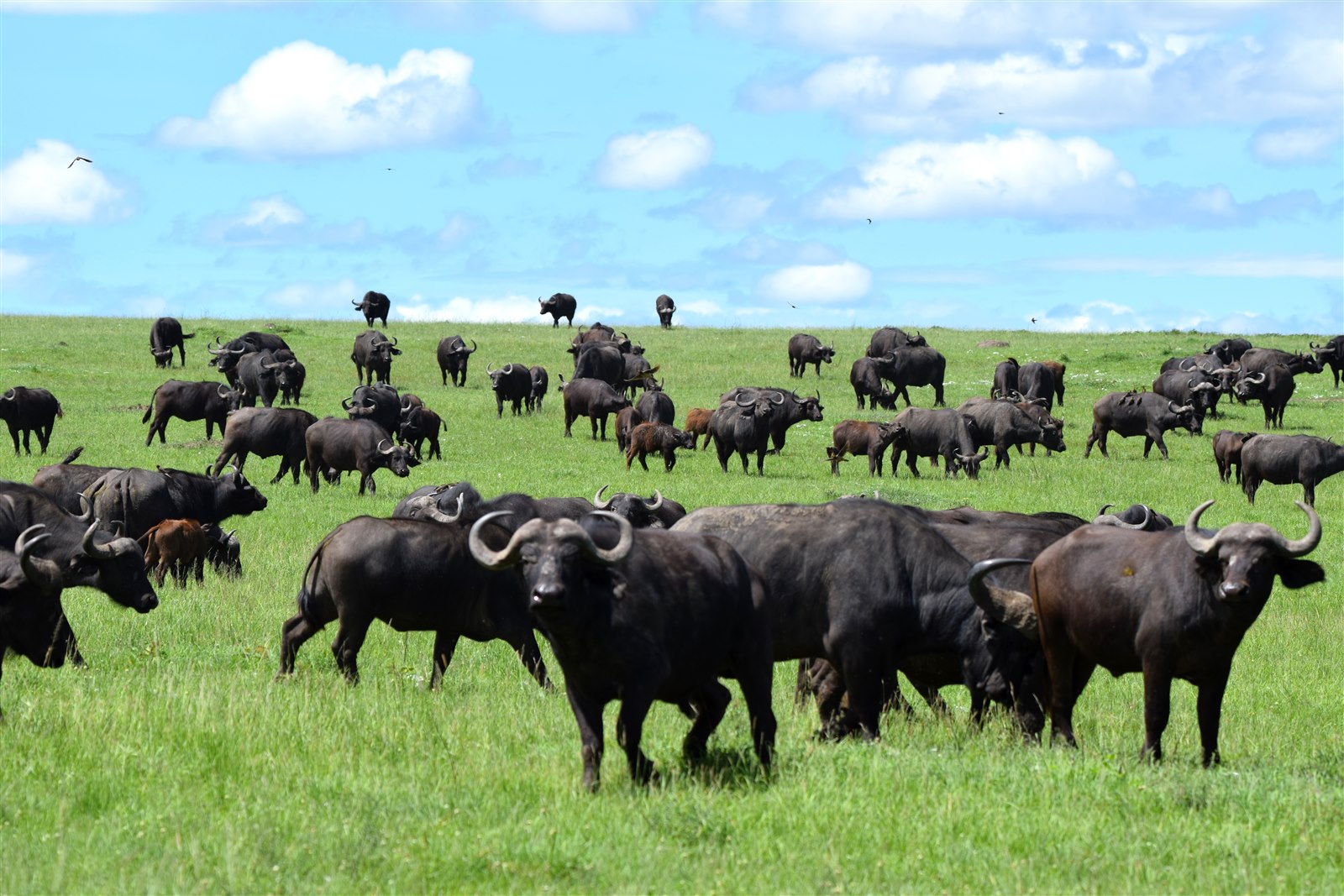
Elephants move through in sizeable herds, particularly near the river, and hippos and crocodiles are a near-certain sighting along the water itself. Plains game such as zebra, topi, buffalo and various antelope species are present throughout the year, swelling dramatically in number when the migration herds arrive.
Birdlife is excellent too, with raptors taking advantage of the open terrain and water birds gathering along the Mara River. For visitors who enjoy quieter wildlife interests alongside the big-ticket predators, the Mara Triangle rewards patience.
The Oloololo Escarpment
The Oloololo Escarpment forms the dramatic western wall of the Mara Triangle, rising steeply above the plains below. Early morning and late afternoon light on the escarpment face is a favourite subject for photographers, and the elevated terrain creates its own microclimate, with slightly cooler temperatures than the valley floor.
Some camps situated along the base of the escarpment offer views directly across the plains toward the river, giving guests a sense of the landscape's scale before they even set out on a game drive. The escarpment also marks a natural edge to the ecosystem, beyond which the terrain changes noticeably.
Photography in the Triangle
Photographers tend to love this part of the Mara for a simple reason: fewer vehicles at a sighting means more room to compose a shot without a dozen other roofs and antennas in the frame. Guides who know the area well can often position a vehicle on the correct side of the light without competing for space.
The escarpment backdrop adds depth to wide landscape shots that is harder to find elsewhere in the reserve, especially in the soft light of early morning or just before sunset. River scenes along the boundary also give photographers a reliable subject even on days without major predator action, from basking crocodiles to wading storks.
Dust from vehicle movement is lower here too, since numbers are controlled, which generally means cleaner air and better colour in photographs, particularly during the drier months.
A Typical Day in the Mara Triangle
A typical day usually starts with an early game drive, timed to catch predators still active after a night of hunting and the cooler light that flatters both wildlife and landscape photography. Guides typically leave camp before sunrise, while the air is still cool enough for big cats to be moving rather than resting in shade, and head straight for the areas where the previous evening's sightings suggest activity is likely to continue. Because vehicle numbers are limited, a sighting of lions or a cheetah on the hunt rarely turns into the crowded scene some travelers worry about.
Many visitors return to camp for a late breakfast and a rest through the heat of midday, when most wildlife beds down in whatever shade is available and game viewing slows considerably. This quieter stretch of the day is often when camps schedule a short bush walk near the lodge, a dip in the pool, or simply time to review the morning's photographs before heading out again.
The afternoon drive usually pushes toward the river or the escarpment base, depending on what the morning suggested might still be active, with guides watching for the shift in light that makes late afternoon one of the best windows for photography anywhere in this part of the reserve. Sundowners overlooking the plains are a popular way to end the day, with drinks set up at a scenic viewpoint while the light fades, before returning to camp for dinner and an early night ahead of the next drive.
Getting In
The Mara Triangle has its own dedicated entry gates, separate from the gates used to access the rest of the Masai Mara National Reserve. Travelers staying inside typically enter and exit through these gates directly, while those based elsewhere in the Mara can cross between zones, usually by paying the relevant gate fee for whichever area they are entering.
Most visitors reach this area as part of an organised road or fly-in safari rather than arranging access independently, since a knowledgeable guide will already understand which gate and route suits a given itinerary. Road conditions on the approach can vary with the season, and a good operator will plan around this.
Travelers flying in rather than driving usually land at one of the small airstrips serving the wider Masai Mara ecosystem, then transfer by road for the final stretch into this area. Fly-in access tends to suit shorter trips or travelers combining the Mara with other parts of Kenya, while a road safari from Nairobi gives more flexibility to stop along the way and takes in some of the Rift Valley scenery en route.
Where to Stay
A number of well-regarded camps and lodges sit inside or close to the Mara Triangle, often along the Mara River itself or near the base of the escarpment. Staying inside generally means shorter transfer times to game drives within the zone, which matters if river crossings are a priority for your visit.
Other travelers choose to stay just outside, in areas with easy access to both the Triangle itself and the wider reserve or neighbouring conservancies, trading a slightly longer drive for more flexibility in where they explore day to day.
Best Time to Visit
The Mara Triangle rewards a visit at almost any time of year, since resident wildlife and the managed environment keep game viewing strong outside migration season too. That said, most travelers still time a visit for the dry months when herds are concentrated and river crossings become possible along the boundary.
Shoulder months can bring quieter roads even by this area's already low standards, along with lush scenery after rain, for travelers who prioritise atmosphere and photography over migration drama specifically.
Choosing the Mara Triangle vs Other Parts of the Mara
Deciding how much time to spend here versus elsewhere in the Masai Mara depends on what you most want from your safari. Travelers chasing migration-season river crossings, or anyone who simply prefers fewer vehicles and stricter park management, tend to prioritise the Mara Triangle heavily in their itinerary.
Others prefer to split time between this area and the private conservancies around the main reserve, which offer their own advantages such as night drives and walking safaris that are not permitted inside the Triangle itself. A good safari operator can help balance these options based on the length of your trip and your main interests.
Whichever approach you take, including the Mara Triangle in a Masai Mara itinerary is rarely something travelers regret. Even a day or two spent in this part of the ecosystem tends to stand out as a highlight when people look back on their trip.
Frequently Asked Questions
Is the Mara Triangle a separate park from the Masai Mara? No. The Mara Triangle is part of the Masai Mara National Reserve, but it is managed by a dedicated authority rather than directly alongside the rest of the reserve.
Why is the Mara Triangle considered better managed? Gate fees collected within this area are reinvested directly into roads, ranger patrols and conservation work in that specific zone, which keeps infrastructure and vehicle regulation consistently high.
Is the Mara Triangle good for river crossings? Yes. Several well-known crossing points sit on or near its boundary, making it a popular base during migration season.
Can I visit the Mara Triangle on a day trip from elsewhere in the Mara? Yes, travelers staying in other parts of the Masai Mara or nearby conservancies can usually enter by paying the relevant gate fee, though staying inside reduces transfer time.
Are night drives allowed in the Mara Triangle? No. Night drives and off-road walking safaris are generally reserved for private conservancies, not this area or the rest of the national reserve.
What wildlife can I expect outside migration season? Resident lions, leopards, elephants, hippos, crocodiles and a wide variety of plains game and birdlife are present in the Mara Triangle throughout the year.
Conservation and Community Impact
One detail that often surprises first-time visitors is how directly their gate fee translates into visible conservation work. Because the management body overseeing this zone operates on a smaller, more transparent budget than the wider reserve, it is easier to see exactly where that money goes: resurfaced roads after the rains, new ranger outposts, fuel for anti-poaching patrols and support for the Maasai communities living along the boundary.
Community relationships matter here too. Grazing rights, employment at camps and lodges, and revenue-sharing arrangements with neighbouring group ranches all feed into how sustainably this corner of the ecosystem is protected for the long term. Guides frequently point out that the calm, well-regulated atmosphere travelers notice on a game drive is really the end result of this funding model working as intended, year after year.
For travelers who care about where their safari spending ends up, few parts of the Masai Mara make the connection between gate fees and conservation outcomes as visible as the Mara Triangle does. It is a small example of how smart management, not just abundant wildlife, shapes the quality of a safari.
Plan Your Safari
If a calmer, well-managed corner of the Masai Mara sounds like the right fit for your trip, our team can build an itinerary that puts real time in the Mara Triangle alongside the rest of the reserve or nearby conservancies. Browse our Kenya safari packages, read more on our guide to Masai Mara conservancies or our overview of a Masai Mara safari, and check current UK government travel advice for Kenya before you travel. Then get in touch and we will help you decide exactly how much of your trip belongs in the Mara Triangle.