

Ngorongoro vs Serengeti: Which to Visit
Few questions come up more often when planning a Tanzania safari than Ngorongoro vs Serengeti. Both sit within a short drive of each other in northern Tanzania, both are famous the world over for their wildlife, and both regularly appear on the same itinerary. Yet they are strikingly different places, and understanding what each one offers will help you plan a trip that matches your time, interests, and travel style rather than one built on guesswork.
This guide breaks down the Ngorongoro vs Serengeti decision in detail: what makes Ngorongoro Crater and the Serengeti unique, how much time each destination deserves, and why most travelers end up visiting both rather than picking a single winner. We will also look at who might lean toward one over the other, and how to structure a safari itinerary that gets the best of both worlds without feeling rushed.
In This Guide
- What Makes Ngorongoro Crater Special
- What Makes the Serengeti Special
- Ngorongoro vs Serengeti: A Side-by-Side Look
- How Much Time You Need in Each Place
- How Most Itineraries Combine Both Parks
- Who Should Prioritize Which Destination
- Practical Planning Advice
- Frequently Asked Questions
What Makes Ngorongoro Crater Special
Ngorongoro Crater is often described as a natural amphitheater for wildlife, and that description is not an exaggeration. The crater floor sits roughly six hundred meters below the rim, enclosed almost entirely by steep walls that keep most resident animals inside its boundaries year round. Unlike open ecosystems where herds migrate across huge distances, the crater functions more like a self-contained wildlife sanctuary, which means sightings here are famously dense and reliable regardless of the season you visit.
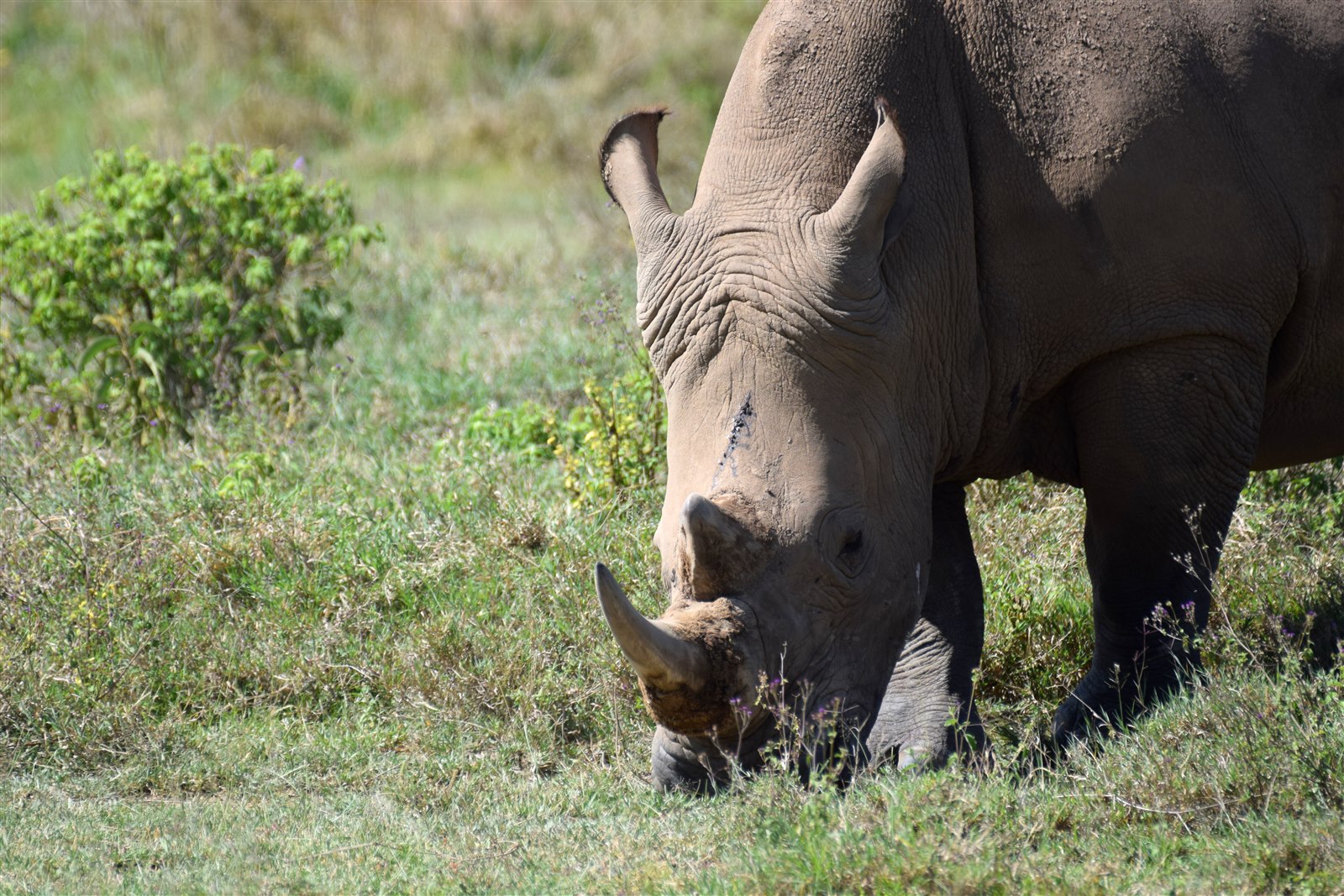
This compact geography is the single biggest advantage of the crater. Because animals cannot wander far, a single morning game drive can realistically produce sightings of lion, elephant, buffalo, hippo, hyena, zebra, wildebeest, and a long list of bird species, all within a relatively small area. The crater is also one of the few remaining strongholds for the critically endangered black rhino, and sighting one here is considerably more likely than almost anywhere else in East Africa.
Another distinguishing feature is the climate. Ngorongoro sits at high altitude, and the crater rim is noticeably cooler than the surrounding lowlands, with misty mornings and crisp evenings that feel completely different from the heat of the plains below. Many lodges perch directly on the rim, offering dramatic views down into the crater at sunrise. Lake Magadi, the soda lake on the crater floor, frequently attracts large flocks of flamingos, adding a splash of pink to an already striking landscape. If you want a deeper breakdown of when conditions are best, this guide to the best time to visit Ngorongoro Crater covers it season by season.
Wildlife density inside the crater also makes it an exceptional location for travelers who want strong photography results without spending days chasing sightings. Predator interactions, grazing herds, and wading birds along the lake edge are often visible from a single vantage point, which means photographers can slow down, wait for good light, and compose a shot rather than constantly moving to the next location. The crater floor is also relatively flat and open, so visibility across long distances is excellent even without climbing out of the vehicle.
Because access to the crater floor is tightly regulated, with a limited number of vehicles permitted each day and set descent and ascent points, the experience feels more structured than the free-roaming nature of a Serengeti game drive. Some travelers appreciate this order and predictability, while others find the open freedom of the plains more appealing. Either reaction is a reasonable response to two genuinely different styles of safari, and recognizing which style suits you is part of answering the Ngorongoro vs Serengeti question for your own trip. This structured access is one of the clearest practical differences in the Ngorongoro vs Serengeti comparison.
What Makes the Serengeti Special
The Serengeti operates on an entirely different scale. Where Ngorongoro is enclosed and compact, the Serengeti is vast, open, and constantly shifting. This is the stage for the Great Migration, the annual movement of roughly two million wildebeest and zebra that follow rainfall patterns in a continuous loop through the ecosystem. Depending on when you visit, you might witness dramatic river crossings, newborn calves dotting the southern plains, or enormous herds grazing across golden grassland that stretches to the horizon.
Terrain variety is another major strength. The Serengeti is not one uniform landscape but several distinct zones, from the short-grass plains in the south to the riverine woodlands near the Grumeti River and the kopjes, granite outcrops that rise dramatically from the plains and often shelter resting lions. This variety means game drives can last much longer and still reveal new scenery and new animal behavior with every turn, something the enclosed crater simply cannot replicate, and it is one of the main reasons scale sits at the center of the Ngorongoro vs Serengeti comparison.
The sheer openness of the Serengeti also makes it the best place in the region for hot air balloon safaris. Drifting silently above the plains at sunrise, watching herds and predators from above, is an experience unique to this kind of landscape. For travelers who want to understand the park in full detail before booking, our Serengeti National Park ultimate guide is a thorough starting point, and the month-by-month migration guide helps you time a visit around the herds.
The Serengeti ecosystem also supports an impressive density of resident predators beyond the migrating herds. Large lion prides hold territory around the kopjes, cheetah favor the open short-grass plains where they can spot prey from a distance, and leopard sightings are common along the riverine forests that line the seasonal rivers. Because the park is so large, guides often have detailed knowledge of specific prides and individual animals, which can turn a game drive into something closer to following an ongoing story rather than simply spotting unrelated animals.
Birdlife across the Serengeti is equally rewarding, with hundreds of species recorded across its different habitats, from raptors scanning the plains for carrion to colorful rollers perched along the tree line. The variety of habitats, from woodland to marsh to open grassland, means a longer stay rewards travelers with sightings that a single short visit would likely miss entirely. This depth of habitat is a point firmly in the Serengeti column whenever the Ngorongoro vs Serengeti debate turns to birdlife and variety.
Ngorongoro vs Serengeti: A Side-by-Side Look
When you put Ngorongoro vs Serengeti side by side, the contrast becomes clear almost immediately. Ngorongoro offers a concentrated, almost guaranteed wildlife experience in a small, dramatic bowl, while the Serengeti offers scale, variety, and the unpredictable theater of the migration spread across an area many times larger. Neither is objectively better; they simply deliver different kinds of safari experiences.
In the crater, game drives are shorter and sightings come quickly because animals are packed into a confined space. In the Serengeti, drives often last longer, distances between sightings can be greater, and the experience rewards patience with a sense of discovery. The crater is reliable in almost any season; the Serengeti experience changes dramatically depending on where the herds happen to be when you arrive. This is really the heart of the Ngorongoro vs Serengeti comparison that most travelers are trying to resolve before they book.
Accommodation style differs too. Ngorongoro lodges tend to sit on the crater rim with sweeping views and cooler temperatures, while Serengeti camps are often spread across the plains themselves, closer to the action but exposed to the heat and dust of the open savannah. Both styles have devoted fans, and the right choice usually comes down to personal preference for climate and setting, which is often the most personal part of the whole Ngorongoro vs Serengeti decision.
How Much Time You Need in Each Place
One of the most practical parts of the Ngorongoro vs Serengeti debate is simply how much time to allocate to each. Ngorongoro Crater rewards a shorter visit. Because the wildlife is so concentrated, a single full day, or even a focused morning descent followed by an afternoon drive, is usually enough to see the crater highlights, including lion prides, elephant bulls, and with some luck, a black rhino. Many itineraries build in one night at a rim lodge and one game drive session on the crater floor, which is sufficient for most travelers.
The Serengeti is the opposite. Its size and the unpredictability of where wildlife will be on any given day mean that three to five days is far more rewarding than a single visit. This allows time to explore different regions of the park, follow local migration movement, and simply absorb the scale of the landscape without feeling like you are racing against the clock. Shorter Serengeti stops are possible and still worthwhile, but they tend to feel like a teaser rather than a complete experience, which is worth weighing seriously in any Ngorongoro vs Serengeti timing decision.
If your schedule is tight, it is entirely possible to compress both destinations into a shorter overall trip, but doing so means accepting less time in the Serengeti specifically, since the crater can be adequately covered more quickly than the plains.
Transit logistics are another reason the two destinations pair so naturally. Driving from Arusha toward the Serengeti takes travelers directly past the Ngorongoro Conservation Area entrance gate, and the descent road into the crater is a short detour rather than a separate journey. This geographic convenience is a big part of why so few operators build itineraries around only one of the two parks, since skipping either one would mean driving past a world-class destination without stopping. Geography alone settles a good part of the Ngorongoro vs Serengeti question before planning even begins.
How Most Itineraries Combine Both Parks
In practice, very few travelers choose Ngorongoro Crater or the Serengeti exclusively. The two destinations sit close enough together, connected by the Ngorongoro Conservation Area, that combining them into a single northern Tanzania circuit is the standard approach for most safari itineraries. A typical route might begin in Arusha, head first to the Serengeti for several days of game drives and migration viewing, then conclude with a stop at Ngorongoro Crater on the way back toward Arusha, or vice versa.
This sequencing makes logistical sense. The Ngorongoro Conservation Area, managed by the Ngorongoro Conservation Area Authority, sits directly between Arusha and the Serengeti, so travelers pass through it regardless of their final destination. Rather than skip it, most itineraries build in a stop of a day or two, descending into the crater for a game drive before continuing onward. This approach means you experience the dramatic contrast between the two ecosystems back to back, which many travelers describe as one of the highlights of a Tanzania safari and the most satisfying resolution to the Ngorongoro vs Serengeti question.
For travelers short on time but still wanting a taste of both the crater and the plains, along with other northern circuit highlights, a structured option like the 6-day Masai Mara, Serengeti, and Ngorongoro safari shows how a combined route can be organized efficiently without feeling rushed between stops.
Who Should Prioritize Which Destination
While most itineraries combine both, there are travelers for whom one destination clearly deserves priority. If your trip is genuinely time-limited, perhaps a long weekend extension tacked onto a business trip or a short stopover between other travel plans, Ngorongoro Crater is the more efficient choice. Its compact size and dense wildlife mean you can have a satisfying, high-quality safari experience in as little as a day, without needing to budget for the longer transit times and multi-day exploration that the Serengeti rewards. Time-limited travelers often resolve the Ngorongoro vs Serengeti question in the crater's favor for exactly this reason.
On the other hand, travelers who are drawn specifically to the drama of the Great Migration, the vast open horizons, or the idea of a hot air balloon safari at sunrise should prioritize the Serengeti and treat Ngorongoro as a worthwhile but secondary stop. Photographers chasing migration action, honeymooners wanting a classic tented camp experience on the plains, and anyone who finds the idea of endless grassland romantic rather than monotonous will likely rate their Serengeti days as the trip highlight, tipping their personal Ngorongoro vs Serengeti balance firmly toward the plains.
Families with very young children, or travelers prone to motion sickness on long drives, sometimes also lean toward the crater, since its shorter distances between sightings mean less time bouncing along dusty tracks. Ultimately, thinking honestly about what kind of experience excites you most is the best way to resolve the Ngorongoro vs Serengeti question for your specific trip.
Walking safaris and cultural visits add further contrast between the two regions. Around the Ngorongoro Conservation Area, travelers can often arrange visits to local Maasai communities, learning about traditional pastoralist life alongside the wildlife viewing. In the Serengeti, the emphasis stays firmly on the wilderness itself, with activities built around game drives, walking excursions in permitted areas, and the balloon safaris mentioned earlier. Neither region is better suited to cultural engagement than the other across the board, but travelers specifically interested in combining community visits with wildlife viewing often find the crater area easier to arrange this around, another small factor in the broader Ngorongoro vs Serengeti decision.
Practical Planning Advice
Timing matters for both destinations, though for different reasons. The Serengeti experience changes significantly depending on where the migration happens to be, so checking a month-by-month guide before locking in your itinerary is worthwhile, and it should shape the timing side of any Ngorongoro vs Serengeti plan. Ngorongoro, by contrast, delivers consistently strong wildlife viewing throughout the year, though the dry season generally offers easier road conditions and clearer rim views, while the wetter months bring lush green scenery and fewer other vehicles at viewpoints.
Altitude and temperature are also worth planning around. The crater rim can be genuinely cold in the early morning and evening, especially compared to the heat of the Serengeti plains, so packing layers rather than relying on safari-weight clothing alone will make both legs of the trip more comfortable. A fleece or light jacket for crater mornings, paired with breathable clothing for warm afternoon drives on the plains, covers most conditions you will encounter.
Finally, think about pacing. Cramming too many destinations into too few days is one of the most common planning mistakes on a northern Tanzania circuit. It is usually better to spend slightly longer in the Serengeti and a focused day or two in Ngorongoro than to rush through both and leave each place feeling incomplete. Working with an experienced local operator who understands current park conditions, seasonal animal movement, and realistic driving times between regions will help you avoid an itinerary that looks good on paper but feels exhausting in practice.
Road access between the two parks is generally straightforward, with well-maintained routes connecting the Ngorongoro Conservation Area to both Arusha and the Serengeti entrance gates. Many travelers also consider a scenic light-aircraft transfer between the Serengeti and other regional parks to save driving time, particularly if their itinerary includes additional stops such as the Masai Mara further north. However you plan the logistics, the Ngorongoro vs Serengeti combination remains one of the most rewarding safari routes in East Africa.
Frequently Asked Questions
Is Ngorongoro Crater part of the Serengeti? No. Ngorongoro Crater and the Ngorongoro Conservation Area are separate from Serengeti National Park, although they border each other and are often visited together on the same safari route through northern Tanzania.
Which is better for first-time safari travelers, Ngorongoro or Serengeti? Both work well for first-time visitors, but if you can only choose one and want the most reliable wildlife viewing in limited time, Ngorongoro Crater tends to deliver quicker, denser sightings. The Serengeti rewards those with a few extra days to explore its full scale.
Can you see the Great Migration from Ngorongoro Crater? Generally no. The migration moves through the wider Serengeti ecosystem and surrounding plains, not through the enclosed crater itself, so travelers hoping to witness migration herds or river crossings need to visit the Serengeti specifically.
How many days should a combined Ngorongoro and Serengeti trip include? A well-paced combined itinerary typically allocates around one to two days for Ngorongoro Crater and three to five days for the Serengeti, though this can be adjusted depending on your overall trip length and priorities.
Is it worth visiting both Ngorongoro and the Serengeti on the same trip? Yes, for most travelers. Because the two destinations sit close together and offer genuinely different experiences, combining them gives a fuller picture of northern Tanzania than visiting either one alone, and it is the approach most safari itineraries are built around.
Whichever way you lean on the Ngorongoro vs Serengeti question, the good news is that you rarely have to choose only one. With thoughtful planning, realistic pacing, and the right local guidance, a single Tanzania itinerary can showcase both the dense, dramatic wildlife viewing of the crater and the sweeping, ever-changing theater of the Serengeti plains, giving you a far richer safari than either destination could offer on its own.