

Kidepo Valley National Park is the kind of place that makes seasoned safari guides go quiet for a moment before they start describing it. Tucked into the far northeastern corner of Uganda, hard against the borders of South Sudan and Kenya, the park sits so far from the usual safari circuit that many travelers never even hear its name until someone who has been there mentions it first.
This guide explains why the park has become a quiet obsession for travelers who want something genuinely wild, what makes its landscape and wildlife different from the rest of Uganda, how to actually get there, and when to go. By the end, you will understand why so many people who visit the park say it was the highlight of their entire trip to East Africa.
In This Guide
- Why Kidepo Valley National Park Is So Remote
- The Landscape and Scenery
- Wildlife Found Nowhere Else in Uganda
- The Karamojong People
- Getting to Kidepo Valley National Park
- When to Visit
- Why Kidepo Valley National Park Is Worth the Journey
- A Short History of the Park
- Photography in the Park
- Where to Stay
- A Sample Visit
- Conservation and the Future
- Combining Kidepo With the Rest of Uganda
- What to Pack
- A Birder's Perspective
- Frequently Asked Questions
Why Kidepo Valley National Park Is So Remote
Most visitors to Uganda spend their time tracking gorillas in the south or watching tree-climbing lions in Queen Elizabeth National Park, both of which sit within a reasonable drive of Entebbe. Kidepo Valley National Park is a different proposition entirely. It lies roughly at the furthest possible point from the capital, in the Karamoja sub-region, closer to Juba than to Kampala in spirit if not quite in distance.
That remoteness is exactly why the park sees so few visitors compared with Uganda's other parks. There is no easy half-day drive here. The isolation that keeps crowds away is the same isolation that has kept the wilderness of the park so intact, and that trade-off is part of what makes the park so appealing to travelers who have already done the more accessible parts of East Africa.
Because the park is so far from everything else, it rarely makes it onto a first-time visitor's itinerary. It tends to attract repeat travelers to Uganda, dedicated birders, and people who have specifically sought out the most remote safari destinations the region has to offer.
The Landscape and Scenery of Kidepo Valley National Park
Where many East African parks are flat savanna stretching to the horizon, Kidepo Valley National Park is dramatically different. The park is framed by the Morungole Mountains to the south and the Napore and Lonyili ranges elsewhere along its edges, with the valley floor itself opening into wide, golden grassland studded with borassus palms.
Two seasonal rivers, the Kidepo and the Narus, cut through the park, and although both run dry for much of the year, their sand-filled beds remain important wildlife corridors. During the dry months, the Narus Valley becomes the beating heart of the park, as every animal within range gravitates toward the handful of remaining waterholes.
Mountains on Every Horizon
Few other savanna parks in East Africa offer the sense of scale that the park does. Wherever you stand, there is a mountain range on the horizon, giving every game drive a backdrop that feels closer to a painted set than a real landscape.
Wildlife Found Nowhere Else in Uganda
Because Kidepo Valley National Park sits in a different ecological zone from the rest of the country, it holds several species that simply do not occur anywhere else in Uganda. Cheetahs are the headline example, found in the park and nowhere else within Uganda's borders.
Ostriches are another the park exclusive, striding across the open plains in a way that feels almost out of place until you remember how far north and how dry this corner of the country really is. Bat-eared foxes, striped hyenas and aardwolves add to a predator and small-carnivore checklist that reads more like northern Kenya than typical Uganda.
Big Cats and Big Herds
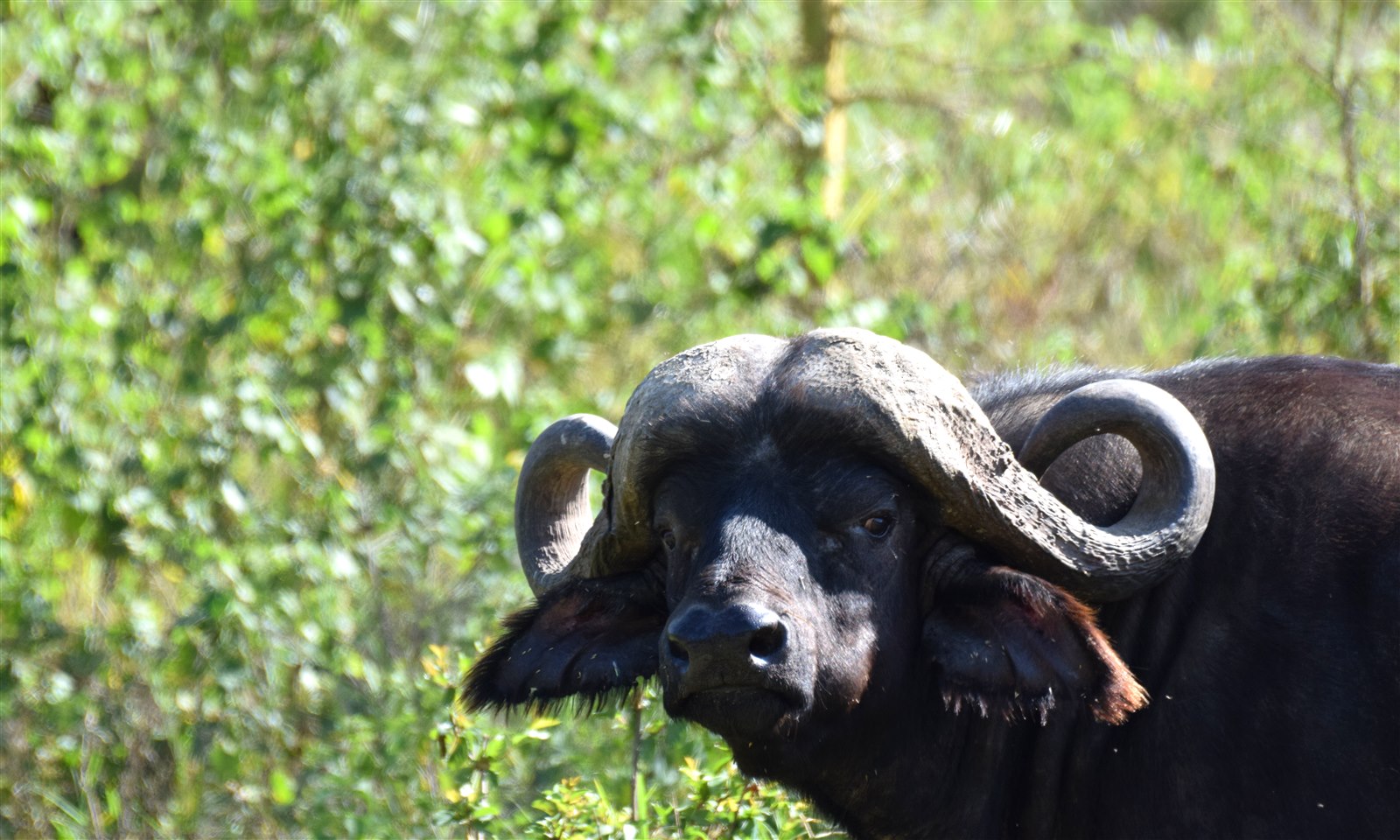
Lion prides in the park are known for a habit that surprises first-time visitors: climbing trees to rest, much like their famous cousins in Queen Elizabeth National Park. Elephant herds, buffalo, Rothschild's giraffe, Burchell's zebra and eland round out a species list that is genuinely different from anywhere else you will safari in Uganda.
Birders in particular treat Kidepo Valley National Park as a pilgrimage site, with dry-country specialists appearing here that cannot be found in the lusher, greener parks further south.
The Karamojong People
the park is surrounded by Karamoja, home to the Karamojong, pastoralist communities whose way of life has stayed closely tied to cattle for generations. A visit to a nearby Karamojong manyatta, arranged through your lodge, adds a cultural dimension to a trip to the park that few other Ugandan parks can match.
The Karamojong region has historically been less visited by outsiders than southern Uganda, and a respectful, locally guided visit around the park offers a genuine, unscripted look at a culture that has had far less contact with tourism than the communities around Bwindi or Queen Elizabeth.
Getting to Kidepo Valley National Park
The realistic way to reach Kidepo Valley National Park is by light aircraft from Entebbe, with scheduled flights operating several times a week during the main travel seasons. The flight takes a couple of hours and delivers you directly to an airstrip inside the park, turning what would otherwise be a grueling multi-day drive into a straightforward hop.
The road route to the park exists, but it is long, rough in places, and genuinely only recommended for travelers with plenty of time and a taste for overland adventure. Most tour operators, including ours, steer clients toward the fly-in option so that more of the trip is spent actually inside the park rather than on the road to it.
What a Typical Stay Looks Like
Because of how far the park is from everything else, most itineraries build in at least two full days here, often as a standalone add-on to a gorilla trekking trip or a wider Uganda circuit. Morning and afternoon game drives through the Narus Valley are the backbone of most stays.
When to Visit Kidepo Valley National Park
The dry months, roughly from September to March, are the most popular time to visit Kidepo Valley National Park, as dwindling water sources concentrate wildlife around the Narus Valley's remaining waterholes and tracks become easier for game drives.
The wetter months bring a dramatic transformation, with the park turning a vivid green and migratory birds arriving in large numbers, though wildlife disperses more widely across the park and some tracks can become difficult. Read our guide to the best time to visit Uganda for how Kidepo fits into the wider national picture.
Why Kidepo Valley National Park Is Worth the Journey
It would be easy to assume that a park this difficult to reach could not possibly be worth the effort, but almost everyone who visits the park says exactly the opposite. The lack of crowds means you can watch a lion pride, a herd of elephants or a cheetah on the hunt without another vehicle in sight.
There is a particular kind of magic to standing in the park and realizing that the mountains ringing the horizon are not a backdrop for tourists but simply how this corner of Uganda has always looked. For travelers who have already experienced the more familiar parks of East Africa, Kidepo Valley National Park offers something that increasingly feels rare: true wilderness, still largely on its own terms.
A Short History of the Park
the park was gazetted in 1962, the same year Uganda gained independence, making it one of the country's oldest protected areas. For much of the following decades, regional instability and cattle-raiding conflicts in Karamoja kept visitor numbers low and left the park largely overlooked by the international safari industry, even as its wildlife populations quietly recovered.
Stability returned to the wider Karamoja region over the past two decades, and tourism infrastructure around the park has grown steadily since, though it remains deliberately low-key. Conservation groups and the Uganda Wildlife Authority have invested heavily in anti-poaching patrols, and the results show in healthy populations of elephant, buffalo and the park's signature predators.
That history matters for visitors today, because it explains why the park feels so different from parks that have been on the tourist trail for a century. There is a rawness to the place, a sense that its wildness was never really interrupted, that comes directly from those decades of relative isolation.
Photography in Kidepo Valley National Park
Photographers who make the journey to Kidepo Valley National Park often say the light here is unlike anywhere else they have shot in East Africa. The combination of high altitude, dry air and mountain backdrops produces exceptionally clear skies, and sunrise over the Narus Valley is reliably spectacular.
Because there are so few other vehicles in the park, photographers can spend long, unhurried stretches with a single sighting rather than jostling for position. Wide-angle landscape shots that include the Morungole or Napore ranges in the background are a signature image from any visit here, and the open terrain makes it easy to frame wildlife against genuinely dramatic scenery.
What to Bring
A telephoto lens remains essential for cheetah and lion sightings, since both can appear at real distance across the open valley floor, but a wide-angle lens earns its place in Kidepo Valley National Park more than in almost any other East African park, thanks to those mountain backdrops.
Where to Stay Near Kidepo Valley National Park
Accommodation inside and around Kidepo Valley National Park is deliberately limited, which is part of what keeps the experience so exclusive. A handful of lodges and tented camps sit on raised ground overlooking the Narus Valley, positioned to catch the breeze and the views while staying close to the best game-viewing tracks.
Most properties here lean toward comfortable rather than ultra-luxurious, reflecting the practical challenges of building and supplying anything in such a remote corner of Uganda. What they lack in five-star extras, lodges around Kidepo Valley National Park more than make up for with genuine wilderness immersion, attentive guiding and a level of exclusivity that is increasingly hard to find elsewhere.
Because options are limited, booking well ahead matters more here than almost anywhere else on a Uganda itinerary, particularly if your dates fall within the busier dry-season months when demand for the handful of camps around Kidepo Valley National Park is at its highest.
A Sample Visit to Kidepo Valley National Park
A typical visit begins with the flight from Entebbe into the park's airstrip, followed by an afternoon game drive through the Narus Valley to get oriented and catch the first golden light over the mountains. Many first drives turn up lion, buffalo and the giraffe herds that favor the open valley floor.
A full second day usually alternates between an early morning game drive, when predators are most active, and a visit to a nearby Karamojong community in the afternoon. Some itineraries add a visit to the Kanangorok hot springs near the South Sudan border, a quirky detour that few visitors to Kidepo Valley National Park even know exists until their guide suggests it.
A third day, where time allows, is often kept deliberately unstructured: a long, unhurried game drive, extra time with any big cat sighting, or simply time to sit at the lodge and watch the valley change color as the sun moves. That flexibility is one of the quiet luxuries of a visit to Kidepo Valley National Park, where the itinerary rarely needs to be packed tightly to feel worthwhile.
Conservation and the Future of Kidepo
Because Kidepo Valley National Park sits in a transboundary landscape connecting with wildlife areas in South Sudan and Kenya, it plays a disproportionately important role in regional conservation, serving as a stronghold for species that have declined sharply elsewhere in East Africa.
Tourism revenue, modest as it is compared with Uganda's more visited parks, directly supports ranger patrols and community programs around Kidepo Valley National Park. Every visitor who makes the journey here is, in a small way, helping keep one of Africa's last truly wild corners intact for the next generation of travelers.
Combining Kidepo With the Rest of Uganda
Most travelers pair a visit to Kidepo Valley National Park with gorilla trekking in Bwindi or Mgahinga, flying between the two rather than attempting to drive the length of the country. Because both experiences are so different from each other, the combination gives a single Uganda trip remarkable range, from misty mountain forest to wide-open northern savanna.
Some itineraries also add Murchison Falls or Queen Elizabeth National Park, though most operators recommend keeping a Kidepo Valley National Park extension focused and unhurried rather than rushing between too many parks in one trip. Our Uganda safari packages can be tailored to include Kidepo Valley National Park exactly where it fits your pace and interests.
Before you travel, it is worth checking the latest UK government travel advice for Uganda, and the Uganda Wildlife Authority website has useful background on park regulations and conservation work across the country, including Kidepo Valley National Park.
Frequently Asked Questions
Is Kidepo Valley National Park safe to visit? Yes. The park and surrounding tourism routes are well established, and visits are organized through reputable lodges and operators with experienced local guides.
How many days should I spend at Kidepo Valley National Park? Most itineraries allow two to three days, enough time for several game drives through the Narus Valley and a cultural visit to a nearby Karamojong community.
Can I drive to Kidepo Valley National Park myself? It is possible but not recommended for most travelers. The drive is long and the roads are rough in places; flying from Entebbe is faster and far more comfortable.
What is the best month to see wildlife at Kidepo Valley National Park? The dry season, broadly September through March, concentrates wildlife around the park's remaining water sources and makes sightings more reliable.
Will I see cheetahs at Kidepo Valley National Park? Cheetah sightings are possible but not guaranteed on any single visit, since they range widely across the park, but Kidepo remains the only place in Uganda where they are found at all.
Does Kidepo Valley National Park have good accommodation? Yes, with a small but comfortable selection of lodges and camps overlooking the Narus Valley, offering a genuine wilderness experience without sacrificing comfort.
What to Pack
Daytime temperatures in this part of Uganda run warm and dry for most of the year, so light, breathable clothing in neutral colors works well, alongside a wide-brimmed hat and strong sun protection. Mornings in the valley can still carry a chill before the sun clears the surrounding mountains, so a light fleece is worth keeping within reach.
Sturdy closed shoes are useful for the short walks some camps offer around their grounds, and a good pair of binoculars pays off given how far wildlife can range across the open terrain here. Dust is a constant companion on game drives, so a scarf or buff and a protective case for cameras and lenses are worth packing.
A Birder's Perspective
Serious birders often rank a trip to this corner of Uganda among the most rewarding on the continent, thanks to the mix of dry-country and savanna species that overlap here in a way they rarely do elsewhere. Ostrich, kori bustard and a long list of raptors are regular sightings for anyone who takes the time to scan the open plains slowly.
Early morning and late afternoon tend to produce the richest birding activity, which fits neatly alongside the same hours that bring out the big game, so a single game drive can easily double as a serious birding outing without any extra planning.
Plan Your Safari
If the idea of standing somewhere truly remote, with mountains on every horizon and barely another vehicle in sight, appeals to you, Kidepo Valley National Park deserves a serious look. Contact us and we will help you build it into a Uganda itinerary that makes the most of the journey.