

Best Time to Visit Ngorongoro Crater
By Yulle Adventure
The Ngorongoro Crater is one of Africa's most reliable wildlife destinations, because the animals living on its floor do not migrate. The best time to visit depends mostly on whether you prefer dry weather and easy driving, or green scenery, fewer visitors and lower prices. In short: June to October is the driest and most comfortable, January and February are excellent for the surrounding plains, and April and May are the quietest.
What makes the crater different
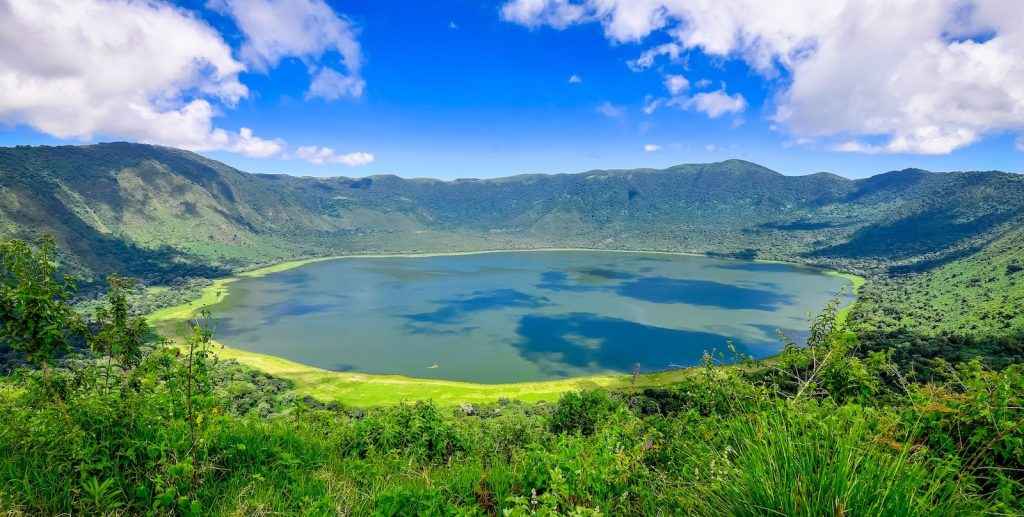
The crater is a huge collapsed volcano whose floor sits roughly 600 meters below the rim. Because it holds permanent water and grazing, much of its wildlife stays on the floor year-round. Lions, hyenas, buffalo, zebra, wildebeest, hippos, elephants and flamingos can be seen in any month, and it is one of the best places in Tanzania to look for black rhino. Visitors descend by vehicle for a half-day game drive, usually starting early in the morning.
Month-by-month guide
| MonthsWeatherCrowdsNotes | |||
| January to February | Warm, with short showers | Moderate to busy | Herds on the nearby plains, green landscapes |
| March to May | Long rains, heavy at times | Quiet | Lowest rates, some camps close, muddy tracks |
| June to August | Dry and cool | Busy | Excellent visibility, clear mornings |
| September to October | Dry and warmer | Busy | Good game viewing, dusty |
| November to December | Short rains | Moderate, busy over holidays | Green and fresh, brief showers |
June to October: the dry season
These months give the most reliable weather. Roads are in good condition, the grass is shorter and the animals gather near water, which makes them easier to find. They are also the most popular months, so the crater floor can have many vehicles at the best sightings. Book lodges early and start your descent as soon as the gates allow.
November to December: short rains
Rain tends to arrive in brief bursts. The crater turns green, wildlife is still plentiful, and the number of visitors drops outside the Christmas and New Year period. This is a pleasant time for photographers who like soft light and dramatic skies.
January to February: calves and predators
The nearby Ndutu area hosts the calving season around this time, and many itineraries pair the crater with the southern Serengeti. The crater floor itself remains productive, with young animals and the predators that follow them.
March to May: the quiet rainy months
This period brings the heaviest rain. Some tracks can become difficult and a few lodges close for maintenance. In return you get the lowest prices of the year and the crater almost to yourself. Pack for wet weather and keep your plans flexible.
Temperature: dress for the rim
The crater rim sits at roughly 2,300 meters above sea level, so mornings and evenings are cold at any time of year, and early descents can be chilly even in the dry season. Bring layers, a warm jacket, a hat and gloves for the rim, then lighter clothes for the warmer crater floor.
Tips for a better visit
- Descend early to enjoy cooler air and calmer light before the crowds arrive.
- Bring a packed lunch and binoculars; the picnic stop is usually at a hippo pool.
- A half-day is the usual visit, but a full day lets you explore beyond the busiest spots.
- Pair the crater with the Serengeti, Tarangire or Lake Manyara for a fuller northern circuit.
- Ask us about the crater service fee and conservation area entry charges, as they are charged separately from lodging.
Frequently asked questions
Can I see the Big Five in the crater? Lion, elephant, buffalo and rhino are present, but leopards are rare and hard to find.
Is the crater worth it in the rainy season? Yes, if you accept some mud and weather. The wildlife is still there and the experience is much quieter.
How many days do I need? One full morning or day in the crater, with a night on the rim beforehand.
Plan your visit with Yulle Adventure
Tell us when you want to travel and we will build the Ngorongoro stay around it. Browse or contact us for a quotation.