

The Best Time to Visit the Serengeti: A Month-by-Month Guide
The Serengeti is one of the world’s great wildlife destinations, and there’s never really a bad time to go. But the best time for you depends on what you most want to see, how much you want to spend, and how much solitude you’re after. Here’s a month-by-month look at what the park offers.
The Short Answer
For classic game viewing, the dry season from late June to October is widely considered the best time to visit. Wildlife gathers around permanent water sources, the grass is shorter, and animals are easier to spot. This is also when the dramatic Mara River crossings take place.
Understanding the Great Migration
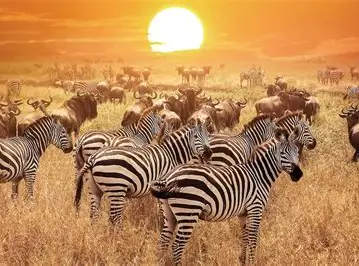
The Serengeti’s most famous spectacle is the Great Migration, when around 1.5 million wildebeest, along with hundreds of thousands of zebra and gazelle, move in a continuous loop following the rains. The herds are always on the move, so where you stay matters as much as when you go.
January to March: Calving season. The herds gather on the short-grass plains of the southern Serengeti and Ndutu area. Around February, hundreds of thousands of calves are born within a few weeks. Predators, from lions to cheetahs and hyenas, are very active, making this a superb time for dramatic predator-prey action.
April to May: The green season. The long rains arrive, the landscape turns lush, and the herds move northwest through the central and western Serengeti. Crowds are thin, lodge rates are lower, and the scenery is beautiful. Expect some afternoon showers and occasionally muddy roads.
June to July: The Western Corridor. The herds reach the Grumeti River, where they face crocodiles at the crossings. The crossings are less predictable than those on the Mara River, but they can be spectacular.
July to October: The Mara River crossings. The herds push into the northern Serengeti (Kogatende), where thousands of animals plunge into the crocodile-filled Mara River. This is the scene most people picture when they imagine the Migration, and it’s the peak of the safari season.
November to December: The short rains. The herds travel south again toward the plains, and the park becomes green and quiet. It’s a rewarding time for birdwatchers, with migratory species arriving, and for travelers who want good wildlife with fewer vehicles around.
Best Time for Different Travelers
For the river crossings: Aim for late July through September. Even then, crossings can’t be guaranteed, so allow several days in the north.
For calving and predators: Visit between late January and early March, based in the Ndutu region.
For fewer crowds and better prices: Choose April, May, or November. You’ll trade a little weather certainty for much more space and better value.
For general game viewing and photography: June to October offers dry weather, clear skies, and excellent visibility.
For birdwatching: November to April, when resident and migratory birds are at their best.
Climate and Practical Tips
The Serengeti sits at a fairly high elevation, so mornings and evenings on game drives can be cool, even chilly, while midday can be hot. Pack layers, a wide-brimmed hat, sunscreen, and a good pair of binoculars.
Peak months (July to September, and the Christmas and New Year period) book up early, so plan well ahead. Lodges and camps in the northern Serengeti in particular can fill up many months in advance.
So, When Should You Go?
If you want the headline experience, go between July and October. If you’re looking for newborn animals and action on the plains, go in February. If you’d like quieter roads and lower prices, consider the green season. Every season has its own character, and the Serengeti rewards visitors at any time of year.
Ready to Plan Your Safari?
The right itinerary depends on the season, your budget, and what you most want to experience. Contact us on: 0769841010 for a quotation so you can look at the available itineraries, and our team will help you match your dates to the best the
Serengeti has to offer.