

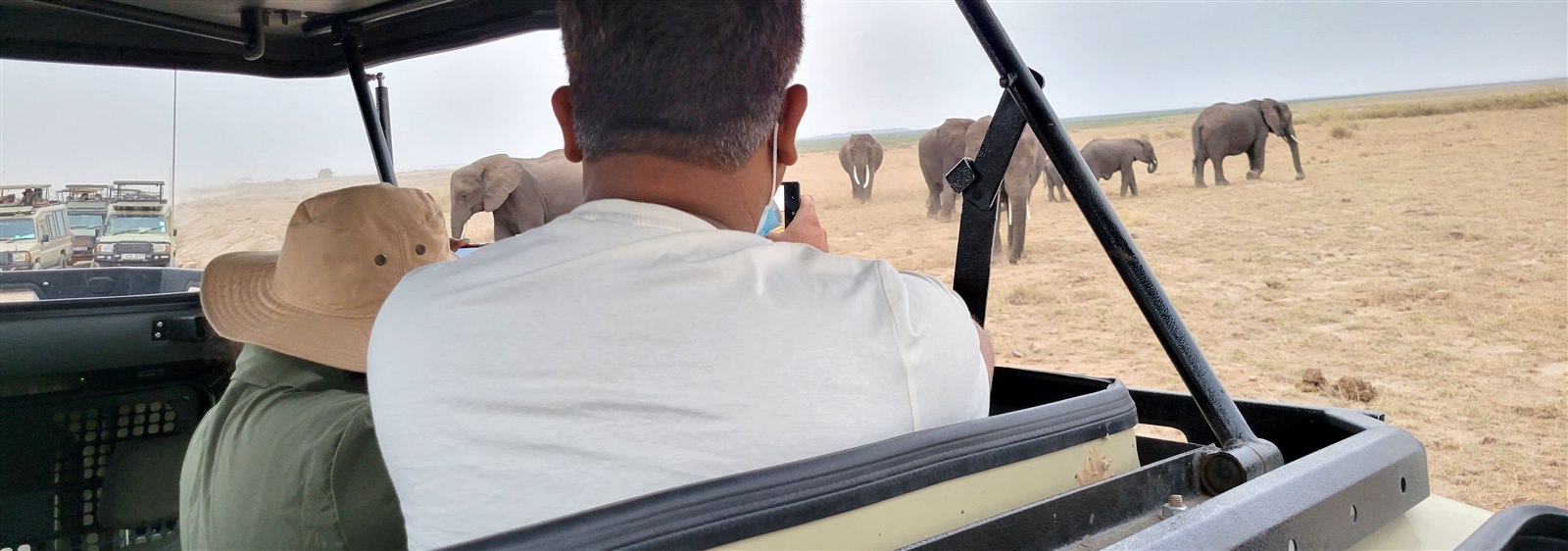
Ruaha National Park is Tanzania's largest national park, and also one of its least visited, which is exactly what makes it so rewarding. While most first-time visitors to Tanzania head straight for the Serengeti and Ngorongoro Crater in the north, Ruaha National Park sits quietly in the south, holding huge elephant herds, some of Africa's largest lion prides, and a sense of space that the busier circuit can no longer offer.
This guide explains why Ruaha National Park deserves a place on your Tanzania itinerary, what makes its wildlife and landscape so distinctive, how to get there, when to go, and how it compares with the northern parks most travelers already know.
In This Guide
- The Size and Remoteness of Ruaha National Park
- The Great Ruaha River
- Elephant Herds
- Lions and Other Predators
- Baobabs and Birdlife
- Photography in the Golden Light
- Conservation and Community
- Getting to Ruaha National Park
- When to Visit
- Ruaha vs the Northern Circuit
- Combining Ruaha with Southern Tanzania
- Frequently Asked Questions
The Size and Remoteness of the park
Ruaha National Park covers an enormous area, roughly the size of a small country, which immediately sets it apart from anywhere else in Tanzania. Because the park sits in the remote southern circuit rather than the well-trodden north, far fewer visitors make the trip, and the ones who do are rewarded with a genuine sense of wilderness.
That remoteness is not an inconvenience so much as the whole point. Ruaha National Park feels unmanaged and untouched in a way that is increasingly rare across East Africa, and the lack of crowds means sightings here unfold at their own pace, without a line of vehicles waiting for a turn.
A Park Still Finding Its Fame
Travelers who have already done a Serengeti safari are often the ones who discover this southern giant next, looking for something wilder. Word is spreading slowly, but the park remains refreshingly under-visited compared with its size and its wildlife numbers would suggest.
Part of the reason is simple geography. The south of Tanzania has never had the same road and rail infrastructure as the north, so for decades the region stayed off the standard safari map. That isolation protected the ecosystem from the pressure that busier parks eventually face, and today it is the single biggest reason the wildlife here feels so undisturbed.
Local guides often describe the atmosphere as a throwback to how safaris used to feel decades ago, before fixed viewing circuits and radio networks turned sightings into group events. Here, a guide reads tracks, dung and alarm calls the old way, piecing together where the action is rather than being directed to it.
The Great Ruaha River: The Park's Lifeline
The Great Ruaha River gives the park its name and its rhythm. In the dry season, the river shrinks to a scattering of pools, and every animal in the park depends on what remains of it, which concentrates wildlife along its banks in a way few other Tanzanian rivers can match.
Elephants, buffalo, giraffe, zebra, antelope and the predators that follow them all gather near the water in Ruaha National Park during the driest months, making the riverbanks one of the most productive game-viewing corridors anywhere in southern Tanzania.
During the wetter months, the river swells and the surrounding bush turns a rich green, spreading wildlife more widely across the park and rewarding visitors with lush scenery rather than dusty concentration. Either season has its own appeal.
Huge Elephant Herds
Ruaha National Park is famous among safari guides for its elephants, and the numbers back that reputation up. Large family herds move across the park in search of water and browse, and encountering a herd of fifty or more elephants crossing open ground is far from unusual here.
What makes elephant sightings in the park especially memorable is the scale of the landscape around them. There is rarely another vehicle in sight, so a herd of elephants moving through golden grass with nothing but baobabs and hills behind them feels like something from an earlier era of safari travel.
Lions and Other Predators
Ruaha National Park is home to some of the largest lion prides left in Africa, a direct result of the park's abundant buffalo and antelope populations. Prides of twenty or more lions have been recorded here, considerably larger than the groups most visitors are used to seeing further north.
Beyond lions, the park also supports healthy populations of leopard, cheetah and African wild dog, one of the continent's most endangered predators. Spotting a pack of wild dogs on the move is one of the park's genuine highlights, and Ruaha National Park is one of the more reliable places left to do it.
A Predator-Rich Ecosystem
The combination of a huge prey base and minimal human disturbance has allowed predator numbers here to remain remarkably healthy. Guides often spend entire mornings tracking a pride rather than rushing between sightings, simply because there is so much ground and so little competition for the view.
Researchers studying lion behavior have found that the sheer scale of territory available allows prides to grow larger than is typical elsewhere, since there is less pressure from neighboring groups competing over the same limited space. It is one reason the park has become an important site for long-term predator research in Tanzania.
Photography in the Golden Light
Photographers who have visited the park consistently mention the light. The combination of dry air, open plains and a low southern sun produces a golden, textured quality in the late afternoon that is harder to find in the greener, denser landscapes further north.
Baobabs make for striking silhouettes at both ends of the day, and because sightings here are rarely crowded, photographers can spend as long as they like composing a shot without other vehicles edging into the frame. For anyone building a photography-focused Tanzania trip, this park deserves serious consideration alongside the more famous circuits.
Conservation and Community
Ruaha National Park sits at the heart of a much larger ecosystem that includes several surrounding game reserves and community conservation areas, together forming one of the largest protected wildlife landscapes in Africa. That scale matters for species like elephant and wild dog that need huge home ranges to thrive.
Tourism revenue from visitors to the park helps fund anti-poaching patrols and supports communities living on the park's boundaries, who increasingly see wildlife as an asset worth protecting rather than a threat to livestock and crops. Choosing to visit, in a small way, supports that ongoing work.
Baobabs and Birdlife
The landscape of Ruaha National Park is instantly recognizable once you have seen it: rolling hills studded with ancient baobab trees, their swollen trunks standing out against dry-season grass or wet-season green. Few places in Tanzania pair dramatic scenery with wildlife quite so effectively.
Birdwatchers also rate the park highly, with several hundred recorded species including many that are hard to find elsewhere in Tanzania. The mix of river, woodland and open plain within Ruaha National Park supports a genuinely impressive range of habitats in a relatively compact area to explore by vehicle.
Getting to the park
Reaching Ruaha National Park usually means flying rather than driving. Scheduled light aircraft connect Dar es Salaam and Arusha with the Msembe airstrip inside the park, and the flight itself offers sweeping views over the southern highlands before descending into the bush.
A road journey to the park is possible but long, and most visitors with limited time choose to fly both ways to maximize the days spent actually on safari rather than in transit. Your safari operator can arrange these flights alongside the rest of your itinerary.
When to Visit the park
The dry season, roughly June through October, is widely considered the best time to visit Ruaha National Park, since falling water levels force wildlife to concentrate along the Great Ruaha River, making sightings easier and more predictable for visitors on a shorter trip.
The wetter months bring their own rewards to the park: newborn antelope, migratory birds arriving in large numbers, and a landscape transformed into deep green. Roads can be more challenging during the heaviest rains, so check conditions with your operator if traveling outside the dry season.
Ruaha National Park vs the Northern Circuit
The most common question about the park is how it compares with the Serengeti and Ngorongoro Crater, and the honest answer is that they offer different experiences. The northern circuit delivers world-famous density and the Great Migration; Ruaha National Park delivers space, quiet and a wilder atmosphere.
Fewer Vehicles, Longer Sightings
Where a leopard sighting in the north might draw half a dozen vehicles within minutes, the same sighting in the park is often watched by a single vehicle for as long as the guide and guests want to stay. That difference in pace is, for many repeat visitors, the entire appeal.
A Complement, Not a Replacement
Few travelers choose Ruaha National Park instead of the northern circuit; most add it as a second, contrasting chapter to a longer Tanzania trip, pairing the drama of the Serengeti with the solitude of the south.
Combining Ruaha with Southern Tanzania
Ruaha National Park pairs naturally with other parks in Tanzania's southern circuit, most notably Nyerere National Park, formerly part of the Selous Game Reserve. Flying between the two is straightforward and lets you experience two very different southern ecosystems on one trip.
Where Nyerere offers boat safaris along the Rufiji River, Ruaha National Park offers dramatic baobab scenery and some of the continent's biggest lion prides, making the combination a well-rounded introduction to southern Tanzania for travelers who have already done the north.
For help deciding how the timing works across Tanzania's regions, our guide to the best time to visit Tanzania breaks down what each season offers across both the northern and southern circuits.
Where to Stay in the park
Accommodation inside Ruaha National Park ranges from classic tented camps along the river to smaller, more intimate bush camps deeper in the park. Because visitor numbers stay low, even modest camps tend to feel exclusive, with staff who know the park intimately and can tailor each day's drive around recent sightings.
Many camps also offer walking safaris and night drives where permitted, adding further ways to experience this corner of Tanzania beyond the standard vehicle-based game drive. A walk with an armed ranger brings an entirely different perspective, from tracking fresh lion prints to learning how elephants strip bark from baobab trunks during the dry months.
Because camps here rarely exceed a handful of guest tents or rooms, service tends to be personal and flexible. Many lodges will happily adjust meal times or a day's plan around what the morning's tracking suggests, rather than following a fixed schedule built for larger groups.
A Typical Day on Safari Here
Mornings start early, usually with a hot drink before first light and a game drive that sets off as the sky is only just beginning to color. Guides use the cool early hours to look for predators that have been active overnight, following tracks left in the sandy soil since the previous evening.
Midday is typically a quiet period back at camp, with lunch, rest and time to review photos from the morning before heading out again in the late afternoon. That second drive often runs into dusk, when the light turns golden and animals that rested through the heat of the day become active again.
Evenings at camp tend to be relaxed and sociable, with dinner often served under the stars and guides happy to talk through the day's sightings, point out constellations, or share stories from years spent working in this part of Tanzania.
Who This Destination Suits
This is a better fit for travelers who have some safari experience already, or who specifically want solitude over the density of sightings that draws most people to the Serengeti. First-time visitors to Africa are often better served starting with the northern circuit, then returning for this wilder chapter on a future trip.
It also suits photographers, birders and anyone drawn to genuinely remote places, since the whole experience is built around space, quiet and the sense of being far from anywhere else. Families with very young children may find the longer flights and remoteness less practical than a more accessible northern itinerary.
Packing and Practical Tips
Daytime temperatures in this part of Tanzania can climb high, especially toward the end of the dry season, so light, breathable clothing in neutral tones works best. Mornings and open-vehicle game drives can still be cool, so a layer for early starts is worth packing alongside sun protection.
Good binoculars matter here as much as anywhere in East Africa, given the open terrain and the distances over which elephant herds and predator sightings often play out. A camera with reasonable zoom will also make the most of the park's famous golden-hour light.
Responsible Travel in a Fragile Ecosystem
Because this part of Tanzania sees so few visitors compared with the northern circuit, every traveler who makes the journey has an outsized role to play in supporting conservation. Camps here tend to employ heavily from surrounding communities, which means tourism income reaches households directly rather than disappearing into a distant supply chain.
Simple habits matter too: staying on marked tracks during game drives, keeping a respectful distance from animals, and following your guide's lead around predators all help protect an ecosystem that has stayed wild precisely because it has not been overrun. Many lodges also run small-scale conservation or anti-poaching initiatives that guests can learn about during their stay.
Water is scarce for much of the year, so most camps take sustainability seriously, from solar power to careful water use, and guests are generally encouraged to do the same. None of this detracts from the experience; if anything, it adds a sense that your visit is part of something worth protecting rather than simply consuming.
Frequently Asked Questions
Where is the park? It lies in central-southern Tanzania, reached by scheduled flights from Dar es Salaam or Arusha to the Msembe airstrip inside the park.
Is Ruaha National Park good for a first Tanzania safari? It can be, but many travelers pair it with the northern circuit on a longer trip, since the north offers a gentler introduction with easier road access.
What is the park best known for? Enormous elephant herds, some of Africa's largest lion prides, and a dramatic baobab-studded landscape along the Great Ruaha River.
How many days should I spend in Ruaha National Park? Most itineraries allow three to four nights, enough time to explore both the riverine areas and the drier plains further from water.
Can I combine the park with Nyerere National Park? Yes. Flying between the two southern parks is straightforward and gives you a well-rounded view of southern Tanzania's different ecosystems.
Is Ruaha National Park crowded? No. It remains one of Tanzania's least visited major parks, which is part of why sightings here feel so unhurried.
Can I do a walking safari here? Yes, many camps offer guided walks with an armed ranger, giving a different way to experience the landscape beyond vehicle-based drives.
Is this a good park for photography? Very much so. Open terrain, dramatic baobabs and a low, golden light in the late afternoon make it a favorite among safari photographers.
Do I need a visa to visit Tanzania? Most nationalities need a visa or eVisa for Tanzania, arranged in advance or on arrival depending on your passport; check current requirements well before you travel.
What wildlife might I miss here compared with the north? There is no wildebeest migration this far south, so if that specific spectacle is your priority, plan a separate visit to the Serengeti as well.
Plan Your Safari
If you are ready to add the park to your Tanzania plans, contact us for a tailor-made itinerary that combines the south with the northern circuit, or browse our Tanzania safari packages to see how a southern extension can fit into your trip. Before you travel, check the latest UK government travel advice for Tanzania, and let our team help you build a route that gives Ruaha National Park the time it deserves.