

Mobile Camping Safari vs Lodge Safari
Choosing how you sleep on safari shapes the entire trip far more than most first-time travelers expect. A mobile camping safari and a lodge safari can visit the exact same stretch of savanna, follow the same herds, and spot the same pride of lions at dawn, yet the two experiences feel worlds apart once the sun goes down. One puts you under canvas with the sounds of the bush pressing in close, while the other wraps you in solid walls, hot showers on demand, and a bar stocked for sundowners. Neither option is objectively better. They simply serve different travelers with different priorities, and understanding the real differences before you book is the best way to avoid disappointment.
At Yulle Adventures, we arrange both styles of safari across Kenya, Tanzania, and Uganda, and we are often asked which one is "the right choice." The honest answer is that it depends entirely on what kind of traveler you are, how much comfort you need to relax, and how closely you want to feel connected to the wilderness around you. This guide breaks down what each option actually involves on the ground, the atmosphere each one creates, who tends to love which style, and the practical logistics that go into planning a mobile camping safari versus a lodge-based itinerary.
In This Guide
- What a Mobile Camping Safari Actually Involves
- What a Lodge Safari Actually Involves
- The Atmosphere Difference: Wild Nights vs Consistent Comfort
- Which Type of Traveler Suits Each Style
- Logistics, Movement, and the Migration
- Combining Both Styles on One Trip
- How Yulle Adventures Can Arrange Either Option
- Frequently Asked Questions
What a Mobile Camping Safari Actually Involves
A mobile camping safari is exactly what it sounds like: a camp that travels with you rather than staying fixed in one spot. A dedicated crew of guides, cooks, and camp staff drives ahead of your group to a new site, pitches canvas tents, sets up a dining area, and has everything ready by the time you arrive. When it is time to move again, often to follow a migrating herd or simply to explore a new section of the park, the entire camp is dismantled and reassembled somewhere new. This is also sometimes called fly camping when the setup is especially minimal and temporary, built for only a night or two in a remote spot.
The tents themselves vary by operator and budget level. A classic mobile camping safari tent has a simple canvas structure with twin or double beds, a basic washstand, and a bucket shower that camp staff fill with hot water on request. More upscale mobile camps now offer en-suite setups with a proper toilet and a shower cubicle attached to the back of the tent, still canvas but considerably more comfortable than the old-school version. Either way, the walls are fabric, not brick, and that single fact changes the entire feel of the night.
What makes a mobile camping safari special is the crew behind it. These teams are skilled at logistics most travelers never see: transporting water, food, generators, and furniture across rough terrain, often setting up in a single afternoon so that guests arrive to a camp that looks like it has been there for weeks. Meals are cooked over open fires or in simple field kitchens, yet the quality is frequently just as impressive as a lodge kitchen, with fresh bread baked daily and three-course dinners served under lantern light.
What a Lodge Safari Actually Involves
A lodge safari, by contrast, is built around permanence. Lodges and permanent tented camps are fixed structures, whether that means solid buildings with stone walls and thatched roofs or large permanent tents mounted on raised wooden platforms with proper plumbing, electricity, and furniture that never moves. Because the structure is not relocated, lodges can invest in amenities that a mobile camp simply cannot carry along: swimming pools, spa treatments, full bars, libraries, gift shops, and sometimes even gyms or viewing decks built specifically for sundowners over a watering hole.
The rooms in a lodge or permanent camp tend to be larger and more consistent than anything you would find at a mobile camp. Expect proper beds, reliable hot water around the clock, air conditioning or fans depending on the region, charging points in every room, and often a private veranda overlooking the landscape. Because the location never changes, lodges also tend to build relationships with the surrounding ecosystem over years, including resident guides who know individual animals, specific trees, and seasonal patterns in intimate detail.
Lodges are also fixed to one location, which means your choice of lodge effectively locks in which part of a park or reserve you will be based in for your stay. Many lodges sit near popular wildlife crossing points, rivers, or open plains precisely because those locations deliver reliable game viewing without needing to travel far. For travelers who want excellent sightings without long game drives every day, this fixed positioning is a real advantage.
The Atmosphere Difference: Wild Nights vs Consistent Comfort
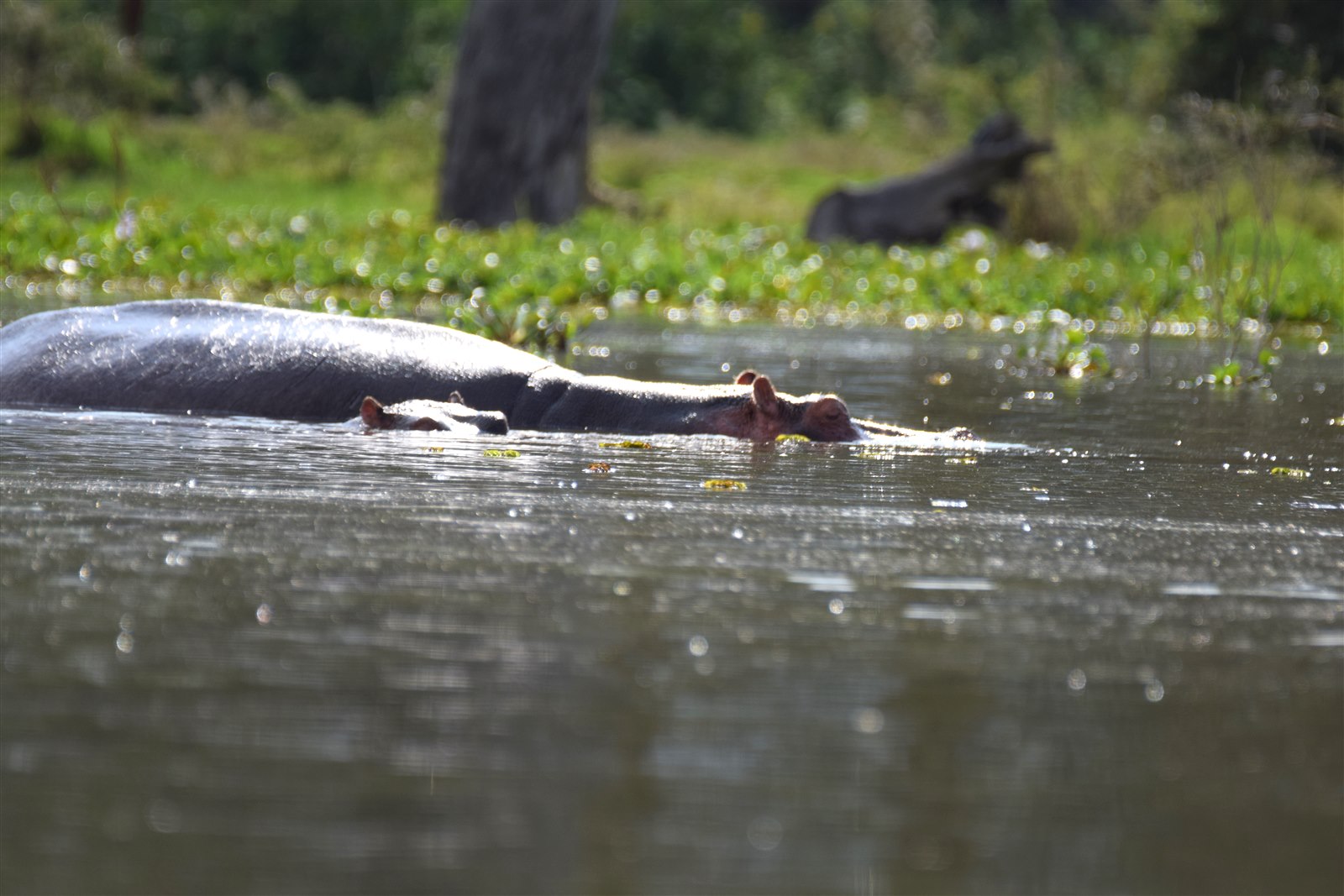
This is where the two experiences diverge the most. Staying in a mobile camping safari tent means sleeping with only a layer of canvas between you and the bush. At night you hear everything: hyenas calling across the plain, elephants rumbling as they pass nearby, hippos grunting from a river a few hundred meters away, and the occasional lion roar that seems to shake the tent walls. It is unmistakably, viscerally wild, and for many travelers, this is precisely the point of going on safari at all.
A lodge, with its solid walls and distance from the action, insulates you from most of that. You might still hear animals in the distance, especially at camps built right up against a river or waterhole, but the experience is softer and more removed. For some travelers this is a welcome trade; after a long day of game drives, a quiet room with air conditioning and a proper bed is exactly what they want for a restful night.
There is also a social and sensory dimension to a mobile camping safari that lodges rarely replicate. Dinner is often eaten at a single long table under open sky, staff and guides sharing stories around the fire afterward, and the smaller scale of mobile camps (often hosting far fewer guests than a large lodge) creates a more intimate, communal feeling. Lodges, especially larger ones, can feel more like a hotel experience, polished and comfortable but with less of that shared adventure atmosphere.
Which Type of Traveler Suits Each Style
Adventurous travelers who prioritize authenticity over polish tend to gravitate toward a mobile camping safari. If you want to feel like you are genuinely out in the wilderness, if the idea of a bucket shower under the stars sounds charming rather than inconvenient, and if you are comfortable with a slightly more rustic standard of accommodation in exchange for proximity to nature, this style will likely be the highlight of your trip. Photographers chasing the migration also benefit enormously, since a mobile camping safari can be repositioned to stay ahead of the herds in a way a fixed lodge never can.
Travelers who prioritize reliable comfort, consistency, and a wider range of amenities usually prefer lodges. This includes families traveling with young children who need predictable facilities, older travelers who want guaranteed hot showers and firm beds every single night, honeymooners looking for a touch of luxury and privacy, and anyone who simply finds canvas walls and shared bathroom facilities more stressful than romantic. There is no shame in preferring comfort. A safari is meant to be enjoyed, not endured.
Many travelers fall somewhere in between, and that is completely normal. Some want the adventure of a mobile camping safari for a few nights specifically during a migration crossing, paired with the comfort of a lodge at the start or end of the trip to ease into and out of the experience. We regularly build itineraries this way, and it tends to deliver the best of both worlds without forcing anyone to compromise on either comfort or authenticity for the entire trip.
Logistics, Movement, and the Migration
The single biggest logistical advantage of a mobile camping safari is flexibility. Because the camp itself can move, it can be positioned wherever wildlife activity is strongest at that particular time of year. During the Great Migration, this means a mobile camp can be set up near the Serengeti short-grass plains during calving season, then relocated toward the Grumeti or Mara River as the herds push north, keeping guests consistently close to the action rather than relying on long daily drives to reach distant sightings.
This flexibility comes with real complexity behind the scenes. Moving a full camp, tents, kitchen equipment, furniture, water tanks, and staff, across unpaved roads takes careful planning, usually a full day of setup work before guests arrive at a new site. Operators running a quality mobile camping safari typically scout locations in advance, coordinate with park authorities for camping permits, and time moves around weather and road conditions. It is a logistical operation that most guests never see, which is part of what makes the smoothness of a well-run mobile camp so impressive.
Lodge logistics are far simpler from a planning standpoint, since the structure never moves and supply chains are established and routine. This generally translates into a smoother, more predictable booking process and fewer surprises. However, it also means that if wildlife moves away from a lodge's immediate area, which happens naturally with seasonal migration patterns, guests may need longer game drives to find the best sightings rather than having the action brought closer to them.
Permits and conservation regulations also play a role in both park authorities and safari planning. Tanzania's national parks, for instance, manage designated campsite zones and seasonal access carefully to protect fragile ecosystems, and operators arranging a mobile camping safari must work within those official frameworks. You can read more about how protected areas are managed directly through the Tanzania National Parks Authority, which oversees conservation and visitor access across the country's major parks.
Combining Both Styles on One Trip
One of the most popular approaches among well-traveled safari guests is to combine both styles within a single itinerary rather than choosing exclusively one or the other. A common pattern involves starting in a comfortable lodge for the first few nights, allowing travelers to adjust to the time zone and climate with full amenities close at hand, before moving into a mobile camping safari for the more adventurous middle stretch of the trip, often timed to coincide with a river crossing or a particularly active wildlife period.
This combined approach also helps with pacing. Long stretches of either style can start to feel repetitive, whereas alternating between the intimacy of a mobile camp and the polish of a lodge keeps the trip feeling fresh and varied. It also spreads risk sensibly: if weather or road conditions make camping less appealing on a particular leg, having lodge nights built into the same trip provides a comfortable fallback without requiring an entirely separate booking.
For travelers exploring the Serengeti specifically, understanding the full range of accommodation styles available in the park, from mobile camps that chase the migration to fixed luxury lodges overlooking the plains, helps enormously when deciding how to split a trip. Our detailed overview of Serengeti accommodation options walks through exactly what is available and where each style tends to be positioned within the park.
How Yulle Adventures Can Arrange Either Option
Whichever style appeals to you, Yulle Adventures has the relationships and regional knowledge to build it properly. For travelers drawn to the adventure of a mobile camping safari, we work with experienced mobile camp operators across the Serengeti, Masai Mara, and other key wilderness areas who know how to time camp moves around migration patterns and seasonal wildlife activity, so you spend your nights exactly where the action is happening rather than wherever happens to be convenient.
For travelers who prefer the comfort and consistency of a lodge or permanent tented camp, we draw on an extensive network of properties across Kenya, Tanzania, and Uganda, ranging from understated mid-range lodges to high-end luxury camps with every amenity imaginable. If you are curious what a top-tier fixed option looks like in the Masai Mara specifically, our guide to Masai Mara luxury camps and lodges covers the properties that consistently deliver the best combination of comfort and front-row wildlife viewing.
We also recognize that budget matters, and a mobile camping safari does not have to mean a premium price tag any more than a lodge stay has to break the bank. We help travelers find the right balance for their budget while still prioritizing a great wildlife experience, including options detailed in our guide to budget camps and lodges in the Masai Mara, which proves that smaller budgets do not have to mean a smaller wildlife experience.
During calving season specifically, timing and location matter more than almost any other factor, which is why our breakdown of camps and lodges in Ndutu is such a useful resource for anyone trying to decide between a mobile setup chasing the herds and a fixed base on the calving plains. Whatever combination you choose, our role is to match your travel style, comfort needs, and budget against the right accommodation strategy, then handle every logistical detail so you can simply enjoy the experience once you land.
Planning a trip that blends adventure with comfort, or leans fully into one style or the other, is something our team handles regularly across all three countries we specialize in. We take the time to understand what kind of traveler you are before recommending anything, because the best safari accommodation is never a one-size-fits-all answer. A well-matched mobile camping safari can be the single most memorable part of someone's entire trip, while for another traveler, that same setup would feel like an unnecessary hardship, and a lodge would deliver every bit as much joy and connection with the wildlife around them.
Frequently Asked Questions
Is a mobile camping safari safe at night with no solid walls around the tent Yes, reputable operators take safety seriously, with camp staff stationed on watch overnight and clear guidance on staying inside your tent after dark and using an escort to walk between tents if needed. Dangerous animals rarely approach occupied camps, and guides are trained to manage any encounters calmly and safely.
Do mobile camps have electricity and charging facilities Most mobile camps run on generators for a few hours each evening to charge batteries and power communal areas, though individual tents often rely on solar lanterns or battery packs rather than constant power. Lodges, by comparison, typically offer round-the-clock electricity in every room.
Which option is better for photographers following the migration A mobile camping safari generally offers an advantage here, since the camp can be repositioned to stay close to herd movements and river crossings, cutting down on long drives and maximizing time in strong early morning and late afternoon light.
Can families with young children do a mobile camping safari comfortably It depends on the child and the specific camp, but many families do enjoy it successfully, particularly with camps offering en-suite tents. That said, lodges generally offer more predictable facilities and layout, which some parents find easier to manage with younger kids.
Is it possible to combine a mobile camping safari with lodge stays on the same trip Absolutely, and this is one of the most popular ways to experience both styles. Many of our itineraries blend a few nights in a mobile camp during peak wildlife activity with lodge stays for comfort and easier logistics at the start or end of the journey.