

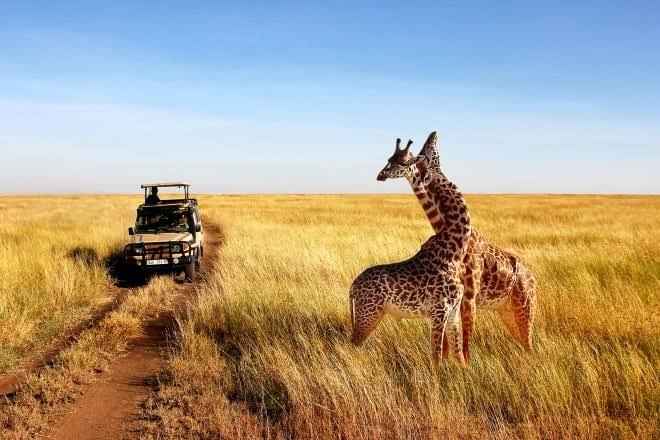
Kenya Safari from the UK: From London to Lions in One Overnight Flight
A Kenya safari from the UK is one of the easiest long-haul trips you can plan. Kenya has long-standing flight links with the United Kingdom and almost no time difference. It also has a long history with British travellers, which means well-developed tourism services and plenty of English-speaking guides. This guide covers what you need to plan a safari from the UK.
Why Kenya Suits UK Travellers
- Direct flights: Non-stop services link London with Nairobi, usually taking around eight to nine hours.
- Minimal jet lag: Kenya is two to three hours ahead of UK time, depending on the season, so you can start your safari fresh.
- English widely spoken: Easy communication with guides, camps and staff.
- Familiar plugs: Kenya uses UK-style three-pin plugs, so your adapters should work.
- Flexible trips: From a long weekend add-on to a three-week journey.
Check current flight schedules and airlines when you book, because routes change.
Entry Requirements for UK Passport Holders
- Electronic Travel Authorisation (eTA): Apply online at the official portal before you travel. Each traveller needs their own, including children and infants. Read our step-by-step guide to the Kenya visa for tourists.
- Mandatory travel health insurance: Since 6 October 2026, most foreign visitors must buy Kenya’s inbound travel health insurance as part of the eTA application. The policy covers at least US$50,000 and must come from a Kenyan-licensed insurer. The premium is about US$44, and reported tests put the total at around US$52 with fees. Your UK travel policy is unlikely to satisfy it by itself, so keep your own insurance as well. Read our guide to mandatory Kenya travel insurance.
- Passport: Valid for at least six months beyond your arrival date.
- Return or onward ticket: Carry proof with you.
- Official advice: Read the UK Foreign, Commonwealth and Development Office travel advice for Kenya before you book and again before you travel.
Health
See your GP or a travel clinic six to eight weeks before departure for advice on routine vaccinations, yellow fever, malaria prevention and typhoid. Pack insect repellent, sun protection, a basic first-aid kit and your regular medicines in your hand luggage. Check the NHS Fit for Travel or TravelHealthPro guidance for current recommendations.
Best Time to Go to Kenya from the UK
- January to February: Escape the British winter. Warm and dry, with good game viewing and the lower Mara fee.
- June: A quiet start to the dry season, with lower fees than July.
- July to October: The Great Migration in the Mara, with the highest prices.
- December: Warm and festive, but busy over Christmas and New Year.
In the Masai Mara, non-resident adults pay US$100 per day from January to June and US$200 per day from July to December in 2026. UK school holidays in July and August overlap with peak migration season, so book early.
What a Kenya Safari from the UK Costs
Safari prices are usually quoted in US dollars, so your cost in pounds depends on the exchange rate. Guides for the Masai Mara in 2026 put budget safaris at about US$250 to US$350 per person per day, mid-range at US$350 to US$600, and luxury at US$700 to US$1,500 or more. Remember to budget for your flights, the eTA, insurance and tips. See our full guide to how much a Kenyan safari costs.
Booking and Protection
Ask how your payment and booking are protected, what the cancellation terms are and what happens if you need to change dates. Travel insurance should cover cancellation, medical costs and emergency evacuation. Ask us about our terms before you pay a deposit, and keep copies of all documents.
A Sample 8-Day Kenya Safari from the UK
- Day 1: Overnight flight from London to Nairobi.
- Day 2: Arrive in Nairobi, then transfer to your hotel or fly to the Masai Mara.
- Days 3 to 5: Game drives in the Mara, with an optional balloon flight. See our guide to the Masai Mara hot air balloon safari.
- Day 6: Travel to Lake Nakuru or Naivasha.
- Day 7: Return to Nairobi, then visit the Giraffe Centre or the national museum.
- Day 8: Fly home to London.
Add the coast for a beach extension (see our guide to Diani Beach), or Amboseli for elephants. If it is your first safari, read our guide to a Kenya safari for first-time visitors.
Money, Tips and Phones
Most safari payments are in US dollars. Carry small US notes for tips. Many places in Nairobi accept cards, but remote camps often do not. Check your mobile roaming charges, and consider a local SIM card. Wi-Fi is available in many camps, but signal can be weak.
What to Pack
Layers for cold mornings, neutral clothing, closed shoes, a hat, sunglasses, binoculars, a camera and spare batteries, and a UK plug that works without an adapter. A soft duffel bag is best if you fly on small aircraft.
Responsible Travel
Choose camps that support conservation and local communities, respect wildlife distances and avoid buying wildlife products. Your safari fees help protect the parks.
Kenya Safari from the UK: Your Questions Answered
Do UK citizens need a visa for Kenya? An eTA is needed before travel, and most visitors must now also buy the mandatory health insurance as part of the application. Apply online through the official portal.
How long is the flight? Typically about eight to nine hours non-stop.
Do I need to change money? US dollars are widely used, and local currency is useful in towns.
Is Kenya safe? Safaris are well organised. Follow your guide’s advice and check official travel advice before you go.
Plan Your UK to Kenya Safari with Yulle Adventures
Tell us your dates, group size and budget, and we will build a trip to match. Call us on 254 769 841 010 for a quotation, browse our Kenya safari packages, or request a quote.