

What $2,000 Really Gets You in Kenya
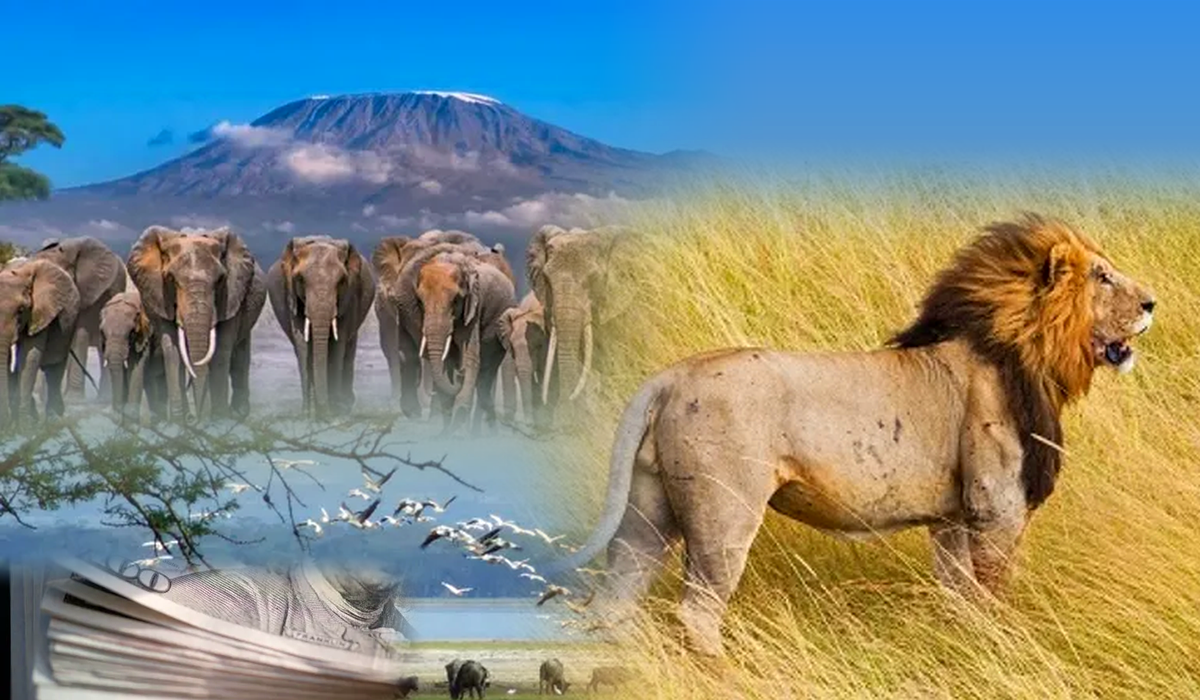
At 6 a.m. in the Maasai Mara, a lion yawns thirty metres from your vehicle, the grass glowing gold behind it. Here is the surprising part: your whole week, including park fees, a guide, and a bed at the end of every day, can cost less than $2,000. But only if you plan it carefully and travel at the right time of year.
So what does $2,000 really get you in Kenya? Let's break it down dollar by dollar.
The ground rules
- $2,000 per person, travelling as a pair so that rooms and the safari vehicle are shared
- 7 days / 6 nights
- International flights are not included
- Low season travel (April to June), which matters more than anything else in this article
- Prices are estimates from October 2026 and change often, so always confirm before you book
The budget at a glance
| Item | Cost per person (USD) |
| Park fees (Lake Nakuru 1 day, Maasai Mara 2 days) | 290 |
| Accommodation, 6 nights (budget to mid-range camps and lodges) | 450 |
| Safari vehicle, driver-guide and fuel (shared between 2) | 500 |
| Meals outside lodge packages | 30 |
| Transfers and local transport | 40 |
| Kenya eTA | 30 |
| Travel insurance | 50 |
| Tips for guide and staff | 50 |
| 10% safety buffer | 144 |
| Total | about 1,584 |
That leaves roughly $400 of breathing room, which you could spend on an extra night, a cultural village visit, or a Nairobi city day.
Where the biggest costs hide
Park fees are the real price of admission. Kenya Wildlife Service (KWS) revised its fees in 2025. Non-resident adults now pay about $90 per day at Lake Nakuru and Amboseli, and $80 at Nairobi National Park and Tsavo. The Maasai Mara is different. It is managed by the county government, not KWS, and its fee is seasonal: about $100 per day from January to June and $200 per day from July to December. The Mara ticket is also valid for only 12 hours, not 24, so plan your game drives around it.That seasonal gap is the secret of this whole budget.
The itinerary
Day 1: Nairobi. Arrive, rest, and get a feel for the city. Budget guesthouse, local dinner.
Day 2: Nairobi to Lake Nakuru. Drive through the Rift Valley and spend the afternoon in Lake Nakuru National Park, known for rhinos and, depending on the year, flamingos.
Day 3: Lake Nakuru to the Maasai Mara. A long but scenic drive, ending with your first evening game drive.
Days 4 and 5: Maasai Mara. Two full days of game drives. This is the heart of the trip, with lions, elephants, giraffes and, in the right months, plenty of plains game.
Day 6: Mara to Nairobi. A morning game drive, then the road back to the capital.
Day 7: Departure.
What you get, and what you give up
What you get:
- Two of Kenya's most famous wildlife destinations
- A private or shared 4x4 with a professional driver-guide
- Comfortable lodges or tented camps with meals
- Real value, because low-season lodge prices can be less than half of peak rates
What you give up:
- The Great Migration. The famous river crossings usually happen between July and October, which is exactly when Mara fees double and lodge prices soar.
- Luxury extras. A hot-air balloon ride usually costs several hundred dollars on its own, so it doesn't fit.
- Perfect weather. April and May are rainy months, so expect some mud, dramatic skies and fewer crowds
What happens at peak season?
I ran the same trip for July to October. Doubled Mara fees and higher lodge rates push the total to about $2,100 before any buffer. In other words, the $2,000 budget works in low season but breaks at peak. Timing is the single biggest lever you have.
Money-saving tips
- Travel in April or May. Lower park fees and lodge prices make the biggest difference.
- Share the vehicle. Splitting a driver-guide and fuel between two to four people cuts your per-person cost sharply.
- Ask for park fees as a separate line. A good quote shows fees, accommodation and transport separately, so you can compare operators fairly.
- Confirm the vehicle. Insist on a 4x4 in the rainy season, since regular minivans can get stuck in mud.
- Mix expensive and cheaper parks. Balance the Mara with a lower-priced park or a free-roaming day in Nairobi.
- Eat where the guides eat. Local restaurants are cheap, delicious and authentic.
Hidden costs to watch for
- Vehicle entry fees charged by some parks on top of personal fees
- Tips. Budget around $10 to $15 per day for your guide and lodge staff
- Fee increases. Park fees changed in 2025 and may change again
- Single supplements if you travel alone, since rooms are priced for two
- Bank and card charges on international payments
Where your money goes
Here is the part that matters for anyone who cares about sustainable tourism. Park fees are not just a tax on tourists. KWS has said the revised fees will be reinvested in park infrastructure, community conservation programmes and anti-poaching work. When you choose a locally owned camp, a Kenyan driver-guide, and community-run conservancies, more of your $2,000 stays in the places that protect the wildlife you came to see.
The bottom line
$2,000 buys a week of genuine, wild, unforgettable safari in Kenya, but it asks something of you in return: flexibility on timing, a willingness to share costs, and a bit of research. Travel in the green season, plan around the Mara's seasonal fee, and you can see the lions without breaking the bank. Contact Yulle Adventures for quatations and itineraries.