

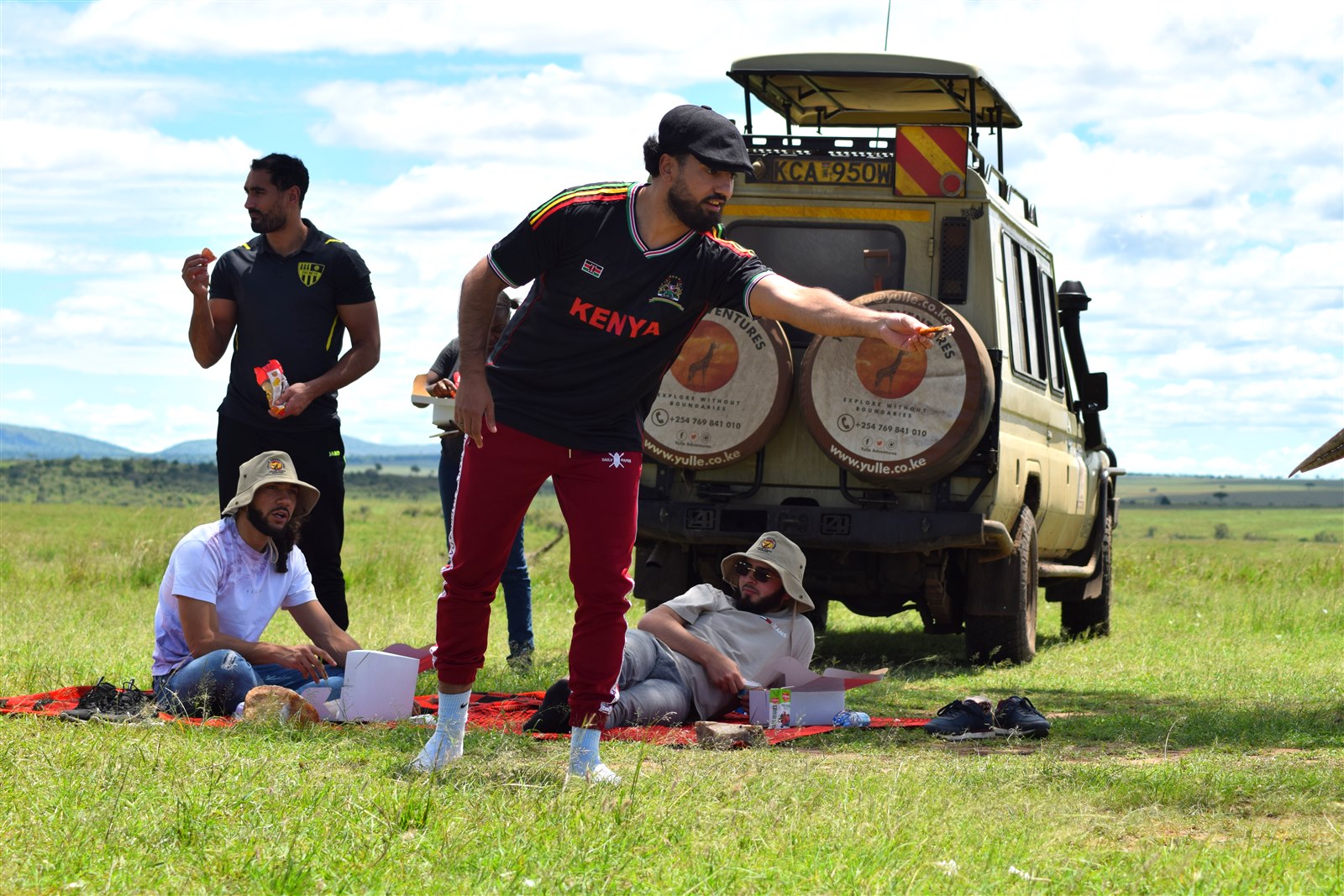
Getting to the Masai Mara is the first practical question every safari traveler has to answer, and it comes down to two real choices: fly on a light aircraft from Nairobi, or drive overland in a safari vehicle. Both get you to the same extraordinary place, but the experience of the journey itself is completely different, and the right answer depends on how much time you have, what you want to see along the way, and how you feel about small planes versus long drives on dirt roads.
This guide walks through both options for getting to the Masai Mara in detail: how each one works, what it feels like, the airstrips and routes involved, and how to decide which is right for your particular trip. By the end you should know exactly which way you want to arrive, and why.
In This Guide
- The Two Ways of Getting to the Masai Mara
- Flying: Wilson Airport to the Mara
- The Main Mara Airstrips
- Driving: The Road Safari Option
- The Great Rift Valley View
- Which Option Suits You
- Combining Both Directions
- What to Pack for Each Option
- How to Decide
- Getting to the Masai Mara for the First Time
- Seasonal Considerations
- Combining With the Rest of Kenya
- Common Mistakes When Planning
- Why Your Guide Matters
- Frequently Asked Questions
The Two Ways of Getting to the Masai Mara
There are really only two sensible ways of getting to the Masai Mara once you have landed in Nairobi. The first is a short scheduled flight on a light aircraft, hopping over the Rift Valley highlands and dropping down onto one of the reserve's own airstrips. The second is a road safari, driving in a 4x4 safari vehicle from Nairobi through Narok and into the reserve itself.
Neither way of getting to the Masai Mara is objectively better. They simply suit different travelers, different budgets of time, and different ideas of what counts as part of the adventure. Some people want to reach their lodge as quickly as possible and start spotting wildlife that same afternoon. Others see the drive itself as the first game-viewing opportunity of the whole trip.
Flying: Wilson Airport to the Mara
For most visitors, flying is the fastest and most comfortable way of getting to the Masai Mara. Scheduled flights depart from Wilson Airport, Nairobi's dedicated hub for light-aircraft and charter operations, rather than the main international airport. The flight itself takes around forty-five minutes, a remarkably short hop considering how far the Mara feels from the capital by road.
The aircraft used for these routes are small, usually carrying a dozen or so passengers, with large windows that give you an early preview of the landscape below: the patchwork of farms around Nairobi giving way to the folds of the Rift Valley, then the open grassland of the reserve itself. Several flights operate daily in each direction during the main tourist season, generally making multiple stops to drop passengers at different airstrips.
One practical point about getting to the Masai Mara by air: luggage allowances on these light aircraft are strict, usually requiring a soft-sided bag rather than a rigid suitcase, since hard luggage simply does not fit through the aircraft's small cargo hold. If you are flying, pack with this limit in mind from the start of your trip, not just for this one leg.
The Main Mara Airstrips
The Masai Mara has several airstrips scattered across the reserve and its surrounding conservancies, and which one you land at depends on where your camp or lodge is located. Airstrips such as Musiara, Keekorok and Ol Kiombo each serve a different part of the ecosystem, and your safari operator will arrange transport from the strip to your actual accommodation, usually a drive of anywhere from a few minutes to around an hour.
This detail matters when you are getting to the Masai Mara by air, because the airstrip closest to your camp is not always the one every flight lands at first. Confirm with your operator which strip you will be using, and roughly how long the road transfer from that strip to your lodge will take, so you know what to expect on arrival day.
Because light aircraft often make several stops, your specific flight time can shift as the day's schedule firms up closer to departure. This is normal, and operators build some flexibility into the day's plans around it, but it is worth keeping arrival day relatively unstructured just in case.
Driving: The Road Safari Option
The alternative way of getting to the Masai Mara is a road safari, driving directly from Nairobi in a 4x4 safari vehicle. The journey typically takes somewhere in the region of five to six hours, depending on road conditions, traffic leaving Nairobi, and how many stops you make along the way.
The route runs out of the city, climbs into the highlands, and descends through the town of Narok before turning off onto the roads that lead into the reserve itself. The final stretch, once you leave the tarmac behind, can be rough and dusty, which is part of why some travelers prefer to fly instead, particularly on a tight schedule or with young children.
For others, though, this is exactly the appeal. Driving means getting to the Masai Mara is not just a transfer, it is the opening chapter of the safari itself, with real scenery and a genuine sense of arrival rather than a short hop that could be almost anywhere.
The Great Rift Valley View
One of the strongest arguments for driving rather than flying when getting to the Masai Mara is the view of the Great Rift Valley escarpment along the way. The road descends dramatically from the highlands, and on a clear day the viewpoints along this stretch offer some of the most memorable scenery in the country, long before you have seen a single zebra.
Many operators build in a short stop at one of these viewpoints, giving you a chance to stretch your legs, take photographs, and buy a curio or two from the small stalls that are usually set up there. It is a simple pleasure, but it adds a sense of occasion to the day that flying simply cannot replicate.
Which Option Suits You
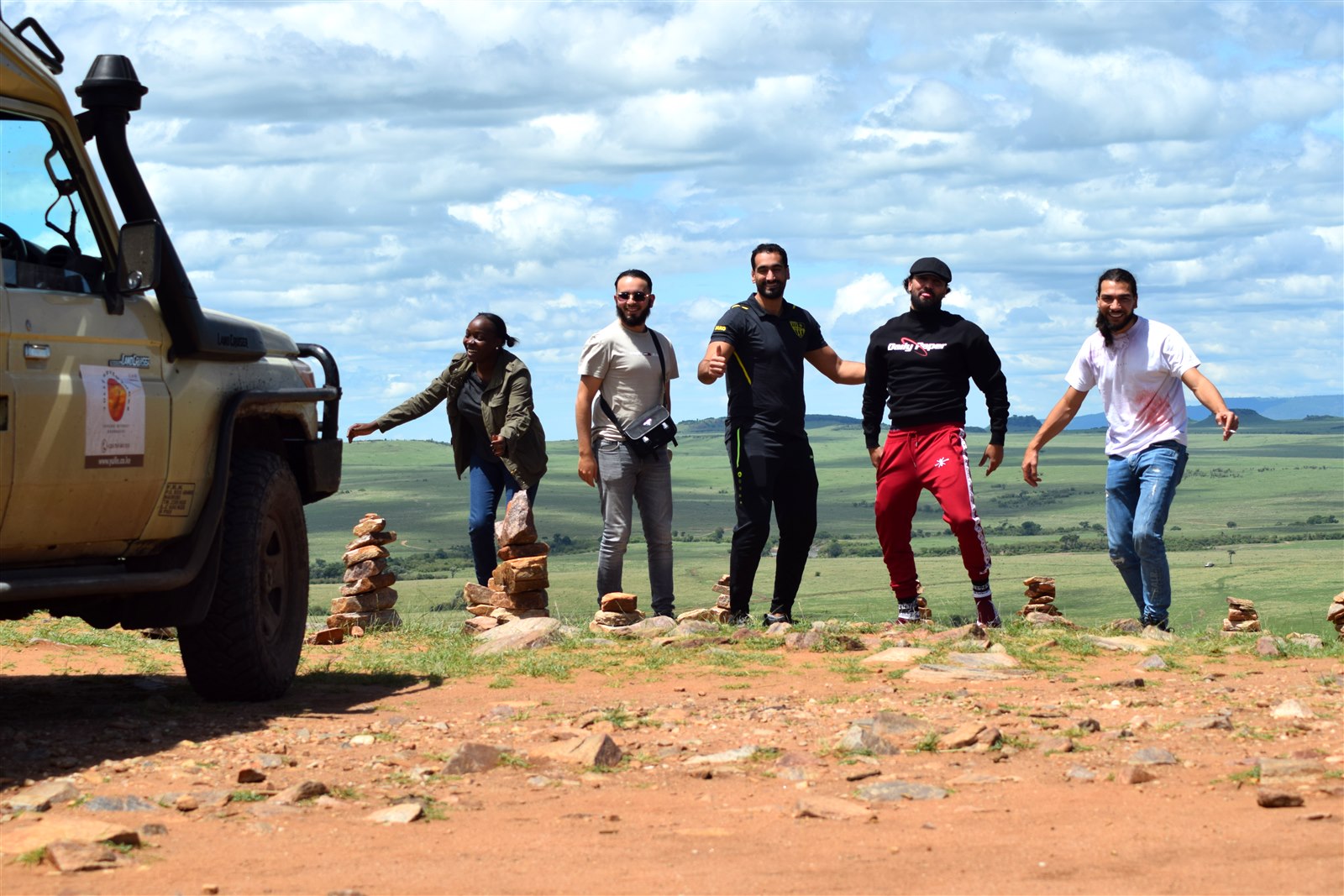
If your time in Kenya is short, or you are joining the Mara as one stop on a wider multi-destination trip, flying is usually the better choice for getting to the Masai Mara. It frees up time for game drives rather than road travel, and it suits travelers who would rather spend their limited days actually inside the reserve.
If you have more time, enjoy road travel, or are traveling with a private vehicle and guide for your whole Kenya itinerary anyway, driving can make more sense. Families who want the flexibility to stop, and photographers keen to capture the Rift Valley views, often lean toward the road option when getting to the Masai Mara.
Budget and Time Trade-Offs
Flying generally costs more than driving but saves a significant amount of time, while driving is usually included as part of a broader road-safari package and costs less in isolation, at the expense of a longer travel day. Discuss both options with your tour operator so you understand exactly what is included either way.
Combining Both Directions
A popular compromise for getting to the Masai Mara is to combine the two options: fly in one direction and drive in the other. Many travelers fly into the Mara at the start of their safari, when they are eager to start game drives as soon as possible, then take the road safari on the way back to Nairobi, using the drive as a scenic, unhurried way to decompress and reflect on the trip.
This approach also works well if your Kenya itinerary includes stops elsewhere, such as Lake Naivasha or Lake Nakuru, since the road route back from the Mara can be adjusted to pass through these destinations rather than heading straight back to the city.
What to Pack for Each Option
However you are getting to the Masai Mara, pack your camera gear, binoculars, sunglasses and any essential medication in your hand luggage rather than checked bags, in case of any delay. For flying, a soft duffel bag is essential given the luggage restrictions on light aircraft, and it is worth weighing your bag in advance so there are no surprises at Wilson Airport.
For driving, you have more flexibility with luggage, but it is still worth packing a smaller daypack with water, snacks, a light jacket and sun protection for the journey itself, since the vehicle may stop for photographs or a short bush-call break along the way.
How to Decide
When deciding how you are getting to the Masai Mara, start with how many days you have in total. On a short trip of four or five days, flying both ways usually makes the most sense, maximizing time on game drives. On a longer trip of a week or more, consider driving at least one way to enjoy the scenery without sacrificing too much safari time.
Think too about who you are traveling with. Young children or travelers with limited mobility often do better with the shorter, more predictable flight, while adventurous groups or keen photographers may actively prefer the open road and its unplanned stops.
Whichever way you choose, talk it through with your safari operator early in the planning process. They can look at your full itinerary, your budget, and your personal preferences, and recommend the combination that will work best for your specific trip to Kenya.
Getting to the Masai Mara for the First Time
If this is your first safari, getting to the Masai Mara can feel like the most uncertain part of the whole trip, simply because everything is unfamiliar. The good news is that both the flying and driving options are well established, used by thousands of travelers every year, and your operator will handle every detail of the transfer, from airport pickup to the final stretch into the reserve.
On arrival day, whichever route you choose, build in some flexibility. Flights can shift by an hour depending on other passengers' schedules, and road transfers can run long if there is a good sighting along the way that your driver wants to show you. Treat the journey itself as the first taste of the safari rather than a strict timetable to be followed to the minute.
What Happens When You Land or Arrive
If you are flying, a representative from your camp will usually meet you right at the airstrip, often with a cold drink and a warm welcome, before driving you the short distance to your accommodation. If you are driving the whole way, your guide will likely pause at the reserve gate for registration before continuing on to your camp, giving you your first real look at the landscape you will be exploring for the next few days.
Seasonal Considerations for the Journey
The time of year can affect both ways of getting to the Masai Mara. During the long rains, typically falling in parts of the year, road conditions on the final unpaved stretch can deteriorate, making the drive slower and considerably bumpier than in the dry months. Flights are far less affected by rain, which is one reason some travelers prefer flying during the wetter parts of the calendar.
During the peak dry season, when the famous river crossings draw large numbers of visitors, both airstrips and the road into the reserve can be busier than usual. Booking your flights or road transfer well ahead of a peak-season trip is wise, since seats and vehicles can fill up alongside the lodges themselves.
Combining the Mara With the Rest of Kenya
Many travelers are not visiting the Masai Mara in isolation but combining it with other parts of Kenya, such as Amboseli, Lake Nakuru or the coast. How you are getting to the Masai Mara can shape the rest of your route: flying lets you treat the Mara as a flexible add-on to almost any itinerary, while driving naturally ties the Mara into a broader road-safari circuit through the Rift Valley lakes.
If your trip includes several parks, ask your operator whether a fly-in, fly-out pattern or a longer overland circuit makes more sense overall. Sometimes the most efficient way of getting to the Masai Mara is not the fastest single leg, but the option that best connects with everywhere else you want to go.
Frequently Asked Questions
How long does it take getting to the Masai Mara by road? Typically five to six hours from Nairobi, depending on traffic and road conditions.
How long is the flight to the Masai Mara? Around forty-five minutes from Wilson Airport to most Mara airstrips.
Which airstrip will I land at? It depends on your camp or lodge; your operator will confirm which of the Mara's airstrips serves your accommodation.
Is the road to the Masai Mara paved the whole way? No, the final stretch inside and approaching the reserve is usually unpaved and can be rough.
Can I fly one way and drive the other? Yes, many travelers combine both directions, especially to enjoy the Rift Valley scenery on just one leg.
Is flying safe on these small aircraft? Scheduled light-aircraft operators serving the Mara are experienced and fly these routes daily; check current UK government travel advice for Kenya for any general updates before you travel.
Common Mistakes When Planning the Journey
One common mistake when getting to the Masai Mara is underestimating how tight luggage limits are on light aircraft. Travelers who arrive with a hard-sided suitcase packed for a long international trip are often surprised to learn it will not fit on the plane, and have to repack or leave bags behind at a storage facility in Nairobi. Pack a soft bag specifically for this leg if you are flying.
Another mistake is underestimating the road journey's length when driving, especially if you have an early afternoon arrival planned at camp for lunch or a first game drive. Build buffer time into the schedule rather than assuming the drive will take exactly the quoted number of hours, since traffic leaving Nairobi and conditions on the unpaved final stretch can both add unexpected delays.
Finally, some travelers book their flights or road transfer independently from their main safari booking, which can cause timing mismatches between arrival and when camp staff expect to collect them. Letting one operator coordinate the entire journey, from the first flight or drive to the final arrival at your lodge, removes this risk entirely when getting to the Masai Mara.
Why Your Choice of Guide Matters Either Way
Regardless of how you are getting to the Masai Mara, the quality of your guide shapes the experience from the very first mile. A skilled driver-guide on a road safari will know where to stop for the best Rift Valley views and will already be reading the landscape for wildlife signs long before you reach the reserve gate.
Even on a flight, your experience of arrival depends on the team waiting for you at the airstrip. A well-organized camp will have your onward transfer ready the moment you land, so there is no standing around in the heat wondering what happens next. This is one more reason to book through an operator who manages the full journey, not just the days once you are already inside the park.
Plan Your Safari
Whether you would rather fly in and start your Masai Mara safari within the hour, or take the scenic road safari down through the Rift Valley, we can arrange the journey that fits your trip. Read our guide on how many days you need for a safari in Kenya and Tanzania, browse our Kenya safari packages, or contact us for a tailor-made itinerary built around how you want to travel.