

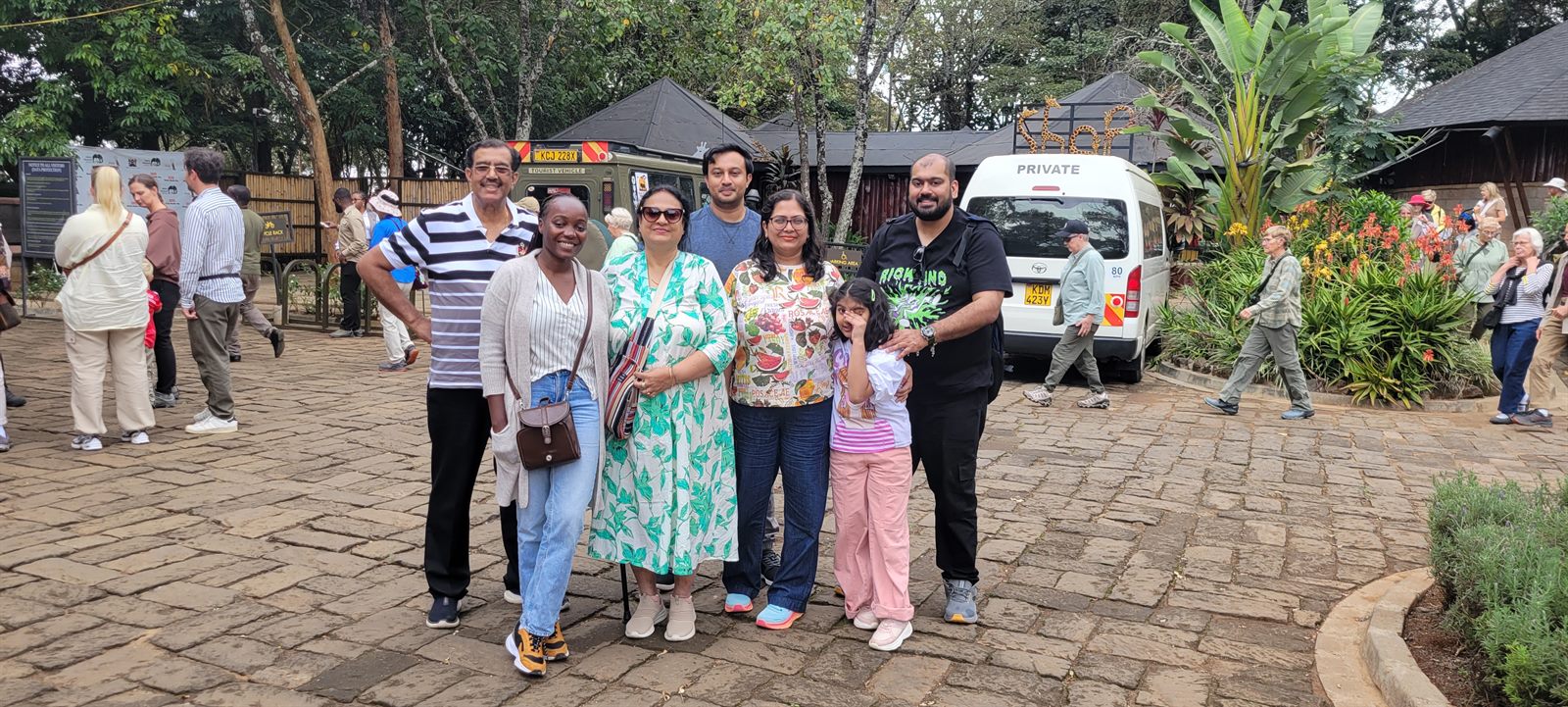
Planning a family safari in Kenya raises a different set of questions than planning a trip for a couple or a group of friends: which parks work well with kids, how long is too long in a vehicle for young children, what age restrictions do lodges actually enforce, and how do you keep everyone healthy, comfortable and genuinely engaged rather than bored on long game drives. This guide works through all of it, from choosing the right parks to practical advice for traveling with children of different ages.
Is Kenya a Good Safari Destination for Families?
Yes, and for a specific reason: Kenya's most popular parks, including Amboseli, the Masai Mara and Lake Nakuru, offer short to moderate drive times between destinations, well-established family-friendly lodges, and wildlife that's genuinely easy to spot even for young children with shorter attention spans. Unlike some other safari destinations that demand long, multi-hour transfers between parks, a Kenya family safari can be built around shorter driving days, which matters enormously when traveling with kids.
Choosing the Right Parks for a Family Safari
Not every Kenyan park suits every age group equally well. Amboseli is an excellent first stop for families: open plains mean elephants, giraffes and zebras are visible from a distance without needing a long, patient wait, which works well for children who want to see wildlife quickly rather than sit through a slow search. The Masai Mara is the classic choice for slightly older children old enough to appreciate the scale of the plains and the excitement of spotting lions, though its larger size means somewhat longer drives between sightings on a quiet day. Lake Nakuru, with its rhino population and flamingos, offers a shorter, easier day that works well as a gentler addition partway through a longer trip, giving younger children a lower-intensity day to recharge.
How Many Days on Safari With Young Children
A family safari with children under about eight years old generally works best kept to five to seven days rather than stretched to two weeks, since young children tire of long vehicle time faster than adults expect. Building in a rest day, or choosing a lodge with its own pool and grounds worth exploring outside of game drives, helps break up the itinerary and keeps the whole family, not just the kids, from feeling over-scheduled. Older children and teenagers generally handle a longer, more ambitious itinerary just as well as adults do, including multi-park routes covering a week or more.
Choosing Family-Friendly Lodges
Not every Kenya safari lodge welcomes young children, and it's worth checking a property's policy before booking rather than assuming. Some smaller luxury tented camps restrict guests under a certain age, often eight or twelve, due to safety considerations around an unfenced camp in genuine wildlife territory. Larger, more established lodges, particularly those built around a central pool and gardens, tend to be far more accommodating, often offering family rooms or interconnecting rooms, a shallower end of the pool, and sometimes a simplified children's menu alongside the standard dinner service. If a specific property or style of camp appeals to you, it's worth confirming directly whether it suits your children's ages before committing to it as part of your itinerary.
Game Drive Pacing for Families
Standard adult-paced game drives can run three to four hours at a stretch, which is a long stint for a young child confined to a vehicle. Many families find it works better to request shorter, more frequent drives rather than the standard full-length morning and afternoon session, with a break back at the lodge in between. A good driver-guide experienced with family groups will also naturally adjust pacing, building in more stops, more explanation aimed at younger guests, and generally reading the children's energy levels rather than sticking rigidly to a fixed drive length.
Health and Safety Considerations for Children
Malaria prevention is worth discussing with your own pediatrician or a travel health clinic well before departure, since recommended precautions can differ for young children compared with adults, and not every antimalarial medication is suitable for every age group. It's worth checking the U.S. Centers for Disease Control and Prevention's current travel health guidance for Kenya, which covers region-specific recommendations and is updated periodically, well ahead of booking flights so you have time to act on whatever your own doctor advises. Sun protection matters more for children than adults given Kenya's equatorial sun, so a wide-brim hat, high-SPF sunscreen and a long-sleeve layer for game drives are all worth packing regardless of season.
What to Pack for a Family Safari
Beyond the usual safari packing list of neutral-colored clothing and a warm layer for cool mornings, families traveling with children should bring a basic first aid kit with children's-formula medication, entertainment for the quieter midday hours back at the lodge, and snacks familiar to picky eaters, since not every lodge kitchen caters heavily to children's tastes. A pair of child-sized binoculars genuinely changes how engaged a young child stays on a game drive, turning a passive car ride into an active search for animals.
Cultural Experiences Kids Enjoy
Beyond game drives, a Maasai village visit is consistently one of the most memorable parts of a family safari for children, offering songs, dances and a glimpse of daily life that resonates in a way a wildlife sighting alone sometimes doesn't. The Giraffe Centre near Nairobi, where visitors can hand-feed Rothschild's giraffes from an elevated platform, is another favorite specifically for families, often built into the first or last day of a Kenya itinerary around Nairobi.
Multi-Generational Family Safaris
Kenya also works well for larger, multi-generational family trips combining grandparents, parents and children in one itinerary, since most lodges offer family or interconnecting rooms and a private vehicle safari naturally accommodates a mixed-age group at a shared, moderate pace. The main planning consideration for a multi-generational trip is choosing lodges and a pace that suit the least mobile member of the group, since a punishing itinerary built for the fittest traveler often leaves grandparents, or very young children, exhausted by the halfway point.
Toddlers, Young Children and Teenagers: Different Needs
A family safari with toddlers looks quite different from one with teenagers, and it's worth planning around your children's actual ages rather than a generic family itinerary. Toddlers and very young children generally do best with short game drives, a lodge with its own pool and grounds to explore, and a relaxed pace that doesn't demand long stretches of quiet sitting. Children roughly six to twelve are often the easiest age group to plan around: old enough to genuinely engage with spotting wildlife and asking questions, young enough to still find almost everything exciting rather than routine. Teenagers can generally handle a full adult-paced itinerary, and many enjoy an itinerary built around a specific interest, such as photography or conservation, treated as seriously as it would be for an adult traveler.
Keeping Children Engaged Between Game Drives
The hours between game drives, typically the warmer midday period when wildlife is least active, can be the hardest part of a family safari to fill well. Many family-friendly lodges address this directly with a pool, a small library of books or board games, or occasionally a junior ranger style activity run by lodge staff. Bringing your own familiar downtime activities, such as a favorite book, travel games or simple drawing supplies, gives children a reliable fallback regardless of what a specific lodge happens to offer, and helps the midday break feel like a planned part of the day rather than dead time everyone has to get through.
Combining a Family Safari With a Beach Extension
Many families extend a Kenya safari with several days on the coast, most commonly Diani Beach or Zanzibar, as a deliberate change of pace after a few days of early mornings and game drives. This structure works especially well with children, since it splits the trip into two very different but equally engaging halves: the active, wildlife-focused safari portion, followed by a slower, beach-based second half with swimming, water activities and considerably more flexibility in the daily schedule. Families who've found the safari portion more tiring than expected, which is common with very young children, often appreciate the beach extension most of all, since it gives everyone a genuine chance to properly rest before the journey home.
Frequently Asked Questions
What's the minimum age for a Kenya safari?
There's no single minimum age across the whole country, but many individual lodges, particularly smaller luxury camps, set their own minimum age, often around eight. Larger family-oriented lodges frequently accept children of any age. Check the specific property's policy for your chosen itinerary.
Is it safe to take young children on game drives?
Yes, with the usual precautions: children should remain inside the vehicle at all times during a game drive, which is standard safari practice for all ages, and a reputable guide will brief the whole family on safety expectations before the first drive.
How long should a first family safari be?
Five to seven days is a comfortable starting point for most families with younger children, covering two or three destinations without overloading the itinerary with excessive driving days.
Do lodges offer children's meals?
Many family-friendly lodges offer a simplified children's menu or can accommodate picky eaters on request, though smaller or more specialized luxury camps may have a more fixed, adult-oriented dining style, which is worth checking in advance.
What vaccinations do children need for Kenya?
Requirements and recommendations vary by age and by the rest of your itinerary, so this is best discussed directly with your child's pediatrician or a travel health clinic well ahead of departure, alongside the CDC's current guidance for Kenya.
Choosing a Private Vehicle for Family Groups
A private vehicle and guide, rather than a joined group safari shared with other travelers, is worth prioritizing for almost any family safari. It gives you full control over pacing, the ability to stop as often as a young child needs to, and a single guide who gets to know your family's interests and energy levels over several days rather than managing a fixed schedule for a mixed group of strangers. For larger extended families traveling together, a bigger vehicle or a small convoy of vehicles works better than trying to fit everyone into a single standard safari car, both for comfort and so every generation has enough space to spread out during longer drives.
Managing Expectations Around Wildlife Sightings
It's worth preparing children in advance for the reality that wildlife sightings on safari aren't guaranteed on any given drive, however reliable Kenya's parks are overall. Framing the whole experience, rather than any single sighting, as the adventure tends to help manage expectations better than promising a specific animal will definitely appear. In practice, Kenya's main circuits are generous with sightings, and most families see the classic highlights, elephants, lions, giraffes and more, well within a five to seven day itinerary, but building in that expectation beforehand avoids disappointment on a quieter individual drive.
What to Tell Children Before You Go
A short conversation before departure about what a safari actually involves, early starts, quiet voices on game drives, and staying seated in the vehicle around wildlife, helps children arrive with the right expectations rather than learning these rules for the first time on their first drive. Framing early wake-up calls as part of the adventure, since the best sightings genuinely do happen in the cool early morning light, tends to land better with children than presenting it as simply an inconvenient rule to follow. Showing children photos or a short video of the specific parks and animals you'll be visiting beforehand also builds excitement and gives them a frame of reference for what they're about to see.
Working With a Family-Experienced Operator
Not every safari operator or guide is equally comfortable adapting a standard itinerary for young children, so it's worth asking directly about family experience when planning rather than assuming every operator handles it the same way. A guide who's used to family groups will naturally build in shorter stops, simpler explanations aimed at younger guests, and a more flexible overall pace, which makes a genuine difference to how enjoyable the trip feels for parents as well as children.
Plan Your Family Safari in Kenya with Yulle Adventures
Yulle Adventures builds family-paced Kenya safaris with age-appropriate parks, family-friendly lodges and flexible game drive timing. Browse our Kenya and Tanzania safari destinations to see what's possible for your family, or read our guide to the Nairobi National Park, a convenient first or last day stop with young children. For current health guidance before you travel, see the CDC's travel health information for Kenya.
Share your children's ages, travel dates and group size through our booking enquiry form, or message us directly on WhatsApp and we'll help build a family safari that suits everyone's pace.