

Central vs North Serengeti: Where to Base
The Serengeti is not one single wildlife experience that you simply drop into and tick off. It is an enormous mosaic of river valleys, open plains, acacia woodland and granite outcrops, and where you choose to sleep each night shapes what you see each day. For many travellers planning a Tanzania trip, the decision eventually comes down to a straightforward but important question: Central vs North Serengeti, and which one suits the dates and style of safari you have in mind. Both regions sit inside the same national park, yet they behave almost like two different parks depending on the time of year.
This guide walks through what makes each area distinct, how access and camp choices differ, and how many travellers end up combining both in a single well-paced itinerary. By the end, you should have a clear sense of whether Seronera, Kogatende, or a mix of the two fits your travel window and the kind of safari you want to have. We will also cover what the landscape, the resident wildlife and the seasonal herds actually look like on the ground in each area, so the Central vs North Serengeti decision feels grounded in real detail rather than guesswork.
In This Guide
- Central vs North Serengeti: The Quick Answer
- Central Serengeti and the Seronera Advantage
- North Serengeti and the Mara River Crossings
- Access, Distance and Camp Choices
- Combining Both Areas in One Itinerary
- How to Decide Based on Your Travel Dates
- Frequently Asked Questions
Central vs North Serengeti: The Quick Answer
If you only remember one rule from this entire guide, make it this one. Central Serengeti, centred on the Seronera Valley, is a dependable year-round wildlife base with resident predators and easy internal road access. North Serengeti, around Kogatende and the Mara River, is a specialist destination that becomes extraordinary for a few concentrated months each year when the migration herds arrive to cross the river, and considerably quieter the rest of the time.
Put simply, the Central vs North Serengeti decision is really a decision about timing and priorities. Travellers who want consistent game viewing on any date of the year, with shorter transfer times and a wide spread of lodging styles, tend to favour the centre. Travellers chasing the drama of river crossings, who are willing to travel further and pay more for a remote camp, lean north. Neither answer is universally correct, which is exactly why the Central vs North Serengeti comparison matters before you lock in dates.
Central Serengeti and the Seronera Advantage
Seronera sits at the geographic heart of the Serengeti, where rivers, woodland and open grassland all meet. That mix of habitats is precisely why it supports such a dense and resident population of wildlife. Unlike the migration herds, which move with the rains, the predators and resident grazers of Seronera do not need to travel far to find water or prey, so they stay put. This is one of the most consistent places in all of East Africa to find lions lounging on termite mounds or leopards draped across the low branches of sausage trees along the river courses.
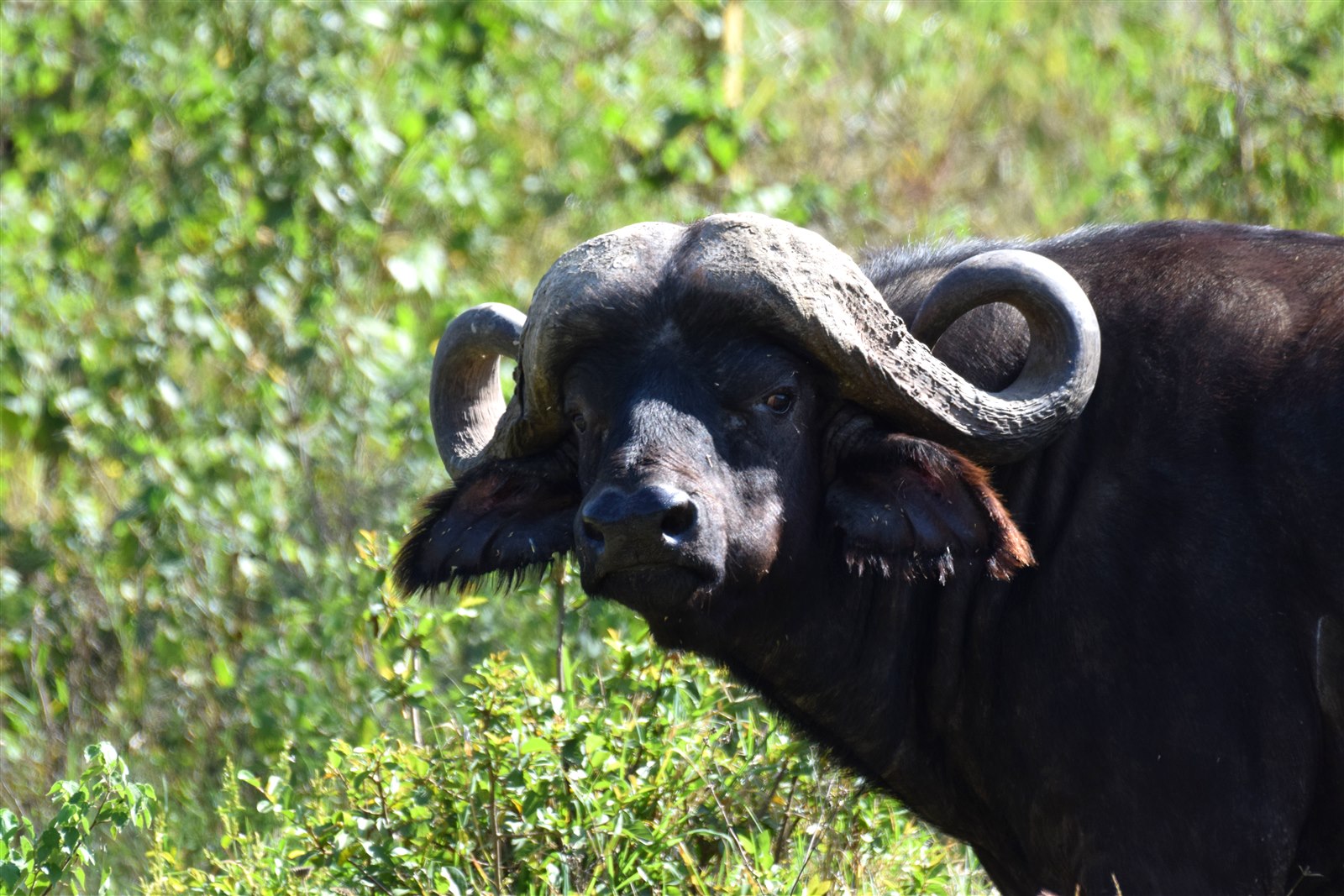
Because the valley holds permanent water in the Seronera and Orangi Rivers, plains game such as buffalo, giraffe, topi and resident zebra are present throughout the year, which in turn keeps the resident lion prides well fed and visible. Cheetah also favour the more open grassland sections to the south and east of the valley, where sightlines are long and prey is easy to spot from a vehicle. For a deeper look at what the park as a whole offers across its different regions, our Serengeti National Park ultimate guide is a useful companion to this Central vs North Serengeti comparison.
Road access is another major point in Central Serengeti favour. The network of tracks around Seronera is well established, well maintained relative to the rest of the park, and connects directly to the main airstrip used by scheduled flights. That means shorter drive times between your camp and the places you want to be at dawn, which translates into more time actually watching wildlife and less time bouncing along dusty roads. It also means Central Serengeti works well even for shorter safaris of three or four nights, since you lose very little time to transfers, a point firmly in the centre's favor in the Central vs North Serengeti access comparison.
Accommodation in the central zone spans a wide range, from simple tented camps to larger lodges with swimming pools and multiple dining areas, and the sheer density of camps here means healthy competition in terms of facilities and guiding standards. If you want to explore the range of styles available across the wider ecosystem, our guide to Serengeti accommodation breaks down what to expect at different levels of camp.
Birdlife is another quiet strength of the central zone. The riverine woodland along the Seronera and Orangi draws kingfishers, herons, raptors and a long list of resident species that are easy to spot from a stationary vehicle while waiting out a midday lull in big cat activity. Hyena clans den in the open country nearby, and serval are occasionally spotted hunting rodents in the taller grass at dusk, adding further depth to a region that is already known first and foremost for its lions and leopards, and another reason the centre wins many Central vs North Serengeti comparisons for first-time visitors.
North Serengeti and the Mara River Crossings
The North Serengeti, anchored around Kogatende, is a different kind of safari altogether. For most of the year this region is quiet, with lower vehicle density and a wilder, more rugged feel than the centre of the park. The landscape is defined by rolling hills, riverine forest along the Mara River, and kopjes that give sweeping views over the valley. It is beautiful at any time, but it earns its reputation for one specific reason: the Mara River crossings.
Roughly between July and October, the migration herds push north out of the central and western Serengeti in search of fresh grazing, and in doing so they must cross the Mara River to reach the grasslands on the far bank, then often cross back again later in the season. These crossings are chaotic, tense and genuinely unpredictable, with wildebeest bunching at the water's edge for hours before a crossing begins, and with crocodiles waiting in the current. Nothing else in East African safari travel quite matches the intensity of watching a crossing unfold from the riverbank, and it is the single biggest factor tilting the Central vs North Serengeti decision northward.
Outside that window, however, North Serengeti sightings are far less reliable, because the herds and the predators that follow them have typically moved elsewhere. This is the central trade-off at the heart of the Central vs North Serengeti decision for anyone planning around a fixed travel date rather than building an entire trip around the migration calendar. If your dates fall outside the July to October period, North Serengeti game viewing can still be good, but it will rarely match what a well-timed visit during crossing season delivers.
Many guests pair their time here with an aerial view of the landscape, and our article on the Serengeti hot air balloon safari explains how a sunrise flight over the herds adds a completely different perspective to a northern itinerary, whether you are based near the river or further south, whichever side of the Central vs North Serengeti split you choose.
The terrain itself adds to the drama. Granite kopjes rise out of the grassland around the Mara River, giving guides excellent vantage points to scout for herds approaching the water from a distance, while dense riverine forest hides resident leopard and large troops of baboon. Away from the river itself, the rolling plains support good numbers of elephant and giraffe year round, so even on a day without a crossing there is usually something to watch, just at a lower density than during the peak weeks of the migration's passage through the region.
Access, Distance and Camp Choices
Reaching North Serengeti takes more effort than reaching the centre of the park. The Kogatende area is served by its own airstrip, which cuts out a long road transfer, but flight schedules there tend to be less frequent and can involve connecting through other strips first. Driving in from Seronera or from the park's main entrance gates is a long haul over rougher tracks, often taking the better part of a day, so most itineraries fly directly rather than drive the full distance.
That remoteness is part of the appeal for travellers who want a quieter safari, but it does shape the practical planning around a trip. Fewer roads mean fewer vehicles converging on a sighting, which keeps the northern river crossings feeling comparatively uncrowded even during peak season, especially away from the handful of best-known crossing points.
Camp numbers also differ sharply between the two regions. Central Serengeti has a large and varied spread of properties built up over decades, while the north has a smaller number of camps, many of them seasonal, set up and taken down around the migration's annual movement through the area. Fewer available beds combined with high demand during crossing season generally pushes rates upward in the north relative to the centre, purely as a function of limited supply meeting concentrated demand in those months, without needing to point to any specific figures to make that trade-off clear. Budget is simply another dimension of the Central vs North Serengeti choice.
This also means booking windows matter more for the north. Properties built around the crossing season fill up well in advance of July through October, so travellers set on that experience need to plan earlier than they might for a more flexible central Serengeti stay, where availability tends to be easier to find even closer to departure. Booking lead time is one more practical thread running through the Central vs North Serengeti decision.
Guiding quality is generally strong across both regions, since most operators rotate experienced guides through the wider park rather than confining them to one zone. That said, guides based long term in the north tend to build an especially sharp read on river conditions and herd behaviour near the crossing points, timing their approach to the water based on subtle cues like dust clouds or lead animals pacing the bank, which can make a meaningful difference to whether you witness a crossing during your stay rather than simply waiting nearby.
Combining Both Areas in One Itinerary
Rather than treating this as an either-or decision, a large share of returning safari travellers choose to combine both regions within a single longer trip, particularly when visiting during the July to October window. A typical pattern spends the first portion of the safari in Central Serengeti, enjoying the reliable predator sightings and easy logistics around Seronera, before flying north to be closer to the river for the final nights.
This structure spreads risk sensibly. River crossings cannot be scheduled or guaranteed on any single day, so time in the north should be seen as a window of opportunity rather than a fixed event, and having strong game viewing already banked in the centre means the trip does not hinge entirely on a crossing happening during your visit. If the crossing does happen while you are there, it becomes a genuine highlight rather than the only thing the itinerary was staked on.
For travellers with seven nights or more in the Serengeti ecosystem, splitting time between the two areas is usually the better approach over a single long stay in one camp. Shorter trips of three to four nights are generally better served by picking one base and committing to it fully, since the drive or flight time needed to shift between regions eats meaningfully into a short stay. Trip length is often the deciding factor in the whole Central vs North Serengeti question. Our month-by-month breakdown of the best time to visit the Serengeti is worth reading alongside this guide if you are mapping out exactly when the herds are likely to be in each part of the park.
The internal flight network that links Seronera and Kogatende makes combining the two areas far simpler than it was in years past. A short scheduled hop between the two airstrips typically takes well under an hour, which means a two-centre itinerary does not have to sacrifice much time to logistics once you are already in the park. Many travellers fly into Seronera first, spend several nights exploring the central valley at a relaxed pace, then take a short onward flight north rather than retracing the long road route, arriving at their river-side camp with most of the day still ahead of them.
How to Decide Based on Your Travel Dates
If your travel dates fall between July and October and watching a Mara River crossing is a priority, North Serengeti deserves a strong place in your itinerary, ideally paired with time in the centre if your trip length allows it. Outside that window, from November through June, the migration herds are generally elsewhere in the ecosystem, which shifts the balance firmly back toward Central Serengeti as the more productive and more flexible base for the bulk of your stay.
Trip length is the second major factor in the Central vs North Serengeti choice. Short safaris of three or four nights benefit from minimising internal transfers, so picking the single best base for your specific dates, rather than splitting time, usually produces a more relaxed and rewarding experience. Longer safaris of a week or more have the flexibility to include both, letting you enjoy the dependable wildlife density of Seronera alongside a dedicated stretch near the river during crossing season.
Budget flexibility also plays a role, since northern camps during peak crossing months tend to carry a premium driven by limited availability, while central camps offer a broader spread of options at different comfort levels throughout the year. Finally, consider your appetite for remoteness and quieter landscapes versus convenience and tightly packed wildlife encounters, because that personal preference often matters just as much as the calendar when resolving the Central vs North Serengeti question for your own trip.
It is also worth checking official guidance from Tanzania's park authority when finalising dates and entry logistics, since conditions on the ground such as road access and seasonal closures can shift from year to year, which matters for any Central vs North Serengeti plan. The Tanzania National Parks Authority publishes updates that are a useful cross-reference alongside advice from your safari operator.
Frequently Asked Questions
Is Central Serengeti or North Serengeti better for a first safari? Central Serengeti is generally the easier and more reliable choice for a first visit, thanks to its resident wildlife, straightforward access and wide range of camps, especially for shorter trips, which is why it tends to win the Central vs North Serengeti question for a first safari.
Can I see the Mara River crossing from Central Serengeti camps? No, the crossings happen specifically along the Mara River in the north, so you need to be based in or travelling into the Kogatende area during the relevant months to witness one.
How many nights should I spend in each area if I combine them? A common pattern for a seven to eight night safari is three to four nights in Central Serengeti followed by three to four nights in the north, adjusted depending on your flight connections and overall trip length.
Is North Serengeti worth visiting outside crossing season? It can still offer a scenic and quieter safari experience, but without the herds present, wildlife density is typically lower than in Central Serengeti, so most travellers prioritise it specifically for the July to October window.
Do I need extra flights to reach North Serengeti? Most itineraries use a scheduled flight to the Kogatende area rather than a long road transfer, since driving between the central and northern sections of the park takes considerably longer than flying, another practical detail in the Central vs North Serengeti logistics picture.
Ultimately, the Central vs North Serengeti question is less about one region being superior and more about matching the landscape to your calendar and the kind of safari moments you most want to witness. Seronera rewards you on any date with dependable, resident wildlife and painless logistics, while Kogatende rewards patience and good timing with one of the most dramatic wildlife spectacles on the continent. Many of the best Serengeti trips, when time allows, simply give you both.
Whichever base or combination you choose, working with an operator who knows the current state of the roads, the airstrips and the migration's position will help you get the most out of whichever window you have, so it is always worth asking detailed questions about recent sightings before you finalise your Central vs North Serengeti route.