

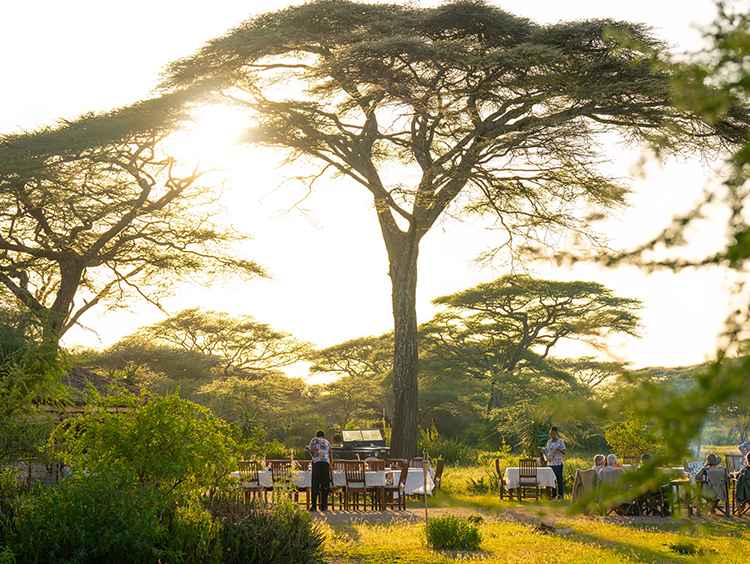
Best Time to Visit Ndutu: Choosing the Right Weeks on the Short-Grass Plains
The best time to visit Ndutu is a matter of weeks, not months, and it is the reason this corner of Tanzania is worth planning around. Ndutu is a place most people meet by accident. It sits in the far south of the Serengeti ecosystem, half inside the national park and half inside the Ngorongoro Conservation Area, a shallow bowl of short-grass plains around two soda lakes. For most of the year it is quiet enough to feel forgotten.
Then, for a few weeks, it becomes arguably the most dramatic wildlife theatre in Africa.
The reason is the grass. Volcanic ash from Ngorongoro and Kilimanjaro has left the soil here thin, mineral-rich and perfect for the short sweet grasses that wildebeest need when they are feeding calves. The herds know it, and so do the predators.
Ndutu by the Month at a Glance
- December to March: Calving season, with the herds on the plains and predators at their most active. Highest prices.
- April and May: Long rains. The herds leave, camps close and the tracks turn to mud.
- June to October: Quiet dry months. Resident game only, with the lowest prices.
- November: Short rains and the first herds returning. A shrewd window before the peak.
Best Time to Visit Ndutu for Calving: December to March
This is why most visitors come. From around December the migration herds drift south out of the central Serengeti onto the Ndutu plains, and by late January the bowl is carpeted with wildebeest from one horizon to the other.
The peak arrives in February. Somewhere around 400,000 calves are born in roughly three weeks, often several thousand in a single morning. A newborn wildebeest is usually standing within minutes and running within the hour, which it needs to be.
Predators gather accordingly. Lion prides grow fat, cheetahs hunt in daylight on open ground where you can actually watch the chase unfold, and hyenas work the edges of every herd. Ndutu is generally considered one of the best places in Africa for predator photography, partly because the grass is short enough to see everything.
The Ngorongoro side of Ndutu also permits off-road driving, which the national park does not. That single rule makes a considerable difference when a cheetah starts moving.
April and May: The Long Rains
The herds leave as the rains arrive, pushing north-west toward the western corridor. Ndutu empties.
Tracks turn to black cotton mud that swallows vehicles, and most of the seasonal camps pack up entirely for the season. Resident game stays, the birdlife is excellent and the plains turn an improbable green, but access becomes genuinely difficult. For most travellers this window is best avoided, unless you have been before and want the place to yourself.
June to October: The Quiet Dry Months
The migration is far away in the northern Serengeti and the Mara by now, so Ndutu holds no great herds. What it holds instead is space.
Resident lions, cheetahs, giraffes, zebras and gazelles remain, and the acacia woodland around Lake Ndutu is reliable for leopard. Dust hangs in the afternoon light, the days are warm and the nights can be surprisingly cold.
Camps that stay open usually price this period well below the calving months. If your trip is really about the Serengeti as a whole and Ndutu is one stop among several, these months work perfectly well. See our guide to the best time to visit the Serengeti to decide where to be in each season.
November: The Herds Return
The short rains fall in November, lighter and less disruptive than April’s, and the first columns of wildebeest begin pushing back south onto the plains.
Nothing is guaranteed, since the herds follow the rain rather than a schedule, but late November often brings the first big arrivals. Rates have not yet climbed to peak and the camps are reopening. For travellers who want the atmosphere without the February crowd, this can be a shrewd window.
Practical Notes for Visiting Ndutu
- Camps: Most Ndutu camps are seasonal, pitched roughly from December to March and taken down afterwards. Permanent options are few, so February bookings are often made a year ahead. Read our guide to camps and lodges in Ndutu to compare them.
- Fees: Park fees sit outside almost every rate. The Ngorongoro Conservation Area and the Serengeti each charge non-residents somewhere around US$70 to US$80 per adult per day, and because Ndutu straddles the boundary your itinerary may cross between them. Confirm which fees apply before you commit, using the Tanzania National Parks Authority and the Ngorongoro Conservation Area Authority websites.
- Getting there: The simplest route is by light aircraft to Ndutu or Kusini airstrip from Arusha or Kilimanjaro, which takes roughly an hour. By road it is a long day from Arusha through Ngorongoro, usually six to seven hours.
So When Is the Best Time to Visit Ndutu?
- Calving and predator action are the whole point: Aim for late January to late February, and book early.
- You want the plains quiet and the budget lighter: June to October serves you well.
- You want the atmosphere without the February crowd: November is the gamble worth taking.
Plan Your Ndutu Trip with Yulle Adventures
Contact Yulle Adventures for a tailored quotation and we will build your Ndutu days around the season you can actually travel in. Call us on 254 769 841 010, browse our Tanzania safari packages or request a quote. For the bigger picture, read our Serengeti National Park guide, or see how the herds move on in our guide to the best time to visit Masai Mara.