

Best Time to Visit Kenya
By Yulle Adventure
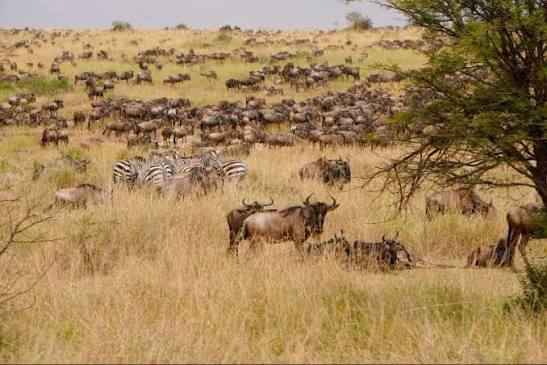
Kenya is a year-round destination, but timing changes what you will see and what you will pay. For most travelers, the best time is July to October for the Great Migration in the Masai Mara, and January to February for warm, dry weather with fewer visitors. April and May are the wettest and cheapest months.
Kenya's seasons in brief
Because Kenya sits on the equator, its seasons follow rain rather than temperature. The long rains fall from roughly March to May, and the short rains from about November to December. The two dry periods are June to October and January to February. Altitude matters too: Nairobi and the highlands are cooler, and the coast is hot and humid.
Month-by-month guide
| MonthWeatherSafari notes | ||
| January | Warm and dry | Good game viewing, lower Mara fee, fewer crowds |
| February | Warm and dry | Excellent for the Mara and Amboseli, good value |
| March | Rains begin | Green landscapes, lower rates |
| April | Long rains | Wettest month, lowest prices, some camps close |
| May | Long rains | Quiet parks, still lower rates |
| June | Dry season starts | Good value before peak season and the higher Mara fee |
| July | Dry | Migration arrives in the Mara, higher fees begin |
| August | Dry, peak | River crossings, high demand |
| September | Dry, peak | Crossings continue, best viewing |
| October | Dry | Migration still in the Mara, fewer crowds late in the month |
| November | Short rains | Green, quiet, migration moving south |
| December | Short rains | Holiday season, warm weather, higher rates |
Best time by destination
| DestinationBest monthsWhy | ||
| Masai Mara | July to October | Migration and river crossings. See our Masai Mara guide |
| Amboseli | June to October, January to February | Dry season concentrates elephants, clear Kilimanjaro views |
| Tsavo | June to October | Dry season brings animals to the waterholes |
| Samburu | June to October | Dry-country species gather along the Ewaso Nyiro river |
| Lake Nakuru | Year-round | Birds and rhino viewing in all seasons |
| Kenyan coast (Diani, Watamu) | December to March, July to October | Drier and calmer seas |
Park fees and the calendar
In the Masai Mara, non-resident adult entry is US$100 per day from January to June and US$200 per day from July to December in 2026. That makes January to June notably cheaper for park fees, and lodges often discount rates in the green months too. See our guide to Kenya safari cost.
Choosing by priority
- Migration and river crossings: August to September.
- Calm game drives and value: January, February and June.
- Fewer crowds: March to May and November.
- Photography: dry months for open views, wet months for dramatic skies.
- Families and school holidays: July to August and December are busy, so book early.
- Beach add-on: December to March and July to October.
What to pack
Bring layers for cold mornings, sun protection and neutral clothing. In the rainy season add a waterproof jacket and quick-dry clothes. For the coast, bring light clothing and swimwear.
Before you go
Kenya now requires an Electronic Travel Authorization before arrival, and mandatory travel health insurance rules are being introduced. See our articles on the eTA application and the health insurance requirement.
Frequently asked questions
When is the cheapest time to visit Kenya? April and May usually offer the lowest rates, and January to June has the lower Mara park fee.
Is the rainy season a bad time for safari? Not necessarily. Wildlife is still visible, and you will share it with far fewer people.
When should I book for August? As early as possible, ideally six to twelve months ahead.
Plan your Kenya trip with Yulle Adventure
Tell us when you want to travel and we will recommend the best parks and camps for that month. Browse or contact us for a quotation.