

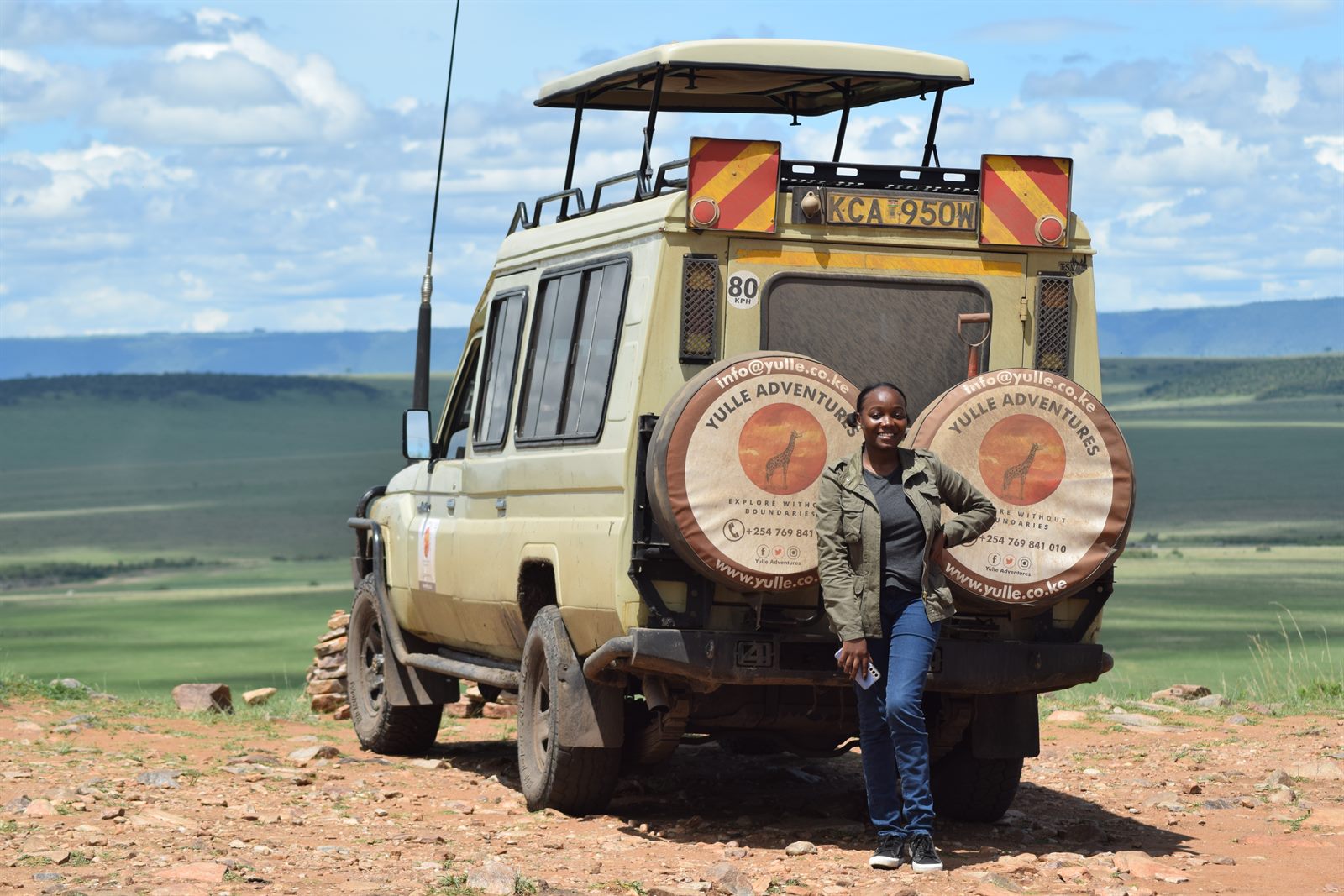
A 7 day Kenya safari itinerary is the length most Indian travellers end up choosing, and for good reason: it is long enough to cover four or five distinct destinations without feeling rushed, yet short enough to fit inside a reasonable annual leave allowance once you account for two overnight flights. This guide walks through exactly what a week in Kenya looks like day by day, what it costs at different tiers, and the practical details, from visas to vegetarian food, that matter specifically to travellers flying out of Mumbai, Delhi or Bengaluru.
Why 7 Days Works Well from India
Kenya sits only two and a half hours behind Indian Standard Time, which means there is almost no jet lag to recover from, unlike a long-haul trip to the Americas or even parts of Europe. Kenya Airways flies directly between Nairobi and Mumbai, while travellers from Delhi or Bengaluru typically connect through a Gulf hub such as Dubai, Doha or Abu Dhabi. Either way, you land in Nairobi fresh enough to start your safari the same day, which is exactly why a 7 day Kenya safari itinerary can deliver a genuinely complete first impression of the country rather than a rushed highlights reel. For a closer look at routing options and flight times from each major Indian city, see our guide to flights from India to Kenya.
Before You Fly: Visa and Entry Basics
Every Indian traveller needs Kenya's electronic Travel Authorisation (eTA) before departure, along with proof of mandatory travel health insurance that Kenya has required of all arriving visitors since October 2026. Both are online applications you complete well ahead of your trip, not something arranged at the airport. Our dedicated guide to the Kenya eTA for Indian citizens walks through the application step by step, including the documents you will need and realistic processing times, so it is worth starting that process as soon as your travel dates are confirmed.
A Sample 7 Day Kenya Safari Itinerary
There is more than one way to structure a week in Kenya, but the route below is one of the most popular among Yulle's Indian guests because it balances driving time against variety, and ends, rather than starts, in the Masai Mara, which keeps the single best wildlife destination fresh in your memory on the flight home.
Day 1: Arrival in Nairobi and Transfer to Amboseli
Your driver-guide meets you at Jomo Kenyatta International Airport and drives you south towards Amboseli National Park, through dry acacia country and Maasai grazing land. On a clear afternoon, Mount Kilimanjaro's snow-capped summit appears on the horizon long before you reach the park gate. You check in, have lunch, and head out for your first game drive before dinner.
Day 2: A Full Day of Game Drives in Amboseli
Amboseli is famous for two things: enormous elephant herds and uninterrupted views of Kilimanjaro, usually clearest in the early morning before cloud builds up around the peak. A full day here means morning and afternoon game drives through the swamps of Enkongo Narok, where elephants, buffalo and hippos gather, with lions, cheetahs and giraffes often visible on the open plains in between.
Day 3: Amboseli to Lake Naivasha
You travel north through Nairobi and down into the Great Rift Valley to Lake Naivasha, a freshwater lake ringed by acacia woodland. A boat ride here is a highlight in its own right, bringing you close to pods of hippos, fish eagles and giant kingfishers, and most itineraries pair it with a walking safari on Crescent Island, one of the few places in Kenya where you can walk freely among giraffe, zebra and waterbuck with no predators present.
Day 4: Lake Naivasha to Lake Nakuru
A short drive brings you to Lake Nakuru National Park, a compact reserve built almost entirely around its lake, known for black and white rhino, flocks of pink flamingos when water levels suit them, and a good chance of leopard sightings in the surrounding yellow-bark fever tree forest. Because the park is small, you can cover most of it in a single afternoon game drive after arrival.
Day 5: Lake Nakuru to the Masai Mara
The drive into the Masai Mara takes you through the Rift Valley escarpment and rolling tea country before the landscape opens into the Mara's famous open grassland. You arrive in time for an afternoon game drive, your first taste of what is consistently Kenya's most productive big-cat and predator viewing.
Day 6: A Full Day in the Masai Mara
This is the day a 7 day Kenya safari itinerary is built around. Morning and afternoon game drives cover different sections of the reserve, giving you the best chance of lion, cheetah, leopard and, depending on the month, the wildebeest migration itself. Many guests also add a Maasai village visit on this day, a chance to see traditional homesteads and the jumping dance up close. If the Mara is the one destination you are most looking forward to, our longer-running guide to the Masai Mara safari experience goes into more detail on what makes this particular reserve special.
Day 7: Masai Mara to Nairobi and Departure
A final early game drive before breakfast, then the drive back to Nairobi for your onward or return flight. Depending on your flight time, some itineraries swap the road transfer for a short scheduled flight from the Mara's airstrips straight to Nairobi, which saves roughly four hours of driving on your last day.
Road Transfers vs Internal Flights
Most 7 day Kenya safari itineraries, including the one above, move between parks by road in a private 4x4 with a pop-up roof, which keeps the trip more affordable and gives you game-viewing opportunities during the drives themselves, since wildlife often appears right alongside the highway in areas like Amboseli and the Rift Valley. The longest single drive on this route, from Lake Nakuru to the Masai Mara, typically takes around four to five hours depending on road conditions. Travellers who would rather minimise driving time can swap one or more road legs for a short scheduled flight on a light aircraft, most commonly between the Masai Mara and Nairobi, which cuts that final transfer from roughly five hours to under an hour, at an additional cost and with a stricter baggage weight limit than international flights allow.
What to Pack for a 7 Day Kenya Safari
Pack light, neutral-coloured clothing (khaki, olive and brown work better than bright colours or pure white, which show dust quickly and can be conspicuous to wildlife), with layers for cool early mornings that warm up quickly once the sun is up. A soft-sided duffel bag rather than a hard-shell suitcase is strongly recommended, since it packs more easily into a safari vehicle and is essential if any leg of your trip uses a light aircraft transfer with a strict weight and bag-shape limit. Binoculars, a camera with a zoom lens, a reliable power bank, and a basic first-aid kit with any personal medication are the other essentials most guides recommend, along with a wide-brimmed hat and reef-safe sunscreen, since the East African sun is strong even on overcast days.
What a 7 Day Kenya Safari Costs
Rather than quoting a single number that may not match the itinerary you actually want, it helps to see a real published range. Yulle's own 7 Day Kenya Safari: Amboseli to Masai Mara is priced per person sharing from roughly 1,800 USD at six guests in low season up to around 3,200 USD for two guests travelling in peak season, with a similar route, the 7 Day Amboseli, Hell's Gate and Masai Mara Safari, spanning a broadly comparable 2,000 to 3,500 USD range. Group size and season are the two biggest levers: travelling with four or six people sharing vehicles brings the per-person cost down substantially compared to two people travelling alone, and low season (typically April to June) is consistently the most affordable window. For a full breakdown of everything that feeds into the final number, including flights, park fees and the difference between budget, mid-range and luxury tiers, see our guide to Kenya safari cost from India.
Choosing Your Comfort Tier
A 7 day Kenya safari itinerary can be built at very different comfort levels using exactly the same route. Budget and mid-range trips typically use lodges like the ones on this itinerary, comfortable rooms with full board and reliable hot water, while luxury versions swap in smaller tented camps with higher staff ratios and more remote locations. Most Indian families and first-time visitors land comfortably in the mid-range tier, which is also where group departures bring the best per-person value.
Food on a 7 Day Kenya Safari
One question that comes up constantly from Indian travellers is what there will be to eat for a full week. The honest answer is that Kenyan lodges and camps catering to international travellers are now very used to vegetarian and Jain requests, and most kitchens will happily prepare dedicated meals with advance notice given at booking. Our detailed guide to vegetarian and Jain food on a Kenya safari covers exactly what to expect and how to communicate dietary requirements to your operator before you travel.
Best Time to Take This Itinerary
This particular route works well almost any time of year since it is not built around chasing the wildebeest migration specifically, but July to October brings the added bonus of migration herds potentially visible in the Masai Mara section, alongside Kenya's driest, most reliable game-viewing weather. For a full month-by-month breakdown tailored to Indian travel patterns and holiday calendars, see our guide to the best time to visit Kenya from India.
Is 7 Days Long Enough?
For most first-time visitors, yes. A week covers four genuinely different ecosystems, Kilimanjaro's elephant country, the Rift Valley lakes, and the Mara's predator-rich grassland, without the fatigue that comes from packing in more destinations than the driving days comfortably allow. Travellers short on time sometimes compress this into a 5 or 6 day version by dropping one of the Rift Valley lake stops, while those with a little more time add two or three nights on the Kenyan coast or in Zanzibar at the end for a beach finish, since Nairobi connects easily to both.
Photography on a 7 Day Kenya Safari
Each stop on this route rewards a slightly different approach. Amboseli's wide, flat plains with Kilimanjaro as a backdrop favour wider-angle shots that place elephants against the mountain, usually best attempted at first light before clouds build around the peak. Lake Naivasha and Lake Nakuru are better suited to a longer lens for birdlife, fish eagles, flamingos and pelicans in particular reward patience and a fast shutter speed. The Masai Mara is where a telephoto zoom in the 200 to 400mm range earns its place in your bag, for predators at a safe, respectful distance. Shooting from inside the vehicle through an open roof hatch, rather than stepping out, is both the safety rule and, in practice, usually the better angle, since it keeps you at a stable, low vibration platform.
Group Travel and Family Considerations
This itinerary works well for multi-generational Indian family groups, since the pace is comfortable rather than punishing, with no single day requiring more than about five hours of driving. Grandparents and young children alike generally manage it well, and lodges on this route are accustomed to preparing simpler meals for children and elderly travellers on request. Families travelling with four or more people also benefit from better per-person vehicle pricing, since the fixed cost of the vehicle, fuel and guide splits further, which is covered in more detail in the pricing section above.
7 Day Kenya Safari Itinerary from India: Quick FAQ
How long is the flight from India to Kenya? Kenya Airways flies direct from Mumbai in roughly 5.5 to 7 hours. Travellers from Delhi or Bengaluru usually connect through a Gulf hub, adding a few hours of layover time either way.
Do I need a visa for a 7 day Kenya safari? Indian citizens need Kenya's electronic Travel Authorisation (eTA), applied for online before departure, plus proof of mandatory travel insurance. Both should be sorted well ahead of your trip.
Is 7 days enough to see the Big Five in Kenya? Very likely. The Masai Mara alone offers strong odds of lion, leopard, elephant and buffalo, and Lake Nakuru adds a good chance of rhino, covering all five across the week in most cases.
What does a 7 day Kenya safari cost per person? Published Yulle itineraries on this exact route range from roughly 1,800 to 3,500 USD per person sharing, depending on group size and season, excluding international flights.
Will I get vegetarian or Jain food throughout the week? Yes, with advance notice at booking. Most lodges on popular Indian travel routes through Kenya are well practised at dedicated vegetarian and Jain meal preparation.
Can I extend a 7 day Kenya safari with a beach stop? Yes. Diani Beach on the Kenyan coast or Zanzibar both connect easily from Nairobi and are commonly added as a 3 to 5 night extension after the safari portion.
Plan Your 7 Day Kenya Safari with Yulle Adventures
If this route looks right for your trip, browse the full day-by-day plan and pricing table for our 7 Day Kenya Safari: Amboseli to Masai Mara, or tell us your travel dates and group size through our booking enquiry form and we will send an itemised quote. For official, up-to-date entry requirements straight from the source, Kenya's Magical Kenya tourism board is a useful reference alongside our own guides. Prefer a faster reply? Message us directly on WhatsApp and we will help you plan your week in Kenya.