

10 Animals You Can See in the Maasai Mara, and Where to Look
The Maasai Mara holds somewhere around 95 species of mammal and well over 450 species of bird. No one sees all of that in a week, and nobody needs to.
What follows are ten animals you have a realistic chance of finding, roughly in order of how often guests actually see them. Each one comes with a note on where and when to look, because knowing that generally matters more than luck.
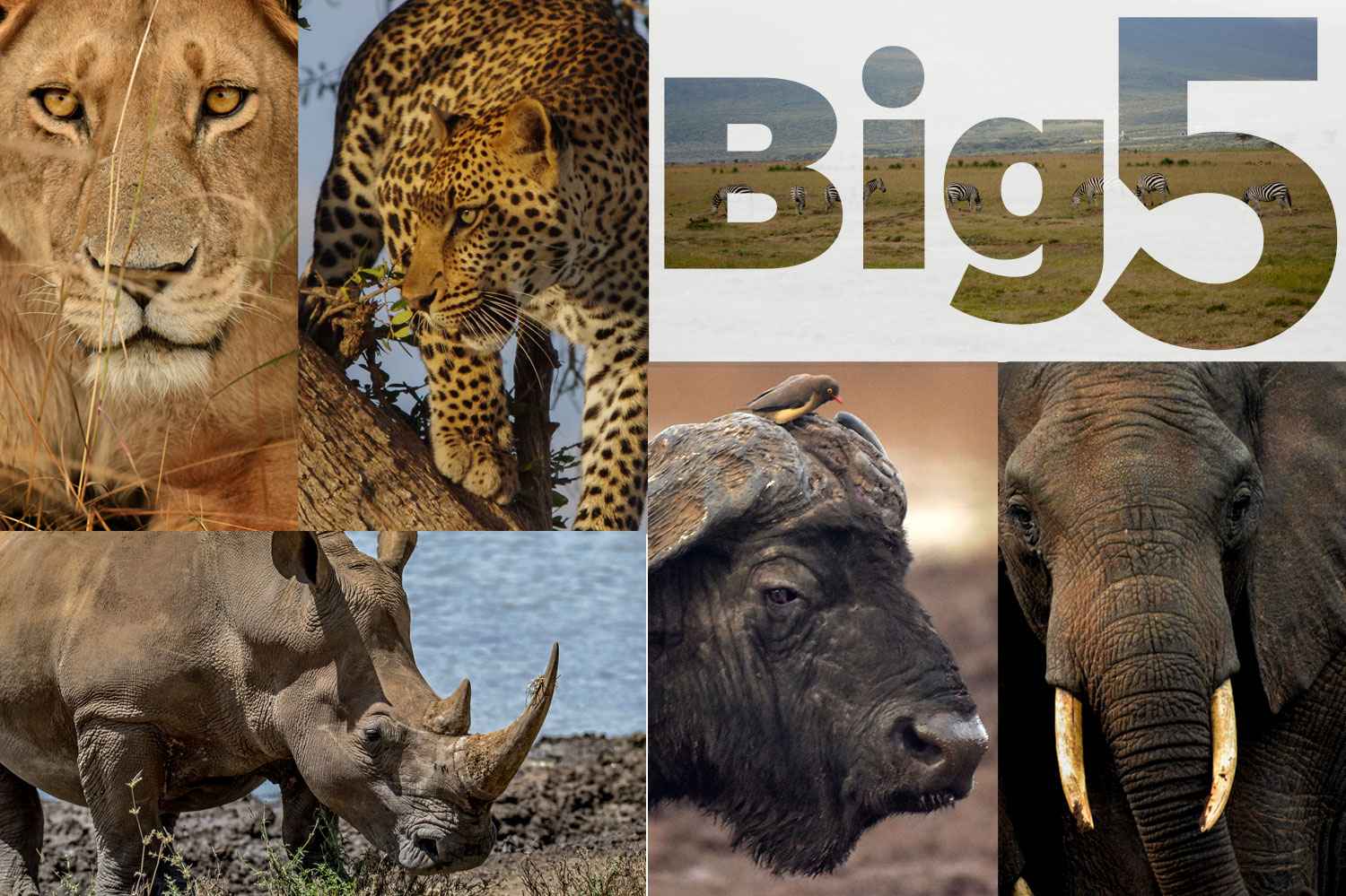
1. Lion
The Mara holds one of the densest lion populations anywhere in Africa, and most visitors find them on the first or second drive.
Look in the long grass near the Musiara and Talek areas in the cool of early morning, or under lone balanites trees by midday. Prides here can run to twenty animals, and cubs are often visible from a respectful distance.
2. African Elephant
Elephant move through the Mara in family groups led by an old matriarch. They favour the riverine forest along the Mara and Talek rivers, where there is shade and water.
Watch for a herd crossing a track in single file. It is one of those moments that silences a vehicle completely.
3. Plains Zebra
Zebra are everywhere, and that is precisely why they are worth watching. They graze alongside wildebeest almost constantly, because zebra crop the tall grass that wildebeest cannot eat.
During the migration months their numbers swell into the hundreds of thousands.
4. Wildebeest
Resident wildebeest live in the Mara all year, so you will see them whenever you come. Between roughly July and October, though, they arrive in numbers that are difficult to describe.
The Mara River crossings happen in that window, and they are the single most dramatic thing in the reserve.
5. Maasai Giraffe
The Mara's giraffe carry jagged, vine-leaf patches that distinguish them from the reticulated giraffe further north.
Find them browsing acacia along the woodland edges, usually in loose groups. A giraffe drinking is worth waiting for, since it has to splay its front legs awkwardly and stays nervous the whole time.
6. African Buffalo
Buffalo gather in herds of several hundred on the open plains, often near water. Old bulls, sometimes called dagga boys, break away and live alone or in small bachelor groups.
They look placid and are arguably the most dangerous animal in the reserve. Your guide will keep a sensible distance.
7. Cheetah
Cheetah favour the short-grass plains where they can see and run, particularly around the Mara Triangle and the eastern conservancies.
They hunt in daylight, often mid-morning, which makes them one of the few big cats you may watch actually chase something. Look for a slim silhouette sitting high on a termite mound.
8. Spotted Hyena
Hyena are far more interesting than their reputation suggests. They live in matriarchal clans, hunt a good proportion of their own food rather than only scavenging, and are often the first predator you meet on an early drive.
Listen for the whooping call after dark. It carries for kilometres.
9. Leopard
The hardest of the common big cats, and the one guests most want. Leopard are solitary, largely nocturnal and superbly camouflaged.
Search the fig and sausage trees along the Talek and Mara rivers, scanning branches rather than ground. A tail hanging below a limb is usually the giveaway. Some visitors find one on day one, others never do.
10. Black Rhino
Fewer than fifty black rhino are thought to remain in the Mara, which makes a sighting genuinely special.
They prefer thick bush in the Mara Triangle and tend to feed at dawn and dusk. Expect a distant view rather than a close one, and treat it as a bonus rather than an expectation.
Worth looking for beyond the headline ten
Topi standing sentry on termite mounds, bat-eared fox trotting in pairs, serval hunting rodents in the long grass, hippo crowding the river pools, and the secretary bird stalking snakes across the plains.
The birdlife deserves attention too. Lilac-breasted rollers, grey crowned cranes, saddle-billed storks and a dozen species of eagle are all here, and good guides love being asked about them.
How to improve your odds
Go out early and stay out late, because most of these animals are active in the first and last two hours of daylight. Spend three nights rather than two, which roughly doubles your chances on leopard and rhino. Consider a conservancy, where off-road driving and night drives are generally permitted.
Most of all, ask your guide questions. The difference between a good sighting and a great one usually sits in the head of the person driving.
Contact Yulle Adventures for a tailored quotation and we will build your Mara days around the animals you most want to see.