

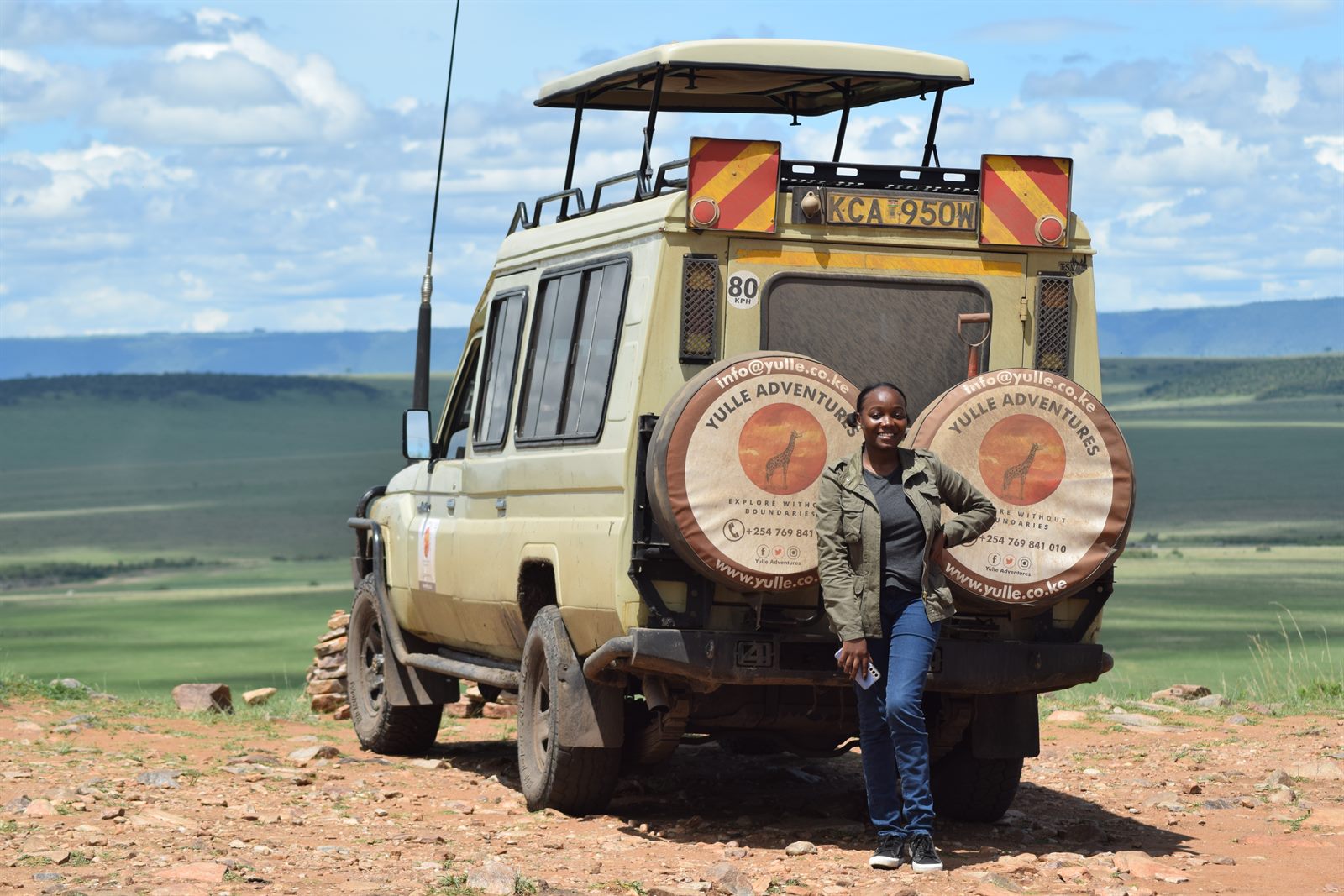
Planning a 7 day Kenya safari itinerary for Americans starts with one simple question: how do you turn a single week of vacation time into a real African safari without wasting two of those days just getting there and back? The good news is that a week is enough. With a direct or one-stop flight from most major U.S. gateways, a full seven days on the ground is enough time to see elephants beneath Kilimanjaro, track rhino at a Rift Valley lake and watch lions move across the Masai Mara, all without feeling rushed.
This guide walks through a realistic 7 day Kenya safari itinerary for Americans, from the flight and visa paperwork you handle before you leave the United States, through a day-by-day route, to the practical questions U.S. travelers ask most often about safety, cost and timing.
Getting to Kenya from the United States
There is no non-stop flight between the U.S. and Nairobi, so every Kenya safari itinerary for Americans begins with one connection. Travelers from the East Coast typically connect through Amsterdam, London, Doha or Dubai, landing at Jomo Kenyatta International Airport (JKIA) in Nairobi the following afternoon or evening. From the West Coast, routings via Amsterdam, Istanbul or the Gulf hubs work the same way, usually with a total travel time in the ballpark of 18 to 22 hours door to door, including the layover. Airfare for this route varies significantly by season, airline and how far in advance you book, so rather than quote a figure that may already be out of date by the time you read this, we recommend checking fares directly with your airline of choice or a flight search tool a few months before your preferred travel dates.
Because of the long outbound journey, most travelers land in Nairobi in the evening and spend their first night at a hotel near the airport before starting the safari proper the next morning. We build that into the itinerary below as Day 1.
Visa and Entry Requirements for U.S. Citizens
Kenya requires an Electronic Travel Authorization (eTA) for all visitors, including U.S. citizens, applied for online before departure through the official government portal at etakenya.go.ke. The eTA fee is a fixed US$30 per person, set by the Kenyan government, and approval is usually issued within a few business days, though it is worth applying at least two weeks ahead of travel to leave room for any follow-up requests.
Kenya also requires proof of travel medical insurance as a condition of entry. The government-mandated minimum cover costs US$44 per person for most standard trip lengths, and this is usually purchased as part of the eTA application itself. Bring a printed or downloaded copy of both your eTA approval and your insurance certificate, since immigration officers at JKIA may ask to see them on arrival.
A standard U.S. passport is required, valid for at least six months beyond your travel dates, with at least one blank visa page. No separate paper visa or embassy visit is needed once your eTA is approved.
7 Day Kenya Safari Itinerary at a Glance
The route below is one of the most popular structures for a first Kenya safari from the U.S.: a loop that takes in four very different landscapes without excessive driving days, finishing back where you started so your departure flight is simple to plan.
- Day 1: Arrive Nairobi (JKIA), overnight near the airport
- Day 2: Nairobi to Amboseli, afternoon game drive beneath Kilimanjaro
- Day 3: Full day in Amboseli National Park
- Day 4: Amboseli to Lake Naivasha, boat ride and Crescent Island walk
- Day 5: Lake Naivasha to Lake Nakuru, afternoon rhino-tracking game drive
- Day 6: Lake Nakuru to the Masai Mara, first game drive on arrival
- Day 7: Full day in the Masai Mara, return flight connection the next morning
Most U.S. travelers add one extra night in the Mara to turn this into an 8 day trip, which gives a second full day among the big cats before heading home. We note that option below as well.
Day-by-Day Itinerary
Day 1: Arrival in Nairobi
You land at Jomo Kenyatta International Airport, clear immigration with your eTA and insurance documents ready, and transfer to a hotel near the airport or in Nairobi for the night. After a long set of flights from the U.S., this buffer night matters: it means your safari starts fresh the next morning instead of beginning on no sleep.
Day 2: Nairobi to Amboseli
After an early breakfast, your driver-guide collects you for the drive south towards the Tanzanian border, through dry acacia country and Maasai grazing land. On a clear morning, Kilimanjaro's snow-capped summit appears on the horizon well before you reach the park. You check into your lodge in time for lunch, then head out for your first game drive, watching elephant herds move across the swamp edges with the mountain as a backdrop.
Day 3: A Full Day in Amboseli
A full day inside Amboseli National Park, split between morning and afternoon game drives with a break back at the lodge in between. Amboseli is known for some of the most relaxed, visible elephant herds in East Africa, along with giraffe, zebra, buffalo and regular sightings of lion and cheetah on the open plains. A climb up Observation Hill gives a panoramic view across the whole ecosystem towards Kilimanjaro.
Day 4: Amboseli to Lake Naivasha
You drive north, skirting Nairobi, and descend into the Great Rift Valley to Lake Naivasha. In the afternoon, a boat crosses the lake past hippos, fish eagles and flooded acacia trees to Crescent Island, where you walk on foot (no predators live on the island, which is what makes the walk possible) among giraffe, zebra, wildebeest and waterbuck grazing at close range.
Day 5: Lake Naivasha to Lake Nakuru
A short morning drive brings you to Lake Nakuru National Park, one of Kenya's best locations for seeing both black and white rhino in the same afternoon. The alkaline lake also draws large numbers of pelicans and, depending on water levels in a given year, flamingos, while Baboon Cliff offers a sweeping viewpoint over the whole park.
Day 6: Lake Nakuru to the Masai Mara
You travel south through the town of Narok into Maasai country, arriving in the Masai Mara in time for lunch. Your first game drive that afternoon sets the tone for what the Mara is famous for: wide grassland plains that make spotting lion, elephant, and large herds of zebra and topi genuinely easy, even on a first drive.
Day 7: Full Day in the Masai Mara
A full day inside the reserve, with your guide following the latest sightings of lion, leopard, cheetah and elephant. Travelers visiting between July and October may also have a chance to see a wildebeest river crossing, one of the most dramatic wildlife spectacles anywhere in the world. Many itineraries build in a Maasai village visit in the late afternoon, where a local community shares songs, dances and daily life. The next morning, a short flight or drive connects back to Nairobi for your international departure.
Where You Stay
A 7 day Kenya safari itinerary for Americans typically uses mid-range to upscale lodges at each stop, each offering en-suite rooms, full board meals and a swimming pool, with the Masai Mara lodges often holding the most dramatic views. Yulle Adventures works with a range of partner lodges across all four regions on this route, and can tailor the accommodation tier up or down depending on whether you are prioritizing comfort, location or budget. Because lodge rates and seasonal pricing change throughout the year, we show current per-person pricing directly on each package page rather than listing fixed figures here; see our 7 Day Kenya Safari: Amboseli to Masai Mara itinerary for the live seasonal rate table for this exact route.
What to Pack
Neutral-colored clothing (khaki, olive, tan) works best for game drives, along with a warm layer for early morning starts, since temperatures in the highlands and at altitude can drop close to freezing before sunrise even during the warmer months. Bring sunscreen, a hat, insect repellent, and any personal medication in its original packaging. Binoculars are genuinely useful rather than optional, and a case with a soft-sided duffel bag packs more easily into a safari vehicle than a hard-shell suitcase.
Best Time of Year for This Itinerary
This particular loop works well year-round because none of its four stops depend on a single migration event to be worthwhile. That said, the dry months from roughly July through October give the clearest game viewing and the best odds of a Mara river crossing, while the shorter rains in November and the long rains from March through May bring lower rates and quieter parks, at the cost of occasional wet-weather driving. Kilimanjaro's summit is typically most visible in the early morning in the drier months, so travelers hoping for that classic Amboseli photograph should lean towards a July-to-October or January-to-February visit.
Health and Safety for U.S. Travelers
Kenya's main safari circuits, including every stop on this itinerary, are visited by large numbers of international travelers every year and are generally considered safe when using a reputable operator and licensed driver-guide, which is standard practice for any organized safari. Before you travel, it is worth checking the U.S. Centers for Disease Control and Prevention's current health guidance for Kenya, which covers recommended vaccinations and malaria prevention for this region, as these recommendations are updated periodically and are best read directly from the source rather than relied on secondhand.
What's Included on This Itinerary
A standard 7 day Kenya safari itinerary for Americans built around this route typically includes all ground transport in a private 4x4 with a professional driver-guide, full board accommodation (breakfast, lunch and dinner) at each lodge, park and reserve entry fees for every day you spend inside a park, airport transfers at the start and end of the trip, and activities called out on the itinerary, such as the Crescent Island walk or a Maasai village visit. What's usually excluded, and worth budgeting for separately, are your international flights to and from Kenya, the eTA and mandatory insurance fees covered earlier in this guide, tips for your guide and lodge staff, drinks beyond the included meals, and any optional extras like a hot air balloon safari over the Mara, which can be added to this itinerary for an extra morning if you want to see the plains from the air.
Time Zone and Jet Lag for U.S. Travelers
Kenya runs on East Africa Time, which is seven hours ahead of U.S. Eastern Time and ten hours ahead of Pacific Time, with no daylight saving adjustment to complicate things further. Combined with the long eastbound flight, most American travelers feel some jet lag on arrival, which is one more reason this itinerary builds in a buffer night in Nairobi on Day 1 rather than heading straight into the bush. Safari mornings start early regardless, often with a wake-up call before dawn to catch the best light and animal activity, so many travelers find the time difference actually works in their favor: your body is already waking up early by local time, even if it doesn't feel that way for the first day or two.
Group Safari or Private Safari?
This 7 day Kenya safari itinerary for Americans works equally well as a private trip for a couple or family, or as a joined group safari where you share a vehicle with other travelers heading the same route. A private safari gives you full control over the pace, extra stops for photography, and flexibility to linger somewhere longer if the wildlife viewing is especially good that day. A joined group safari spreads the vehicle and guide cost across more people, which usually brings the per-person price down, and suits travelers happy to share the experience with a small group of like-minded visitors. Neither option changes the route or the lodges on this itinerary, only the vehicle arrangement and the price per person.
Staying Connected Back Home
Most lodges on this route offer Wi-Fi in the main areas, though speeds in more remote stops like the Masai Mara can be slower than what you're used to at home, and coverage inside the parks themselves during game drives is patchy at best. A local Kenyan SIM card, available at the airport or in Nairobi on Day 1, is an easy way to stay reachable for calls and messages throughout the trip at a fraction of international roaming rates. Many travelers find the limited connectivity on safari to be a genuine feature rather than a drawback: a week with fewer notifications tends to make the wildlife sightings feel more vivid, not less.
Frequently Asked Questions
Is 7 days enough for a first Kenya safari from the U.S.?
Yes. A 7 day Kenya safari itinerary for Americans covering Amboseli, the Rift Valley lakes and the Masai Mara gives a genuinely complete picture of Kenya's most iconic landscapes without excessive driving. Travelers who can spare an extra day or two often add a second night in the Mara rather than a fifth destination, since more time in fewer places usually means better sightings.
Do I need any vaccinations to visit Kenya?
There is no single vaccine required for every traveler, but malaria prevention is recommended for this region and some travelers are advised to consider a yellow fever vaccination depending on their itinerary and other countries visited. Check current CDC guidance for Kenya and consult your own physician or a travel clinic a few weeks before departure.
How many internal flights does this itinerary need?
None are required; this specific route is designed to be driven entirely by private 4x4, which also means more flexibility to stop for photographs and wildlife sightings along the way than a fly-in itinerary allows.
Can this itinerary be extended into Tanzania?
Yes, the Masai Mara sits just across the border from Tanzania's Serengeti ecosystem, and many U.S. travelers extend this exact route by a few days to cross into Tanzania. If that interests you, read our guide to combining Kenya and Tanzania for US travelers for the visa and routing details.
What is the single biggest mistake first-time U.S. visitors make?
Packing too much into too little time. Four destinations in seven days, as laid out above, works because each stop gets at least one full day of game viewing. Trying to add a fifth or sixth stop in the same week usually means more driving and less actual safari.
Plan Your 7 Day Kenya Safari with Yulle Adventures
Yulle Adventures is a Nairobi-based tour operator and can build this exact 7 day Kenya safari itinerary for Americans, or adjust the pace, lodges and route to match your travel dates and group size. Browse the current day-by-day plan and live seasonal pricing on our 7 Day Kenya Safari: Amboseli to Masai Mara package page, or see the full range of routes on our Kenya and Tanzania safari packages page. For a sense of when to travel, our guide on the best time to visit the Masai Mara breaks down each month in detail. For current health guidance before you fly, see the CDC's travel health information for Kenya.
Ready to start planning? Tell us your travel dates and group size through our booking enquiry form, or message us directly on WhatsApp for a fast reply and a tailored quote.