

Hidden Gems: Off-the-Beaten-Path Adventures Most Tourists Miss
Every popular destination has a version of the same photo: the crowded viewpoint, the queue at the gate, the selfie stick forest. Those places are popular for good reason, and they are worth seeing once. But ask any seasoned traveler about their best memory and the answer is rarely the main attraction. It is the quiet trail they stumbled onto, the village meal they never planned, the sunrise they had entirely to themselves.
At Yulle Adventures, we believe the most rewarding journeys happen just beyond the guidebook's highlights. This article is about how to find those hidden gems, what kinds of experiences to look for, and how to explore them in a way that is safe, respectful, and unforgettable.
Why Hidden Gems Are Worth the Detour
Lesser-known places offer something that famous ones increasingly cannot: space. Space to listen to the wind instead of a tour guide's microphone. Space to talk with the people who live there. Space to actually feel where you are.
There are practical benefits too. Off-the-beaten-path destinations are usually cheaper, with lower prices for food, lodging, and guides. They are less crowded, so you spend your time experiencing a place instead of waiting in line for it. And your money tends to go directly to local families and small businesses rather than large operators.
Most importantly, hidden gems make for better stories. Nobody retells the time they stood in a queue. They retell the time the bus broke down and the whole village helped, or the time a local guide led them to a waterfall that was not on any map.
1. Wild Places Just Beyond the Famous Parks
Every well-known national park or reserve is surrounded by quieter land that few visitors think to explore. Community conservancies, forest reserves, and buffer zones often hold the same landscapes and wildlife as the headline destinations, with a fraction of the vehicles.
These areas frequently offer experiences the big parks do not allow, such as guided walking safaris, night drives, and bush breakfasts. A walking safari changes how you see everything: you notice tracks, birdsong, insects, and plants that are invisible from a vehicle. Because conservancies limit visitor numbers, sightings feel personal rather than staged.
Tip: Ask your lodge or guide which neighboring areas they recommend. The best advice usually comes from people who work there every day.
2. Small Villages and Living Culture
Culture is not a performance, and the best way to understand a place is to spend time where everyday life happens. Skip the staged cultural show and look for community-run experiences instead: a cooking lesson in a family kitchen, a morning with local farmers, a craft workshop where artisans explain their techniques.
These experiences work best when they are organized by the community itself, so that income stays local and the people involved set the terms. Arrive curious rather than expecting entertainment. Ask questions, listen to the answers, and accept that some things may be private.
A few simple courtesies go a long way. Learn a handful of greetings in the local language. Ask before photographing people. Dress modestly where that is the custom. Bring a small gift of something useful, but never hand out sweets or money to children, which can encourage begging.
3. Quiet Trails, Waterfalls, and Viewpoints
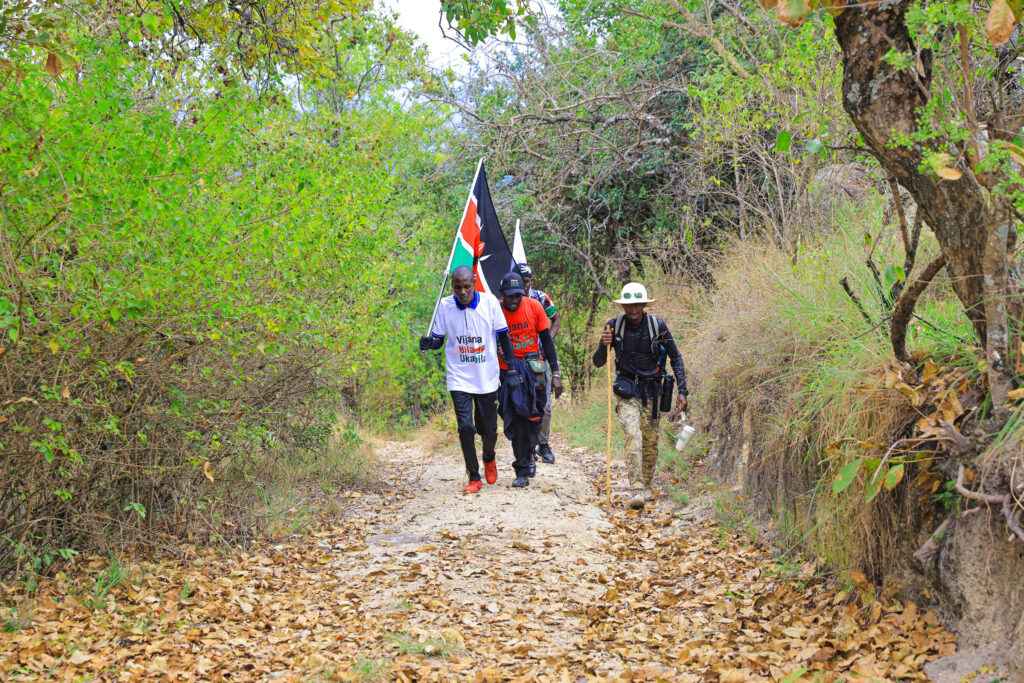
Almost every region has a trail that locals love and tourists have never heard of. It might climb a forested ridge, follow a river to a hidden waterfall, or end at a cliff edge with a view that rivals any postcard.
To find them, start by talking to people. Guesthouse owners, boda boda and taxi drivers, market vendors, and local hiking groups know the area in a way no website does. Community guides are especially valuable: they know the terrain, the weather patterns, and the best time of day to arrive, and hiring them supports the local economy.
Go early. Even lesser-known trails are at their best in the first hours of the day, when the air is cool, the light is soft, and wildlife is most active. Carry water, wear sturdy shoes, and tell someone where you are going.
4. Local Food Beyond the Tourist Menu
Some of the most memorable adventures happen at a plastic table in a busy local eatery. Tourist restaurants tend to serve a watered-down, familiar version of a region's cuisine. The real flavors are in street stalls, roadside grills, morning markets, and family-run kitchens.
A good rule: eat where the locals eat. Look for a crowd, a short menu, and food being cooked fresh in front of you. Ask what the day's special is and be willing to point and try something new. Visiting a produce market in the early morning is also one of the best free activities in any town, full of color, sound, and conversation.
If you have a sensitive stomach, choose food that is served hot and freshly cooked, drink bottled or treated water, and bring any medication you usually need. Adventurous eating does not have to mean reckless eating.
5. Islands, Lakes, and Water Escapes
Water often hides the best-kept secrets. Quiet lakeshores, river islands, and lesser-visited coastlines offer swimming, kayaking, birdwatching, and fishing without the crowds of the main beach towns.
Many of these places are reached by a short boat ride or a bumpy road, and that small barrier is exactly what keeps them peaceful. Hire a local boatman, spend a slow afternoon drifting along the shore, and watch fishing communities at work. Sunset on a calm lake, with nobody else in sight, is hard to beat.
6. Sunrise and Stargazing Spots
Some hidden gems are not places at all but moments. Wake before dawn and walk to a ridge above a sleeping town, and you will watch the world switch on in gold and mist. Drive an hour from any city, away from the streetlights, and the night sky turns into something you have probably never seen: the Milky Way stretched across the dark, and shooting stars every few minutes.
These experiences cost almost nothing. All they ask is that you set an alarm, pack a warm layer and a flask of tea, and sit still long enough to notice.
A word on timing: check moon phases before planning a night under the stars, as a new moon gives the darkest and most spectacular skies.
How to Find Your Own Hidden Gems
You do not need insider connections to travel off the beaten path. A few habits will take you a long way:
- Ask locals, not just search engines. Conversations lead to recommendations no algorithm will give you.
- Travel in the shoulder season. Lesser-visited months often mean better prices, fewer people, and more relaxed hosts.
- Slow down. Spend three nights in one place instead of one night in three. Depth beats distance.
- Use small, locally owned guides and lodges. They know the area and are invested in your experience.
- Leave room in your schedule. The best discoveries are unplanned detours.
- Follow local community pages and travel groups to see what people who live there actually do on weekends.
Travel Responsibly
Hidden gems stay hidden only if they are treated well. A place that is quiet today can be overrun tomorrow if visitors are careless. Take only photos and leave only footprints, carry out all your trash, stay on marked paths, and keep a respectful distance from wildlife. Pay fair prices without haggling to the last coin; a small amount means far more to a family than it does to you.
Think carefully before sharing exact locations of fragile spots online. Share the stories, the lessons, and the joy, and encourage others to visit with local guides who can manage the impact.
Safety Comes First
Remote places reward preparation. Tell someone your plans, carry a charged phone and a power bank, and keep a basic first aid kit. Check weather and road conditions before setting out, and do not rely on mobile coverage in rural areas. Download offline maps in advance. When in doubt, hire a local guide: their knowledge is the best safety equipment you can carry.
The Journey Is the Adventure
The most meaningful travel is not about ticking off landmarks. It is about connection: to nature, to people, and to the version of yourself that shows up when the schedule falls away. The famous sights will always be there, and they deserve a visit. But leave a little space around them for the unexpected.
Next time you plan a trip, pick one thing that is not in the guidebook. Take the side road, accept the invitation, follow the trail that nobody mentioned. That is where the adventure begins.
Where will your next hidden gem be? Share your own off-the-beaten-path discoveries with the Yulle Adventures community in the comments.